Fruits Basket is a highly acclaimed shojo series, celebrated for its touching love stories and thoughtful portrayal of difficult themes like trauma, recovery, and family relationships. The 2019 anime adaptation beautifully retold the entire manga story, bringing the Sohma family’s story to a new audience.
It’s tough to compare great anime, but Fruits Basket isn’t alone in earning critical praise. Many shojo series have been considered the best of the genre – some are timeless classics that changed how these stories were told, while others are more recent hits that pushed the boundaries of emotional depth and storytelling.
Banana Fish Explores Trauma and Healing Through a Grittier Lens
If you enjoyed how Fruits Basket dealt with trauma and healing through relationships, Banana Fish tackles similar themes but in a much grittier way. Based on a popular manga by Akimi Yoshida, this anime blends a thrilling crime story with intense, personal character development, making it a standout series in recent years.
Though filled with action and gang violence, Banana Fish is fundamentally a story about dealing with childhood trauma, learning to trust again, and recovering from severe abuse. Similar to Fruits Basket, it’s at its core about people striving to heal from the pain caused by others.
The connection between Ash Lynx and Eiji Okumura provides a beacon of hope amidst constant violence, similar to the heartwarming relationships in Fruits Basket. But while exploring those same themes, Banana Fish tells a gritty, intense story that doesn’t shy away from difficult situations. This makes the characters’ emotional journey – both its joys and sorrows – feel even more powerful.
The anime version of Banana Fish was highly praised for how it was directed, how quickly the story moved, and the voice acting. The studio MAPPA created a visually impressive anime that stayed true to the emotional heart of the original manga. Many consider Banana Fish to be one of the best modern adaptations of a shojo manga, proving how diverse and compelling this genre can be.
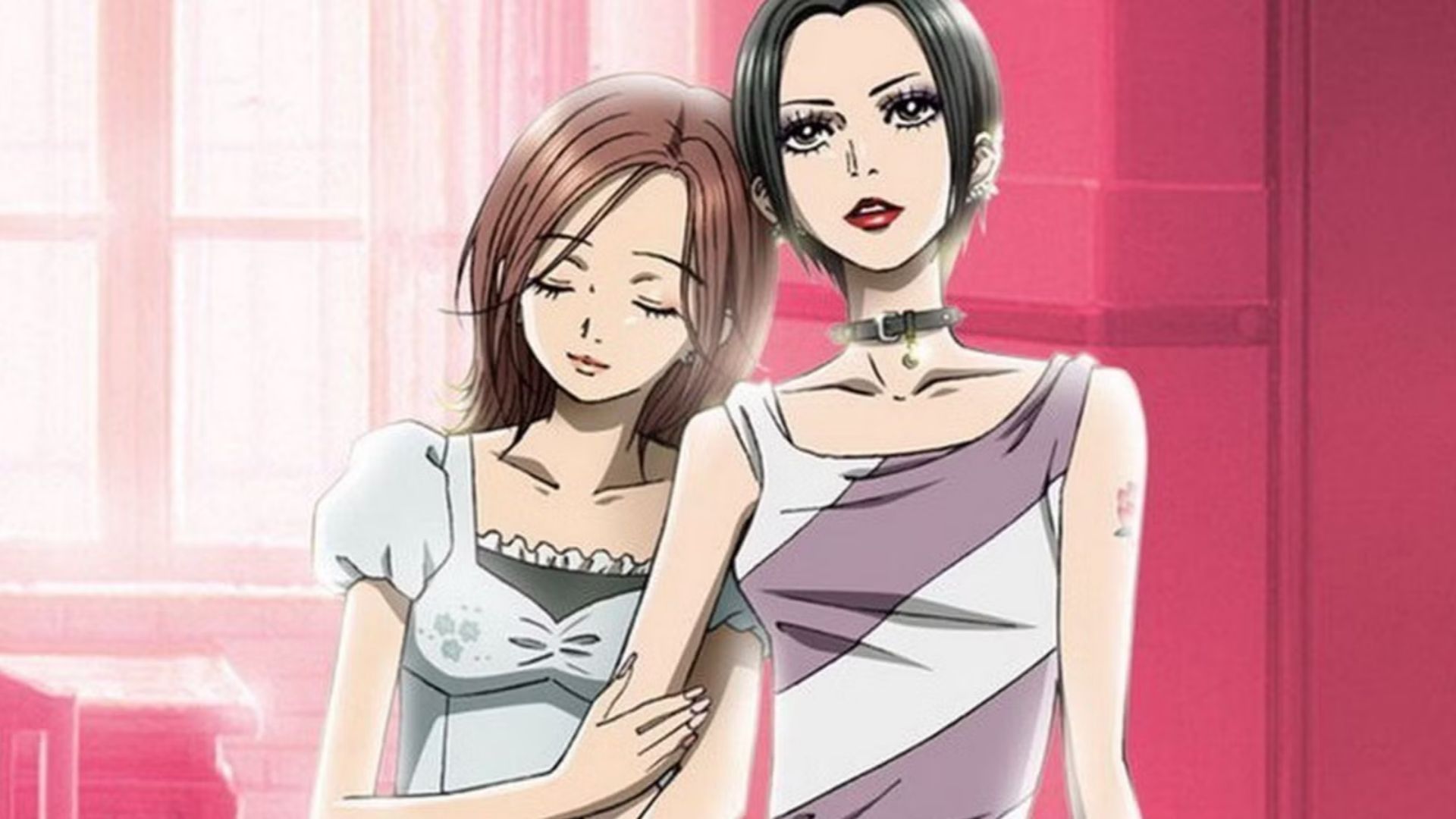
Nana Sets The Standard for Mature Relationship Drama
Unlike many shojo anime that focus on typical high school romances, Nana offers a surprisingly realistic and emotionally complex look at adulthood. The story follows two young women named Nana as they forge a powerful, but often complicated, friendship – one that profoundly impacts both of their lives.
The story follows the characters as they navigate love, pursue their dreams, experience heartbreak, and learn about themselves. Even years after it first came out, Nana remains a compelling series. While Fruits Basket offers more optimism, Nana doesn’t shy away from difficult issues or provide simple solutions – though this is partly because the anime was never completed.
Relationships are messy, and this show reflects that perfectly. It portrays how people unintentionally wound one another while navigating life’s challenges – things like personal weaknesses, differing goals, and tough choices made during formative years. This realistic portrayal of emotions is a key reason why the series has resonated so strongly with viewers and earned its positive reputation.
While Fruits Basket uses fantastical elements to delve into emotional pain and recovery, Nana feels much more realistic. It tackles tough topics like finding yourself, feeling alone, and striving for happiness – and its honesty makes those themes especially impactful.
Revolutionary Girl Utena Challenges Shojo Conventions
Revolutionary Girl Utena initially seems like a typical fairy tale with a strong female lead, an enigmatic school setting, and recurring challenges. However, it quickly becomes clear that this anime offers a surprisingly deep look at topics like sexuality, gender roles, and the pressures faced by adolescents.
This series playfully subverts typical shojo tropes, challenging the genre’s common themes. A big part of why Utena remains popular is its embrace of open-endedness. The story is rich with symbolism, allowing for multiple interpretations, and its characters are complex – rarely simply good or bad.
The show delves into how emotions like fear, longing, and feeling insecure shape our decisions. Though visually stunning, it’s a thoughtful story about control, what we expect from relationships, and who holds the power – all presented in a unique way that continues to spark conversations and debate even after many years.
Despite having different styles – Utena is surreal while Fruits Basket feels emotionally real – both shows explore characters trying to break free from difficult situations. Tohru Honda focuses on helping others heal with kindness and understanding, but Utena takes a more direct approach by questioning the rules and ideas that cause people pain.
The Rose of Versailles Combines Romance and Tragedy on a Much Larger Scale
The anime The Rose of Versailles really showed how grand and complex stories aimed at young girls could be. Taking place during the French Revolution, it centers on Oscar Francois de Jarjayes, who struggles with who she is, what she owes to others, and matters of the heart. She’s torn between her responsibilities to the upper class and the hardships faced by common people.
The historical backdrop of each story elevates personal struggles, making individual decisions feel like events with broader political and social repercussions. While Fruits Basket beautifully illustrates the healing power of kindness, The Rose of Versailles focuses on how people are molded by their environment.
Oscar’s story is a powerful one, exploring not just her search for belonging but also questions of fairness, societal norms, and who she truly cares about. Beyond its captivating love stories, The Rose of Versailles skillfully combines themes of social inequality and the sacrifices people make – something very few other anime aimed at young girls have done as effectively.
While both Fruits Basket and The Rose of Versailles delve into personal challenges related to acceptance and finding where you belong, The Rose of Versailles stands out with its broader, more sweeping story and lasting impact. Compared to the close-up, character-focused approach of Fruits Basket, The Rose of Versailles offers a much larger scale.
2026-07-22 17:50