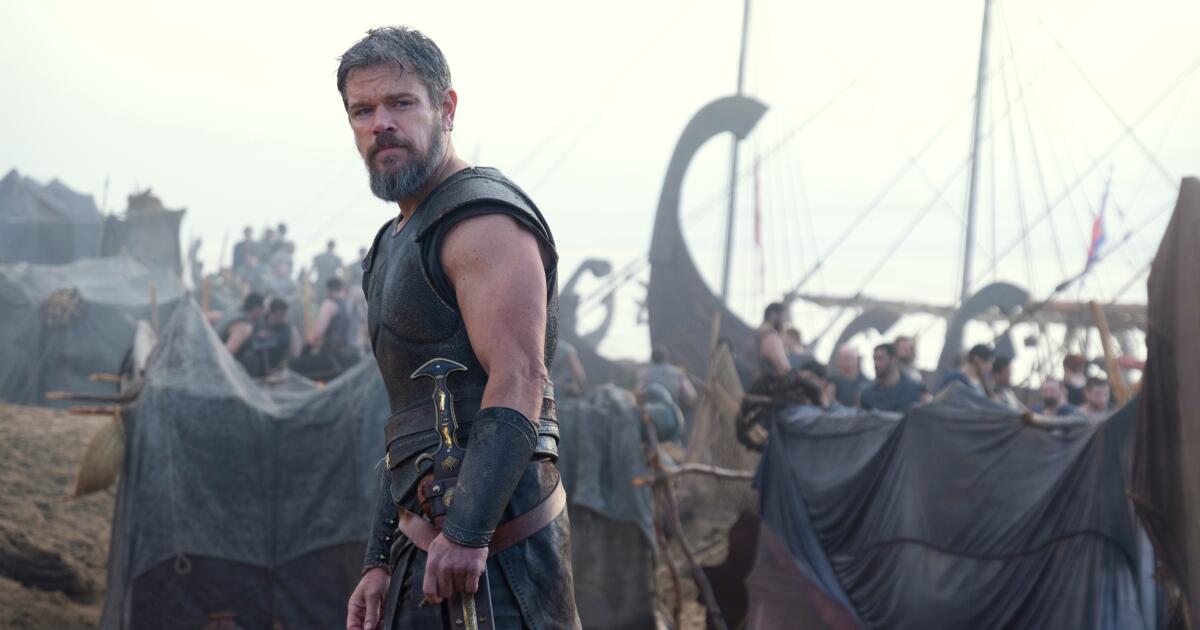
Emily Wilson translated Homer’s “The Odyssey” in 2017, and her work influenced Christopher Nolan’s recent movie version of the ancient poem. She now shares her opinions about the film.
A recent, sharply critical essay in the London Review of Books thoroughly analyzed Christopher Nolan’s work. The review was so incisive that the author jokingly suggested readers might need protection, like Matt Damon’s armor, to get through it all. Last autumn, Nolan himself explained to Empire magazine why he was captivated by the story, specifically referencing Emily Wilson’s translation. He recalled it beginning with the line, ‘Tell me about a complicated man,’ and emphasized that the character’s intelligence, resourcefulness, and strategic thinking were key to his appeal. Nolan noted the character was more than just a warrior; he was a brilliant and cunning thinker.
So, the director gave me a shout-out, which was nice and all – honestly, it felt pretty humbling. But truthfully? I wouldn’t want my name anywhere near that screenplay. It really wasn’t something I could be proud of contributing to.
Wilson, a classical studies professor at the University of Pennsylvania who has translated works by Seneca, Euripides, and Homer (including the ‘Iliad’), criticized the film. She compared Nolan’s almost three-hour movie to fantasy epics like Peter Jackson’s ‘Lord of the Rings’ trilogy and ‘Game of Thrones,’ joking that she nearly expected characters to start speaking Elvish by the end.
Earlier this month, film critic Amy Nicholson of The Times argued that Christopher Nolan prioritized his thematic concerns in his adaptation of The Odyssey, altering Odysseus’s complex character to fit a narrative about the fall of empires. She believes he essentially rewrote Homer’s story, infusing it with a cautionary message similar to that found in his film Oppenheimer and viewing the original tale through a disapproving lens.
Wilson appears to share the sentiment.
She noted that ‘The Odyssey’ is more engaging than some of Christopher Nolan’s other movies, largely because the original story is so strong it’s hard to ruin. She described it as a visually impressive and accessible film, similar to a grand fireworks show, but with less substance in terms of story and emotional impact.
Movies
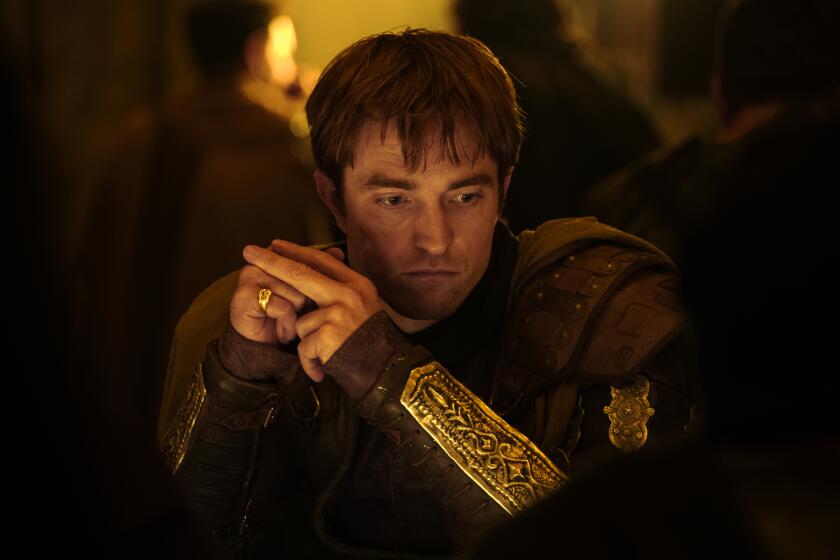
The filmmaker wasn’t afraid to update the classic 2,700-year-old story for modern audiences, creating a more intense Cyclops, a more sinister Circe, and even a completely different ending.
The film’s casting choices sparked immediate controversy, particularly the selection of Lupita Nyong’o—an Academy Award winner—to portray Helen of Troy. Elon Musk was among the most vocal critics of the decision.
Before his movie was released, Nolan told The Telegraph that pre-release discussions about it are usually pointless. He explained that people can’t really comment on the film until they’ve actually seen it.
According to Wilson, Nolan’s race-neutral casting had “nothing progressive about it.”
According to a recent observation, many non-white actors—including Zendaya, Lupita Nyong’o, Himesh Patel, Corey Antonio Hawkins, and Travis Scott—were cast in roles as supportive characters primarily existing to help the white lead. These roles lacked independent development beyond assisting the main character.
Wilson points out a key flaw in the film’s adaptation of Homer’s story: while there are several female characters – more than you typically see in a Christopher Nolan movie – they don’t have substantial roles or much dialogue, unlike their counterparts in the original poem.
According to Wilson, Charlize Theron’s character, Calypso, feels more like a therapist than the angry, witty, persuasive, and sensual figure she was meant to be. He also points out that Anne Hathaway’s Penelope is simply left with nothing to do but pine for Matt Damon without any clear motivation. And Zendaya’s Athena ends up portrayed as a fragile war victim—or maybe just Odysseus’ inner thoughts—rather than the powerful, ruthless goddess she should have been.
Movies
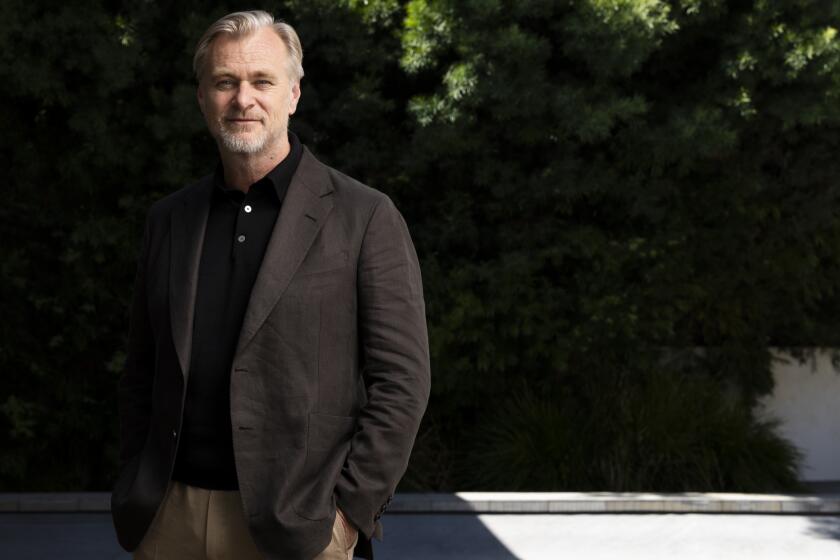
The intimate odyssey of Christopher Nolan’s latest epic: ‘I’ve been telling this story in all my films’
Director Christopher Nolan shares insights into his latest ambitious movie, featuring Matt Damon and filmed exclusively with IMAX cameras.
The movie also focuses on the devastating impact of war on people – a key idea, according to Wilson, that differs from how it’s portrayed in Homer’s original work.
She argues that portraying Odysseus as unwilling to fight undermines the film’s credibility. The movie doesn’t demonstrate that war or violence are inherently wrong; it simply shows good people experiencing regret – a much more limited message. According to her, any meaningful portrayal of conflict, whether set in ancient times or today, needs to consider the experiences of those harmed as well as those who inflict harm. While Homer’s poems achieve this balance, Nolan’s film does not.
The movie wants us to feel repulsed by war, but also enjoy the exciting scenes where the hero reluctantly fights back and takes action.
Ever since Christopher Nolan revealed his upcoming film would be based on “The Odyssey” in December 2024, different editions of the classic poem have become very popular in bookstores and libraries. Notably, Emily Wilson’s English translation – the only one translated by a woman – has seen especially high demand. Louise Brockett from W.W. Norton reported to USA Today that sales of Wilson’s version exceeded one million copies this year.
Wilson ends her review of Nolan’s “Oppenheimer” by stating that its arrival in theaters remains a cause for celebration.
Despite the rise of streaming and concerns about falling reading rates and a decline in the study of classic literature, this grand film is drawing crowds back to movie theaters. Interestingly, copies of The Odyssey, including my translation, are selling remarkably well.
Christopher Nolan’s latest film, “The Odyssey,” cost $250 million to produce, but it earned $264.1 million worldwide during its opening weekend, according to the studio.
2026-07-28 09:01