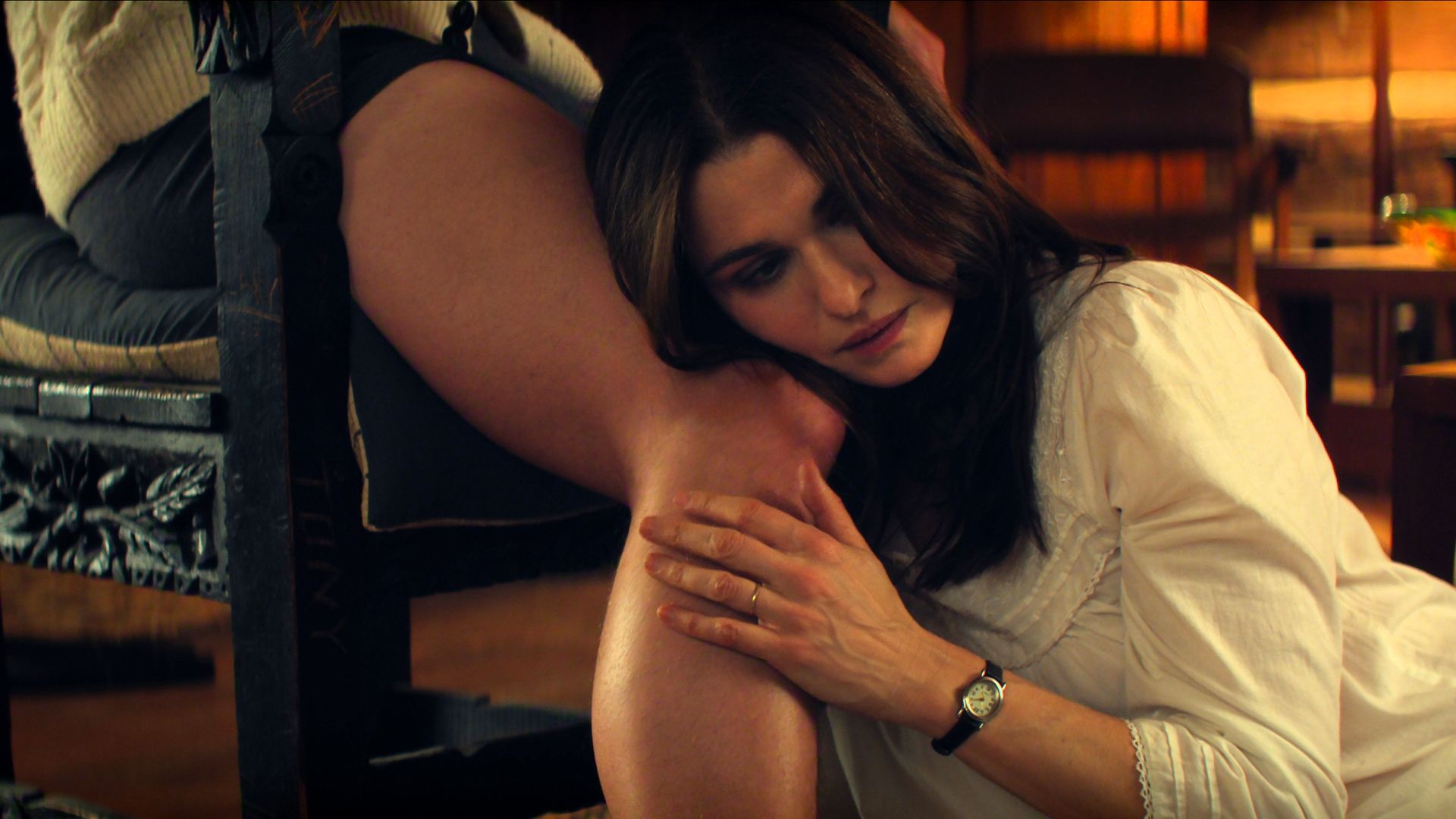
Warning: This article includes MAJOR SPOILERS for Netflix’s Vladimir!
Netflix’s new eight-part thriller takes risks with traditional storytelling, and it really pays off. The show taps into the proven appeal of both passionate romance and thrilling suspense, demonstrating that audiences are drawn to stories exploring the darker side of desire.
The new miniseries, Vladimir, inspired by Julia May Jonas’s book, delves into the complexities of the human psyche. The show centers on a woman, known only as M, whose life is upended when her husband, a professor, faces accusations of inappropriate relationships with students. Her attention shifts when a new, younger professor arrives at the school.
The new Netflix series became a hit almost immediately, quickly climbing to the top of the charts in both the US and around the world. Interestingly, despite breaking a fundamental rule of storytelling, it’s become incredibly captivating.
Netflix’s Vladimir Lies To Us & That’s A Good Thing
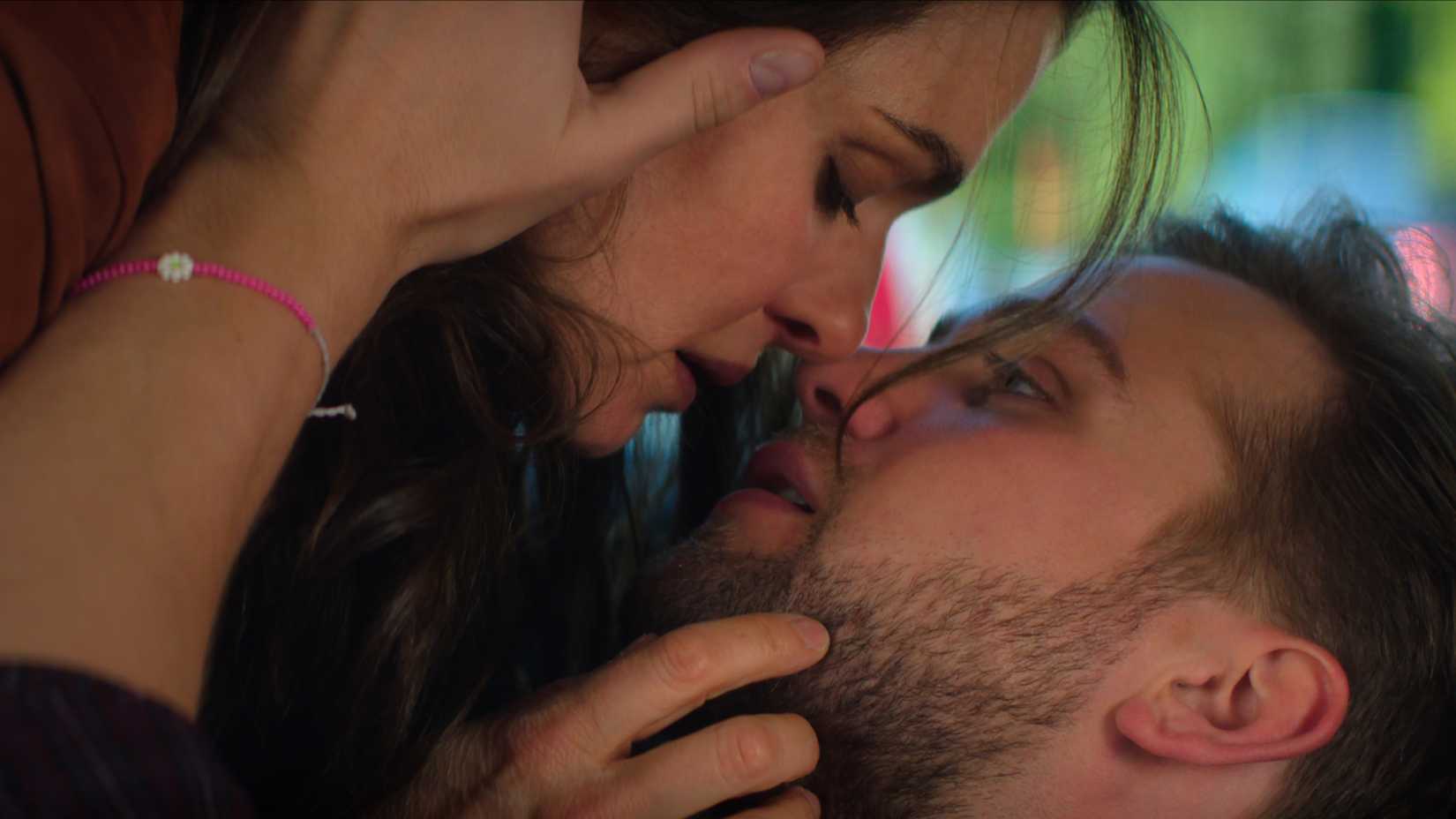
Storytelling relies on an unwritten agreement between the storyteller and the audience, based on trust. The storyteller promises to create a world that makes sense internally, and the audience agrees to believe in that world while experiencing the story. This agreement is essential – if either side breaks it, the audience can no longer suspend their disbelief and become immersed in the tale.
The Netflix film Vladimir bends the truth, blending real events with made-up ones in a way that can be confusing. It doesn’t follow a clear pattern when switching between what’s actually happening and what’s inside the character M’s head. The movie’s visuals sometimes create a dreamlike feeling, but at other times, the imaginary scenes look just as realistic as everything else, making it hard to tell what’s real.
Erotic thrillers often keep viewers guessing by refusing to offer clear direction. In this film, the narrator, Vladimir, is unreliable, forcing us to constantly question what we’re seeing. The story is told solely from her point of view, so the only certainty is that nothing can be taken for granted. However, this deliberate ambiguity actually works in the film’s favor, becoming a consistent element the audience can depend on.
Vladimir’s Ending Allows Us To See The World That M Is Creating In Her Head
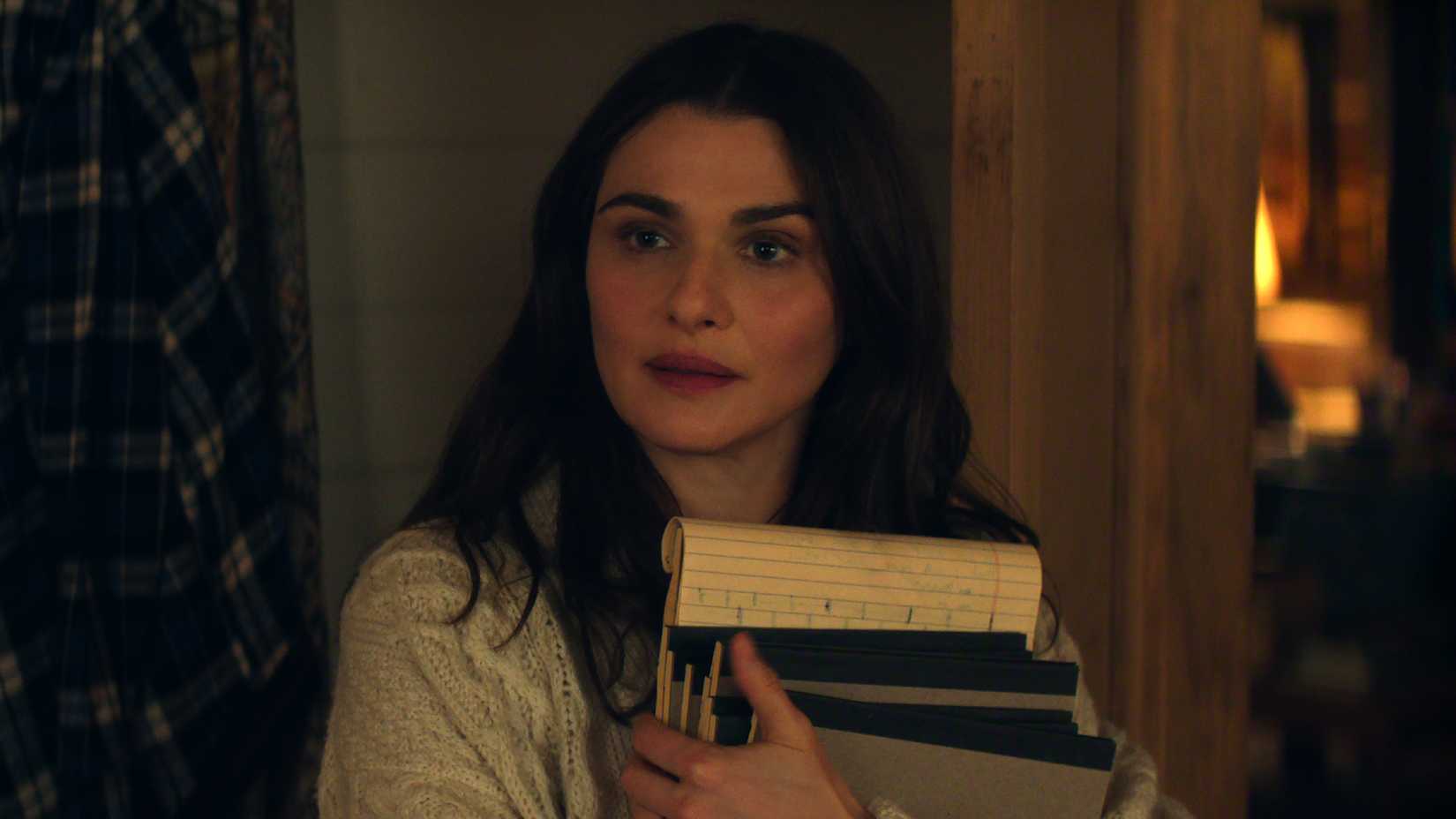
The popular Netflix miniseries deeply explores a woman’s descent into dangerous obsession, offering hints of her inner fantasies along the way. But it’s in the final scene with Vladimir that we truly experience the imaginative world she’s been building through her writing.
M imagines her life as a dramatic gothic romance, and that’s reflected in how Vladimir acts – he embodies many of the genre’s classic themes. These stories often feature controlling men, unequal relationships, and a feeling of being trapped. Interestingly, the characters themselves are usually searching for deeper truths, adding another layer to the story.
We’re drawn into M’s life from the moment she begins writing her novel until the very end of the television series it inspires. She includes a classic gothic element – a house fire – which traps John and Vladimir on one side of the blaze, while her manuscript remains on the other.
Instead of remaining with the men, the protagonist in Vladimir runs away, and her storytelling makes us wonder if Vladimir and John also manage to escape. Ultimately, it doesn’t matter if they do. She’s taken control of the narrative, turning them into characters within her story, rather than being a character in theirs.
We Don’t Need To Know How Much Of Vladimir’s Third Act Is Real
The first two acts of Vladimir are relatively straightforward, even though the audience should be skeptical of the narrator, M. We get a clear sense of what the main character is thinking. But the story becomes much more confusing when M and Vladimir leave campus for the restaurant. After that point, it’s hard to tell what’s actually happening, what’s based on truth but distorted, and what’s completely made up.
Up until the fire, most of what happened seems to be factual. Vladimir showed interest in M before they went to the restaurant, and hearing about the rumors of John and Cynthia’s affair might have motivated him to pursue things with M.
I think everything Vladimir does after taking M drugs is being influenced by her thoughts. His behavior changes a lot, especially during intimacy. He seems to know exactly what she wants and acts out her fantasies perfectly – it’s unbelievable he could know those details without some kind of influence.
It doesn’t really matter if either of these explanations is correct. Understanding the show’s overall message doesn’t depend on figuring out exactly what happened with Vladimir in the final act. The ending makes it clear that everyone has the power to change their own story. We don’t need to know the details of how much M altered her past, only that she took control of it.
Read More
- ‘Project Hail Mary’s Unexpected Post-Credits Scene Is Worth Sticking Around
- Total Football free codes and how to redeem them (March 2026)
- Limbus Company 2026 Roadmap Revealed
- The Division Resurgence Specializations Guide: Best Specialization for Beginners
- After THAT A Woman of Substance cliffhanger, here’s what will happen in a second season
- Brawl Stars Sands of Time Brawl Pass brings Sandstalker Lily and Sultan Cordelius sets, along with chromas and more
- Brawl Stars Brawl Cup Pro Pass arrives with the Dragon Crow skin and Chroma, unique cosmetics, and more rewards
- Clash of Clans April 2026 Gold Pass Season introduces a Archer Queen skin
- Wuthering Waves Hiyuki Build Guide: Why should you pull, pre-farm, best build, and more
- XO, Kitty season 3 soundtrack: The songs you may recognise from the Netflix show
2026-03-14 19:59