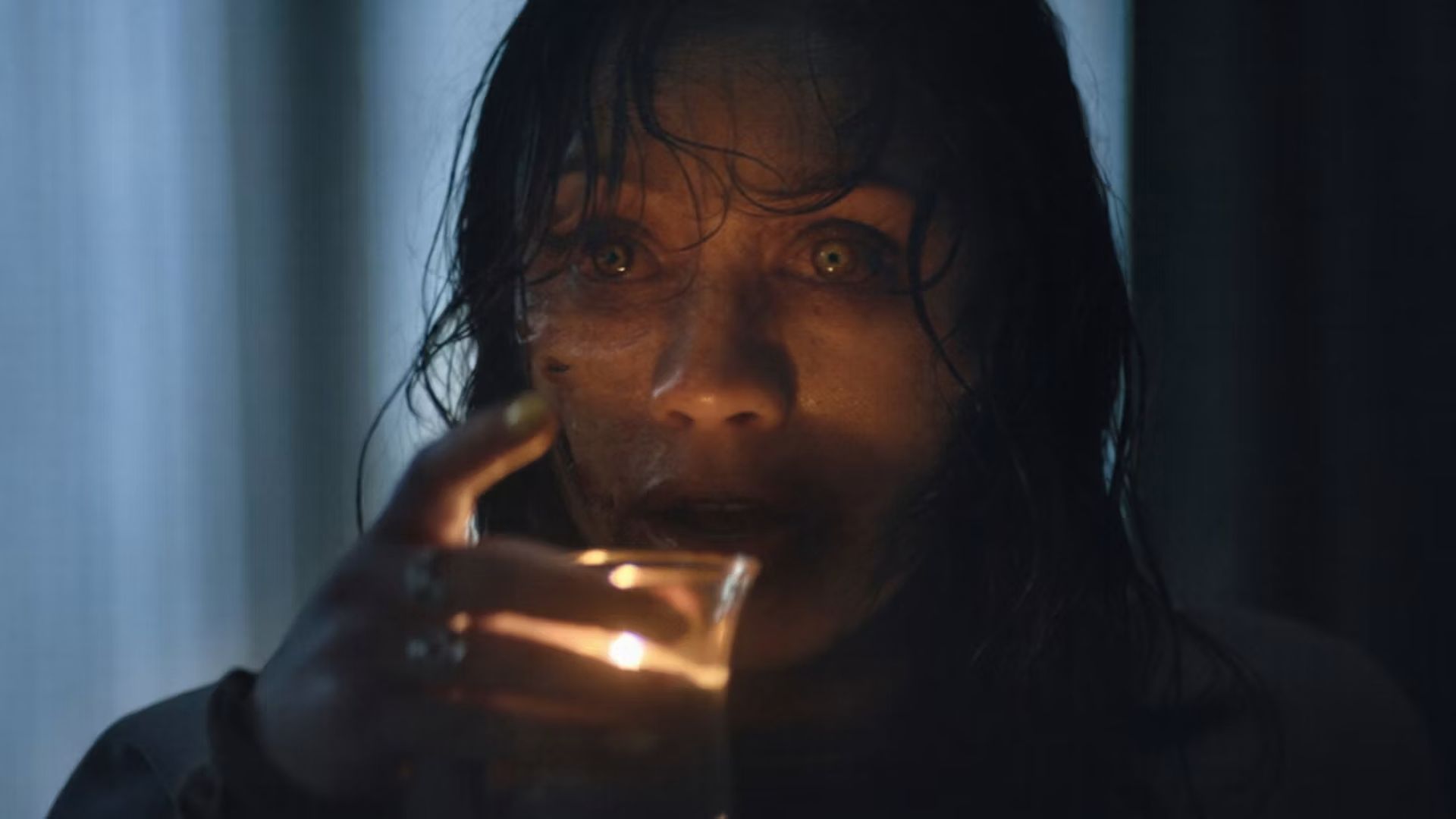
For 45 years, the Evil Dead franchise has consistently delivered high-quality horror while still evolving its style and mood. The sixth film, Evil Dead Burn, continues this trend by honoring what fans love about the series but also giving new directors a chance to add their own creative touch, keeping it fresh after all these years.
Thanks to its enduring popularity, The Evil Dead franchise continues to thrive, and Evil Dead Burn delivers some of the most gruesome and violent scenes yet. However, the latest film from director Sébastien Vaniček introduces a surprising shift that, while subtle, hints at a potential new direction for future movies in the series.
Evil Dead Burn Made A Major Change to the Horror Franchise
You can always count on a few things in an Evil Dead movie: plenty of blood, hordes of demonic creatures called Deadites, and the terrifying incantations from the Necronomicon. A lone hero battling the undead with a chainsaw is also essential—and it’s become one of the most recognizable elements of the series, especially when you think of Ash Williams.
The newest Evil Dead film takes some significant departures from earlier installments. Similar to Evil Dead Rise, it’s more serious and graphic than the campier, slapstick-focused films of the past. Interestingly, the iconic Necronomicon doesn’t actually appear – instead, a detailed, handwritten journal containing its contents is prominently featured right from the start. Perhaps most surprisingly, this particularly gruesome movie by Sébastien Vaniček largely avoids the chainsaw action that fans have come to expect.
Since the second half of the original Evil Dead, a bright red, powerful chainsaw has been a defining element of this surprisingly enduring horror series. As the movies continued, the chainsaw naturally became more and more central, evolving from a key part of the first film to a signature weapon of the franchise. Recent installments, like the 2013 Evil Dead and Evil Dead Rise, have continued this tradition, using the sound of the chainsaw to create exciting moments for fans – a signal that the real horror is about to begin.
Okay, so about Evil Dead Burn – it does have a power tool front and center, just like you’d expect from an Evil Dead flick. It’s first shown in the shed, naturally, but here’s the twist: it’s not a chainsaw! It’s a weed wacker. The dad, Edgar, is struggling to get it started early on, and the movie really focuses on the blades, hinting that this thing is going to cause some serious trouble later. Honestly, swapping the chainsaw for a weed wacker felt…weird. It was surprising, a little confusing, definitely interesting, but also a tiny bit of a letdown. I mean, it’s the chainsaw, you know?
While facing off against either a weed whacker or a chainsaw would be a bad idea, a chainsaw simply looks more intimidating and dangerous. The long handle and awkward shape of a weed whacker don’t have the same visual impact as a powerful chainsaw. However, weed whackers – and everyday objects in general – are easier to find, which makes them perfect for creative horror. The Evil Dead movies are known for turning ordinary household items into weapons, and Evil Dead Burn follows that tradition brilliantly. Things like car headrests, dishwasher forks, pens, and even burning candles are used for shocking violence. A weed whacker is just another common item transformed into a tool of torture against both the living and the undead.
The movie deserves credit for doing something different by featuring a weed wacker as a weapon. While chainsaws are common in horror – think The Evil Dead, High Tension (which heavily influenced this film), and many others – weed whackers haven’t been used much on screen. Though the weed wacker is undeniably violent when it appears in Evil Dead Burn and gets the job done, it’s not particularly unique. Its impact comes from being a surprising substitute for the typical chainsaw, and that substitution feels intentional.
A quick glimpse of an unused chainsaw appears during the movie’s intense climax, likely as a nod to longtime fans. Evil Dead Burn often walks a fine line between paying tribute to the comedic horror roots of the series and forging its own uniquely gruesome path. This balance might explain some of its choices. Director Vaniček clearly wants to create something that stands out, which is welcome after Evil Dead Rise. While Rise was a solid entry in the franchise, it didn’t really break new ground – aside from changing the location to an apartment building – and ended up feeling somewhat unremarkable.
The Future Of This Freaky Franchise is Unforetold
Although Evil Dead Burn is a separate story within The Evil Dead franchise, it isn’t the end of the series. A new film, Evil Dead Wrath, directed by Francis Galluppi (known for The Last Stop in Yuma County), is scheduled to be released in April 2028. Plus, two scenes after the credits roll hint that a struggling character from Burn and a key figure from Evil Dead Rise will appear in future movies. However, because Burn hasn’t performed well at the box office so far, upcoming films beyond Wrath are uncertain.
As of today, Evil Dead Burn has earned over $30 million worldwide. With a budget of around $20 million, the sixth film in The Evil Dead series is expected to at least make back its costs. However, compared to the success of the 2013 Evil Dead reboot which made nearly $100 million, Burn‘s performance could be considered underwhelming for a franchise that usually earns significant profits.
Despite the positive reception to previous films, horror movies are always vulnerable to becoming too common and losing appeal. The latest installment, Evil Dead Burn, is noticeably darker and more brutal than earlier entries, which has proven challenging for some viewers—even fans. Its release during a busy summer movie season also doesn’t help, especially compared to the successful April releases of the 2013 remake and Evil Dead Rise. The fact that the next film, Evil Dead Wrath, is scheduled for an April launch suggests it might perform better in a less competitive environment.
Look, Warner Bros. seems a bit hesitant about where to take Evil Dead after this latest installment, and honestly, it’s tough to say what the future holds for the series. But I’ve really enjoyed seeing Sam Raimi and Rob Tapert give new filmmakers a chance with this franchise – it’s cool how they’re helping launch careers, just like Evil Dead did for Raimi himself! This time around, handing things over to director Sébastien Vaniček has resulted in a film that leans heavily into the gritty, intense style of French extreme horror from the 2000s. That’s interesting, but it also means we should expect some big changes to what we know and love about Evil Dead – think less Necronomicon and chainsaw, maybe? It’ll be a different kind of ride, that’s for sure.
2026-07-23 19:09