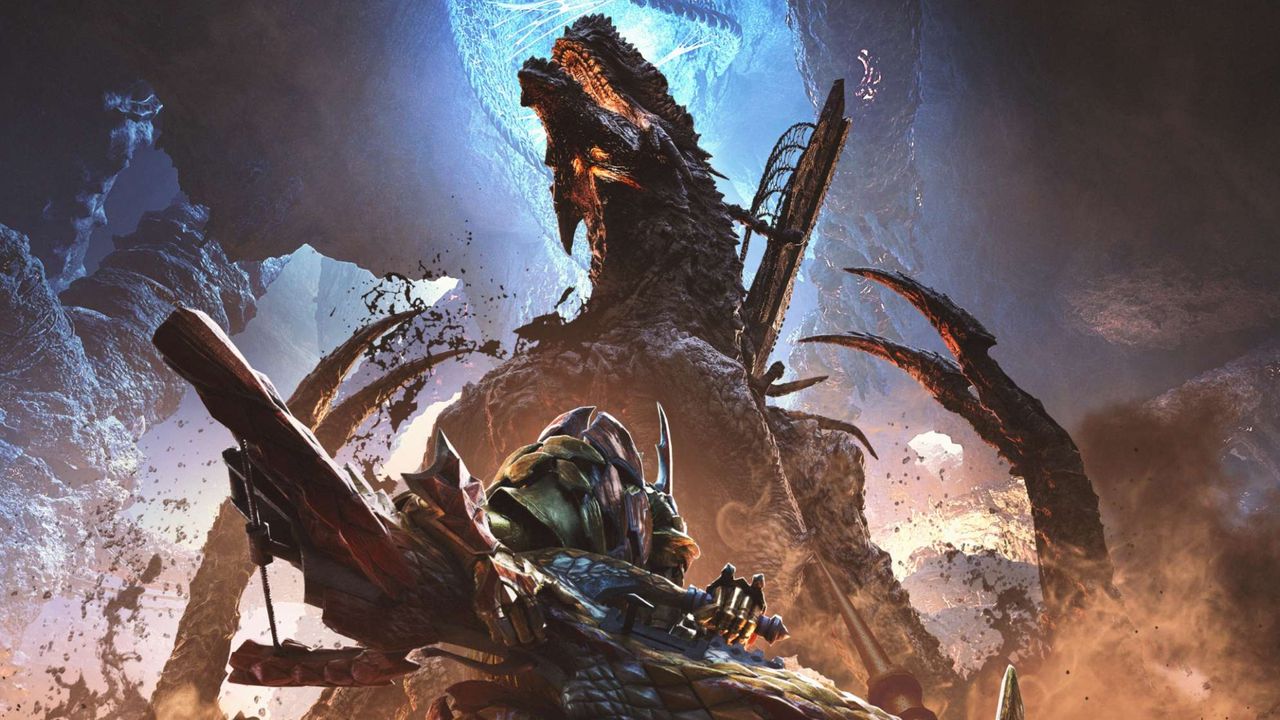
Capcom timed the release of Monster Hunter Wilds perfectly. The previous game, Monster Hunter World, had already made the series incredibly popular worldwide, and players were clearly eager for challenging, detailed combat and character customization, as evidenced by the success of Elden Ring. This proved true at launch, with Monster Hunter Wilds selling 8 million copies in just three days – Capcom’s fastest-selling launch ever.
After ten months, the reception to Monster Hunter Wilds is quite different than at launch. It currently has a ‘Mixed’ rating on Steam, and has often been rated ‘Mostly Negative’ due to ongoing and worsening performance problems. Sales dropped sharply by July, and when it was revealed that the game went from 10 million launch sales to under 500,000 in just three months, Capcom’s stock price fell as a result.
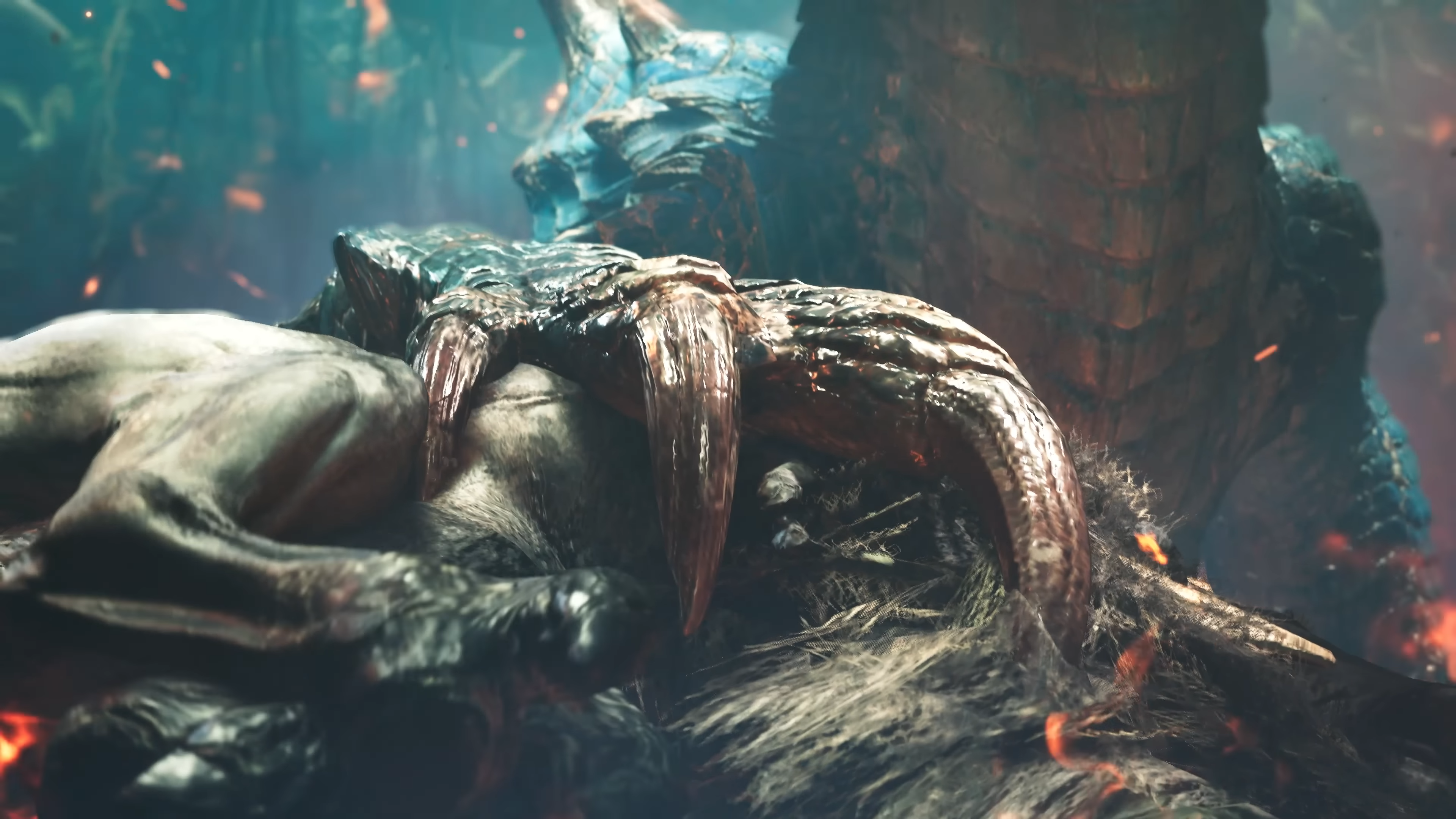
In December 2024, Kaname Fujioka, the art and executive director of Wilds, explained that the game was designed to broaden the Monster Hunter fanbase and establish it as a major, widely-popular series alongside Capcom’s Street Fighter and Resident Evil. So why has the game been plagued by technical problems, unnecessary in-app purchases, and a weakening of what makes Monster Hunter unique?
In 2025, Capcom saw Monster Hunter as its best opportunity for continued success and expansion.
Capcom consistently aims to increase its yearly operating profits by at least 10%. They’ve successfully met this goal every year since 2015, and now present it as a guaranteed outcome in their financial reports – almost as if it’s a natural law. They fully expect to continue this growth.
Capcom’s investors and leadership have a consistent track record of success. However, as 2024 went on, the company began to fall short of those expectations.
Necessary losses
Capcom had a very successful 2023, continuing a long streak of profitability and achieving record-breaking game sales, largely thanks to the popular launch of Street Fighter 6. However, as they moved into 2024, sales slowed down due to fewer major game releases.
While Dragon’s Dogma 2 launched in March 2024, it didn’t achieve huge sales numbers. Similarly, Kunitsu-Gami: Path of the Goddess, released in July 2024 to positive reviews, didn’t generate much excitement. Capcom’s investors even questioned why Kunitsu-Gami wasn’t more heavily promoted to boost sales during a July 2025 earnings call.
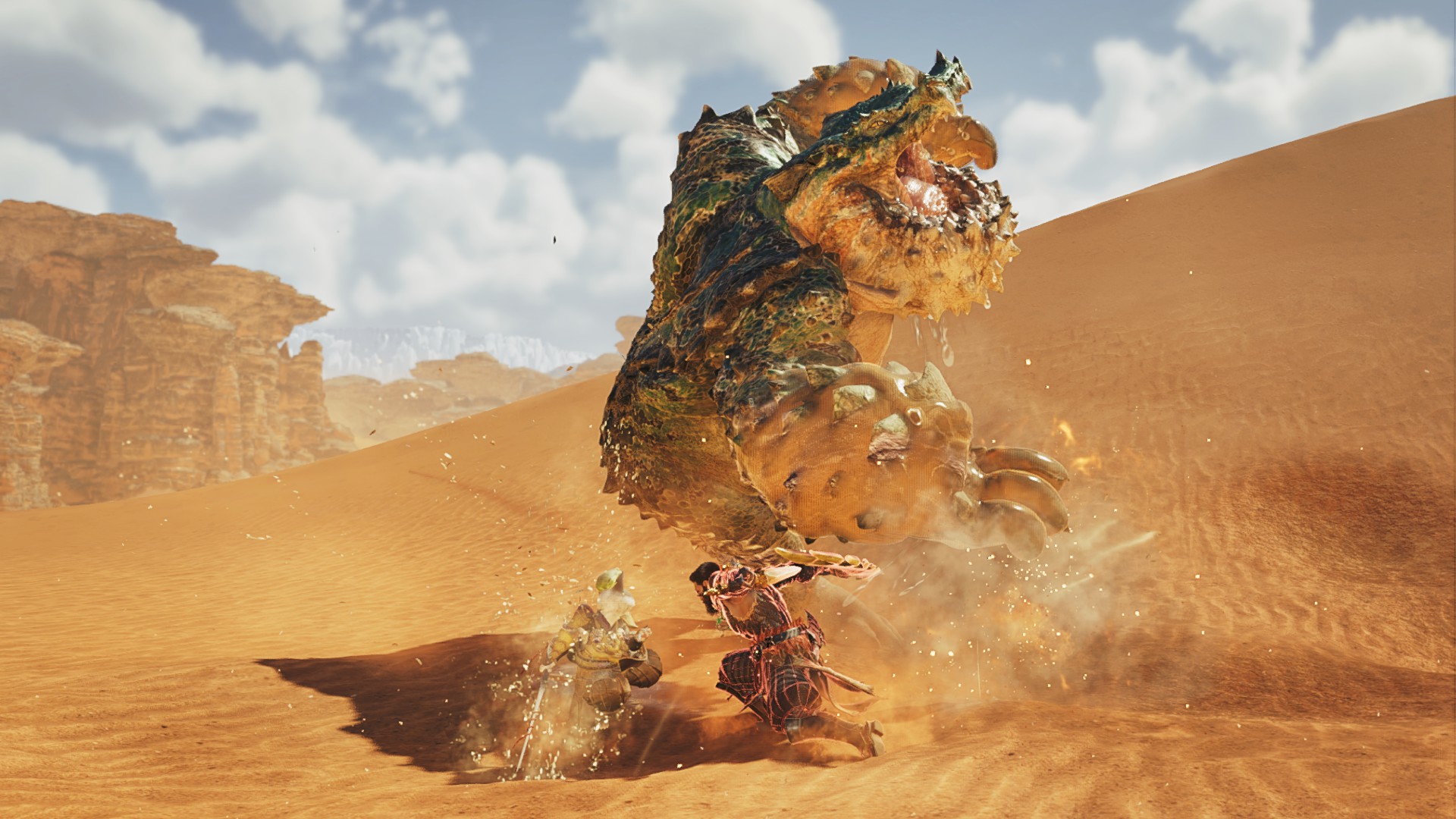
Capcom probably reserved that marketing budget for a major release they couldn’t risk failing. By October 2024, their sales had dropped almost 25% compared to the previous year, and profits were down nearly 40%. However, in January 2025, Capcom assured investors these losses were anticipated and that they still expected to see revenue and profit increase overall. They believed the launch of ‘Wilds’ later in the year would more than make up for the earlier decline.
It’s unclear if Capcom worried before the game’s release about how badly Wilds would run on PCs, or if the larger areas and changing seasons would make the hunts feel less meaningful. They may also have questioned if simplifying the game and making it easier would ultimately create a frustratingly difficult experience.
It was critical that Wilds launched on schedule. A delay would have ended Capcom’s ten-year run of consistent growth and resulted in a significant financial loss. The company was counting on Wilds to turn things around, as it was their only hope. They had put all their eggs in one basket, believing continued growth was essential.
When we first reviewed Wilds in February, we said the combat felt better than in any previous Monster Hunter game. However, over the past year, it’s become clear the game hasn’t lived up to its potential. It’s taken Capcom 10 months to begin addressing the significant performance issues, and even now, major improvements to how the game handles details at a distance won’t arrive until February.
Meanwhile, Capcom never slowed its effort to squeeze a little extra revenue from those millions of launch customers. Wilds’ microtransaction catalogue now lists 190 items, totaling almost $500 of potential cosmetic purchases—and I’m not even counting the $75 soundtrack.
As a huge Monster Hunter fan, I’m really disappointed to see the series seemingly pushed aside for a quick profit. It’s not that Monster Hunter Wilds looks bad, but I always knew this would happen as the series gained popularity – eventually, it would be treated more like a business opportunity than a passion project.
Read More
- Clash Royale Best Boss Bandit Champion decks
- Vampire’s Fall 2 redeem codes and how to use them (June 2025)
- M7 Pass Event Guide: All you need to know
- Mobile Legends January 2026 Leaks: Upcoming new skins, heroes, events and more
- Clash Royale Furnace Evolution best decks guide
- Clash of Clans January 2026: List of Weekly Events, Challenges, and Rewards
- Best Arena 9 Decks in Clast Royale
- Brawl Stars Steampunk Brawl Pass brings Steampunk Stu and Steampunk Gale skins, along with chromas
- How “Hey Grok” turned X’s AI into a sexualized free-for-all
- World Eternal Online promo codes and how to use them (September 2025)
2026-01-05 18:04