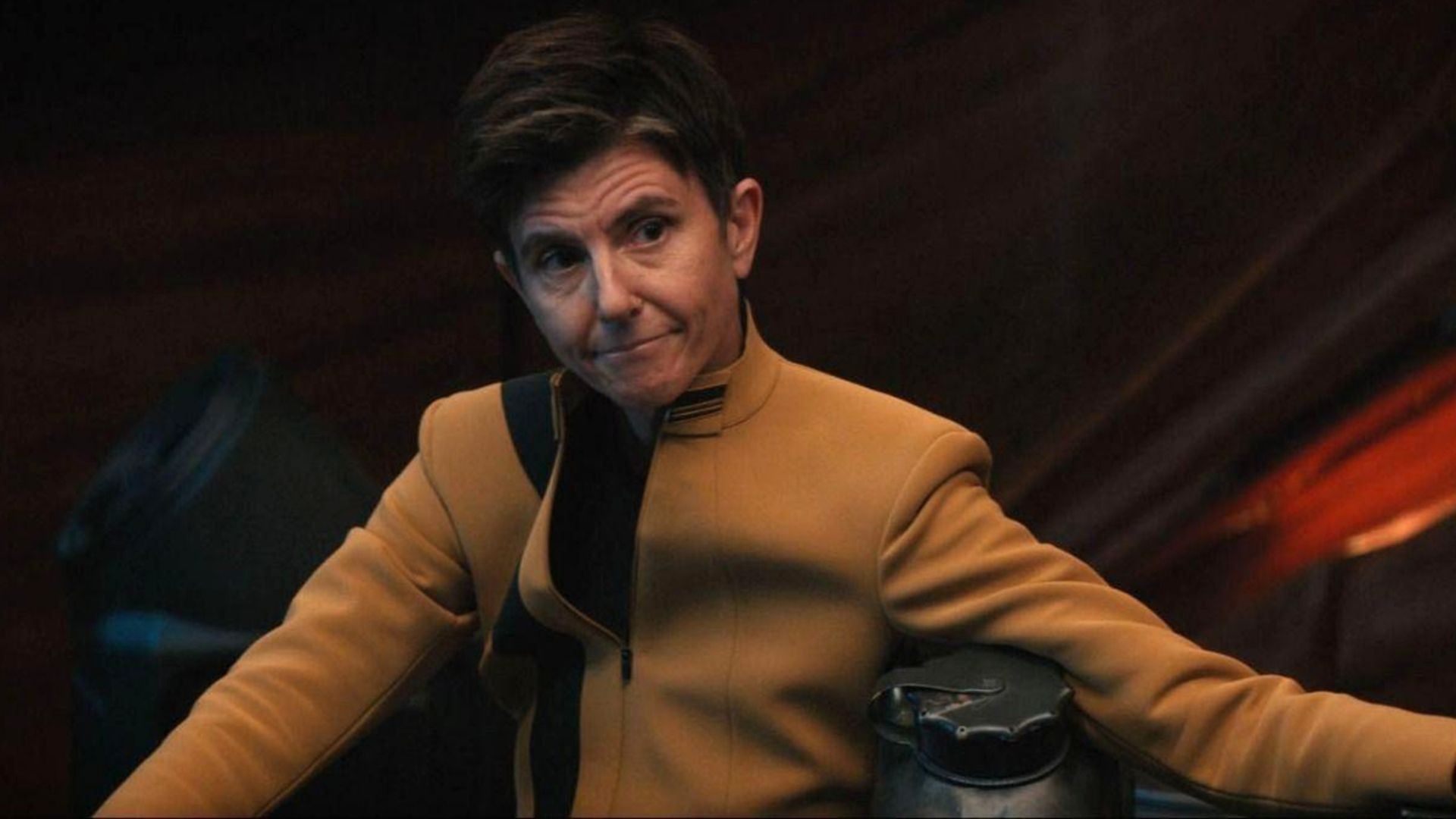
Star Trek: Discovery revitalized the entire franchise and kept it relevant for ten years. Created by Bryan Fuller and Alex Kurtzman, it was the first new Star Trek television series in over a decade, following the cancellation of Star Trek: Enterprise in 2005. Throughout its five seasons, Discovery brought a unique and transformative energy to the Star Trek universe, unlike any other series on Paramount+.
Initially, Star Trek: Discovery was intended to be a series of unrelated stories. However, after the show’s original creator, Bryan Fuller, left the project, it was reimagined as a prequel taking place in the 23rd century. Fitting Discovery into the timeline just ten years before Star Trek: The Original Series proved difficult, as did other choices, such as drastically changing the look of the Klingons and introducing futuristic technology like the USS Discovery’s spore drive that felt out of place.
Whether you loved it or hated it, Star Trek: Discovery definitely shook things up. Its main goal was to redefine Star Trek for a modern audience. By bringing the look and feel of J.J. Abrams’ Star Trek films to the streaming world, Discovery often felt like a rebellious attempt to reinvent the series, which many longtime fans resisted.
Despite its challenges, Star Trek: Discovery was a groundbreaking show. Its biggest risk—setting the story far in the future—paved the way for a whole new era of Star Trek series and movies.
Star Trek: Discovery Split Itself Between Two Eras In Star Trek’s Timeline
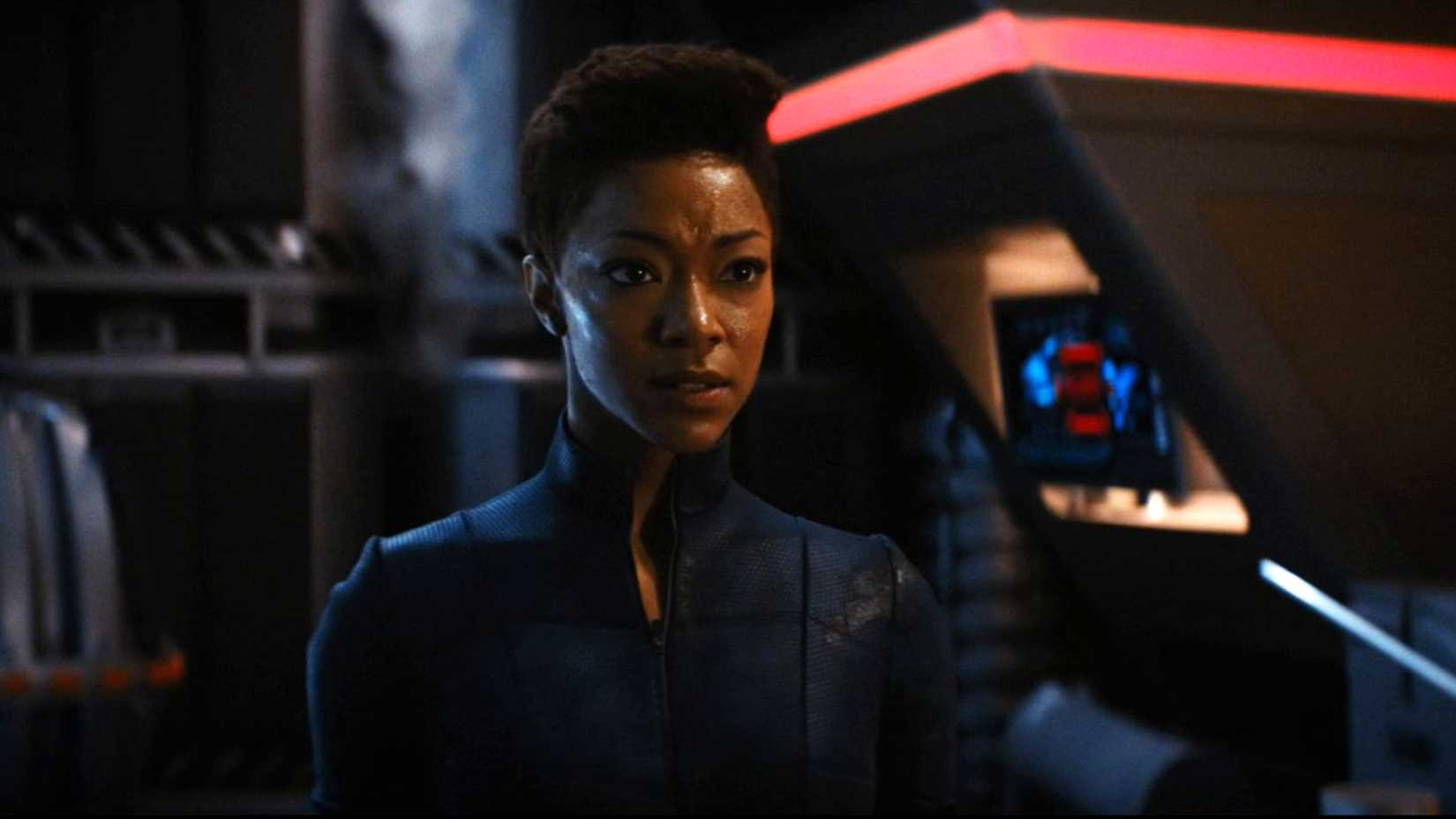
The second season of Star Trek: Discovery took a bold step no other Star Trek show had before: it moved its story 930 years into the future. By resolving the Red Angel plot, Commander Michael Burnham and the USS Discovery left the 23rd century behind for good, launching the series into the 32nd century – the furthest point in Star Trek‘s established thousand-year history.
Previous Star Trek shows, both before and after Discovery, consistently followed the established timeline for their specific era. While time travel often appeared in Star Trek, the main characters and their starships always returned to their original time. Star Trek: Discovery broke this pattern by moving beyond the 23rd century and never revisiting it.
As a big fan of Star Trek: Discovery, I have to say the show really changed after its first two seasons. Those early years were all about a ship constantly in crisis, jumping from one captain to another, and Burnham’s crew always seemed to be searching for what they were really fighting for. But when the show jumped to the 32nd century, the Discovery itself felt different – like it finally found its true purpose.
Following the devastating event known as The Burn, the USS Discovery represented a hopeful era for Starfleet and the struggling United Federation of Planets. With Michael Burnham taking command, the ship found its footing, and the series Star Trek: Discovery itself became more stable.
In the final seasons of Star Trek: Discovery, Captain Burnham and the USS Discovery consistently rose to the occasion, acting as the Federation’s primary heroes. From making first contact with new civilizations in distant galaxies to locating the lost technology of the Progenitors, they overcame every challenge and established themselves as the saviors of the Federation.
How Discovery Saved Star Trek’s TV Franchise
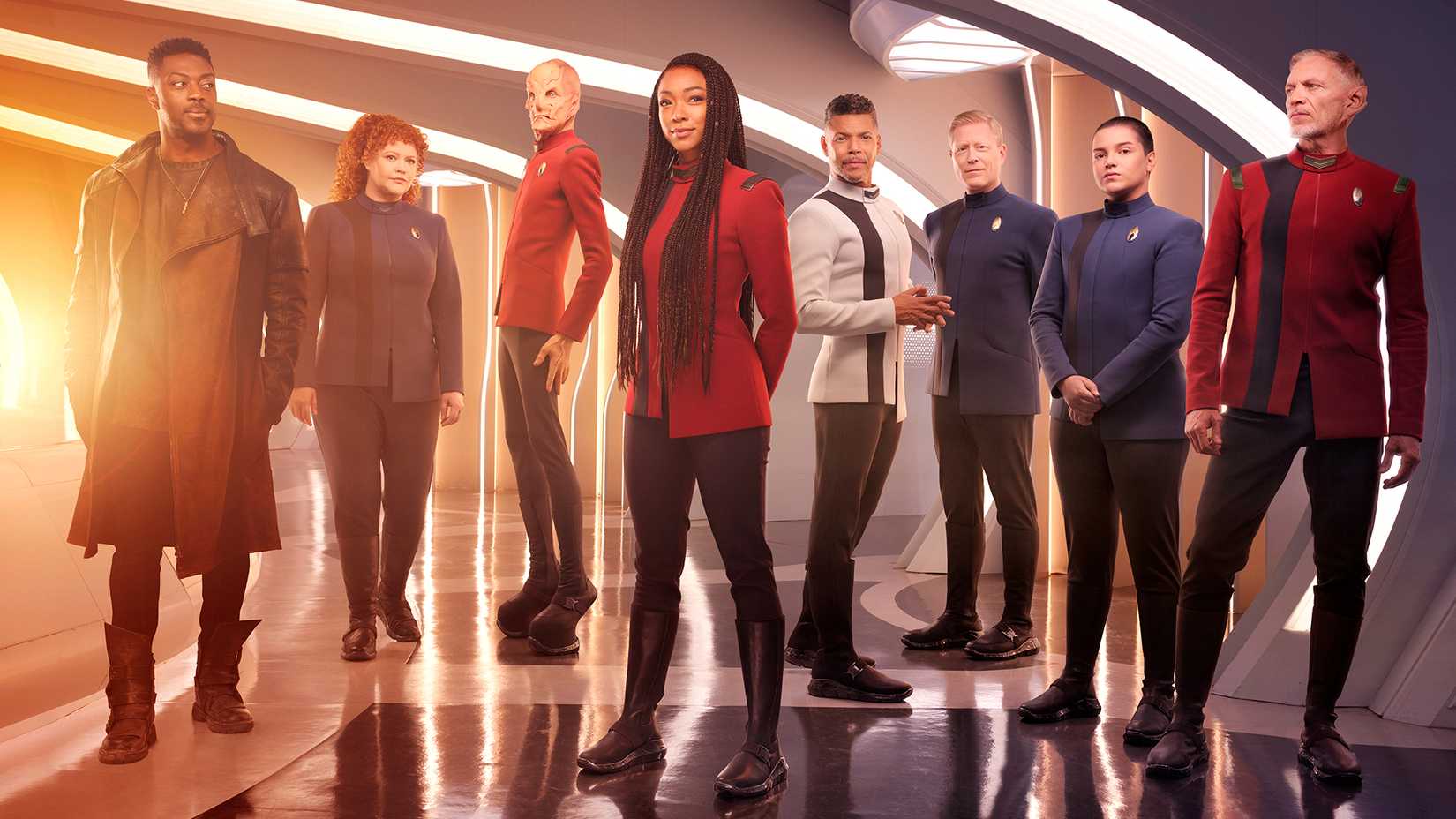
Star Trek: Discovery paved the way for the recent wave of Star Trek shows, and it also took the heat for them. While it faced its own share of debate from the start, Discovery served as the main Star Trek series on Paramount+ and shouldered much of the criticism directed at Alex Kurtzman’s vision for the franchise during its five-year run from 2017 to 2024.
I’ve been thinking about the Star Trek universe lately, and it’s interesting how Discovery seemed to take the brunt of the criticism. Even though Picard‘s first couple of seasons weren’t huge hits – and season three, with the Next Generation crew back together, was much better received – a lot of the negativity still seemed to be directed at Discovery. It was like as long as Discovery was on the air, it absorbed most of the heat, leaving the other shows somewhat shielded.
Despite its mixed reception, Star Trek: Discovery led to the creation of Star Trek: Strange New Worlds, which has become the most beloved series under Alex Kurtzman’s leadership. It’s easy to overlook how quickly Anson Mount’s Captain Pike, Rebecca Romijn’s Number One, and Ethan Peck’s Spock gained a dedicated following – fans immediately loved them and even started petitions for their own show, which finally happened in 2022.
After Star Trek: Discovery moved beyond the 23rd century, Star Trek: Strange New Worlds continued the tradition, bringing back the show’s original episodic format and updating the classic Star Trek sense of hope for today’s viewers. The conclusion of Discovery also paved the way for Star Trek: Starfleet Academy, which follows a new generation of cadets and carries that optimistic spirit into the future.
Like other Star Trek shows such as Deep Space Nine, Voyager, and Enterprise, Star Trek: Discovery didn’t immediately win over all fans when it first aired. However, just like previous Star Trek series, Discovery will likely be appreciated more over time, attract new viewers, and eventually be recognized for its impressive achievements.
Read More
- These Cartoon Reboots Totally Missed the Point of the Originals (& Went Downhill Fast)
- Gold Rate Forecast
- Total Football free codes and how to redeem them (March 2026)
- Netflix’s Best Stranger Things Replacement Officially Takes America By Storm
- Zenless Zone Zero version 2.8 ‘New: Eridan Sunset’ update will release on May 6, 2026
- 6 Animated Movie Trilogies Where Every Entry Is Near-Perfect
- $292M KelpDAO Exploit: LayerZero Uncovers Single-Verifier Flaw in Massive Hack
- Top 5 Best New Mobile Games to play in May 2026
- Maggie Smith’s sons “deeply touched” by huge honour to the late “national treasure”
- STARBUCKS STAND by BEAMS Channels Kenyan Coffee Heritage Into Its Latest Spring/Summer Wardrobe
2026-04-19 15:09