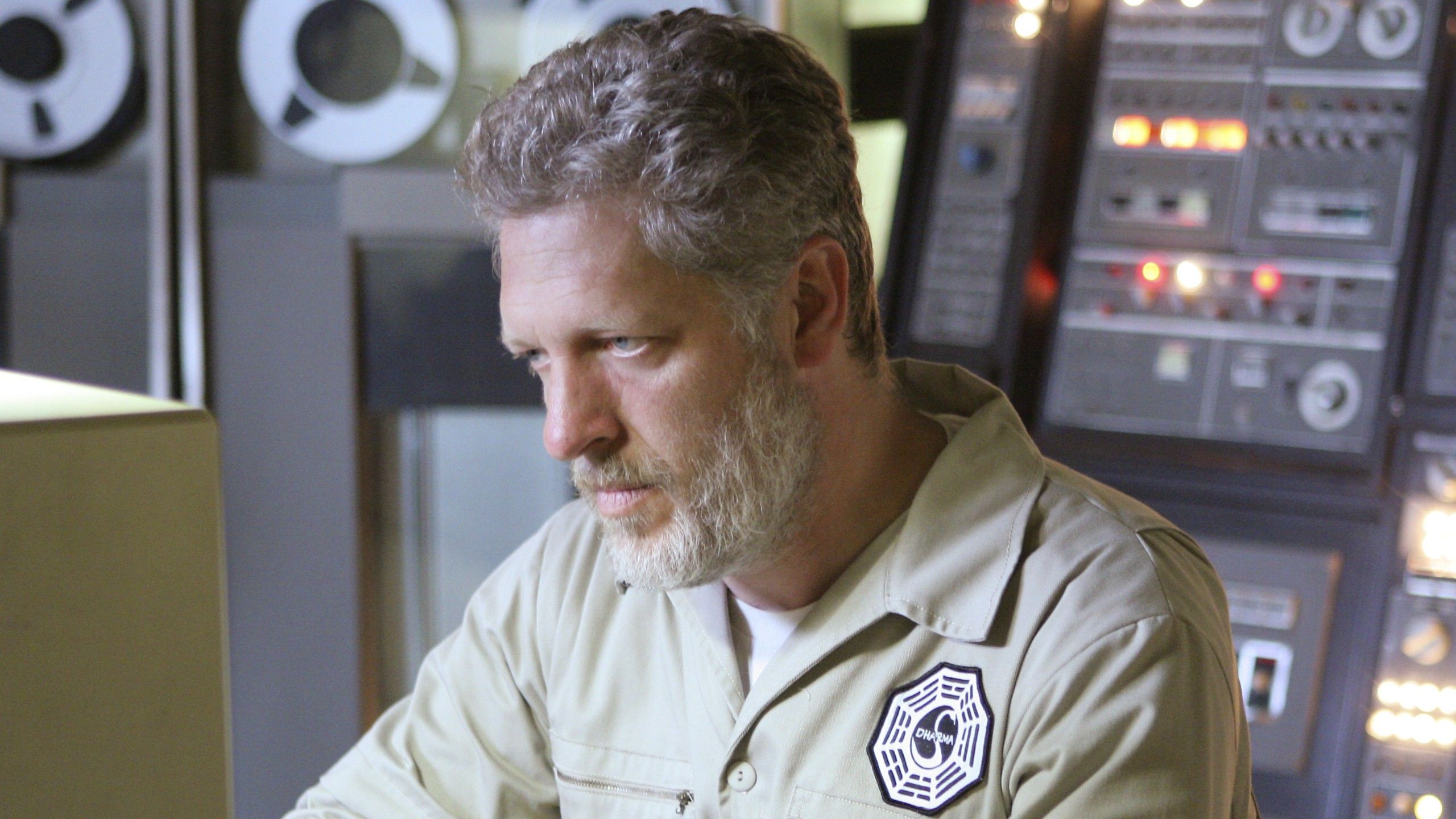
More than 20 years after its debut on ABC, Lost continues to influence television. The show was a groundbreaking mystery series that arrived at a pivotal moment for TV dramas. With its innovative storytelling and format, it significantly contributed to the rise of what many consider a new golden age of television.
Unlike typical science fiction shows, Lost intentionally kept viewers guessing each week, but that’s what made it so captivating. It was unique in how it got people talking – you couldn’t go to work or a bar without hearing discussions about the show’s mysteries. Lost inspired a huge number of fan theories and lively online arguments.
As a huge movie and TV fan, I really think Lost was a game-changer. It completely shook up how television shows were made – all the old rules about how networks did things, how episodes were structured, even when they aired, suddenly felt outdated. It’s amazing to look back now and see how influential it was. The creators, Damon Lindelof and J.J. Abrams, are now considered some of the best in the business, and you can still see the impact of Lost in everything they do. It really left a lasting mark on the whole industry.
The most memorable episodes of Lost weren’t just exciting to watch—they marked a turning point for television. The show’s best stories, surprising twists, and character development showed how a strong creative vision could become the standard for TV, instead of being something unusual.
Lost Changed The Way We Consume Television
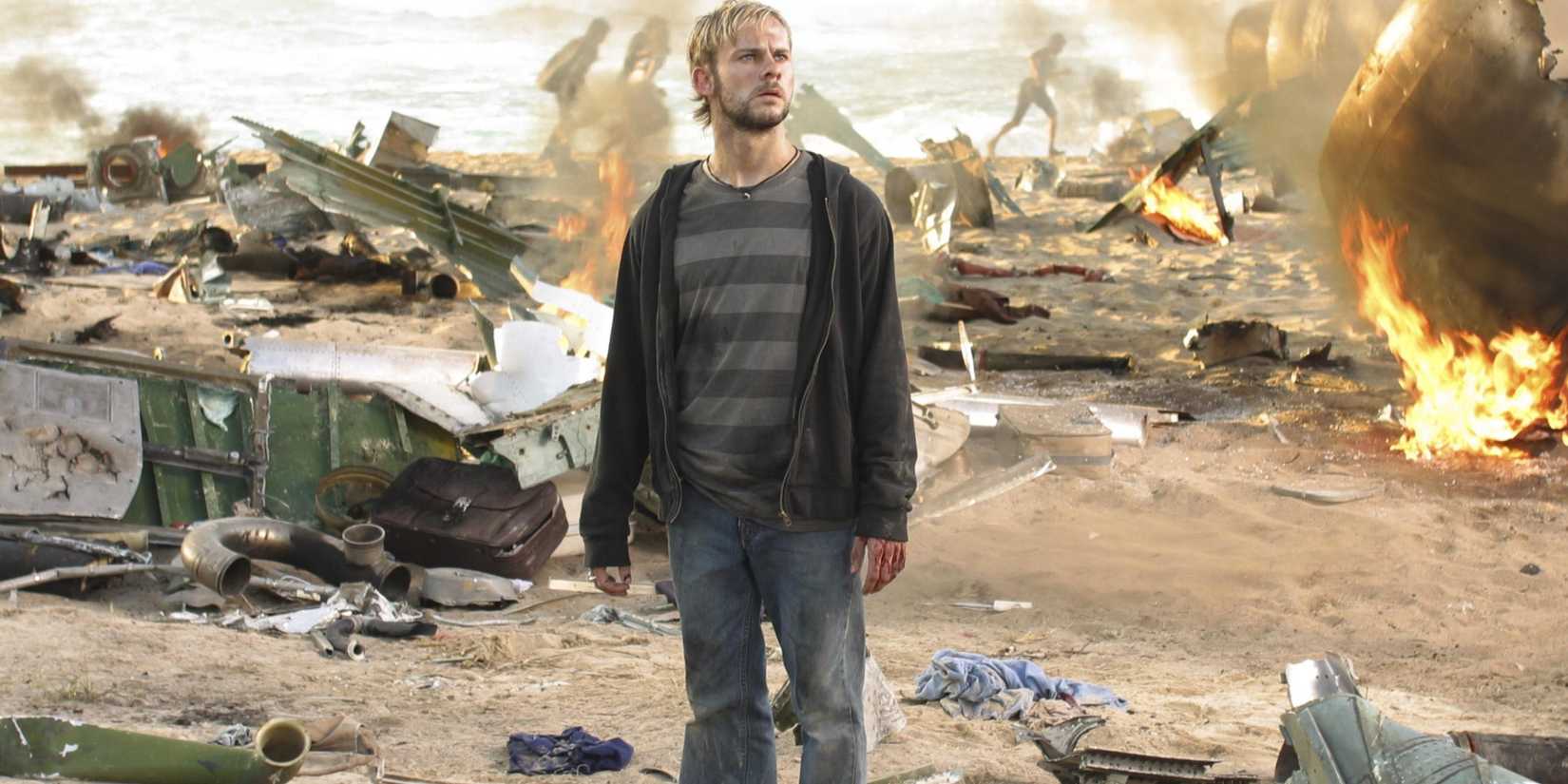
For six seasons, Lost was a groundbreaking drama that redefined what television could achieve. Though not the very first show of its kind to prioritize artistic vision, it was the most ambitious and impactful series of its time to challenge traditional TV storytelling conventions.
In 2004, most TV dramas still told complete stories within each episode, following a classic three-part structure. But Lost changed everything, weaving together episodes to create one big, complicated story that unfolded over time.
Instead of simply ending a story segment or creating forced suspense, the pauses between episodes of Lost allowed the show to build a complex web of storylines. The writers could introduce plot points and revisit them later, challenging viewers to keep track of everything and piece it all together.
The appeal of Lost wasn’t about providing simple answers; it was about captivating its audience by challenging them. The show didn’t just want viewers to watch—it wanted them to actively participate, debating the mysteries with the characters on screen, the show’s creators, and each other.
Damon Lindelof & Carlton Cuse Introduced The Multi-Season Plan To Network TV
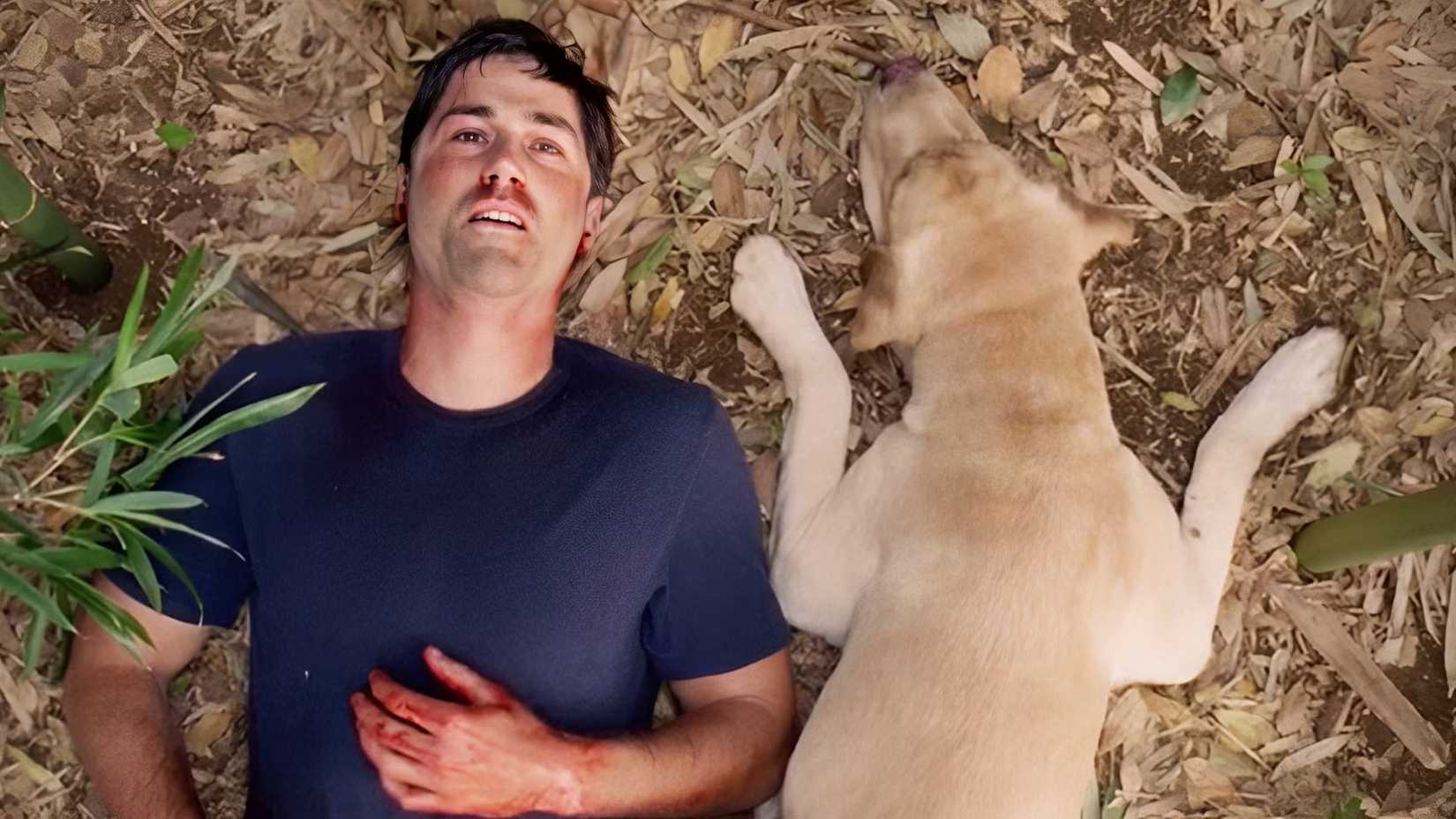
One of the core ideas behind the TV show Lost was to keep it relatively short. While creators Damon Lindelof, J.J. Abrams, and Jeffrey Lieber might not have had the entire story planned out from the start, they agreed that knowing when to end the show was more important than keeping it on the air as long as possible for the network, ABC.
From the beginning, Lindelof and Carlton Cuse, the showrunner, were firm about not extending Lost beyond their planned number of seasons. Even as the show became a huge hit and network executives pushed for more episodes, the creative team stuck to their original vision and wouldn’t compromise.
Originally, the creators of Lost planned for it to last three seasons. However, they ultimately extended it to six because, as the writing progressed, the third season didn’t feel like a satisfying conclusion to the story. The decision to continue wasn’t based on ratings or business needs, but purely on what the story needed.
The creators of Lost became known for sticking to their original vision for the show’s length. This approach—planning a complex story that unfolded over multiple seasons—was groundbreaking at the time. Instead of telling stories that reset each season, they created a larger, continuous narrative, paving the way for the even more ambitious TV storytelling that became popular in the 2010s.
Lost’s Communal Viewing Experience Paved The Way For Streaming
 ABC (via MoviesStillsDb)
The TV show Lost, with its complex, unfolding plot that jumped across different timelines and seasons, essentially paved the way for the high-quality, serialized dramas we now see on streaming services. The show’s creators, Damon Lindelof and Carlton Cuse, developed a format that proved to be a particularly good fit for how people watch TV on streaming platforms, even more so than traditional networks.
Without the pressure of traditional TV schedules, creators of shows designed for smaller screens had much more freedom to tell their stories as they saw fit. Viewers, in turn, could choose how many episodes to watch at once.
New streaming services such as Netflix, Amazon Prime Video, and Apple TV were eager to fund projects by up-and-coming filmmakers and creators. At that time, these platforms were trying to establish themselves as real competitors to traditional television networks, and they prioritized high-quality content over simply producing a large volume of shows and movies.
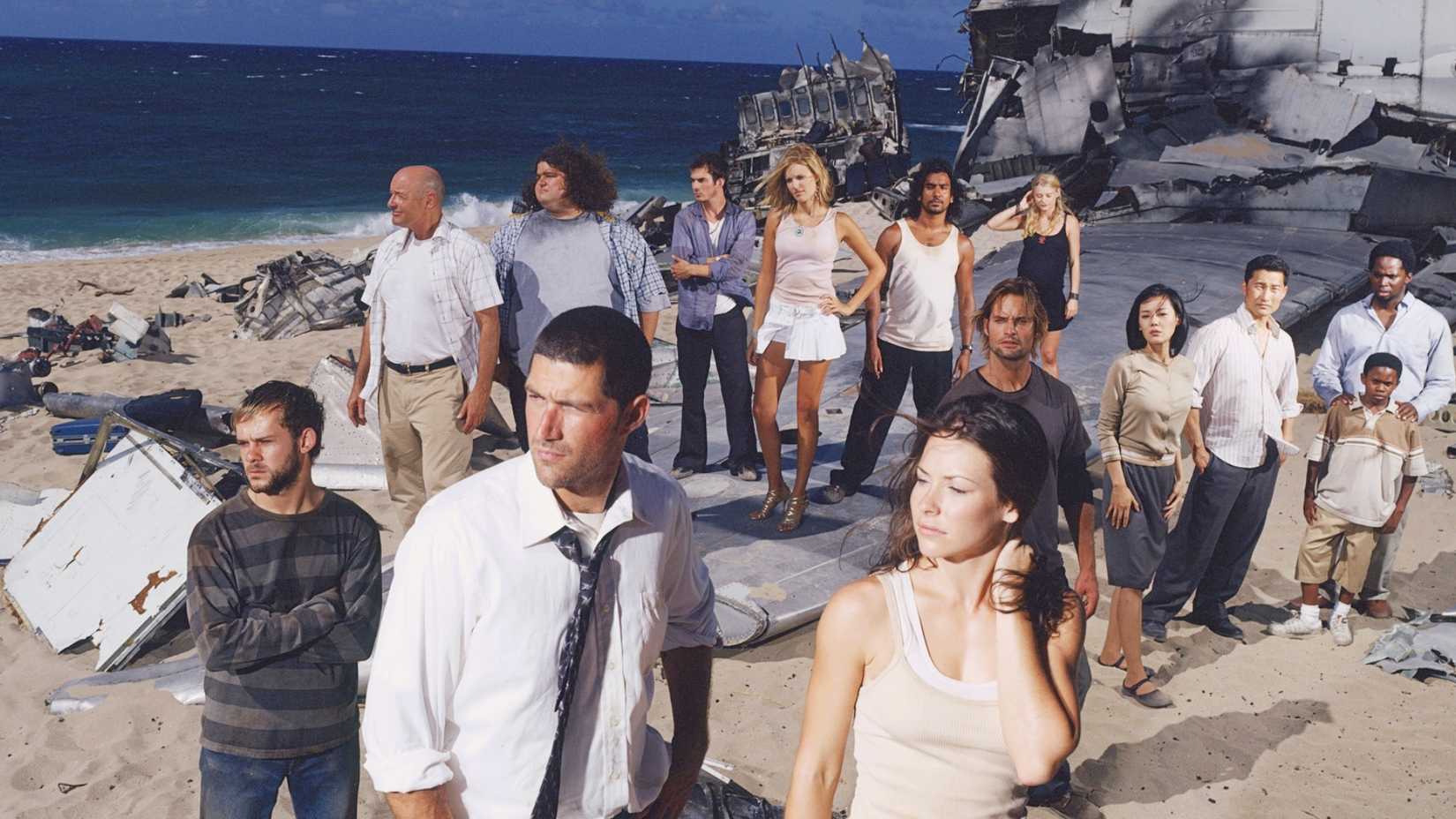
Beyond its storytelling, Lost helped create the way we watch TV today. It sparked widespread conversations – around the office, with friends, and online – about the show’s mysteries and characters like Jack, Kate, and Sawyer, essentially paving the way for the binge-watching and immediate discussion culture we now experience.
For many millennials, Lost was the show that first got them hooked on watching TV obsessively. That habit of watching multiple episodes at once quickly became popular with the rise of streaming services and a whole new wave of binge-worthy shows.
Prestige TV Franchises Started With Lost
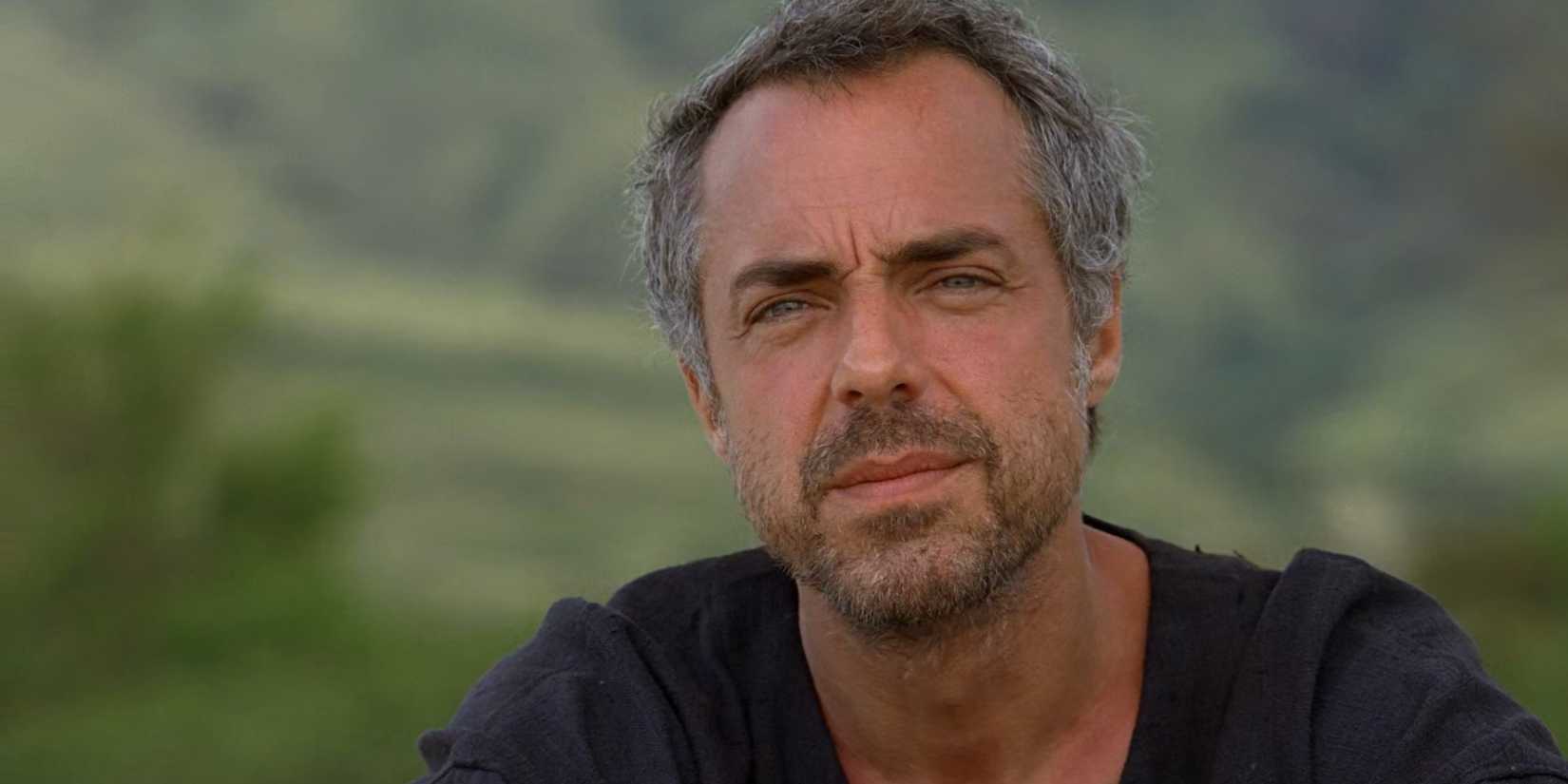
Beyond being a compelling show, Lost was the first major TV drama of the 2000s to fully utilize the potential of a larger franchise. The unforgettable opening scene immediately captivated millions of viewers, hinting at a story that could extend far beyond the television screen.
While shows like The Sopranos, Band of Brothers, Hill Street Blues, Lonesome Dove, and Twin Peaks paved the way for high-quality, critically acclaimed television, this show didn’t originate that trend. What it did do was leverage its success as a prestige series to create a much larger franchise with various related media.
The show inspired three book adaptations, an online game, a series of short web episodes, several video games, and a wide range of related products. Shows like Stranger Things now follow the example set by Lost, proving that a captivating and mysterious TV drama can become a hugely successful franchise.
Read More
- The Division Resurgence Best Weapon Guide: Tier List, Gear Breakdown, and Farming Guide
- Kagurabachi Chapter 118 Release Date, Time & Where to Read Manga
- Last Furry: Survival redeem codes and how to use them (April 2026)
- Clash of Clans Sound of Clash Event for April 2026: Details, How to Progress, Rewards and more
- Guild of Monster Girls redeem codes and how to use them (April 2026)
- All Mobile Games (Android and iOS) releasing in April 2026
- Wuthering Waves Hiyuki Build Guide: Why should you pull, pre-farm, best build, and more
- Gold Rate Forecast
- GearPaw Defenders redeem codes and how to use them (April 2026)
- ‘Project Hail Mary’s Soundtrack: Every Song & When It Plays
2026-02-28 23:50