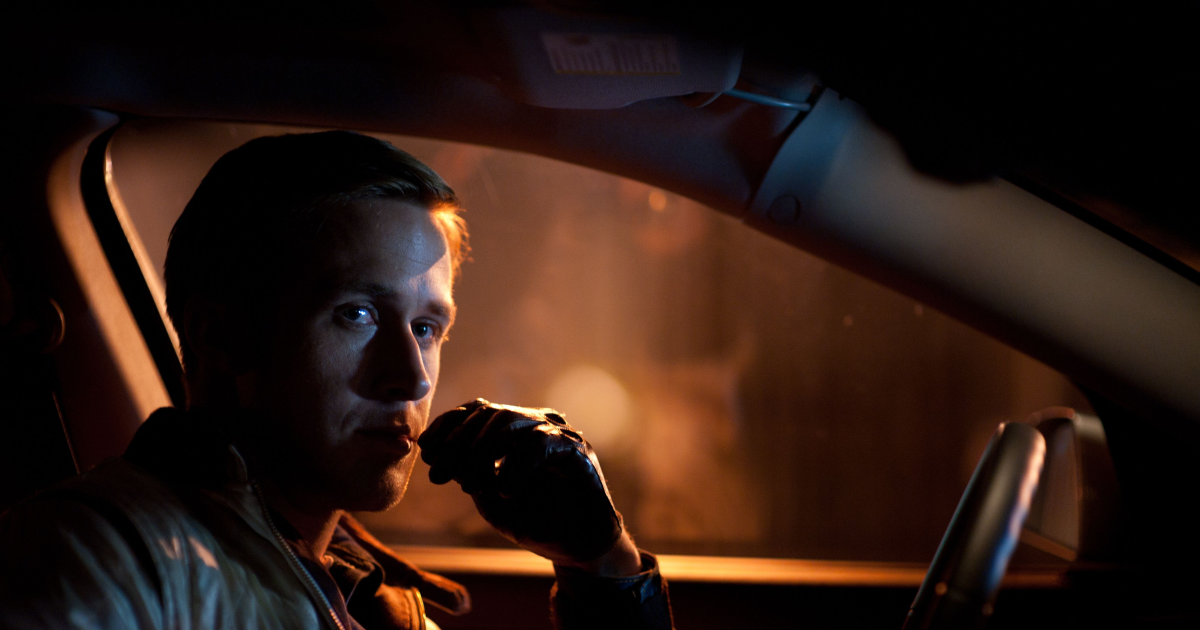
Danish director Nicolas Winding Refn is known for being both surprisingly unpredictable and wonderfully entertaining. He’s a bit of a showman and a bit of a rebel, and his films are visually striking and atmospheric, often blending intense violence with moments of unexpected beauty. He gained widespread recognition with his 2011 film “Drive,” starring Ryan Gosling, which won him an award at the Cannes Film Festival.
The film beautifully captures the allure of nighttime drives through Los Angeles and quickly became a beloved local favorite. “Drive” marks Nicolas Winding Refn’s American debut, starring Ryan Gosling as an enigmatic loner who leads a double life: he’s a mechanic and stunt driver during the day, and a getaway driver for criminals at night. His carefully ordered life is disrupted when he connects with his kind but troubled neighbor (Carey Mulligan) and her child, leading to unexpected consequences as their lives intertwine.


Movies
The 101 best Los Angeles movies, ranked
We’ve compiled a list of 101 fantastic movies that capture the spirit of Los Angeles. It’s a diverse collection, featuring classics like “Chinatown,” fun favorites such as “Clueless,” and modern hits including “Blade Runner,” “Mulholland Drive,” “Heat,” “Pulp Fiction,” “The Big Lebowski,” and “La La Land.”
After focusing on streaming shows like “Too Old to Die Young” (Amazon) and “Copenhagen Cowboy” (Netflix) for nearly ten years, Nicolas Winding Refn is back with a new movie. His latest film, the horror-fantasy “Her Private Hell,” featuring Sophie Thatcher and Charles Melton, comes out this weekend.
Director Nicolas Winding Refn is in town to promote his new film and will also be at the American Cinematheque’s Los Feliz Theatre on Friday night for a special 15th-anniversary showing of his movie “Drive.” While the event is sold out, a stand-by line will be available. Refn, age 55, recently spoke from Los Angeles about the surprising success of “Drive” and the unusual inspirations behind it.

When the film first came out, it became a huge part of the culture – everyone loved the music and even started wearing the iconic scorpion jacket. I’m curious, what do you think drew people to it?
Nicolas Winding Refn explains he doesn’t try to analyze why things happen – it was simply a fortunate combination of many elements aligning perfectly. He believes dissecting that experience would ruin the magic of it, as it was an unplanned and unpredictable collision of factors. Ultimately, he feels incredibly lucky it all came together.
Many viewers found “Drive” to be significantly more romantic than your previous films. When you were making it, did you intentionally aim for that kind of romantic feel?
Nicolas Refn describes his film ‘Drive’ as being inspired by classic teen romances, specifically recalling how much the movie ‘Sixteen Candles‘ affected him when he was a young teenager. He wanted to capture that same feeling of innocent first love with his own work.

When people mention the movie “Drive,” they usually think of gritty action films like “The Driver,” “Thief,” or “Point Blank.” However, if you’re talking about feeling driven—about motivation and desire—you might actually think of romantic comedies like “Sixteen Candles” or “Pretty Woman.” That contrast is what makes the film so interesting.
I always feel like you have to push yourself creatively and explore different approaches. After making films like “Bronson” and “Valhalla Rising,” which focused on characters with dual identities, I saw “Drive” as a natural continuation of that exploration. While people might expect you to repeat past successes, I didn’t focus on that. I simply approached “Drive” as a love story.
You’ve spoken about how connected you and Ryan Gosling felt at that time. Where did that come from?
We were young and full of strong feelings, each of us wanting a way to express them. That’s why it felt so natural for the actor to embody a version of myself – almost like an extension of who I am.
You’ve said you want to make a third movie together. Do you have something specific in mind?
As a film buff, I’ve been following Nicolas Winding Refn’s work for a while, and he recently shared something fascinating. He and his team always discuss working in ‘threes’ – basically, creating a trilogy. He feels it’s a great way to define a beginning, a strong middle, and a satisfying conclusion. He strongly hinted that they’ve definitely got at least one more film planned as part of this ongoing project, which is exciting news for anyone who loves his style!
The film presents a unique view of Los Angeles, showcasing locations like warehouses in the Valley and hidden back alleys downtown. You hadn’t lived in the city for very long when it was filmed. What were your impressions of L.A. as portrayed in “Drive”?
I didn’t know Los Angeles at all. As someone who naturally observes things – maybe even fixates on details – seeing a new place as an outsider allows you to find beauty in everyday scenes and familiar sights. Even after repeatedly encountering the same streets, you can reimagine them. What feels ordinary to locals might seem extraordinary to me simply because of my perspective, and that’s what makes it interesting.
For each of my projects – “The Neon Demon,” then “Too Old to Die Young” – I ended up living in different parts of Los Angeles. That’s because L.A. is my favorite city to work in; it offers incredible variety, a vibrant culture, and fascinating people. There’s something about its iconic imagery that feels dreamlike, and I truly enjoy working here.
Your film “Drive” could have easily opened doors to a conventional Hollywood career path, but you seemed to choose a different direction. What led you to that decision?
I didn’t follow a traditional path because I value my freedom above all else. I simply enjoy living life on my own terms. I’ve had positive experiences and worked in good environments, but ultimately, they felt too restrictive. I needed the freedom to explore different opportunities and live life without limitations.

What’s striking about rewatching “Drive” is its stillness and the frequent, quiet moments where Ryan and Carey simply share glances. The film lets those pauses linger. You’ve really leaned into that technique even further in “Her Private Hell.” What are you trying to convey through those silent spaces?
Nicolas Refn believes you can deeply move people through quiet moments and silence. In his film ‘Drive,’ he achieved this with a simple, pure depiction of love – that initial, innocent connection where two people fall for each other just by being present and feeling a connection, before the complexities of a relationship develop. He felt this required a unique, expansive visual style for the film.
After that, I started thinking about creating something more than just a display – I wanted to build an experience that really moved people. To me, a truly great experience is like visiting places or encountering things that get under your skin, stick with you long after, and spark something inside – whether it’s joy, anger, or inspiration. It’s about impact, not whether something is ‘good’ or ‘bad’. Those labels just don’t seem to matter when you’re aiming for something truly affecting.
What do you think when someone approaches you now in a “Drive” scorpion jacket?
Refn: I think it’s super cool.
2026-07-23 22:34