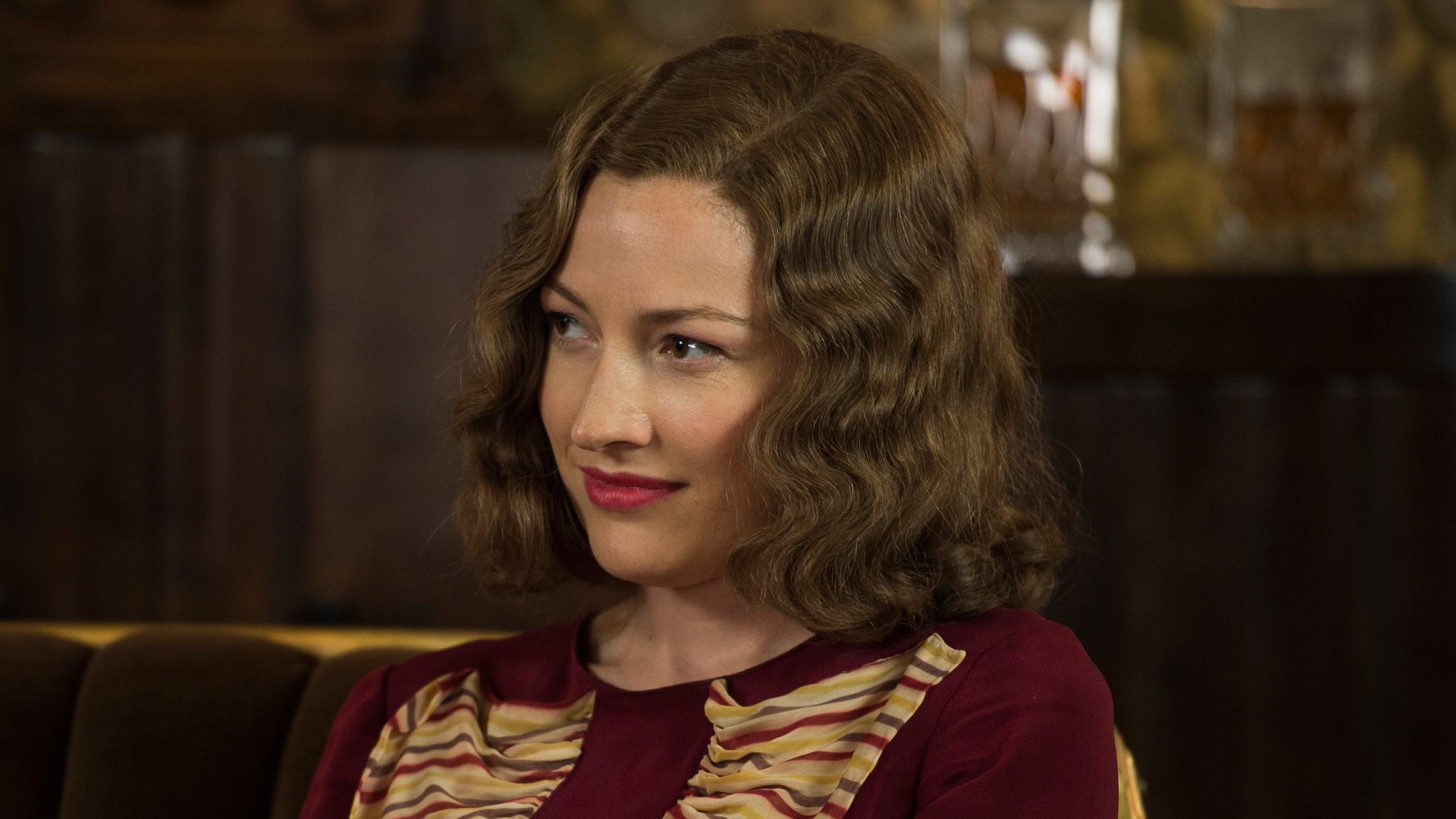
One standout HBO series successfully combined the styles of The Godfather and Peaky Blinders, delivering a truly exceptional take on the gangster genre for television. Certain types of stories work better on TV and streaming platforms than others, and their popularity can also come and go. For example, Westerns were incredibly popular when television first became widespread in the 1950s and 60s, but the genre never fully recovered after its popularity declined in the 1970s.
Although shows like Yellowstone and Deadwood have found recent success and critical praise, they don’t compare to the popularity of classic Westerns like The Lone Ranger and Bonanza. The same is true for gangster shows: while they existed before the late 1990s, HBO’s The Sopranos completely changed the landscape of the genre on television. Shows like Weeds, Lilyhammer, Breaking Bad, and Sons of Anarchy, as well as more recent series from Taylor Sheridan like Tulsa King and Mayor of Kingstown, all took inspiration from The Sopranos‘ unique approach to portraying criminals with surprising depth and understanding.
Shows like Netflix’s Peaky Blinders have continued a trend of making even criminals seem sympathetic, perhaps even more so than The Sopranos did. Before that, HBO’s Boardwalk Empire—a show that didn’t get enough attention—demonstrated that classic gangster stories, similar to The Godfather, could be successful on television. Boardwalk Empire was based on Nelson Johnson’s 2002 book of the same name and told the story of Enoch “Nucky” Thompson’s rise to power and eventual downfall.
Where Boardwalk Empire Ranks Among The Great Gangster TV Shows

With a standout performance by Steve Buscemi as the complex Nucky, Boardwalk Empire tells the story of Atlantic City’s treasurer during the 1920s and 30s. The show depicts Nucky’s efforts to maintain a fragile peace between the city’s rival criminal groups. Set during Prohibition, Boardwalk Empire offers a broad look at the era, featuring not only the gangsters and politicians Nucky deals with, but also the federal agents trying to bring him down, the everyday citizens he serves, and even famous historical figures like Al Capone.
Unlike The Sopranos, which focused on the everyday lives of gangsters, Boardwalk Empire takes a wider look at how organized crime and politics intertwined to shape America’s history. It’s similar in scope to shows like The Wire or Game of Thrones, focusing on broader systems rather than individual criminals. Think of it as a historical drama like House of the Dragon but without the fantasy elements, rather than a character study like Breaking Bad.
Boardwalk Empire Is Remarkably Consistent Across Its Run (Even The Finale)
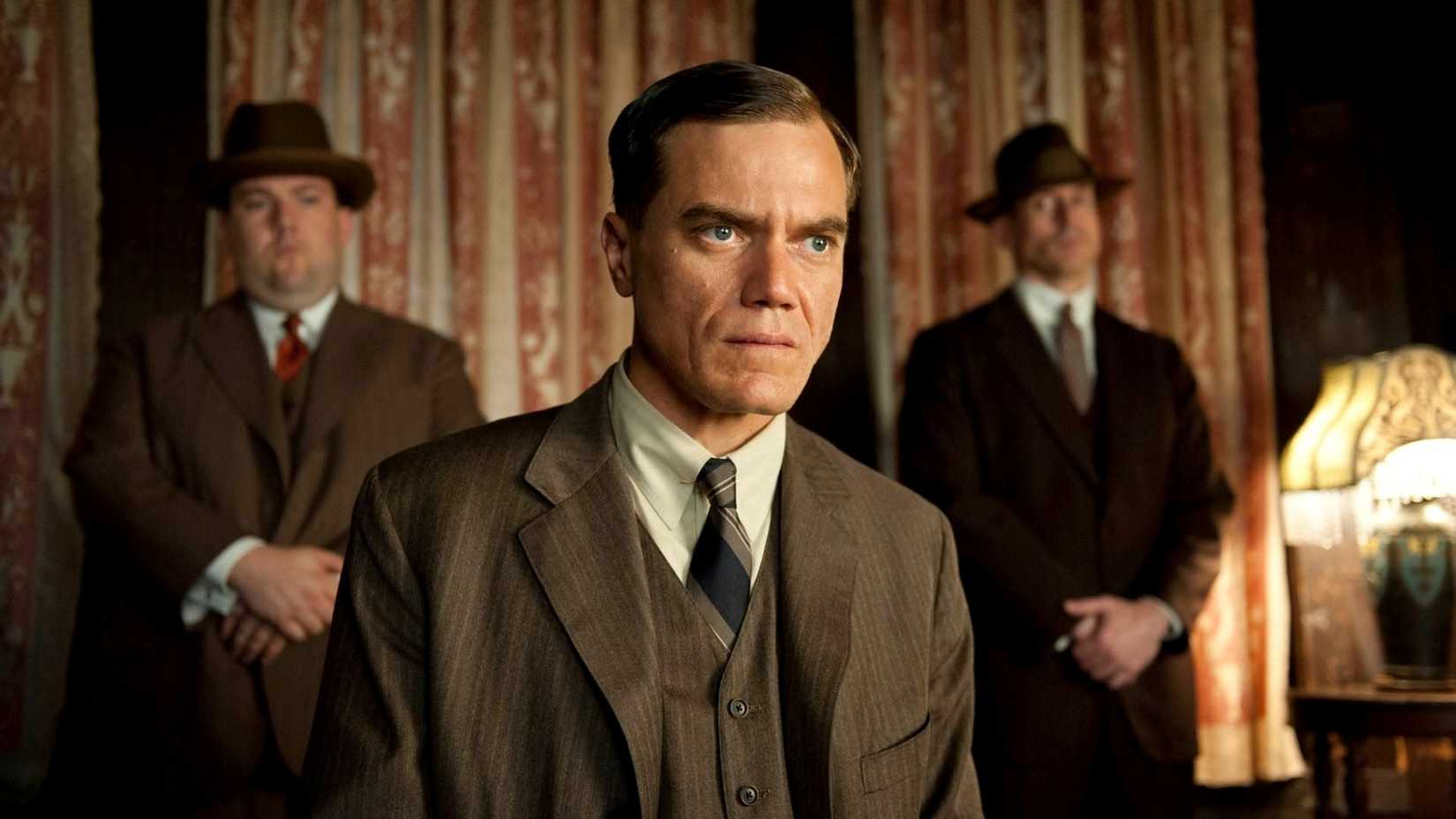
This is actually a strength of Boardwalk Empire. The show consistently delivers a compelling story without feeling repetitive, thanks to fresh faces, new perspectives on Atlantic City’s criminal world, and the introduction of historical events each season. Similar to shows like Peaky Blinders and films like The Godfather, it weaves real history into the story of its main crime boss, while also showing the complex morality of its characters.
Unlike The Sopranos, which explored Tony’s inner life through therapy, Boardwalk Empire lets Nucky’s choices define him. While Peaky Blinders eventually turned its characters into legends, Boardwalk Empire offers a harsher, more realistic portrayal. Its characters, even the hero, are capable of terrible acts, and the show sometimes reaches a level of darkness unusual for gangster stories—comparable to films like the recent Killers of the Flower Moon.
Boardwalk Empire isn’t just a thrilling gangster show; it truly draws you into the lives of its criminal characters. These complex antiheroes feel incredibly real, and their stories are often as emotionally affecting as the most powerful moments from shows like The Sopranos, The Godfather, or Peaky Blinders.
2026-05-27 00:48