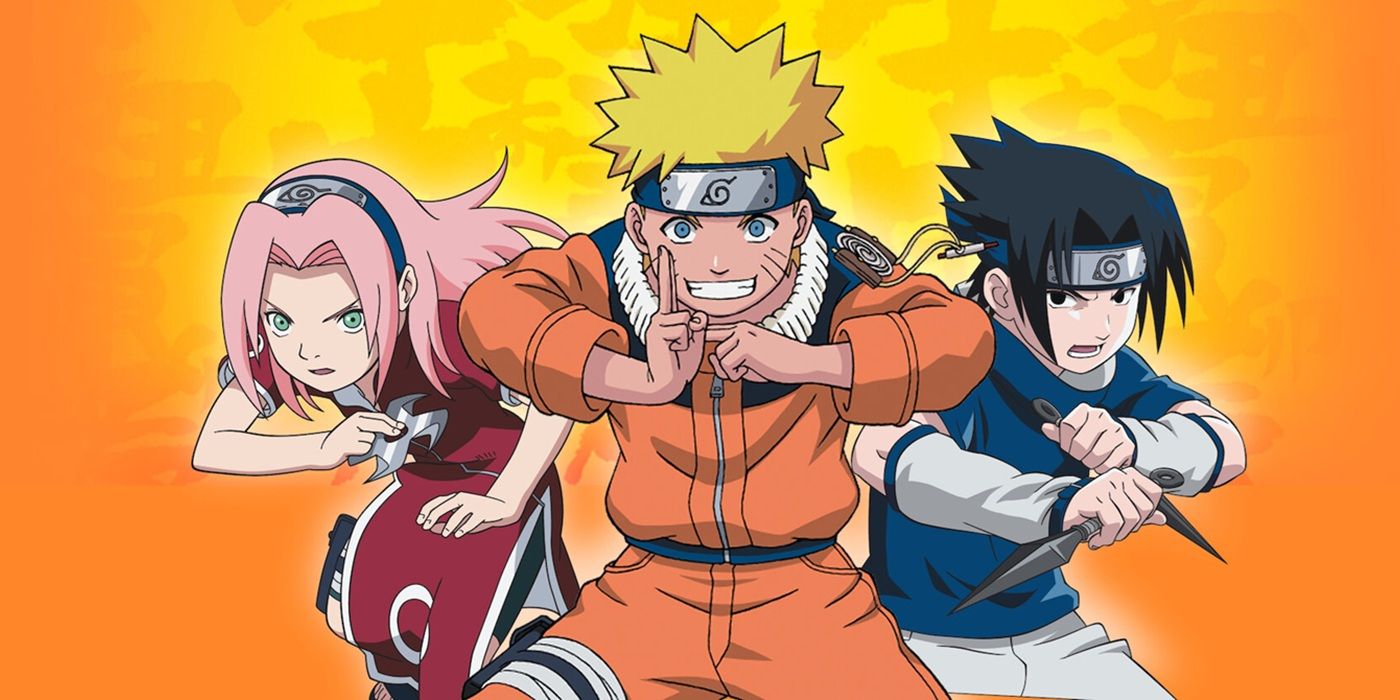
Though it finished airing in 2007, Naruto has remained a constant presence in pop culture. Masashi Kishimoto’s popular anime has become so influential that for the past twenty years, creators of all kinds have been including nods to the series – everything from quick, subtle jokes to full-on homages and character imitations.
Everyone agrees that Naruto had a huge impact on anime and manga. Creator Masashi Kishimoto developed a style so unique and memorable – from the hand seals to the power-ups and even Naruto’s iconic look – that artists and writers in all sorts of different genres continued to borrow and reference it for years after the series finished. It essentially became a visual and emotional shorthand understood by everyone in the industry.
Jujutsu Kaisen Makes Yuji Voice The Audience’s Exact Thought
Both Jujutsu Kaisen and Naruto follow a similar pattern: a main character with a powerful, contained ability, and a teacher-student relationship forged through hardship. Because of this, Yuji Itadori’s reference to the Rasengan feels less like a casual remark and more like a meaningful acknowledgement of these shared themes.
The Rasengan is Naruto’s signature move, and when Yuji mentions it, it shows that Jujutsu Kaisen isn’t trying to ignore Naruto‘s impact. Instead, the series acknowledges that influence, which gives Jujutsu Kaisen a sense of confidence and originality instead of feeling like a copy.
Assassination Classroom Uses Koro-Sensei To Crown Naruto The Ultimate Teacher Fantasy
The sight of Koro-Sensei sporting a Hidden Leaf headband and even drawing Naruto’s whisker marks is a particularly meaningful nod to another series. Assassination Classroom revolves around a uniquely gifted and incredibly hard-to-kill teacher who deeply cares for his students – a quality embodied by characters like Kakashi, Iruka, and ultimately Naruto throughout the thirty-year history of Naruto.
The lines on Naruto’s face clearly remind us of his connection to the Nine-Tailed Fox and the difficult past he endured. Koro-Sensei faces a similar struggle, as both characters are condemned to die because of their own immense power. Despite this, they both dedicate their remaining time to nurturing and teaching the next generation.
One Piece Chapter 766’s Cover Art Turns A Milestone Into A Cross-Series Celebration
The cover art for One Piece has long been a way for creator Eiichiro Oda to showcase his work. The final cover, showing Luffy enjoying ramen with Naruto, was a tribute to the close relationship between Oda and Naruto‘s creator, Kishimoto. Both artists started their careers in Weekly Shonen Jump around the same time and spent years as friendly rivals, competing for the magazine’s most popular spot. This cover celebrates that competition as a bond of brotherhood.
Seeing Luffy enjoy ramen with Naruto is more than just a fun throwback. Ramen represents comfort and normalcy for Naruto, especially in a series filled with fantastical battles. By having Luffy share that meal, the author highlights the similarities between these two heroes – both were kids facing incredible challenges who grew up to become icons for a generation of manga fans.
Gintama Turns The Akatsuki Into A Mirror For Its Own Brand Of Chaos
The naming of the Akatsuki parody group in Gintama as the ‘Bakazuki’ – ‘baka’ being Japanese for idiot or fool – is typical of the series’ clever humor. While the original Akatsuki are defined by their stylish black robes, matching rings, and threatening beliefs, the Bakazuki completely abandon those qualities, replacing them with sheer incompetence.
The Bakazuki are funny because Gintama fans recognize the Akatsuki and notice how the show playfully changes their established traits. This difference between the original group and the parody is what creates the humor. Even if you haven’t seen Naruto, the joke still works thanks to Gintama‘s own unique brand of silliness.
Yu-Gi-Oh! Duel Monsters Hides Naruto Characters In Plain Sight During Episode 187
It’s a long-standing tradition for anime studios to include hidden appearances of characters from other shows as a treat for dedicated fans. A great example is spotting Shikamaru, Choji, and Ino in the audience during episode 187 of Yu-Gi-Oh! Duel Monsters. This kind of detail appeals to the devoted viewers who follow both series, as they both were popular during the same golden age of Weekly Shonen Jump, and the animation teams clearly enjoyed connecting the two shows in this way.
Shikamaru, Choji, and Ino weren’t included in the scene just by chance. As Team 10, they’re the most level-headed and strategic group alongside Naruto, and Shikamaru’s popularity stems from how his clever thinking differs from Naruto’s more impulsive nature. Having these tactical ninja watch a simple card game is a funny and unexpected touch.
Lucky Star Turns The Naruto Run Into A Forensic Debate
The scene in Lucky Star Episode 11 where Konata and Tsukasa seriously discuss how well the ‘Naruto run’ would actually work is a perfect example of Kyoto Animation’s comedic style. Lucky Star was famous for taking things anime fans obsess over and turning them into funny, everyday situations. The ‘Naruto run’ – running with arms pulled back and leaning forward – was a really iconic pose in anime around the early 2000s, and this scene playfully acknowledges that.
The way scenes play out in Lucky Star is important because the show is really about how people react to and enjoy the things they’re passionate about. When Konata and Tsukasa debate the best way to run – quickly or efficiently – they approach it with the same genuine enthusiasm they have for everything else, whether it’s video games, manga, or even just keeping up with new releases.
Spy x Family Uses Damian’s Ninja Signs To Show He Learned From The Best
One of the funniest moments in Spy x Family is when Damian Desmond instinctively throws up a surprisingly effective ninja defense to protect his friends. He uses what looks like a ‘Shadow Clone Technique,’ but it’s clear he’s acting purely out of panic – which makes perfect sense, considering he’s a young boy who’s basically absorbed the energy of a classic action hero just to deal with something as simple as dodgeball.
In the anime Naruto, using hand signs and special techniques, or ‘jutsu,’ demands intense concentration to effectively control one’s power. When Damian performed a playful version of the Shadow Clone Jutsu against Bill Watkins, it hinted he sees the technique as representing strong defense and the bond of brotherhood. This demonstrates how deeply Naruto‘s themes and impact are felt, even in a simple playground scenario.
Himouto! Umaru-chan Puts Naruto’s Jacket In Umaru’s Shrine To Shonen Culture
Umaru Doma’s room clearly reflects her love of otaku culture, so it’s no surprise to see a playful nod to Naruto in Himouto! Umaru-chan – specifically, a parody of Naruto’s iconic orange jacket. The creator of Naruto actually chose orange because it makes a ninja easily visible, meaning the jacket immediately reveals something about Naruto’s character. By including this reference in Umaru’s room, the show demonstrates that she’s a knowledgeable fan of the anime she’s referencing.
The show’s parody style allows Himouto! to playfully nod to Naruto without needing permission – a common way anime series pay tribute to other franchises while avoiding legal issues. It’s a clever technique: the show evokes Naruto through recognizable designs and colors, landing the joke even without mentioning the series by name. This indirect approach is an art form in itself.
Binbougami ga! Goes Further Than Any Other Series By Actually Becoming Naruto
A hilarious moment in Binbougami ga! stands out as one of anime’s best Naruto references: Momiji completely transforms and pretends to perform the Shadow Clone Jutsu. While many shows only include small visual references or mention Naruto by name, Binbougami ga! goes all-in, recreating both Naruto’s look and the hand movements for the jutsu in a single, funny scene.
Momiji’s choice demonstrates a strong understanding of the series and what feels true to its style. Binbougami ga! thrives on increasingly ridiculous situations, and the show’s funniest moments come from using a powerful technique like Naruto’s for something simple or pointless.
Bakuman Treats Naruto Manga Volumes As The Benchmark Every Artist Measures Against
In the manga Bakuman, copies of Naruto aren’t just props on Moritaka Mashiro’s desk—they symbolize a major goal. Bakuman, created by Tsugumi Ohba and Takeshi Obata, focuses on the dream of becoming a successful manga artist. Since Naruto, by Kishimoto, was a hit in the same magazine for fifteen years, it represents the level of success that Mashiro and Takagi are striving for.
Whenever we see Mashiro drawing with Naruto visible nearby, it immediately invites a comparison to a truly iconic manga. Bakuman cleverly recognizes that this kind of pressure – being aware of past successes and wondering if your own work measures up – is a core part of the manga world. By specifically including Naruto in those scenes, the creators of Bakuman are also acknowledging their own influences and the manga that inspired them during their early careers.
The Disastrous Life Of Saiki K. Understands That Shun Kaidou And Naruto Want The Same Thing
Shun Kaidou’s attempts to act like a ninja, complete with hand signs and pretending to gather energy, are a hilarious part of The Disastrous Life of Saiki K. because he genuinely believes in his own delusions. This kind of behavior, where someone pretends to have hidden powers or a special destiny—often called ‘chuunibyou’—became popular among Japanese kids, and the anime Naruto likely played a big role in inspiring it.
At the beginning of the series, Naruto believes in his own potential even when others don’t. Similarly, Saiki K. cleverly uses the character Kaidou’s self-delusions to playfully poke fun at the very type of powerful protagonist that Naruto popularized. This makes the show’s nod to Naruto both appreciative and humorous. While it gently mocks the idea of wish-fulfillment power fantasies, it also makes Kaidou a likable and sympathetic character.
Blood Lad Catches Staz Mid-Transition Between Two Different Eras Of Shonen Ambition
A hilarious moment in Blood Lad shows Staz Charlie Blood trying to perform the Kamehameha – a famous energy attack from Dragon Ball – but instead stumbling into the pose for Naruto’s Rasengan. This is a great comedic bit because Dragon Ball originally popularized these kinds of energy attacks, and Naruto later took that idea and made the Rasengan a more detailed, character-focused move.
Staz mixing up these two fighting styles mirrors the experience of many Blood Lad fans, who also grew up watching Naruto and sometimes get the moves confused. His brief Rasengan pose highlights just how much Naruto influenced the way action is visually presented in shonen manga and anime.
2026-05-21 03:50