Old Mattsby, as he insists on being called – honestly, the affectation! – is waxing poetic about liquidity cycles. Apparently, this one is… stretching. Yes, stretching. As if a liquidity cycle could simply decide to take a brisk walk and delay the inevitable. He suggests it’s been “strong” since 2020, a timeframe where much of the world was grappling with rather more pressing matters. Six years, he claims, and no end in sight as of early 2026. A “super-cycle,” he terms it with the gravitas of a man explaining the intricacies of making weak tea. Really.
The usual method of stopping these things – central banks tightening their purse strings – is, according to Mattsby, being thwarted by a delightful mess of debt, fragmented financial systems, and a remarkable appetite for spending money on things that require a great deal of money. Data centers, he specifically mentions. One can almost smell the silicon burning through excess liquidity. It’s a terribly modern tragedy, isn’t it?
The debt, you see, is rather significant. Over 350% of global GDP, a figure that suggests a level of financial optimism bordering on delusion. Any attempt at tightening, Mattsby warns, will simply trigger a cascading collapse of economies. Naturally, the solution is… more support. Perpetual support, in fact. A bracing thought for those with an aversion to endless cycles of borrowing and bailouts.
And it’s not just the Americans anymore. Apparently, the world’s monetary system is “bifurcating.” BRICS, China, even gold – yes, gold! – are now contributing to the liquidity glut. It’s all very cosmopolitan, and yet profoundly unsettling. One imagines shadowy figures exchanging Yuan and Bitcoin in dimly lit cafes.
Further fueling the flames are “capital hogs” – AI, renewables, chips, and the ever-reliable blockchain. These things, it seems, require vast amounts of cash, and are thus quite welcome recipients of this endless fountain of liquidity. A most convenient arrangement. Small-cap stocks and innovation funds, naturally, are reaching for the heavens. As they always do.
Central banks, Mattsby notes, are “hyper-proactive” – a polite way of saying they are constantly interfering. Forward guidance, yield curve control… it’s all terribly elaborate. And naturally, geopolitical concerns – reshoring, infrastructure, the energy transition – provide ample justification for continued spending. A recession signal? Why, that’s just a mere inconvenience.
One zam, a dissenting voice in the digital wilderness, dared to suggest that the liquidity “momentum is slowing.” A heretic! Mattsby’s response was predictably dismissive: “It can rotate into other assets as long as the economy is strong.” A beautifully circular argument, really.
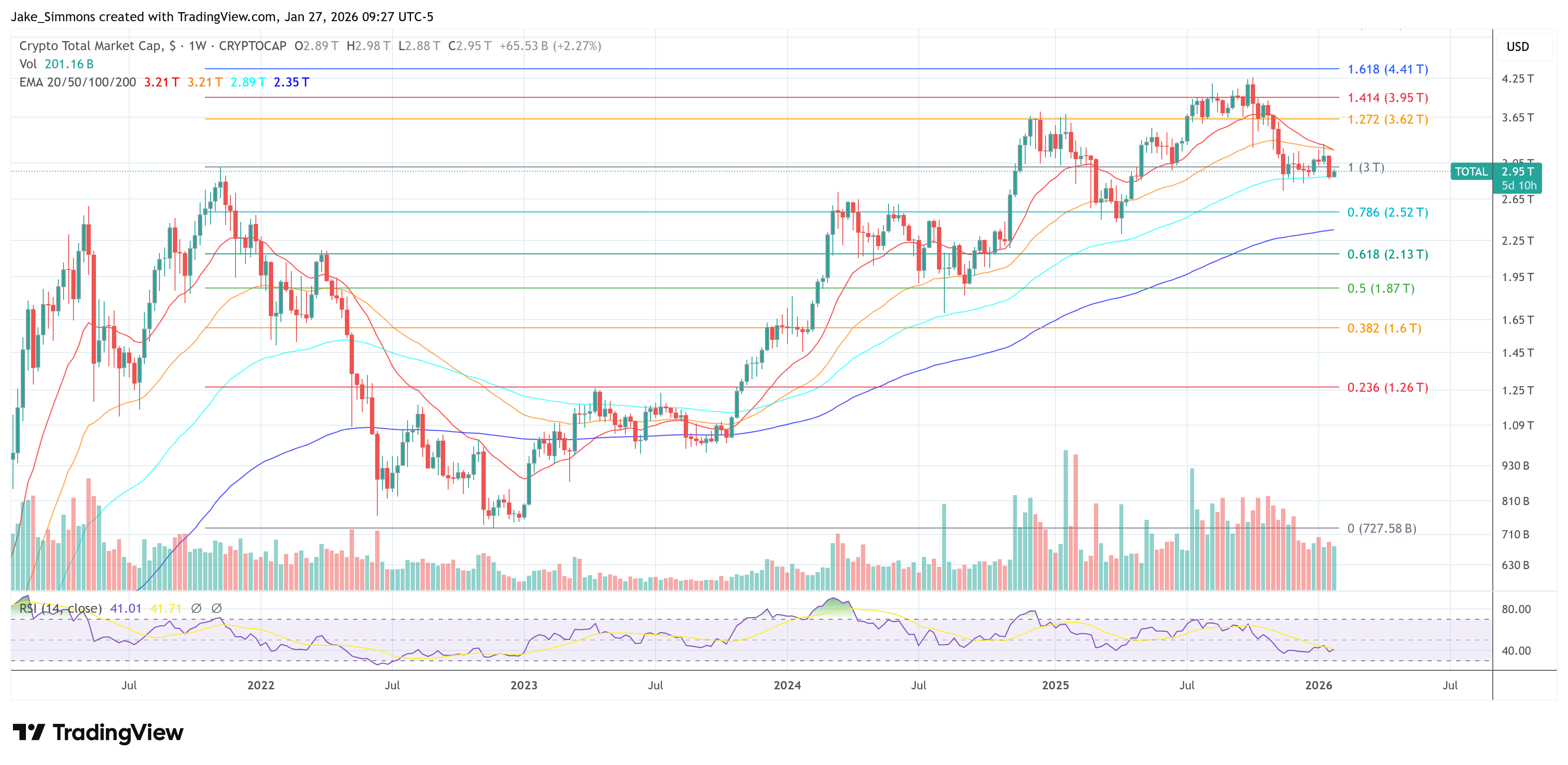
The question, then, is not whether the cycle will end, but when. Late 2026, perhaps? Or even later? The bears, Mattsby implies, will require a full-blown systemic collapse before they can rightfully claim victory. One suspects they’ll be waiting a long, long time. The crypto market cap, at last report, stood at a considerable $2.95 trillion. A truly impressive number, considering the inherent absurdity of it all.
Read More
- ‘Project Hail Mary’s Unexpected Post-Credits Scene Is Worth Sticking Around
- Beyond Accuracy: Gauging Trust in Human-AI Teams
- Gold Rate Forecast
- Clash Royale Balance Changes March 2026 — All Buffs, Nerfs & Reworks
- The most surprising Hannah Montana cameos: From John Cena to Dwayne Johnson and even a Coronation Street soap star as show celebrates its 20th anniversary
- Genshin Impact Version 6.5 Leaks: List of Upcoming banners, Maps, Endgame updates and more
- eFootball 2026 is bringing the v5.3.1 update: What to expect and what’s coming
- Total Football free codes and how to redeem them (March 2026)
- Brawl Stars Brawl Cup Pro Pass arrives with the Dragon Crow skin and Chroma, unique cosmetics, and more rewards
- We talked to ‘Bachelorette’ Taylor Frankie Paul. Then reality hit pause on her TV career
2026-01-28 09:14