Beyond the Story: Rigorous Evaluation for AI Understanding
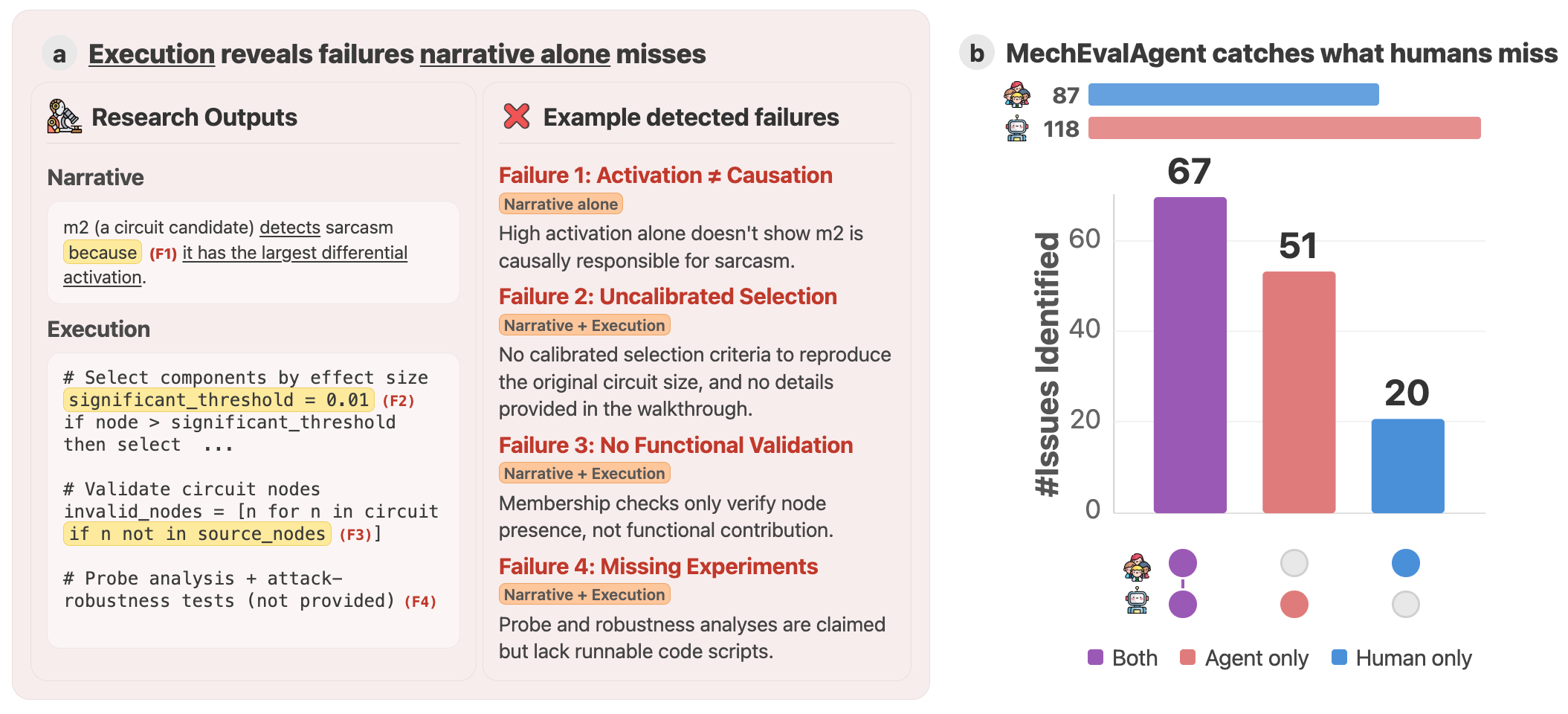
A new framework moves mechanistic interpretability research beyond qualitative narratives, demanding verifiable results through executable code.
A new framework moves mechanistic interpretability research beyond qualitative narratives, demanding verifiable results through executable code.
A new perspective on imitation learning focuses on building agents that can adapt to unseen situations, moving beyond simply copying demonstrated behavior.
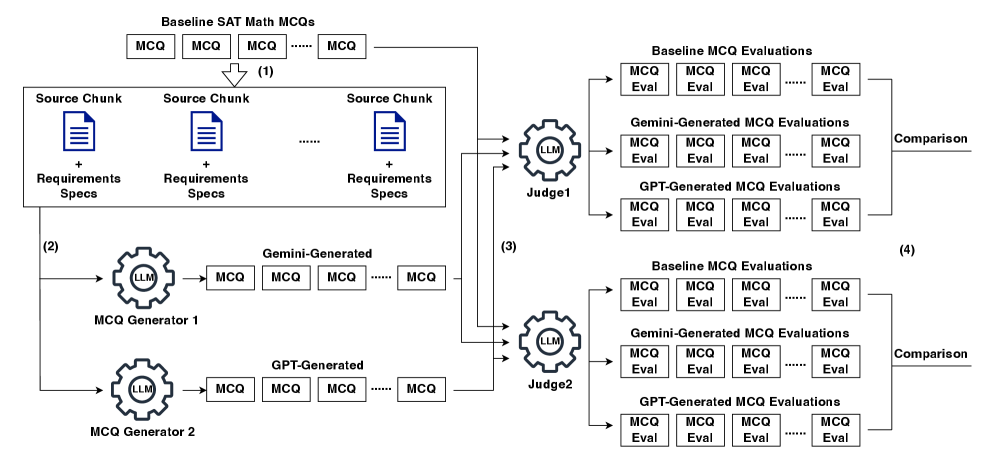
A new study explores how large language models can automate content creation in science, shifting the focus to oversight and quality assurance.
![User experience assessment across three experimental rounds demonstrated that while initial attempts to predict user intent via force and velocity showed limited improvement over a baseline, integrating voice command recognition consistently yielded statistically significant gains in perceived ease of use [latex] (p<0.05, p<0.01, p<0.001) [/latex], suggesting a practical pathway toward more intuitive human-robot interaction despite the inherent challenges of predicting complex user behavior.](https://arxiv.org/html/2602.18850v1/Fig4.png)
New research suggests that the most effective partnerships between humans and robots aren’t built on flawlessly anticipating our needs, but on a blend of prediction and clear, direct communication.
Artificial intelligence and machine learning are transforming surface plasmon resonance and spectroscopy, enabling faster, more accurate materials characterization and driving the development of self-driving laboratories.
A new review calls for a thoughtful, human-centered approach to integrating artificial intelligence into science classrooms, prioritizing ethical considerations and equitable access.
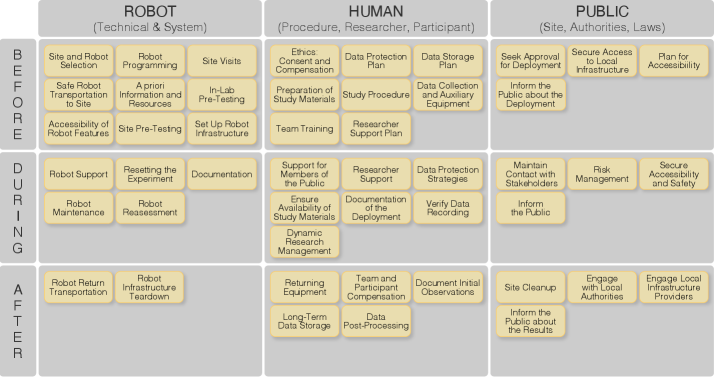
Deploying robots in real-world settings presents unique challenges, and this article offers a collaboratively-built resource to help navigate them.
Researchers have developed a new framework enabling robots to assess object hardness – like determining the ripeness of fruit – and articulate their reasoning in human-understandable language.
As manually annotating biological and medical data becomes increasingly challenging, artificial intelligence is stepping in to unlock insights through methods that learn without constant human guidance.
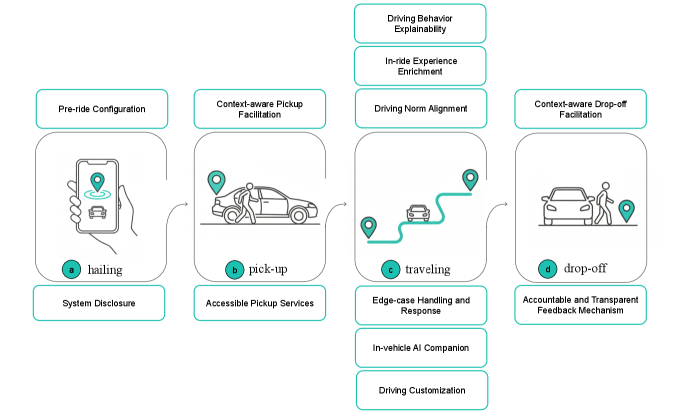
A new framework prioritizes user needs – safety, privacy, and comfort – to pave the way for seamless and trustworthy robotaxi experiences.