Beyond the Hype: Building Trustworthy AI for Legal Expertise
New research highlights a critical shift in AI design, demonstrating that systems grounded in verified knowledge sources are far more reliable than those that simply generate text.
New research highlights a critical shift in AI design, demonstrating that systems grounded in verified knowledge sources are far more reliable than those that simply generate text.
![User behavior exhibits a continuous spectrum across varying degrees of reciprocity, demonstrated by a heatmap revealing smooth transitions in user properties-represented as median values across a [latex]10 \times 10[/latex] grid defined by inbound and outbound reciprocity ratios-and indicating a lack of discrete behavioral boundaries.](https://arxiv.org/html/2601.15623v1/x31.png)
New research reveals how analyzing reciprocal interactions-not just who follows whom-unlocks a deeper understanding of user behavior and content engagement on social media.

A new platform, ECGomics, is streamlining the discovery of digital biomarkers from electrocardiograms to improve cardiovascular health assessment.
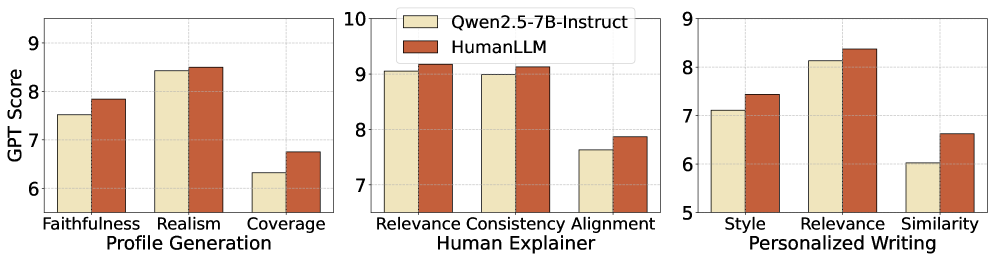
Researchers are building artificial intelligence models that move beyond simple text generation to simulate and understand the complexities of human cognition and behavior.
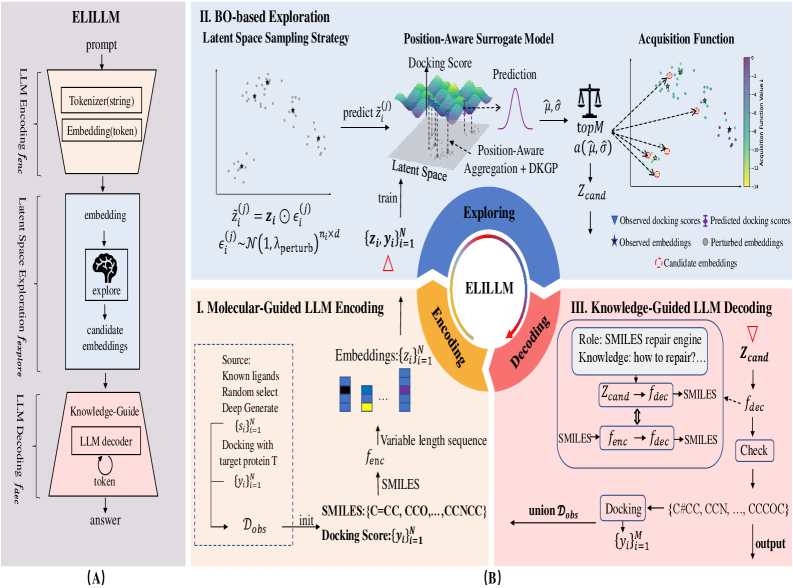
Researchers are leveraging the power of artificial intelligence to navigate complex chemical spaces and generate promising drug candidates.
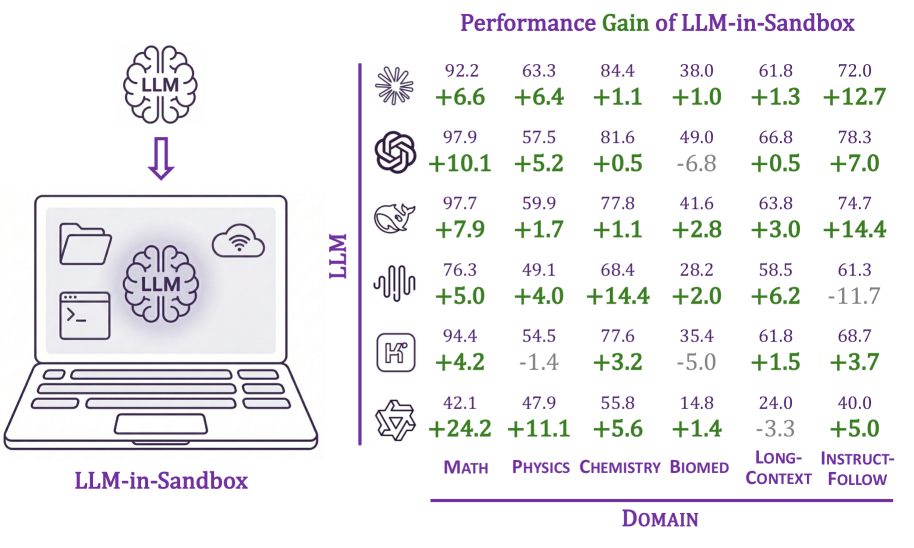
A new approach lets large language models interact with a virtual machine, dramatically improving their problem-solving abilities and efficiency.
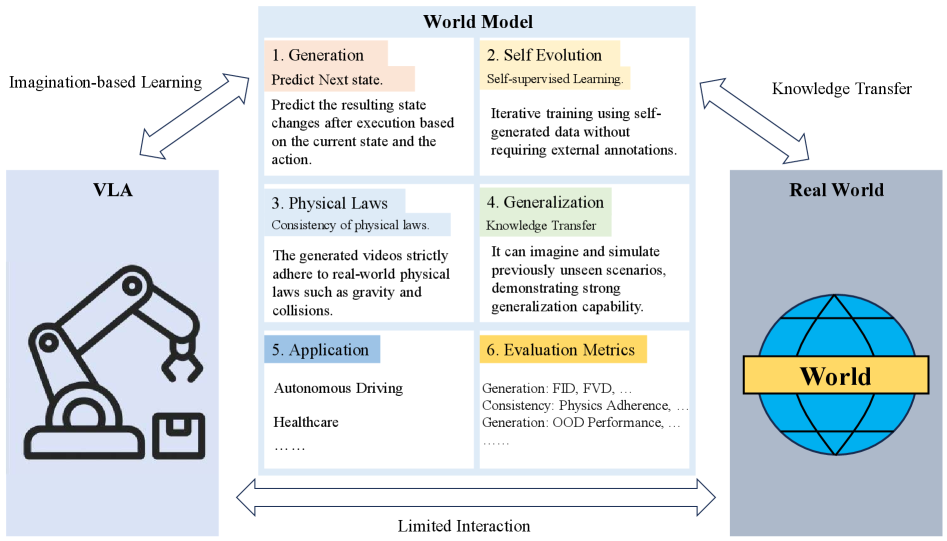
The next generation of AI demands more than just realistic simulations-it requires world models grounded in physical laws to enable reliable and safe decision-making.
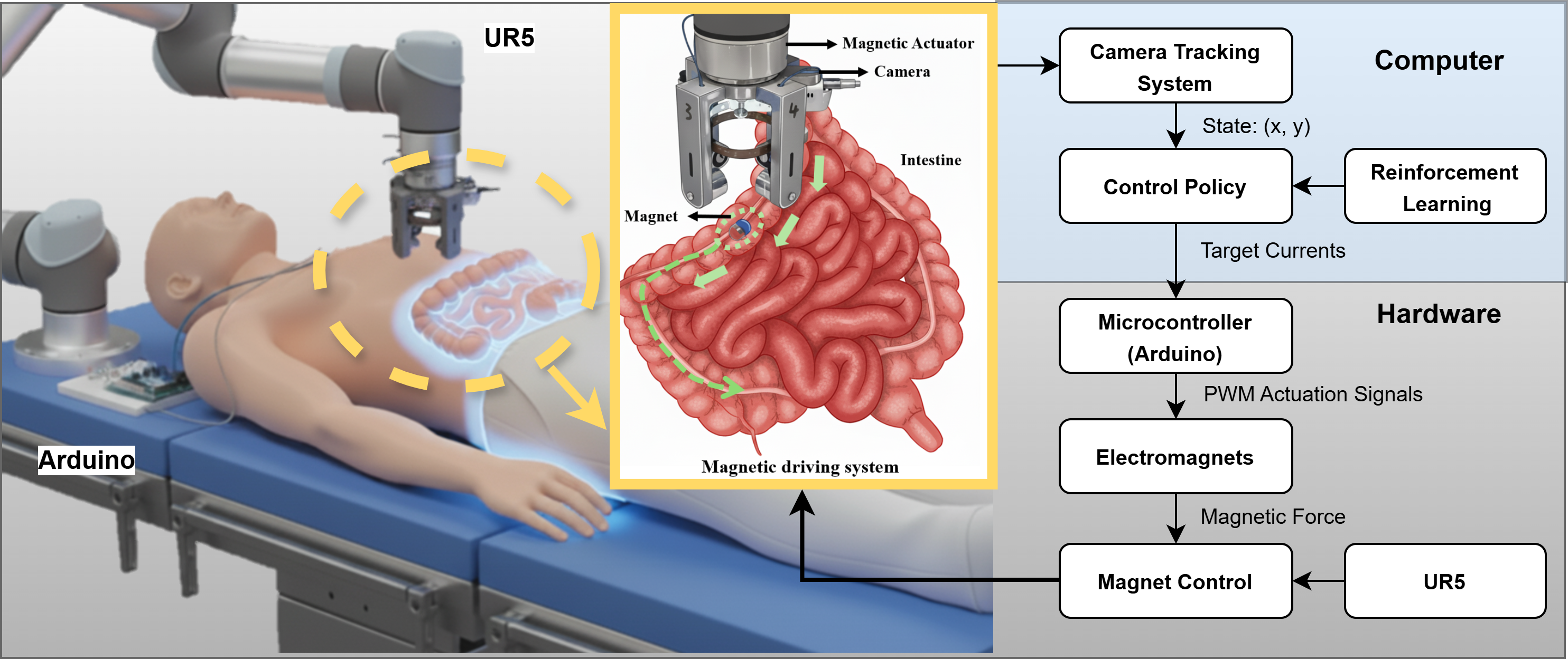
Researchers have developed a portable magnetic platform and AI algorithm enabling precise, calibration-free control of microrobots within the gastrointestinal tract.
Researchers have developed a new AI-powered system that streamlines the entire process of materials creation, from initial design to predicting how a synthesis will unfold.
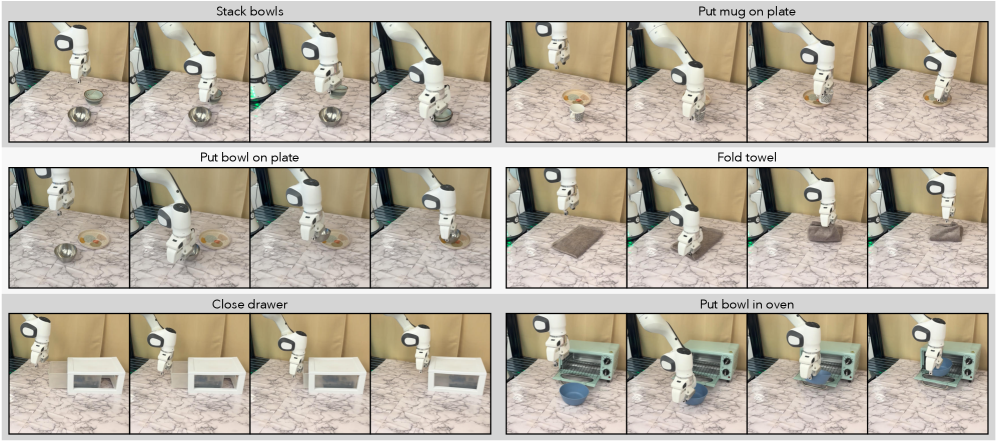
A new framework leverages unified 3D scene representations and large language models to enable robots to perform tasks in the real world with minimal real-world training data.