Smarter Sound: Closing the Reasoning Gap in Edge Audio
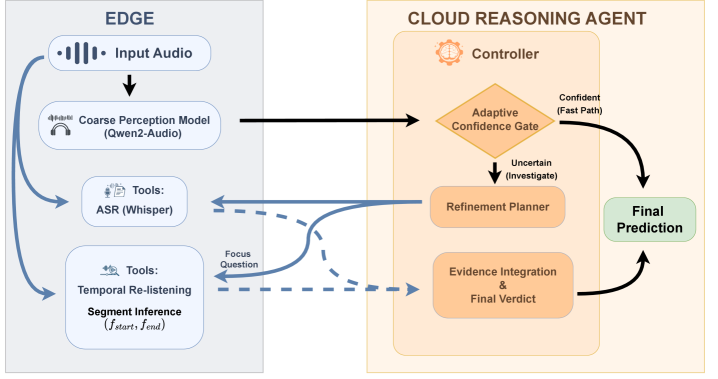
A new hybrid architecture empowers on-device audio systems to intelligently offload complex queries to the cloud, boosting accuracy while preserving user privacy.
A new hybrid architecture empowers on-device audio systems to intelligently offload complex queries to the cloud, boosting accuracy while preserving user privacy.
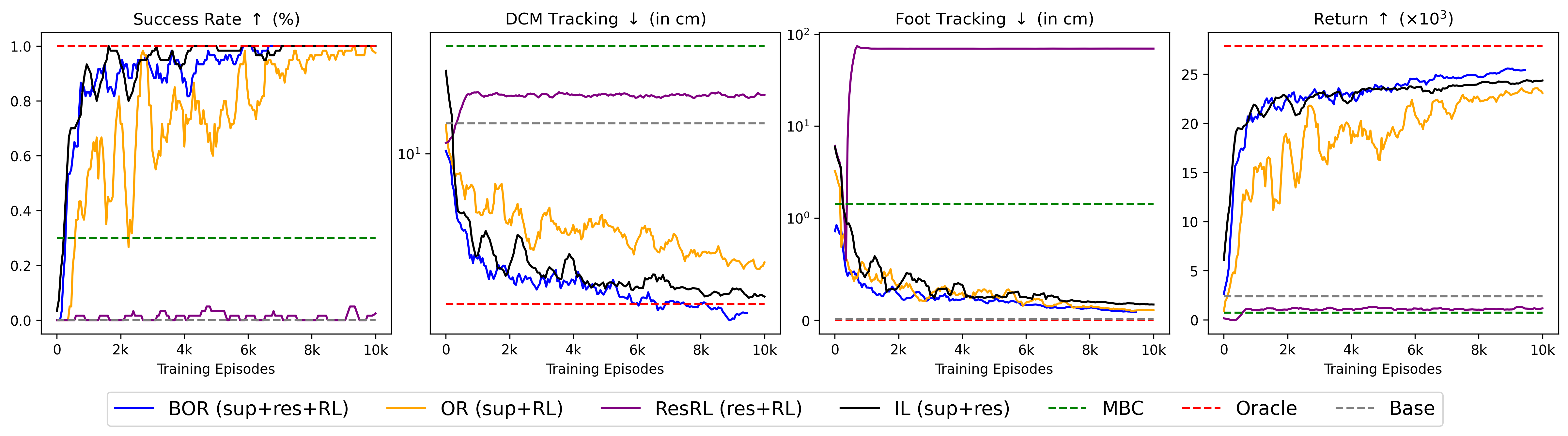
Researchers have developed a novel reinforcement learning framework that combines the strengths of model-based control and data-driven techniques to create more robust and efficient walking gaits for humanoid robots.
Researchers have developed a novel AI model that dissects complex brain activity, offering a clearer link between neural processes and potential treatments.

A new approach leverages attention mechanisms and surrogate modeling to intelligently schedule HPC jobs, optimizing for both runtime and power consumption.

Researchers have developed a system that lets users query complex spatio-temporal databases using plain English, bypassing the need for specialized coding.
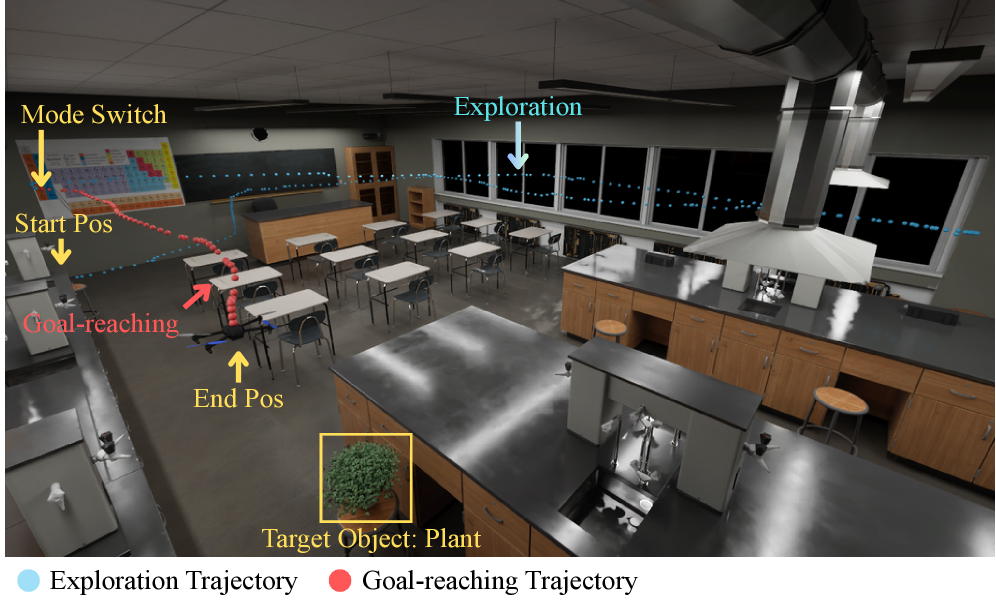
Researchers have developed a reinforcement learning framework that allows drones to navigate complex indoor environments and locate specific objects with improved robustness and efficiency.
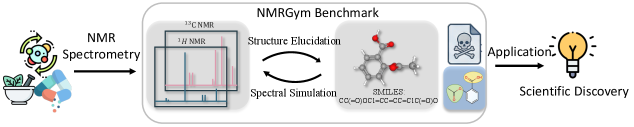
Researchers have released a comprehensive dataset and evaluation platform to accelerate the development of AI tools that can determine a molecule’s structure from its NMR spectrum.
![Figure 1:Cognitive Tasks. The study illuminates how cognitive tasks, encompassing processes like [latex] \text{planning} [/latex], [latex] \text{reasoning} [/latex], and [latex] \text{learning} [/latex], are not isolated modules but rather interconnected functions that dynamically interact to facilitate complex problem-solving.](https://arxiv.org/html/2601.16009v1/images/OSPAN.png)
New research reveals that the benefits of using visual models in software requirements inspection aren’t universal, and depend on individual cognitive strengths.
The Laser Interferometer Space Antenna promises to open a new window on the cosmos by detecting gravitational waves from previously inaccessible sources.
New research reveals people hold large language models to different standards of fairness than humans when it comes to resource allocation and economic interactions.