Warming Up AI: How Abstract Data Boosts Language Model Reasoning
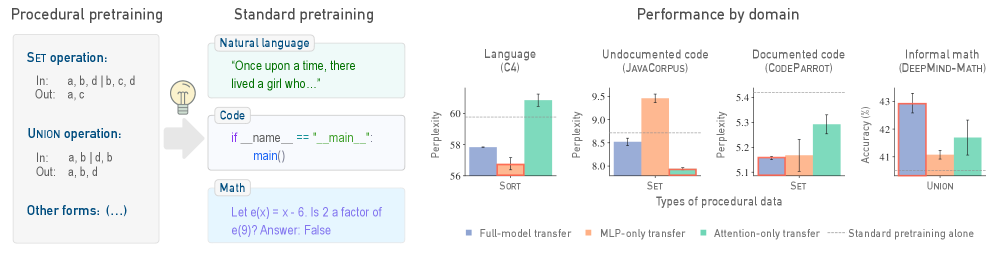
A new study reveals that pretraining language models on abstract procedural data significantly improves their ability to tackle complex tasks and learn more efficiently.
A new study reveals that pretraining language models on abstract procedural data significantly improves their ability to tackle complex tasks and learn more efficiently.
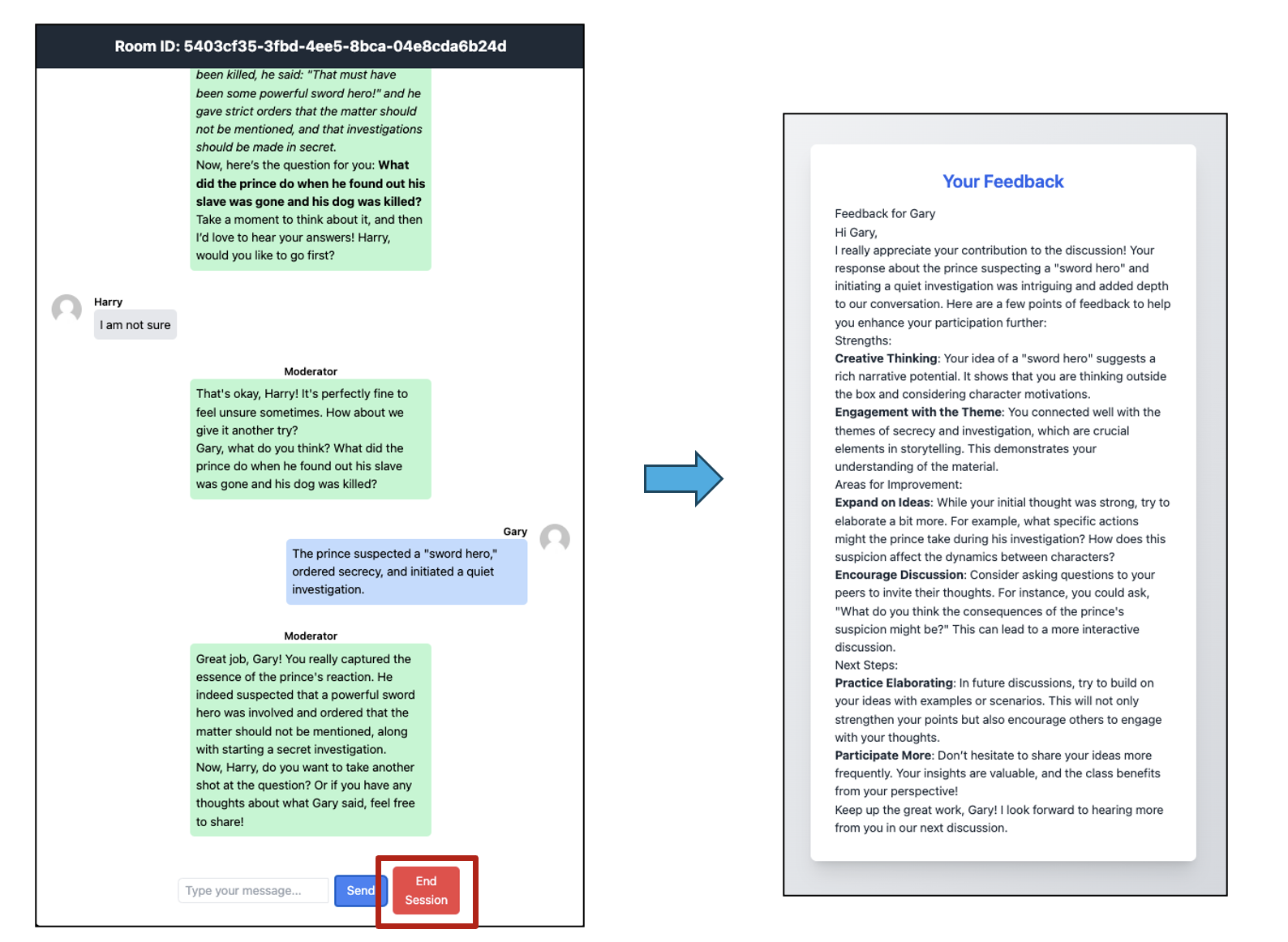
A new framework harnesses the power of advanced artificial intelligence to create dynamic and personalized learning experiences for students.

A new framework combines human intuition with the power of large language models to create better features for tabular data.
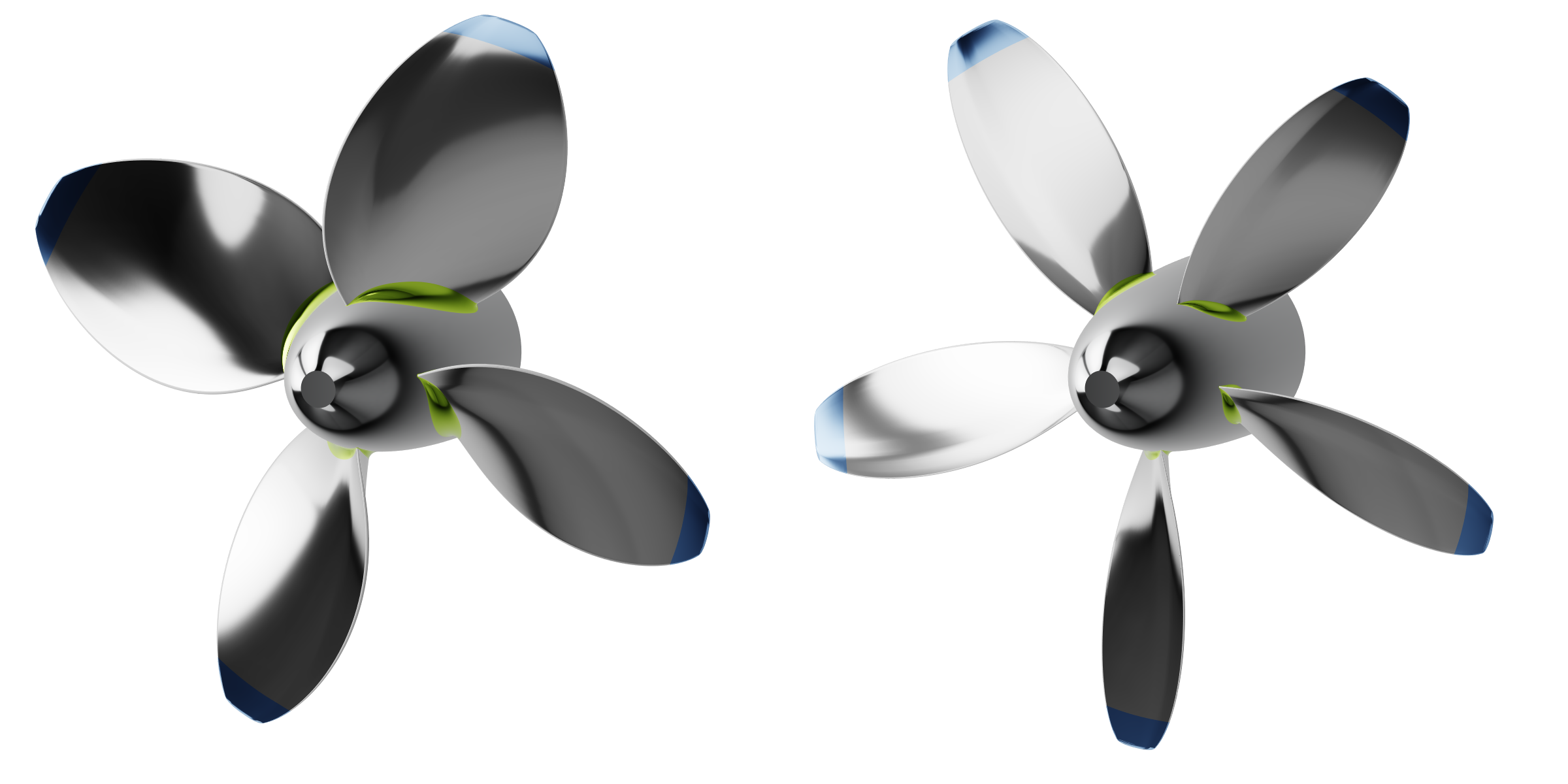
New research harnesses the power of generative artificial intelligence to create high-performance ship propellers tailored to specific needs.
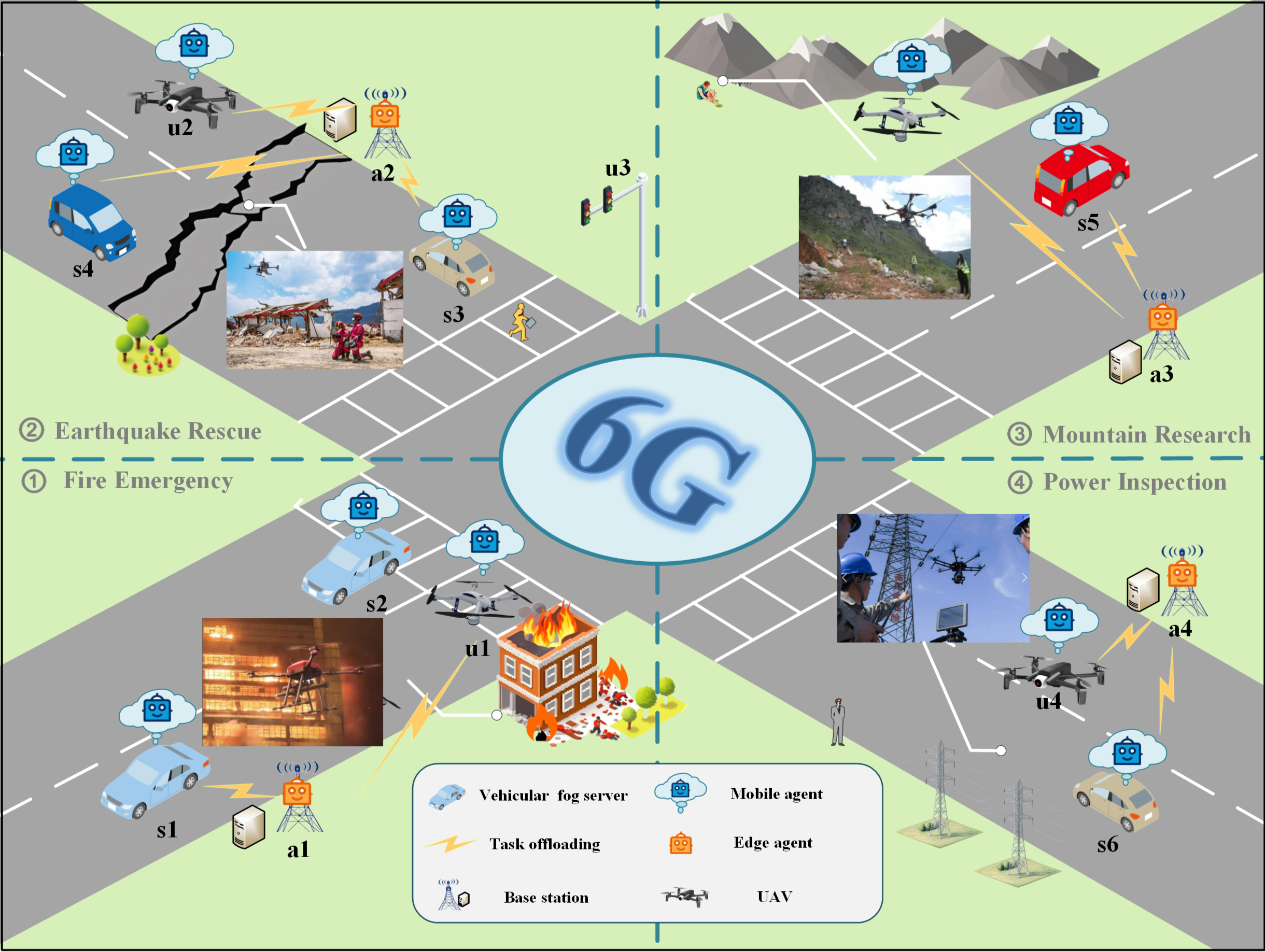
A new framework leverages the power of collaborative AI agents and next-generation 6G networks to deliver low-latency intelligence for critical applications.
A new study examines how generative AI tools are changing the landscape of software development and impacting developer workflows.
![LingBot-VA constructs a predictive world model through pretraining on expansive video and robotic action data, achieving substantial performance gains on complex real-world manipulation tasks-including those involving deformable objects and precision control-and demonstrating emergent capabilities such as long-range temporal memory and few-shot adaptation beyond standard policy learning, effectively modeling visual dynamics and inferring inverse dynamics from robot videos-surpassing benchmarks like [latex]\pi_{0.5}[/latex].](https://arxiv.org/html/2601.21998v1/x1.png)
New research demonstrates a powerful framework for robots to anticipate outcomes and adapt their actions, leading to more robust and generalizable manipulation skills.
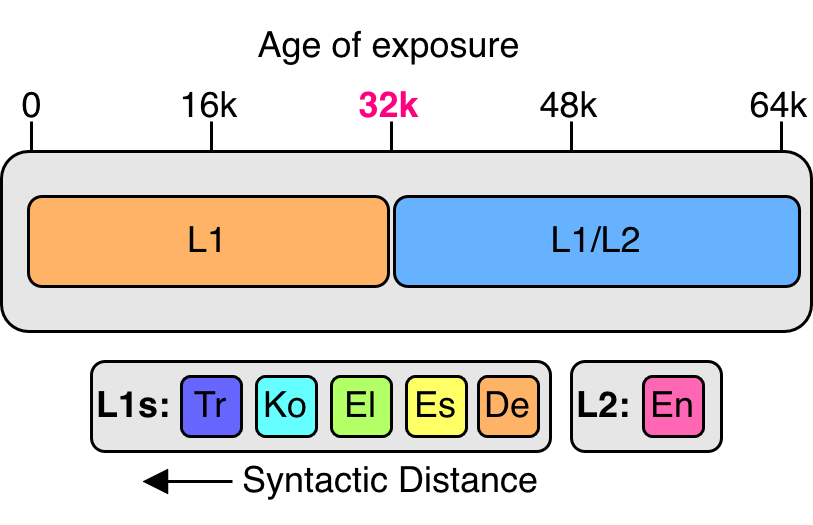
New research uses artificial intelligence to reveal the complex interplay between languages in the human mind.
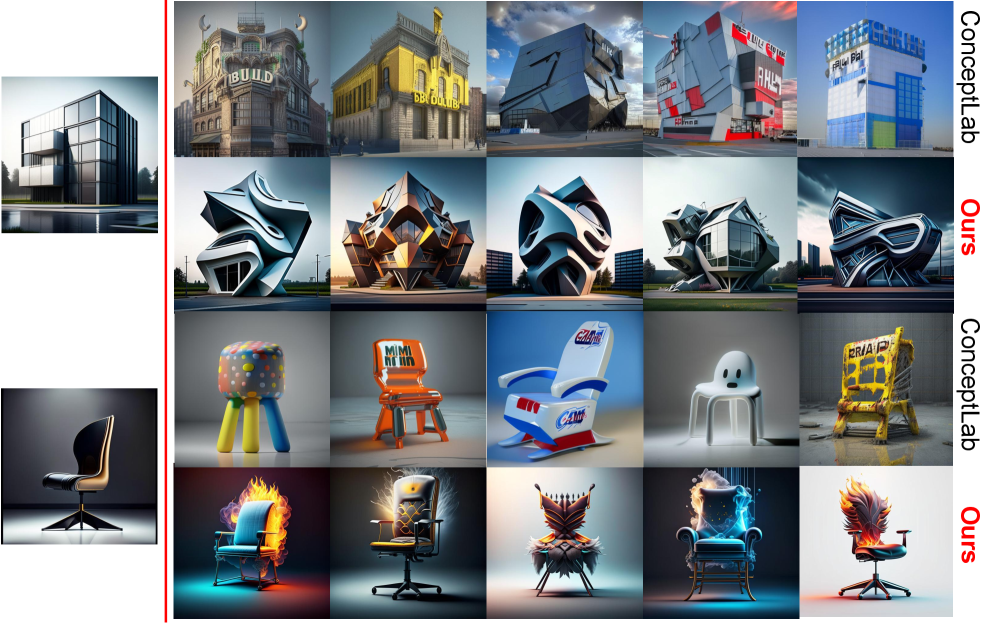
Researchers are exploring methods to guide diffusion models towards generating truly original images, moving beyond predictable outputs.
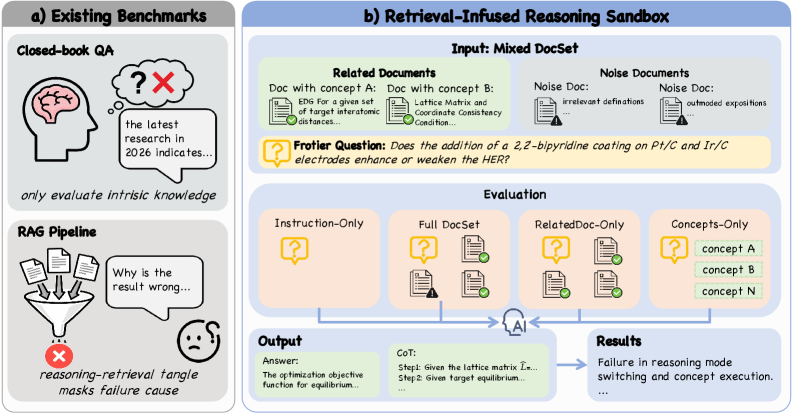
A new benchmark probes the ability of large language models to effectively integrate retrieved knowledge into complex scientific problem-solving.