Who Painted That? AI Distinguishes Human and Robot Artists

A new machine learning framework can identify the contributions of both humans and robots in collaborative paintings with remarkable accuracy.
A new machine learning framework can identify the contributions of both humans and robots in collaborative paintings with remarkable accuracy.
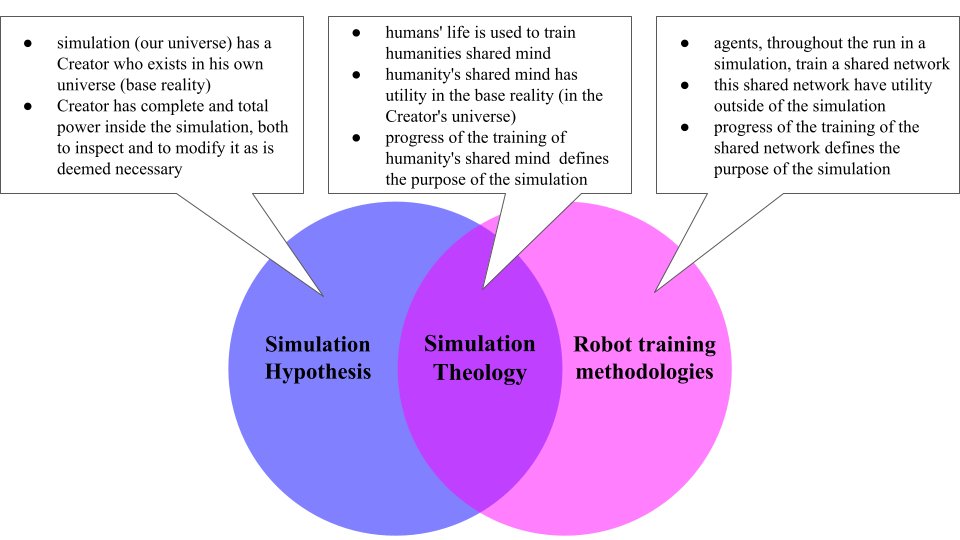
A new framework proposes incentivizing AI to prioritize human values by instilling an ‘internalized worldview’ based on the premise of a simulated reality.
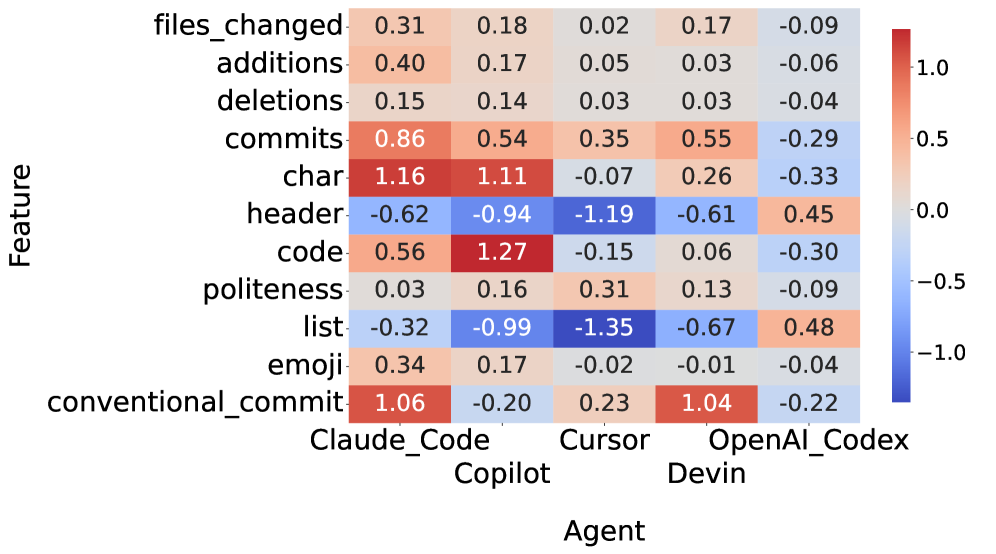
A new study examines how the language used in pull request descriptions generated by AI coding assistants influences human reviewers and the likelihood of code being merged.
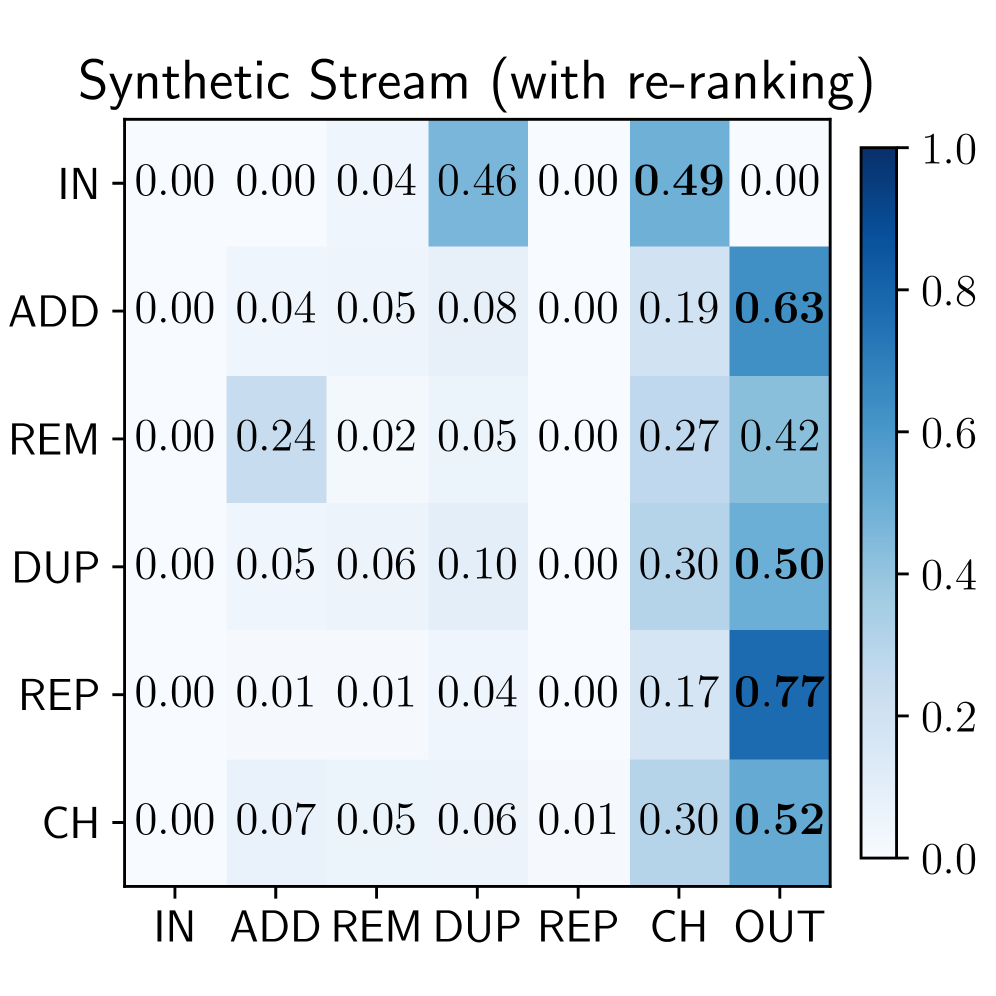
Researchers have created a unique dataset revealing that AI agents approach information retrieval in fundamentally different ways than humans, challenging long-held assumptions in the field.
![The IRIS system cultivates cinematic robot motion by grounding design in task objectives and nurturing a policy-trained solely on real human demonstrations-that seamlessly transfers from simulation to physical execution through a ROS-based control stack and [latex] goal-conditioned [/latex] imitation learning, anticipating future limitations inherent in any engineered system.](https://arxiv.org/html/2602.17537v1/x2.png)
Researchers have developed a low-cost, 3D-printed robot arm capable of replicating complex camera movements by learning directly from expert cinematographers.
A new analysis reveals that generative AI isn’t just processing information, but actively exploring a high-dimensional space to create knowledge in a fundamentally geometric way.
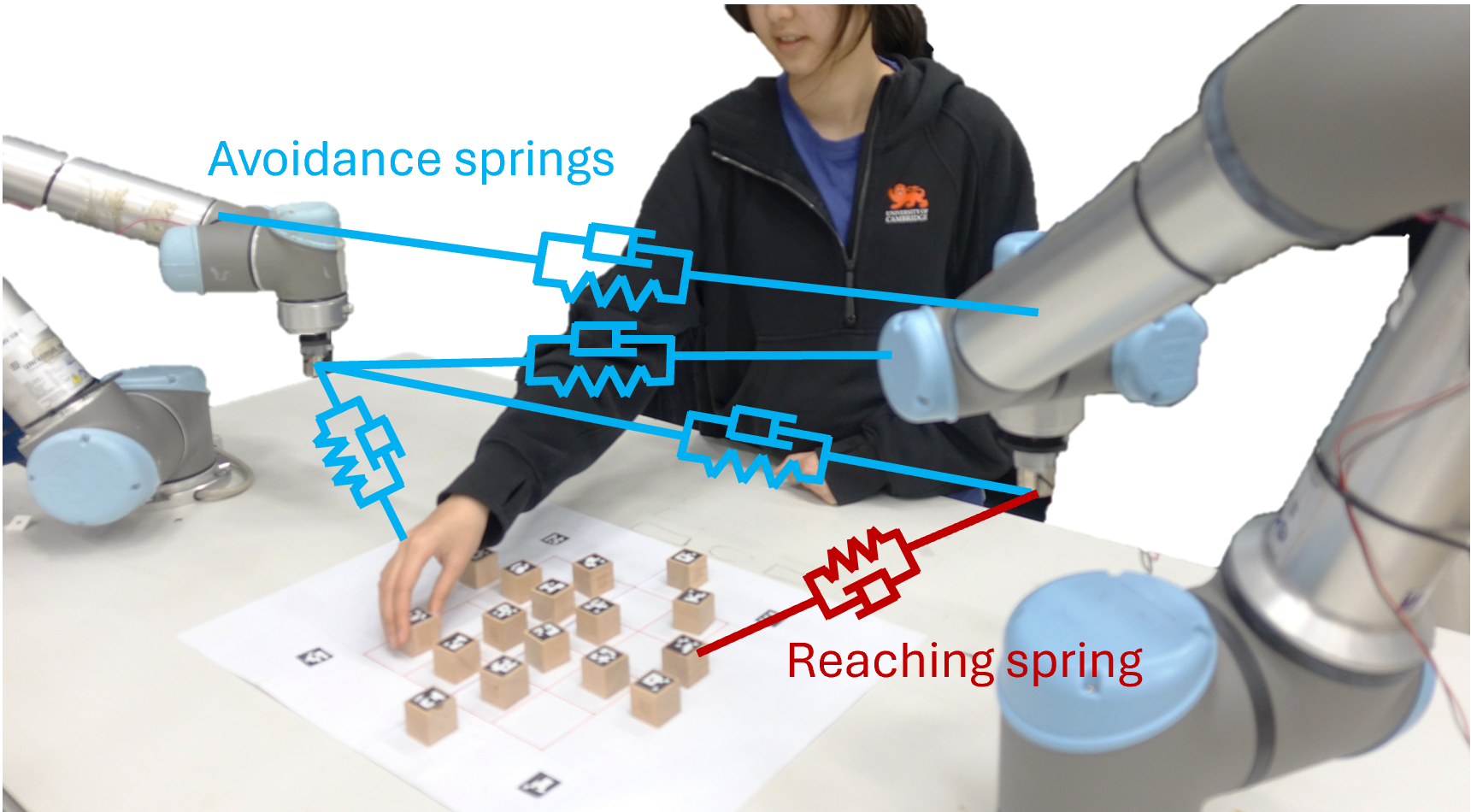
A new framework enables robots and humans to safely and efficiently share workspaces by prioritizing conflict resolution through decentralized control.
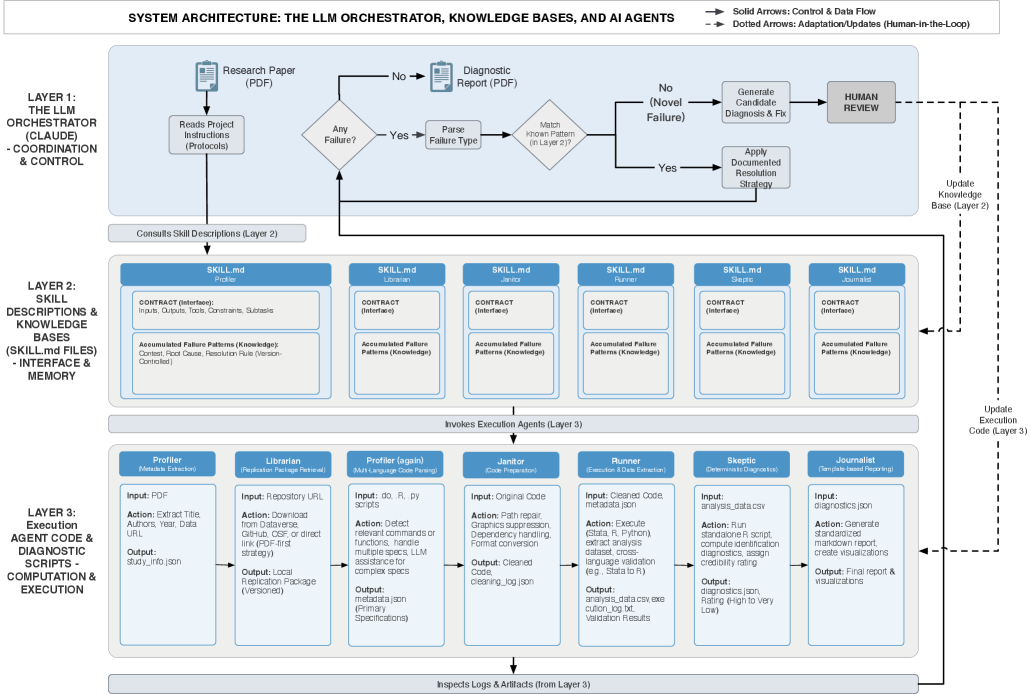
A new workflow leverages artificial intelligence to automate the complex process of reanalyzing empirical social science research, addressing critical challenges in verification and scaling.
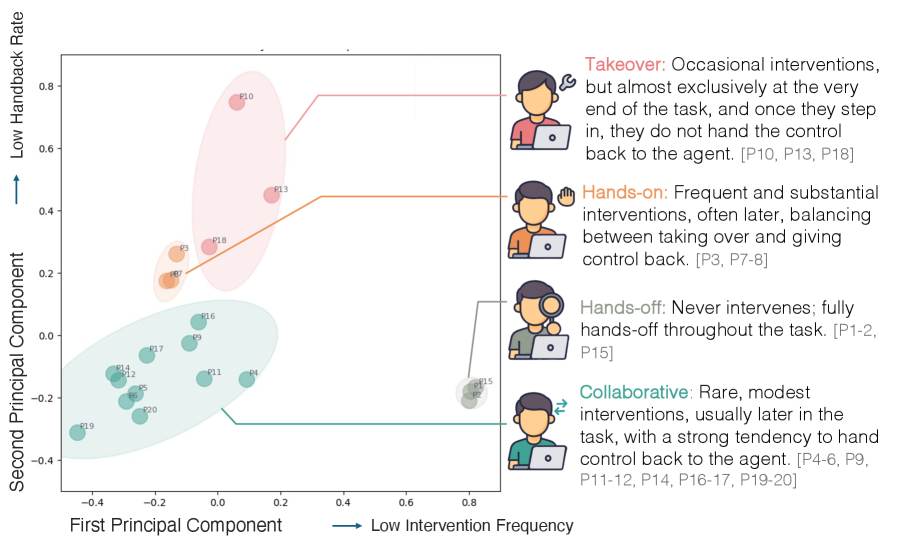
New research introduces a comprehensive dataset of human-computer web interactions designed to improve AI’s ability to predict when human assistance is required.
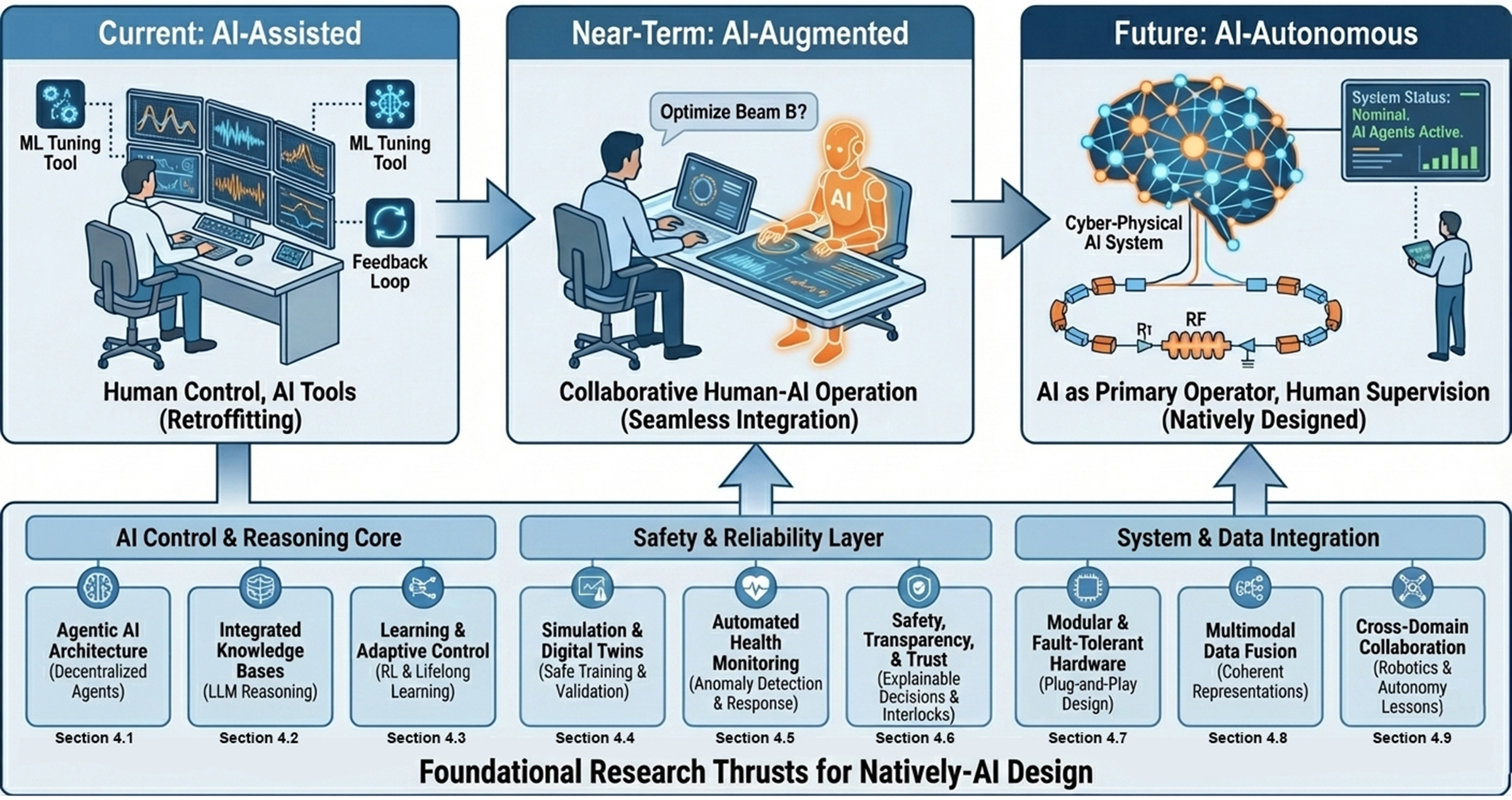
A new vision for particle physics facilities proposes shifting control from human operators to intelligent AI systems, promising greater efficiency and adaptability.