The AI Illusion: Who Really Holds the Power?
A new critical assessment reveals how dominant narratives about artificial intelligence often mask underlying power dynamics and limit meaningful discussions about its societal impact.
A new critical assessment reveals how dominant narratives about artificial intelligence often mask underlying power dynamics and limit meaningful discussions about its societal impact.
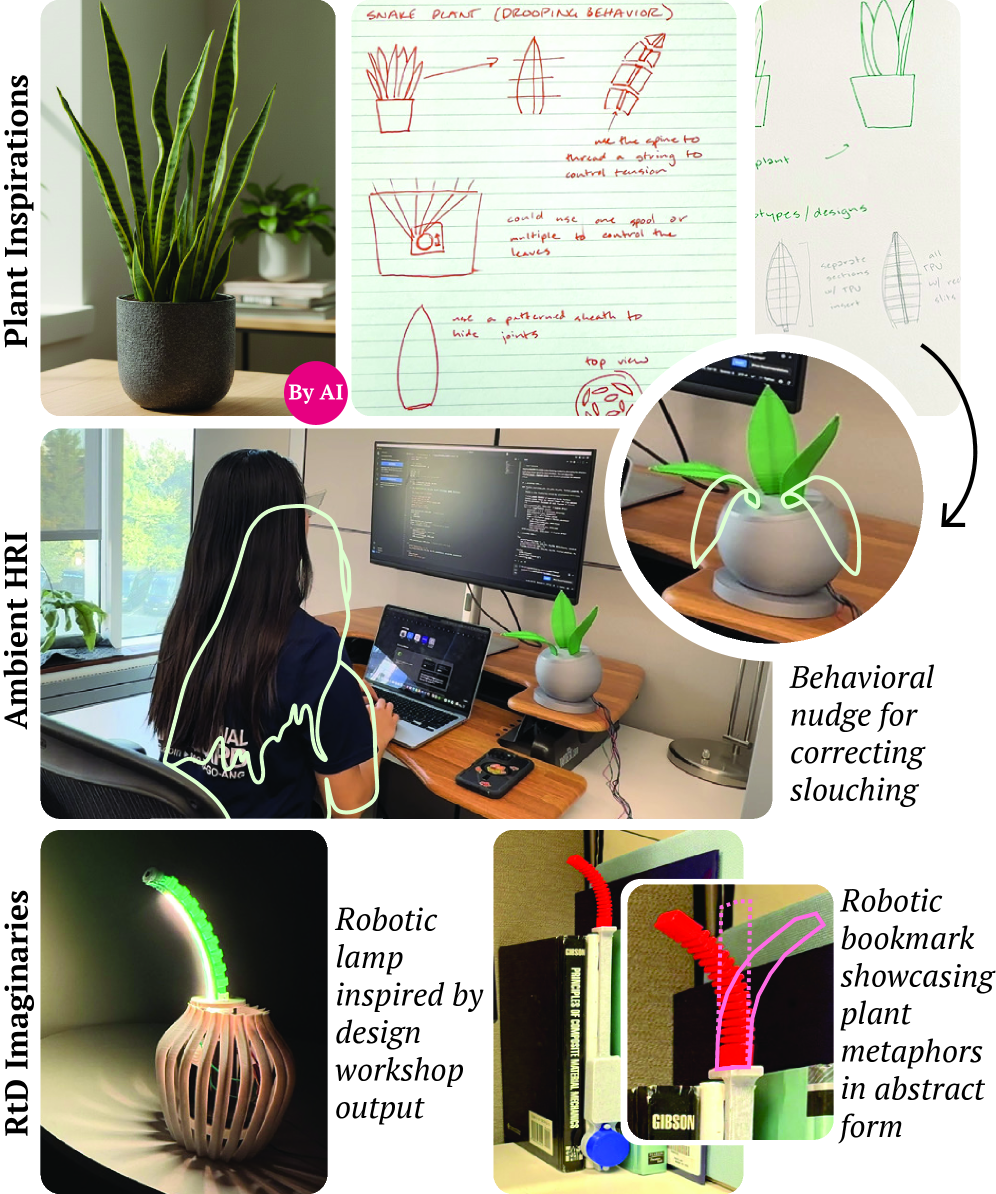
Researchers are turning to the natural world, specifically plant life, to design robots that are more intuitive, expressive, and seamlessly integrated into our daily lives.
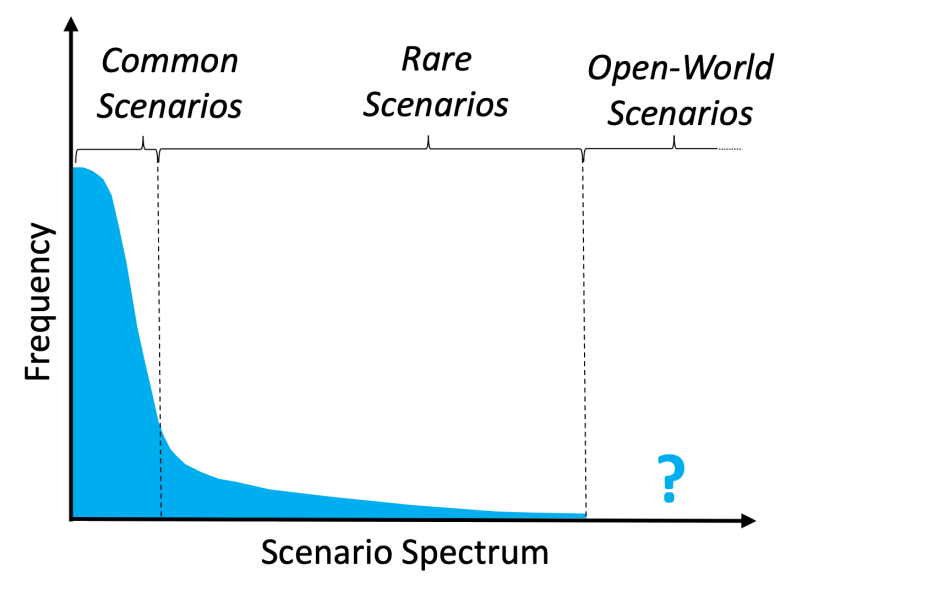
This review examines the core limitations holding back fully autonomous vehicles and explores how emerging AI techniques are poised to unlock the next level of driving intelligence.
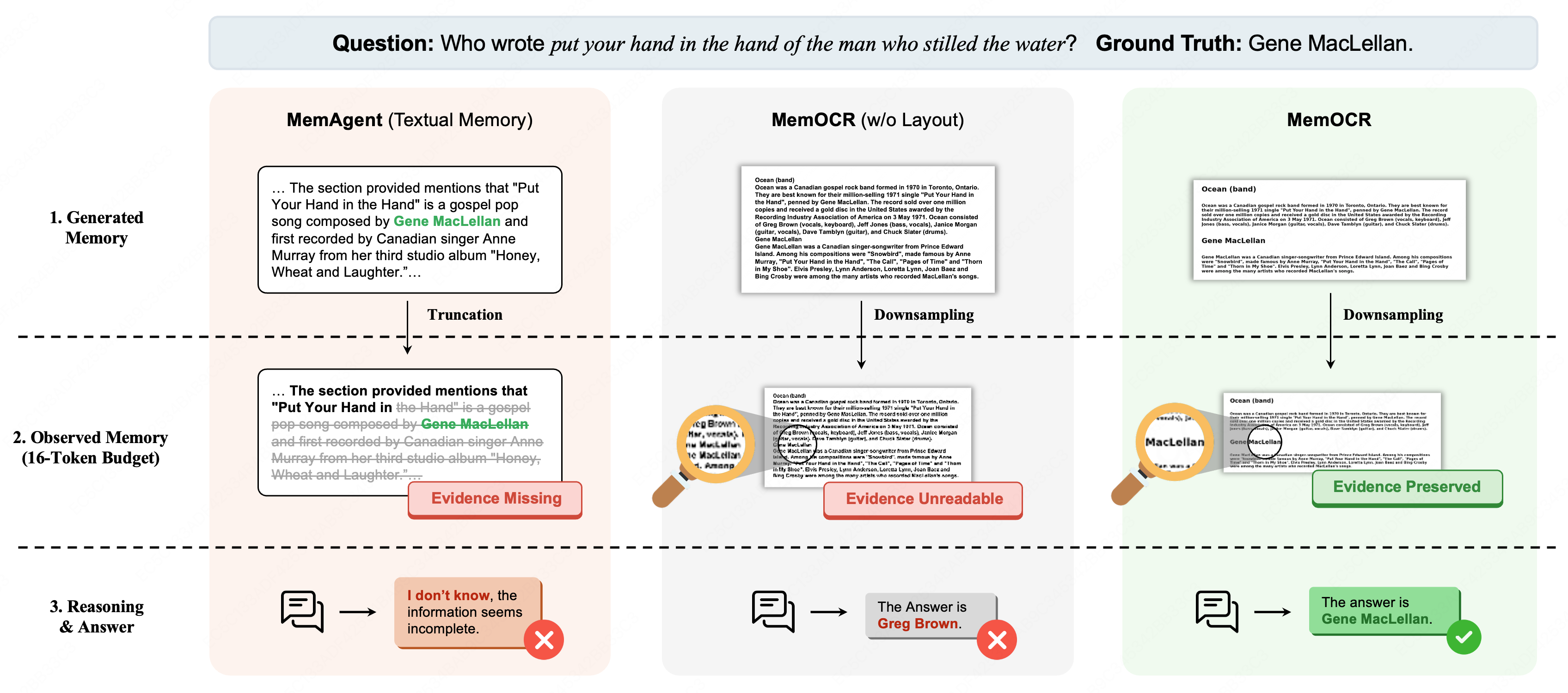
Researchers have developed a new approach to equipping AI agents with long-term memory, allowing them to reason more effectively over extended periods.
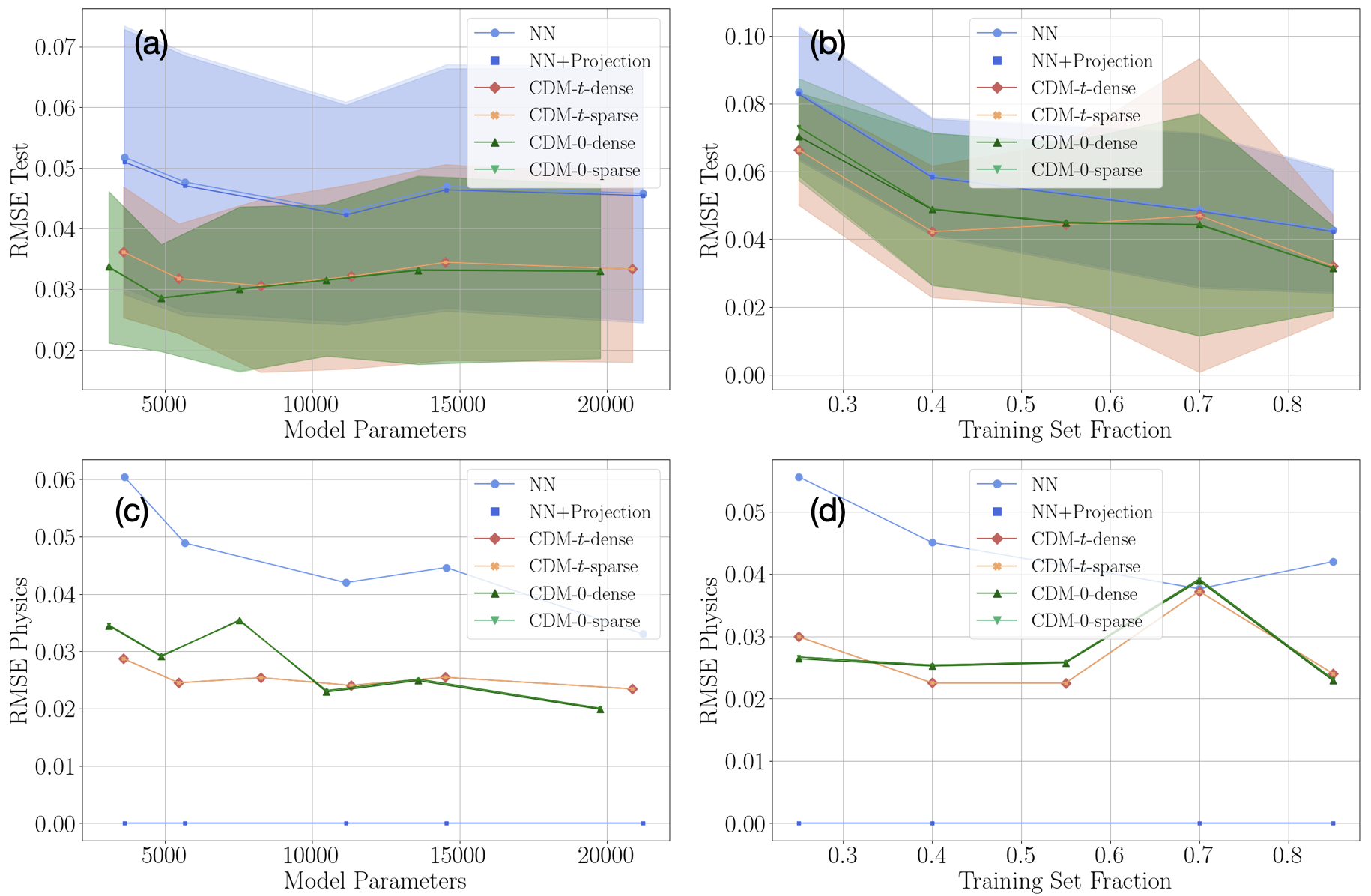
Researchers are leveraging the power of generative models to create more accurate and data-efficient simulations of complex physical systems.
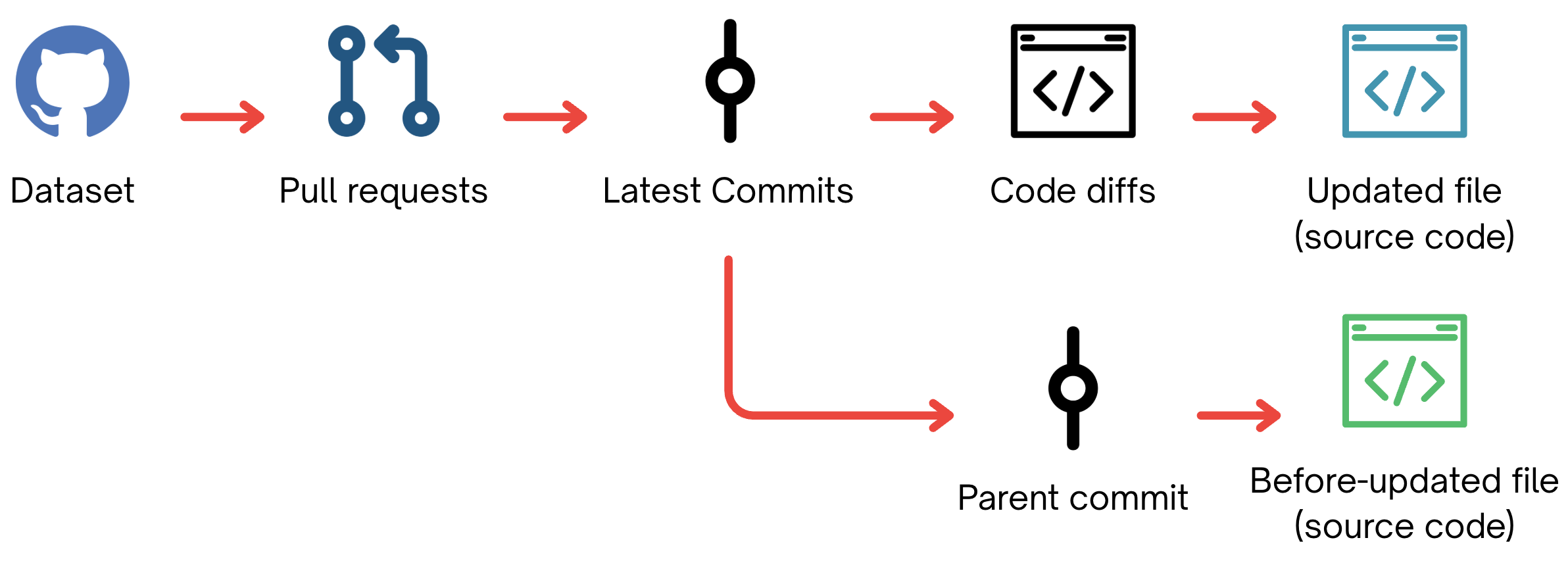
A new study reveals that code produced by AI agents often contains significantly more duplicated code than human-written software, creating a potential maintenance burden.
![The study transforms a two-dimensional function into a density field [latex]\rho(x,y)[/latex] by treating local peaks and valleys as individual entities and encoding their relationships using the CORDS method, effectively mapping a continuous surface onto a discrete representation.](https://arxiv.org/html/2601.21583v1/x11.png)
A new framework, CORDS, offers a powerful way to represent variable-size collections of objects using continuous fields, bridging the gap between discrete and continuous learning.
![The system employs a rigorous execution pipeline wherein each task is encapsulated within a Docker container, enabling the automated launch of agents-be they large language models or oracle baselines equipped with integrated development environment tools-and the comprehensive capture of all interactions, followed by automated grading via test suite execution and precise code change extraction using [latex]git\ diff[/latex] for comparison against a definitive golden solution.](https://arxiv.org/html/2601.20886v1/x1.png)
A new benchmark assesses how well artificial intelligence agents handle realistic software engineering challenges, moving beyond simple code completion.
Researchers are pushing the boundaries of artificial intelligence role-playing by equipping language models with more sophisticated reasoning and reward systems.
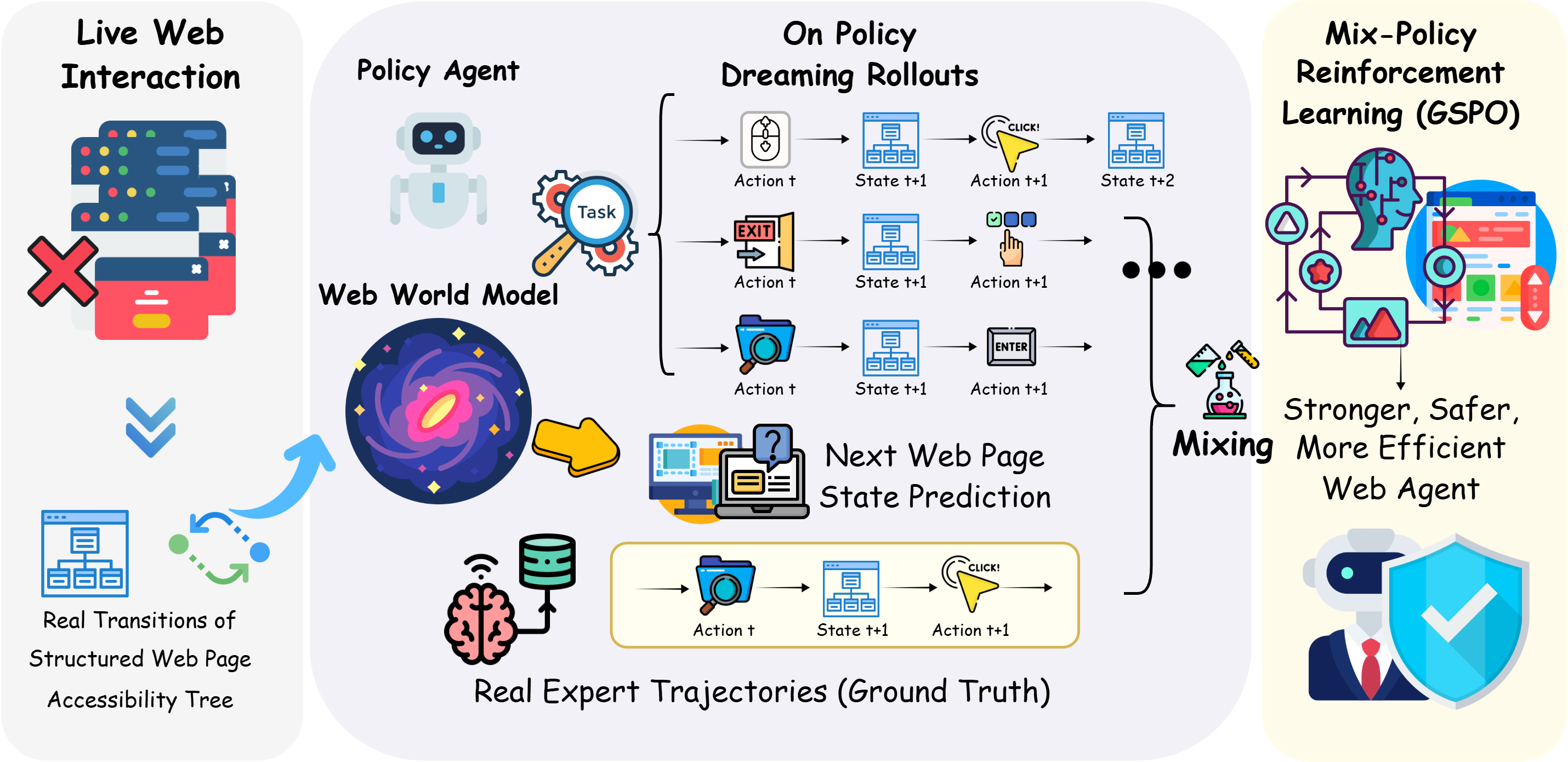
Researchers have developed a system that allows web-navigating agents to learn more efficiently by simulating online experiences, reducing the need for constant real-world interaction.