Agents That Learn Together, Perform Better
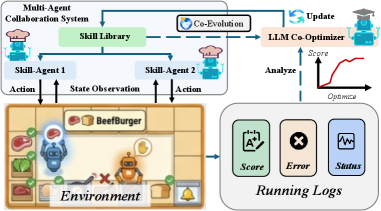
A new framework uses iterative learning and shared skills to dramatically improve how multiple AI agents collaborate on complex tasks.
A new framework uses iterative learning and shared skills to dramatically improve how multiple AI agents collaborate on complex tasks.
A new architecture, Hamiltonian Networks, offers a fundamentally different approach to AI by encoding data relationships directly, moving beyond traditional statistical methods.

New research reveals a demand for generative AI tools that empower human collaboration, rather than simply replacing human work.
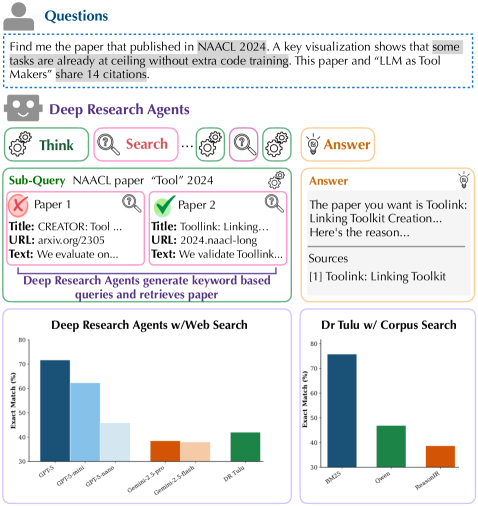
A new study introduces Sage, a challenging benchmark designed to evaluate how well artificial intelligence can retrieve relevant information for complex research tasks.
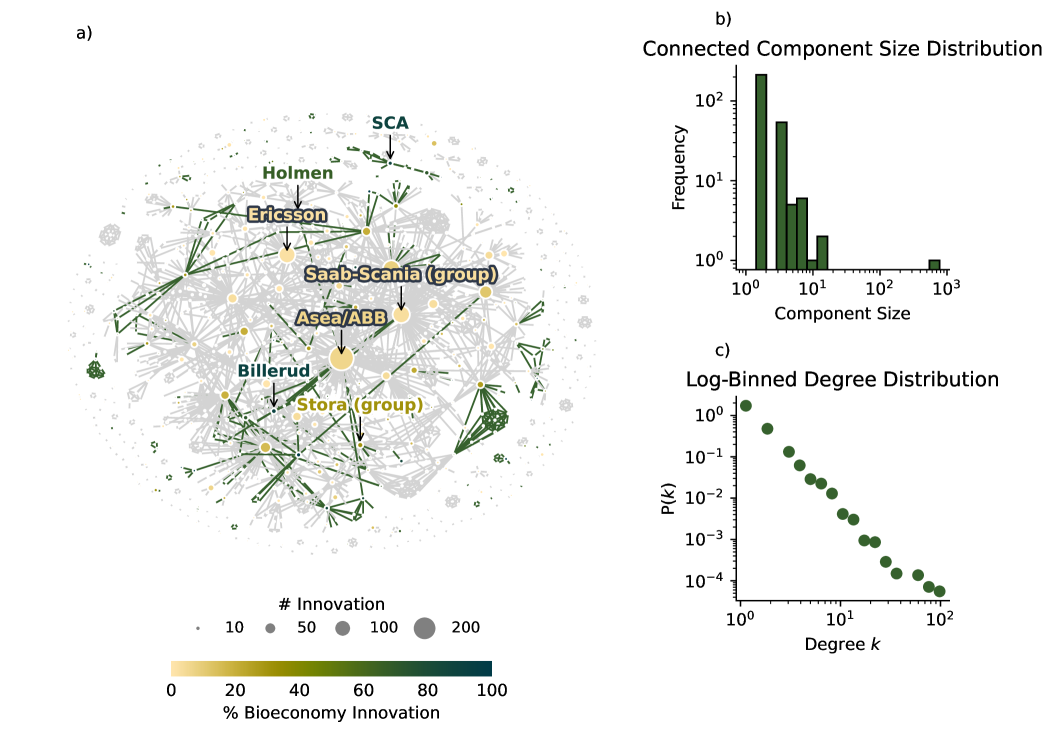
A new study analyzing five decades of Swedish innovation reveals that direct collaborative ties are more crucial for success than network structure or shared expertise.
A new study explores whether automated optimization can create effective agentic systems for verifying software correctness.
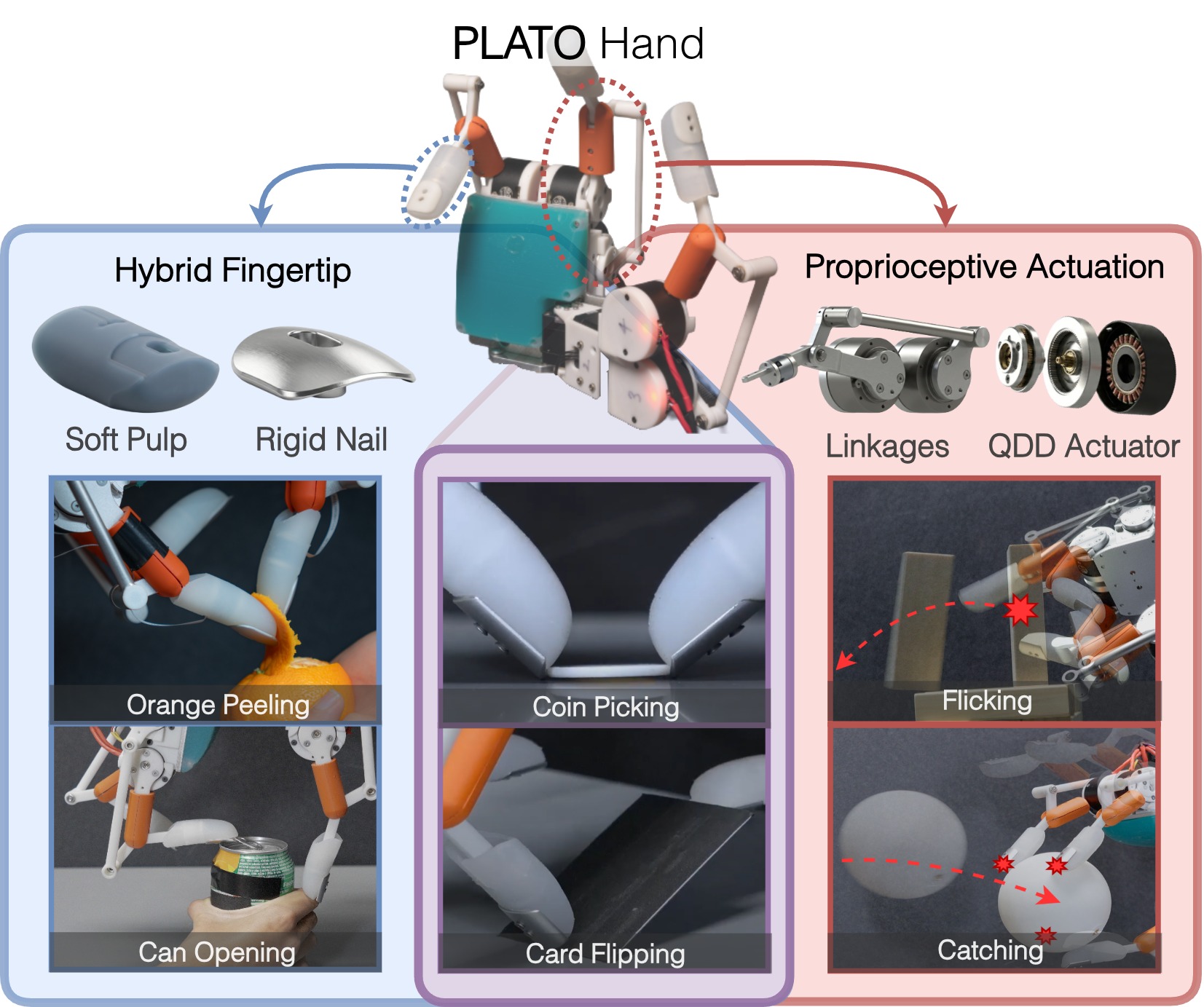
Researchers have developed a novel robotic hand that leverages the mechanics of human fingernails to enhance precision and stability in manipulation tasks.
A new vision for scientific progress emphasizes collaborative, standardized workflows as the key to unlocking greater scalability and impact.
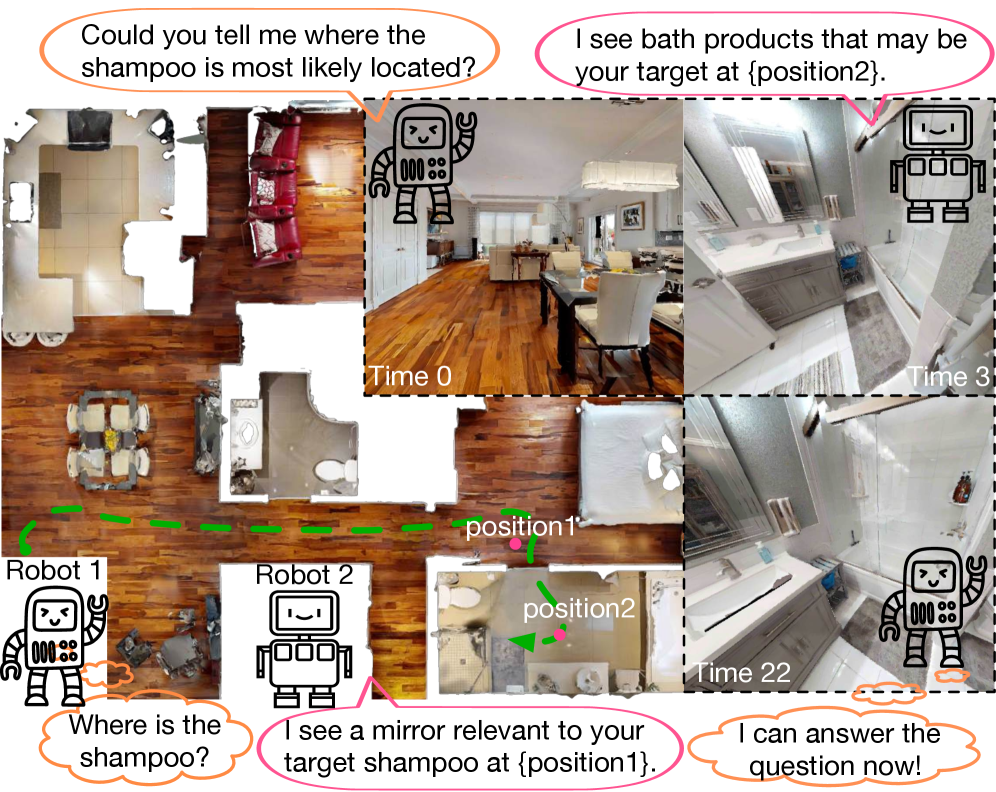
A new communication framework leverages the power of large language models to enable more effective teamwork between robotic agents.
![The study demonstrates that accurate prediction of protein-ligand binding affinity relies on precise consideration of functional group interactions-specifically, the affinity between carbonyl and pyridine groups-as neglecting these constraints leads to erroneous predictions of weak interactions, such as those incorrectly posited between carbon and oxygen atoms [latex] (C \leftrightarrow O) [/latex] instead of the correct interaction between carbon and nitrogen [latex] (C \leftrightarrow N) [/latex].](https://arxiv.org/html/2602.05479v1/x1.png)
Researchers have developed a novel deep learning framework to more accurately predict how small molecules interact with proteins, a crucial step in drug discovery and understanding biological processes.