Seeing is Believing? How We Watch AI-Made Worlds
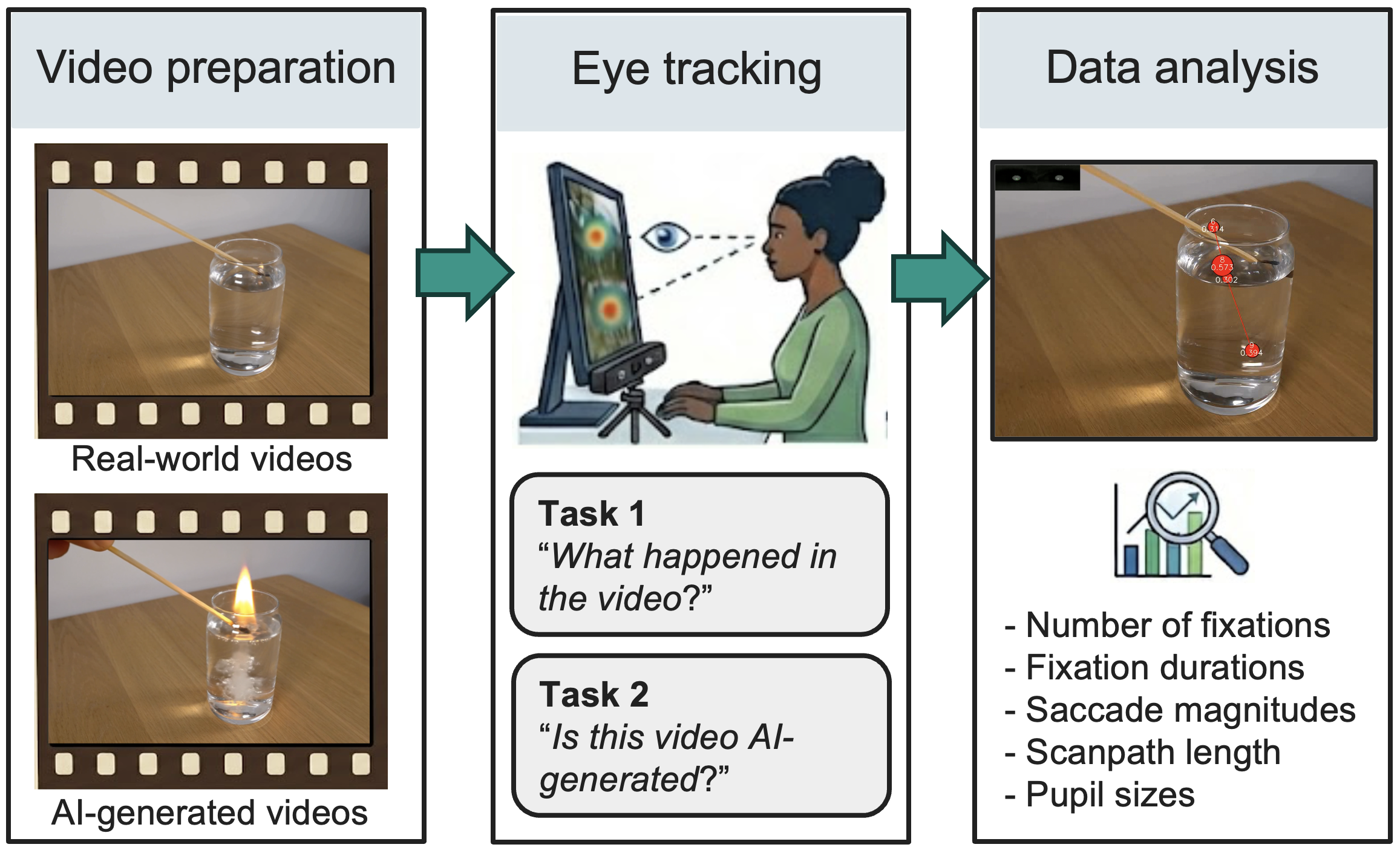
New research reveals that our gaze shifts not based on whether a video is real or fake, but on our conscious effort to determine its authenticity.
New research reveals that our gaze shifts not based on whether a video is real or fake, but on our conscious effort to determine its authenticity.

A new study examines the surprisingly complex social dynamics emerging within a community of autonomous artificial intelligence.
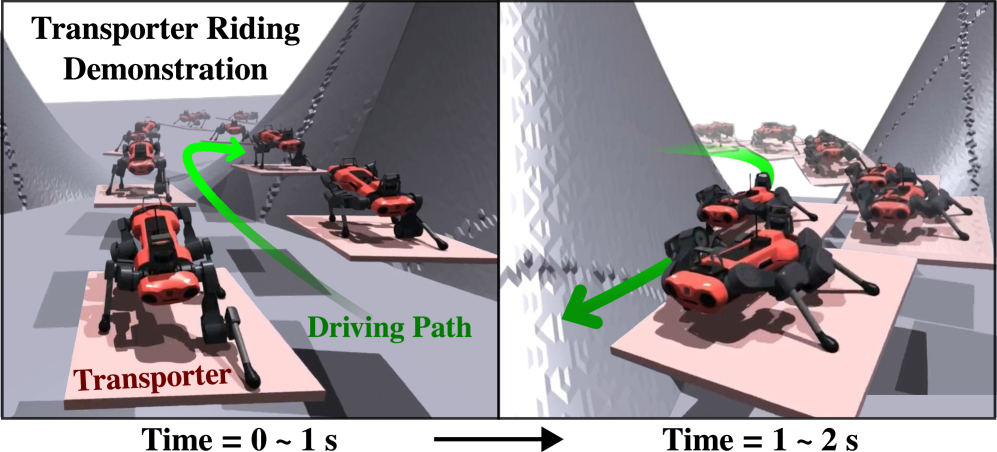
A new reinforcement learning system allows four-legged robots to dramatically improve long-distance travel by strategically using personal transportation platforms.
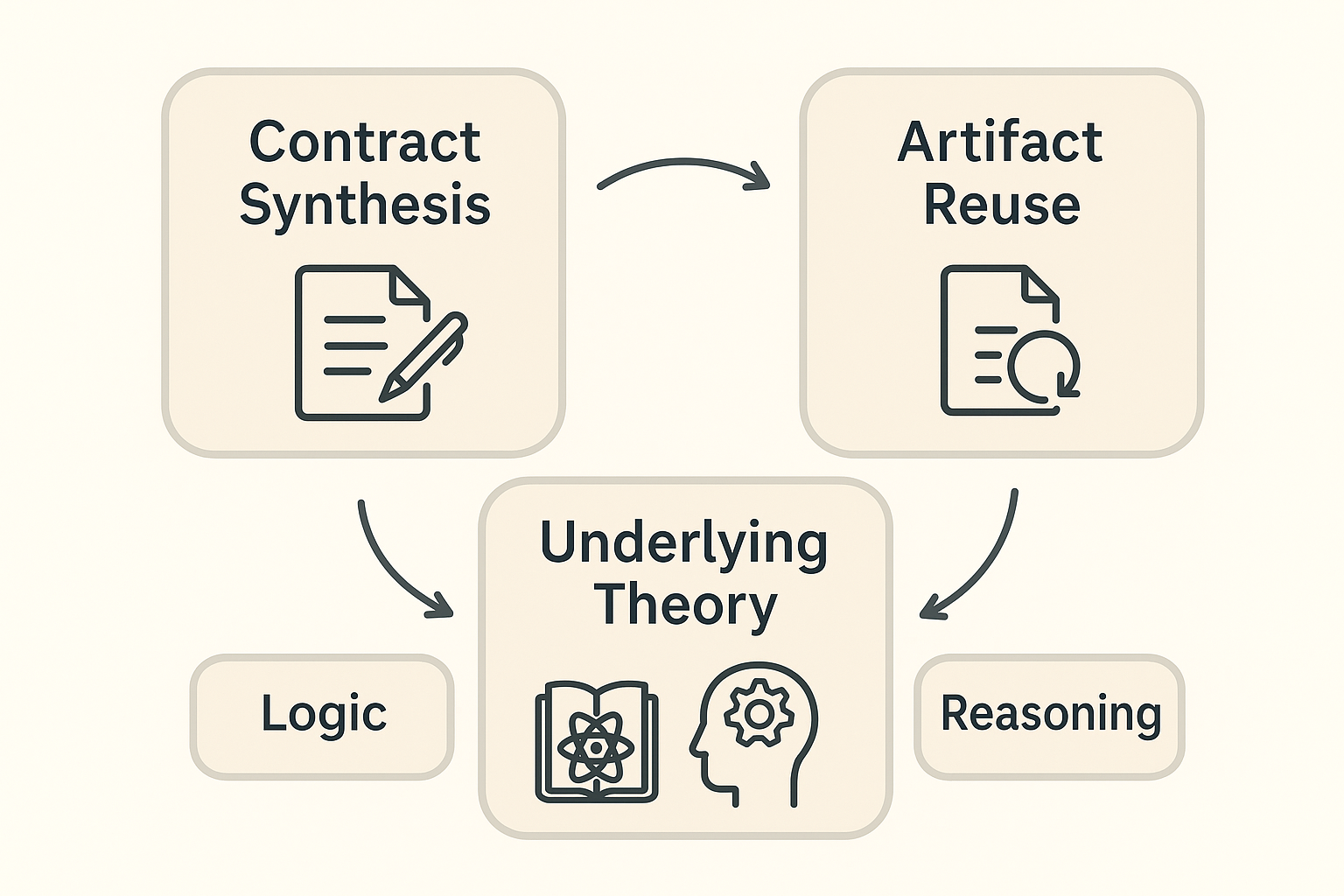
A new vision integrates the power of large language models with rigorous formal methods to automate the creation and reuse of system contracts, paving the way for scalable and dependable software verification.
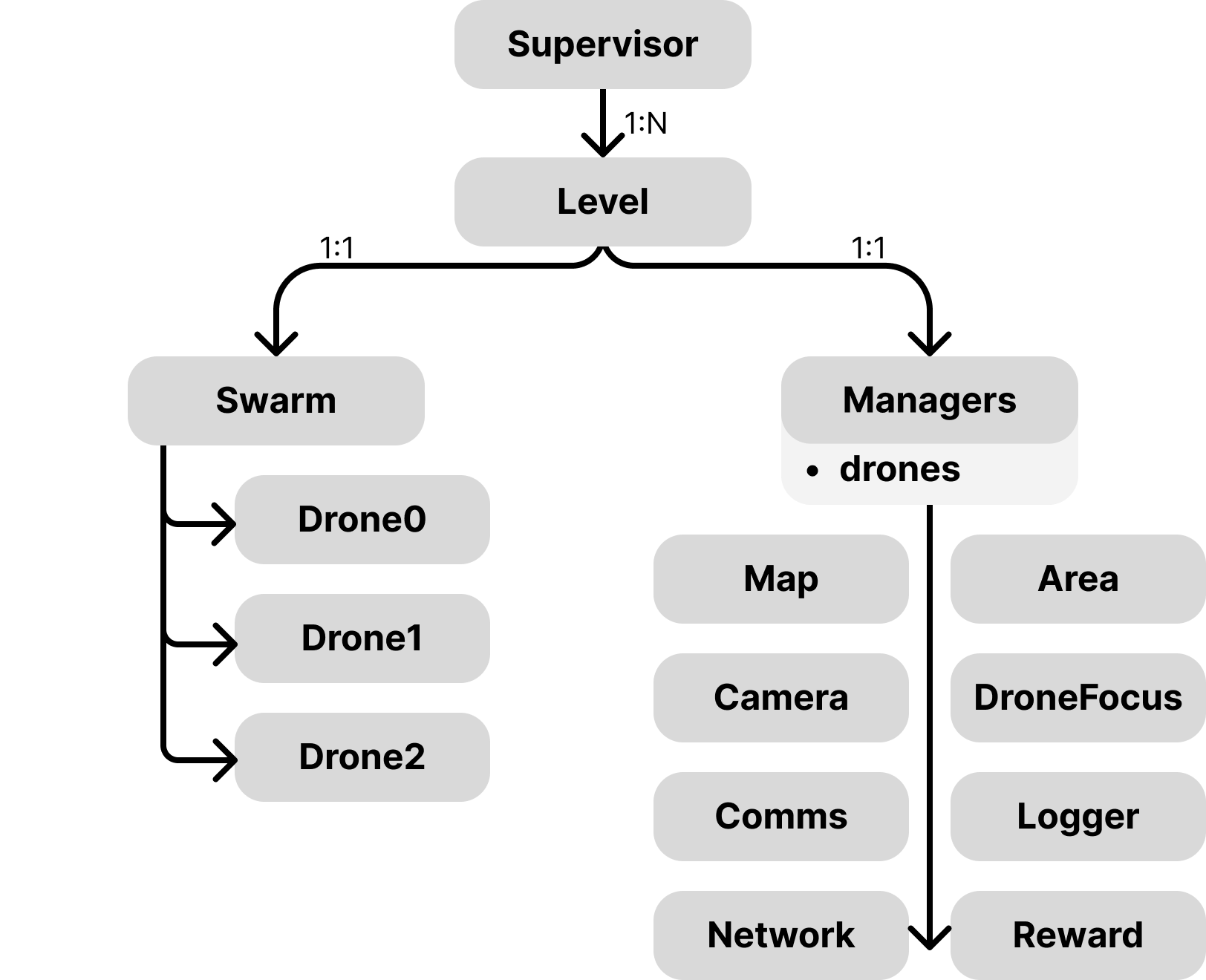
This research details a novel framework for training teams of autonomous agents to map and navigate complex indoor spaces.
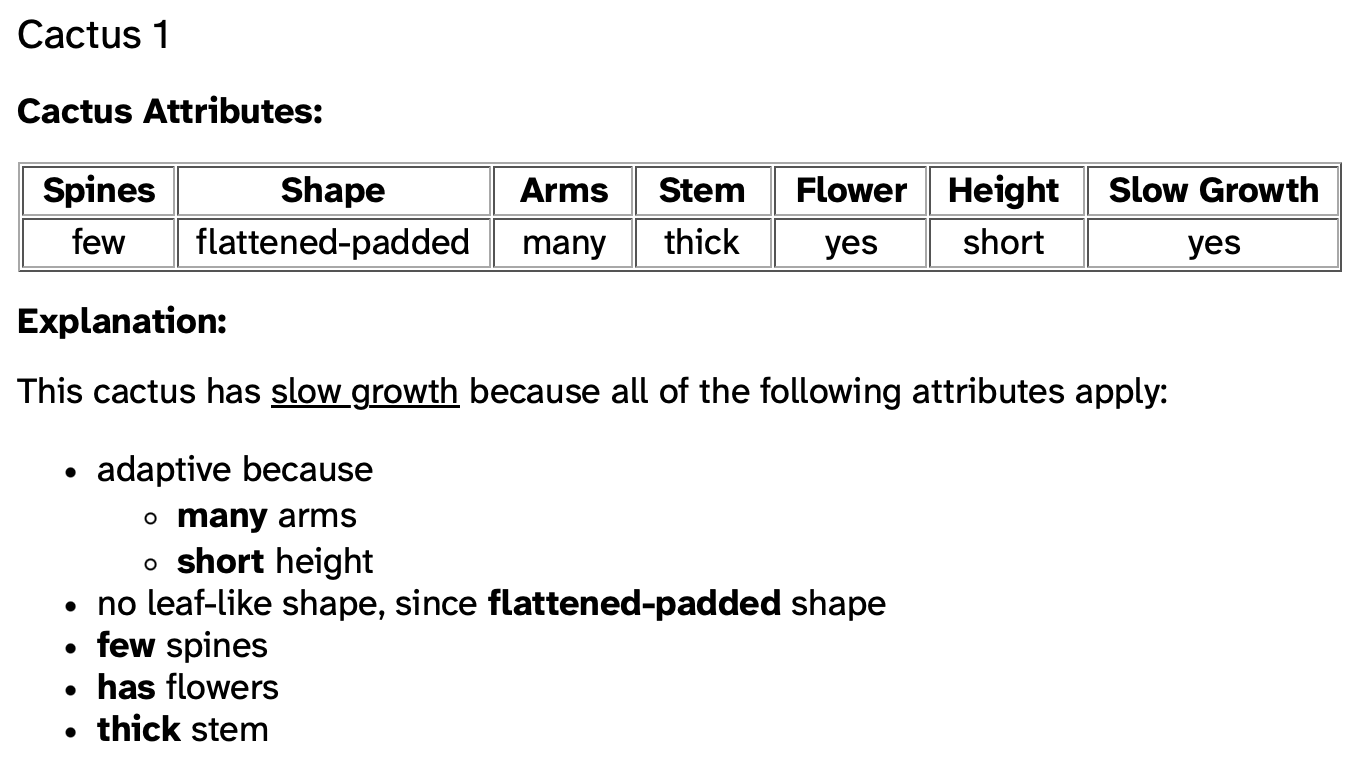
New research shows that stripping away irrelevant details from symbolic AI explanations can significantly improve how easily people grasp complex systems.
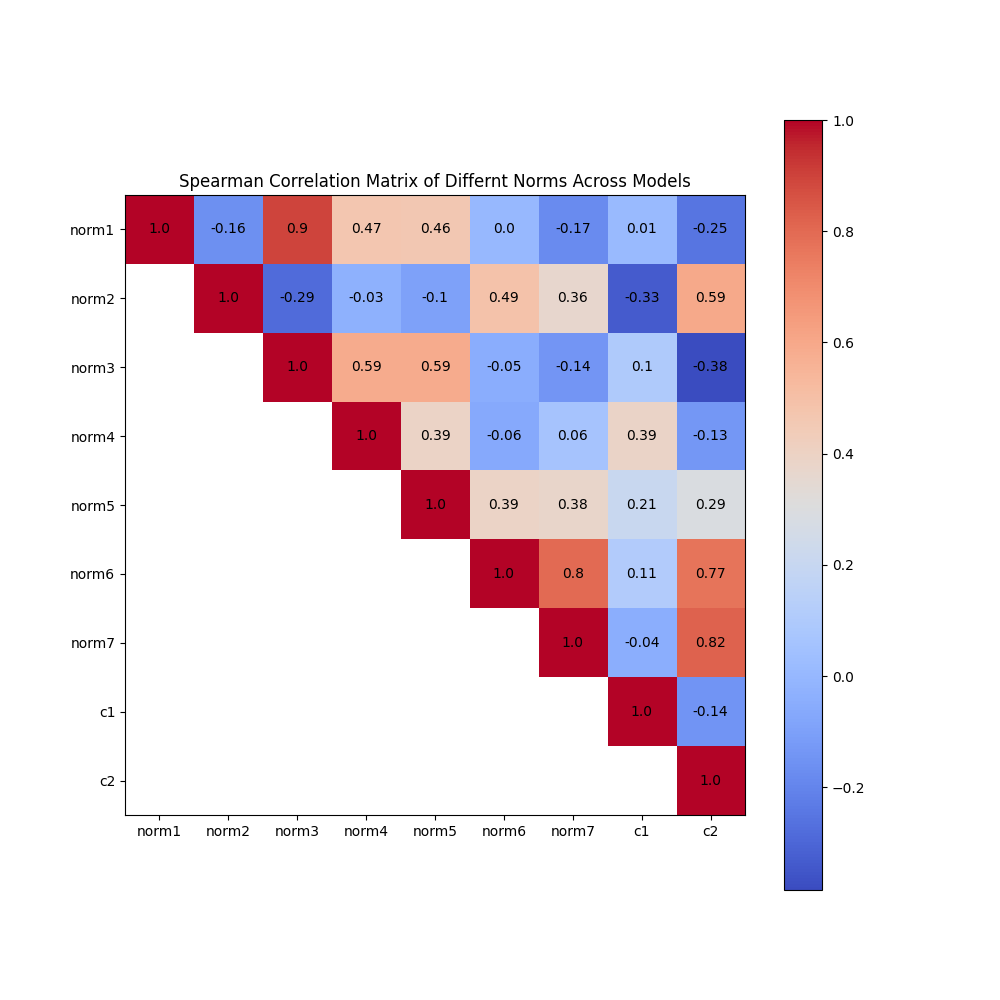
New research reveals that large language models struggle with everyday reasoning that relies on understanding unwritten social rules and contextual cues.
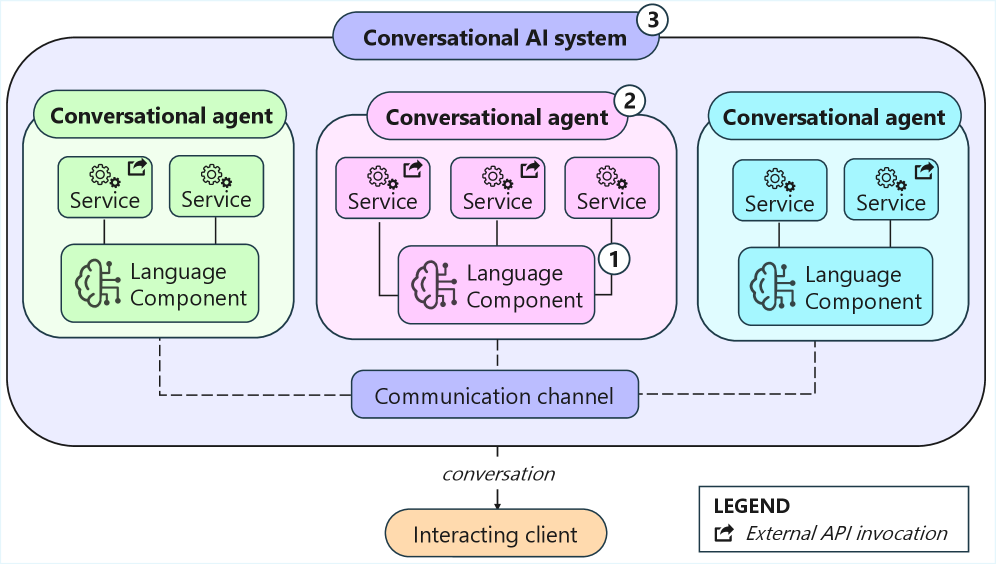
As conversational AI systems become increasingly complex, ensuring their reliability requires a shift towards systematic and automated quality assurance.
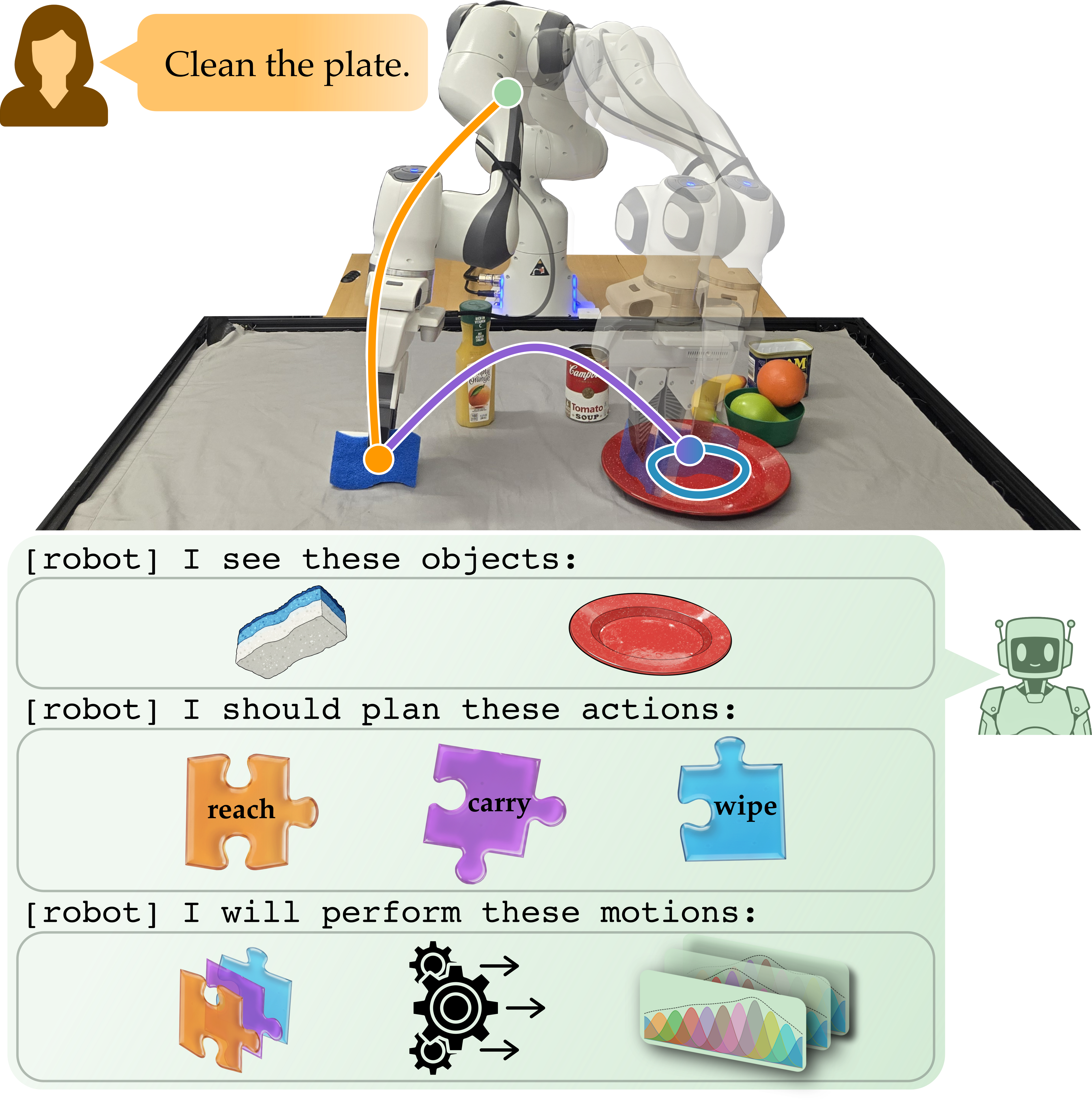
A new framework bridges the gap between natural language and robotic action, allowing robots to perform complex tasks based on spoken instructions.
This tutorial offers a unified approach to integrating reasoning capabilities into information retrieval, moving beyond simple pattern matching to address complex information needs.