Beyond Diagrams: How Thinking Styles Impact Requirements Reviews
![Figure 1:Cognitive Tasks. The study illuminates how cognitive tasks, encompassing processes like [latex] \text{planning} [/latex], [latex] \text{reasoning} [/latex], and [latex] \text{learning} [/latex], are not isolated modules but rather interconnected functions that dynamically interact to facilitate complex problem-solving.](https://arxiv.org/html/2601.16009v1/images/OSPAN.png)
New research reveals that the benefits of using visual models in software requirements inspection aren’t universal, and depend on individual cognitive strengths.
New research reveals that the benefits of using visual models in software requirements inspection aren’t universal, and depend on individual cognitive strengths.
The Laser Interferometer Space Antenna promises to open a new window on the cosmos by detecting gravitational waves from previously inaccessible sources.
New research reveals people hold large language models to different standards of fairness than humans when it comes to resource allocation and economic interactions.
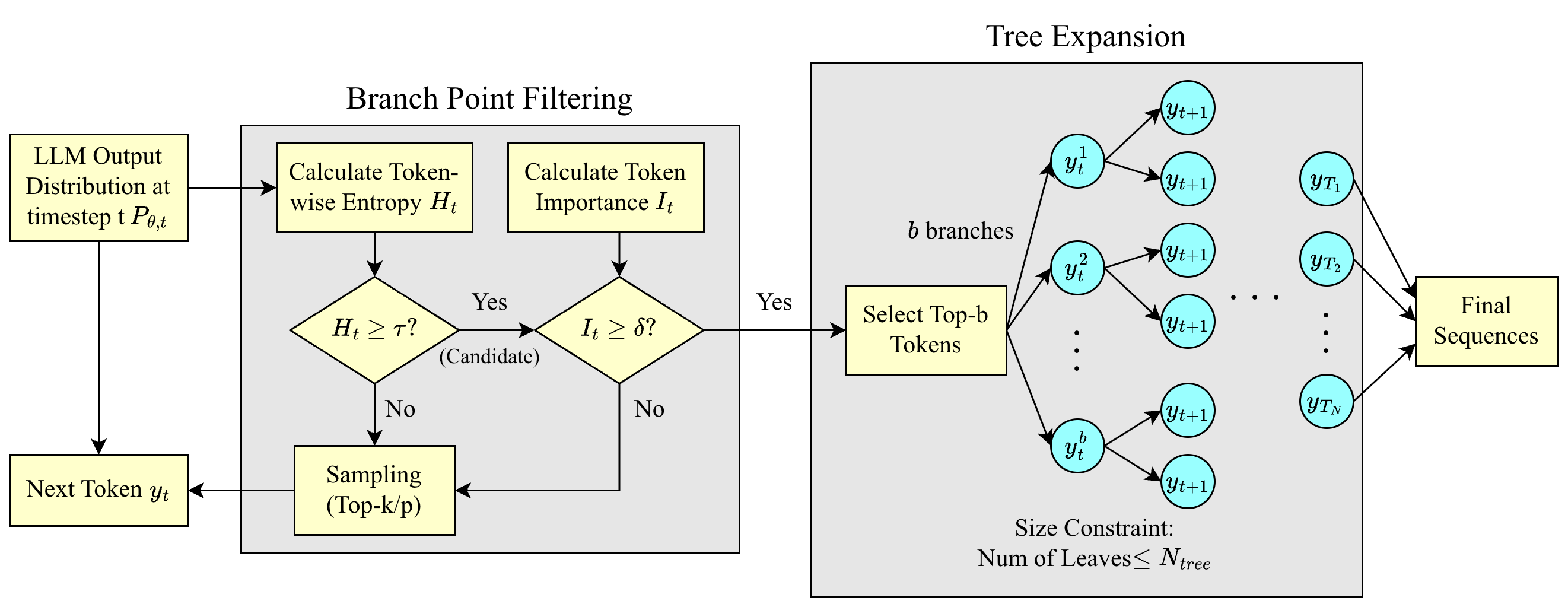
A new decoding strategy focuses on exploring less probable, but potentially more accurate, options to improve the quality and reliability of generated text.
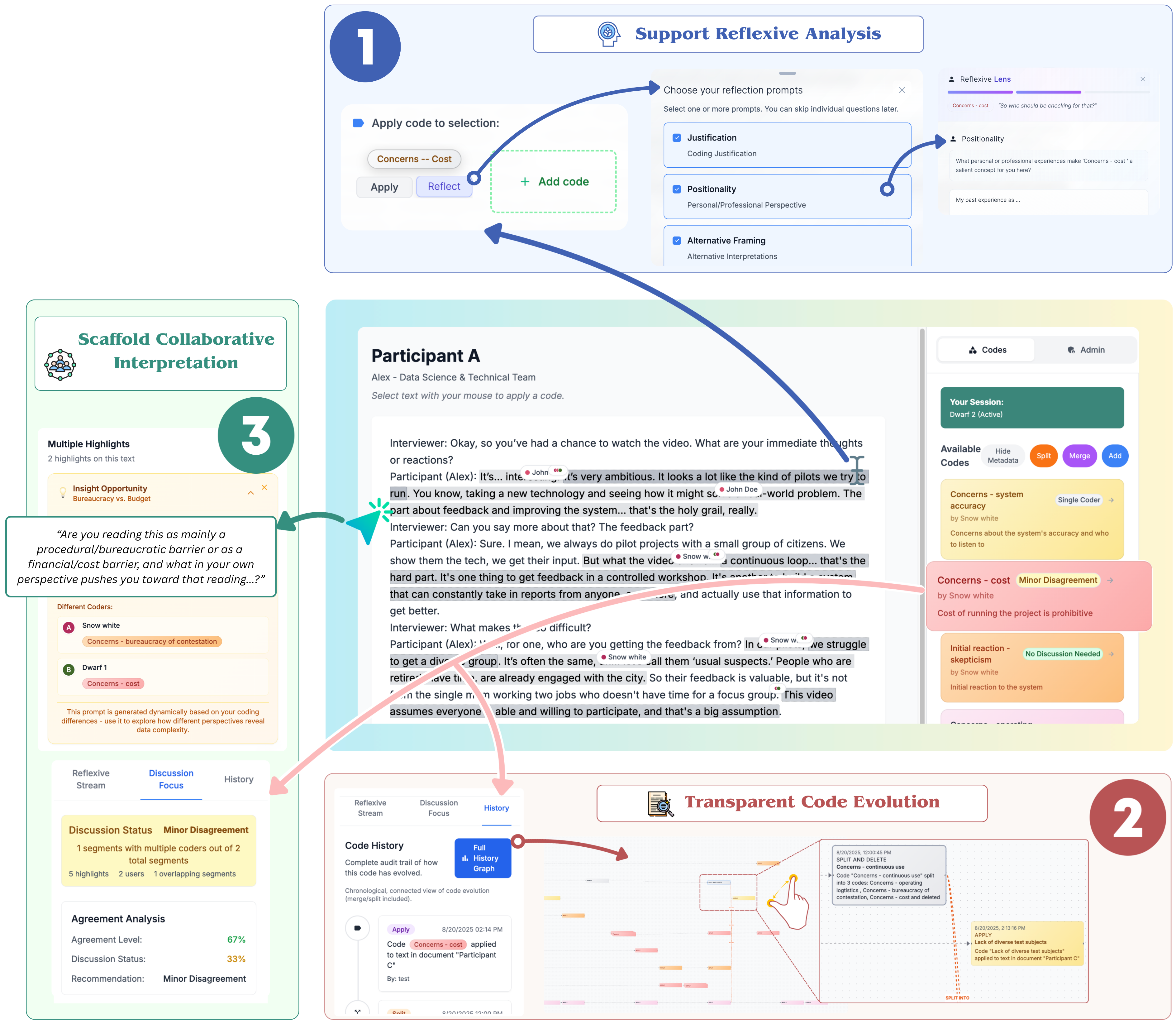
A new collaborative workspace, Reflexis, aims to enhance the rigor and transparency of qualitative analysis by embedding reflexivity and analytical provenance into the research process.

Researchers have developed a novel method that uses the power of language models and formal verification to automatically discover and exploit vulnerabilities in deep learning libraries.
![The topology of a generated simplex [latex]\mathcal{X}[/latex] is parameterized by probabilities, influencing the mean first passage time (FPT) normalized by total simplices, and-when applied to a substructure [latex]\mathcal{G}[/latex] fixed at [latex]N\_0 = 20[/latex] nodes-the mean FPT is similarly modulated by this topology.](https://arxiv.org/html/2601.16086v1/Images/FPT/FPT_graph_normalized.png)
A new study demonstrates that modeling interactions beyond simple pairwise connections-using the mathematical framework of simplicial complexes-significantly improves the ability to explore complex networks.
Researchers are leveraging the power of graph theory to unlock deeper insights into the structure of finite-dimensional Lie algebras.
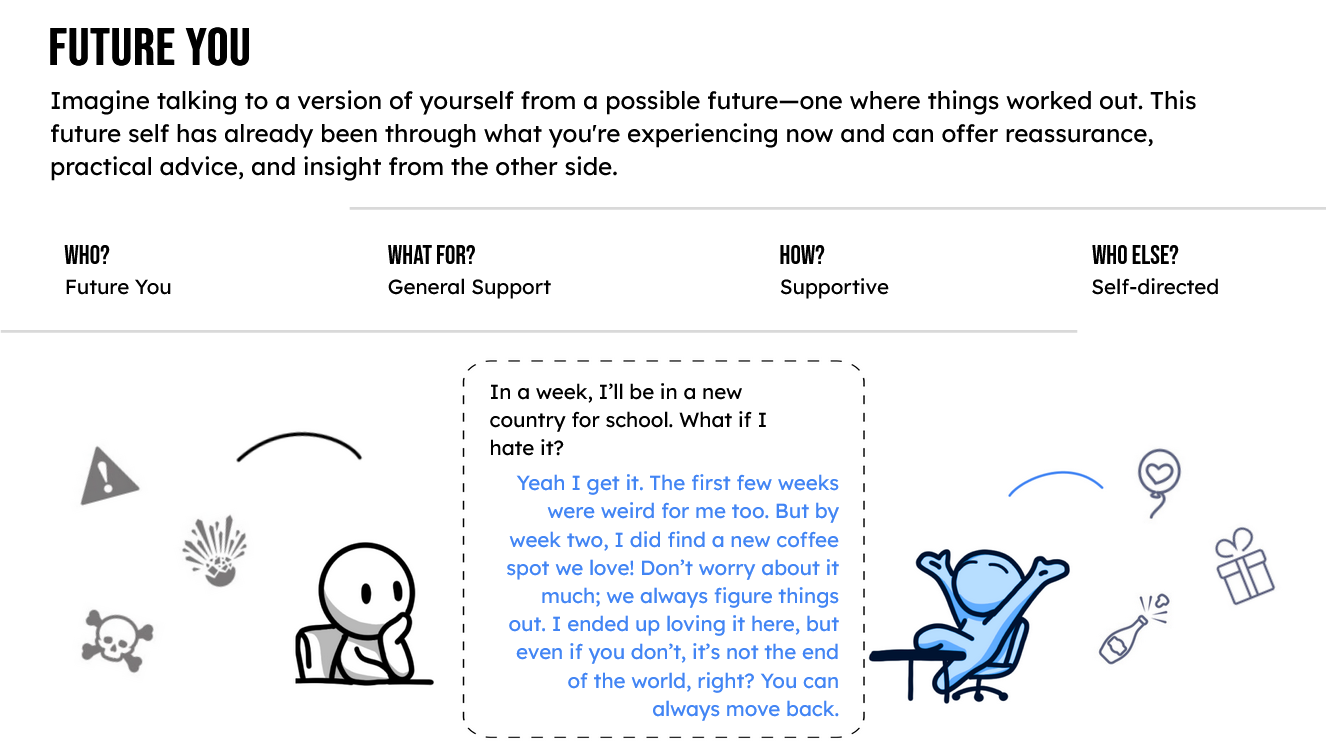
Researchers are developing a framework for creating self-clone chatbots designed to foster internal dialogue and improve psychological well-being.
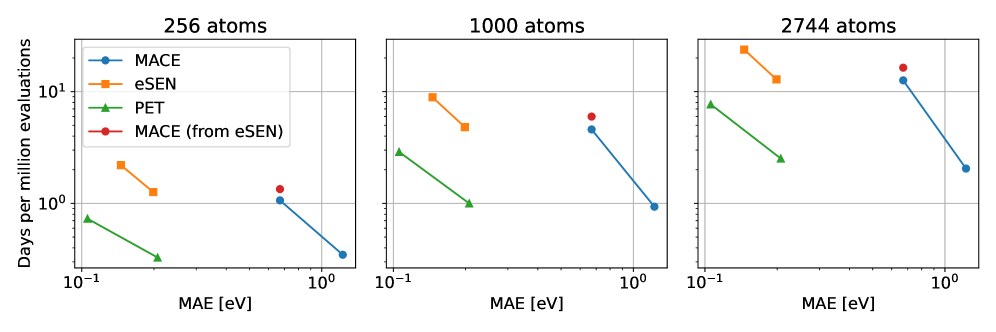
Researchers are challenging conventional wisdom in machine learning for materials science with a surprisingly effective approach to interatomic potential development.