Precision Robotics: A Single Framework for Calibrating Industrial Arms
A new calibration method streamlines the process of achieving sub-millimeter accuracy in industrial robots by addressing multiple error sources simultaneously.
A new calibration method streamlines the process of achieving sub-millimeter accuracy in industrial robots by addressing multiple error sources simultaneously.
![VibeTensor establishes a heterogeneous compute ecosystem-Python and Node.js frontends communicate with a central [latex]C++[/latex] core-where tensor operations, automatic differentiation, and CUDA runtime components are managed through shared resources and dynamically loaded extensions, anticipating future growth rather than rigid construction.](https://arxiv.org/html/2601.16238v1/figures/vibetorch_arch.png)
Researchers have demonstrated an AI-driven approach to creating complete deep learning systems, from user-facing Python code to optimized GPU kernels.
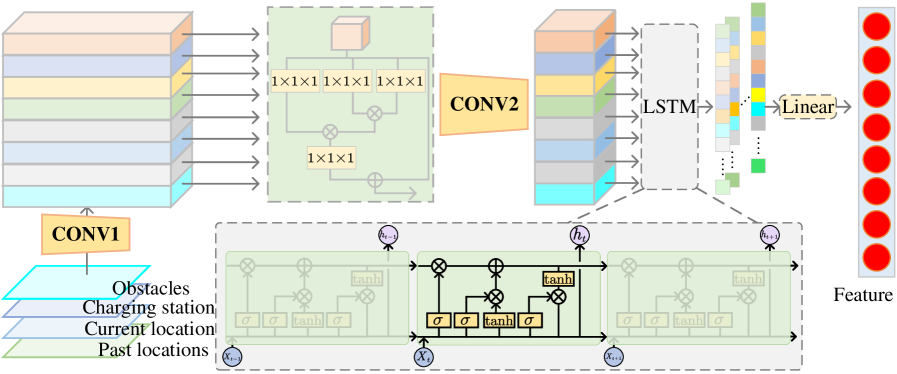
A new reinforcement learning framework enables agricultural robots to autonomously plan energy-efficient paths for comprehensive field coverage.
![The AgentDrive benchmark suite establishes a comprehensive evaluation framework-encompassing generative scenario creation ([latex]AgentDrive-Gen[/latex]), simulated outcome labeling ([latex]AgentDrive-Sim[/latex]), and rigorous reasoning assessment ([latex]AgentDrive-MCQ[/latex])-to measure the capacity of autonomous agents navigating complex driving environments.](https://arxiv.org/html/2601.16964v1/x1.png)
Researchers have released a comprehensive dataset to rigorously test the reasoning and decision-making capabilities of AI systems designed for self-driving vehicles.
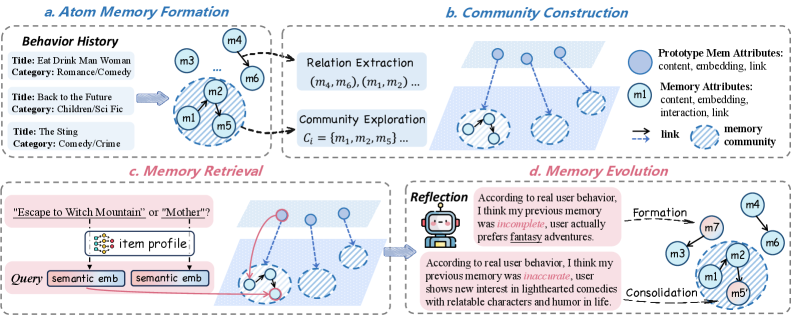
A novel memory framework allows AI agents to better understand and predict user behavior by evolving individual experiences into collective insights.
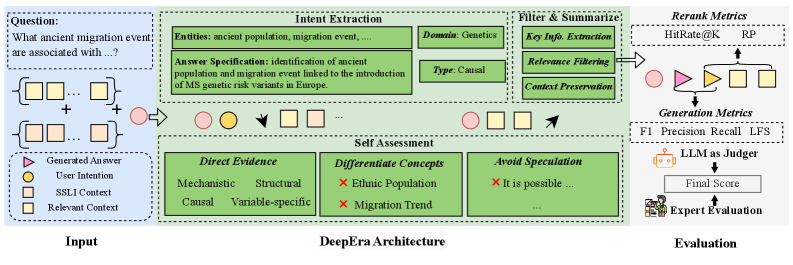
New research introduces a system that significantly improves the accuracy of AI-powered scientific question answering by focusing on the most relevant evidence.
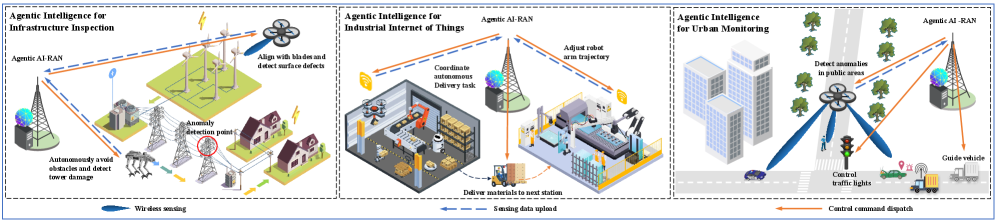
A novel architecture merges sensing, communication, computing, and control at the network edge, paving the way for robust and responsive autonomous systems.
A new analysis reveals how OpenAI’s public framing of AI ethics has evolved, prioritizing safety and ‘alignment’ over broader ethical considerations.

Integrating semantic understanding into robotic control systems is dramatically improving the speed and efficiency of complex manipulation tasks.
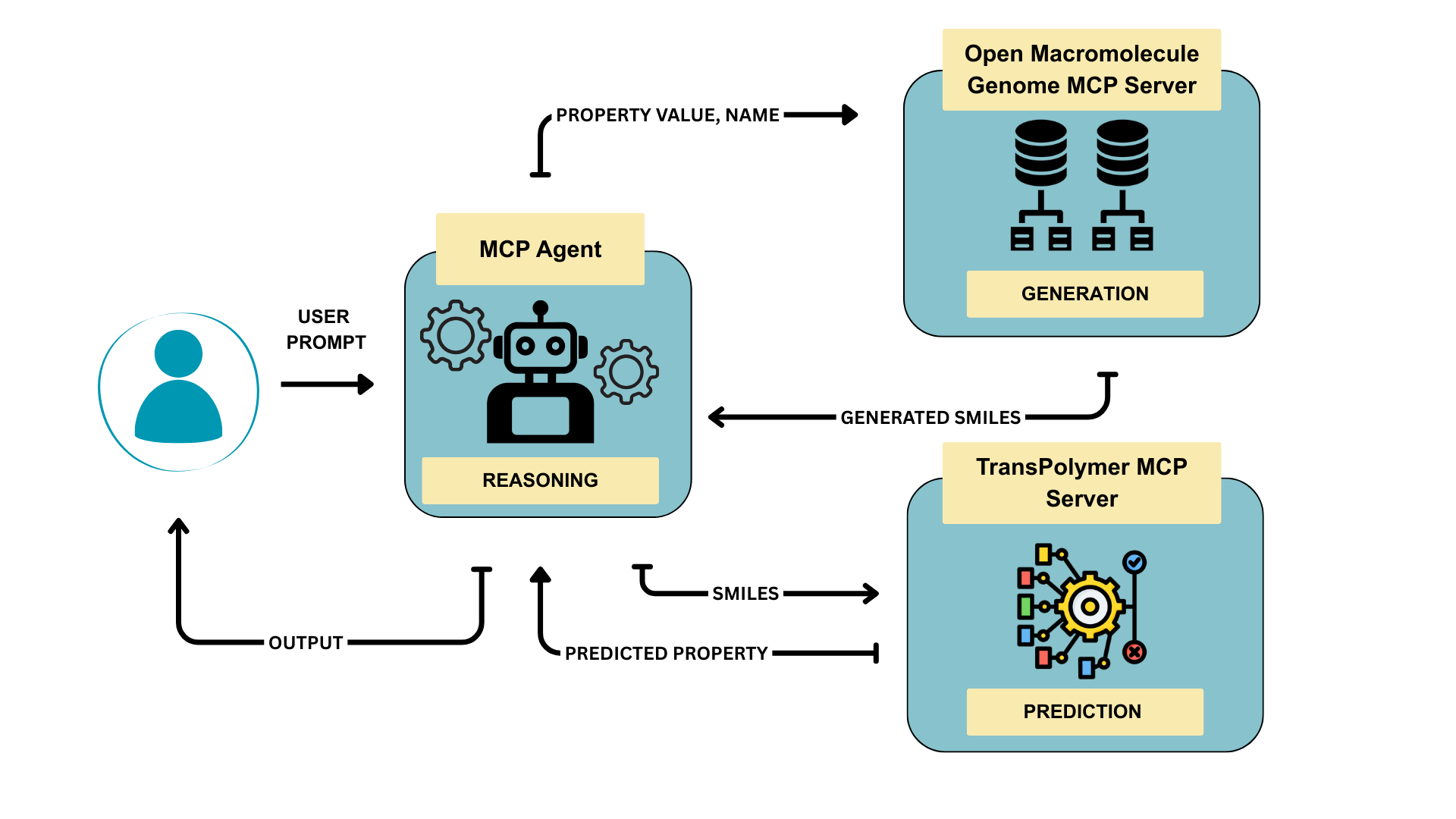
Researchers have developed an intelligent agent that leverages the power of artificial intelligence to accelerate the discovery and design of new polymers with targeted properties.