The Autonomous Scientist: A New Era of AI-Driven Discovery
Researchers have unveiled a powerful agentic framework capable of independently conducting complex scientific investigations and achieving state-of-the-art results.
Researchers have unveiled a powerful agentic framework capable of independently conducting complex scientific investigations and achieving state-of-the-art results.
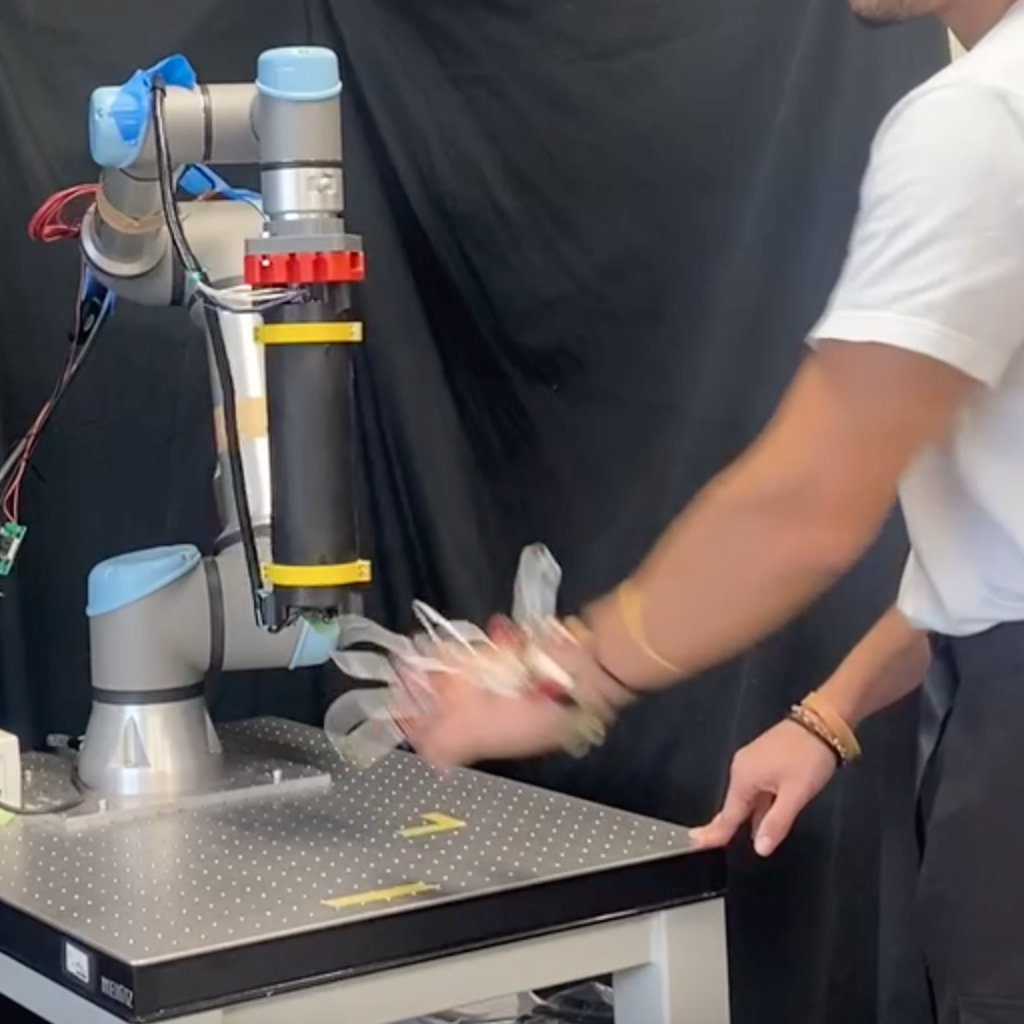
A new system leverages vision, tactile feedback, and inertial measurements to accurately interpret human actions in real-time, enabling safer and more effective human-robot interaction.
A new perspective on machine intelligence proposes that emulating the core processes of life – from self-assembly to continuous adaptation – is the key to creating truly robust and scalable AI systems.
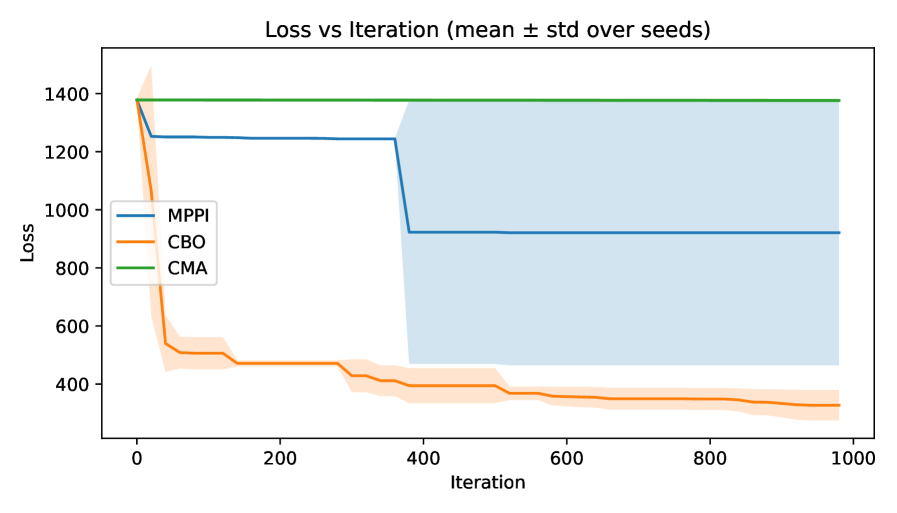
A new optimization technique leverages the collective behavior of particle swarms to dramatically improve trajectory planning and achieve global optimality in robotic systems.
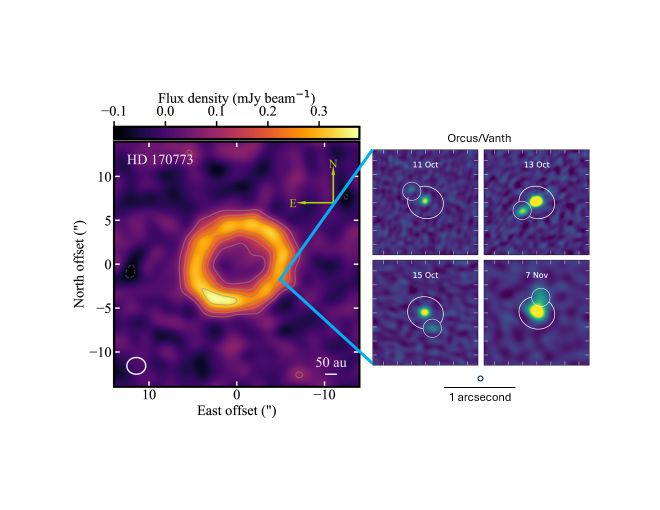
New observations with the Atacama Large Millimeter/submillimeter Array are reshaping our understanding of how planets and small bodies formed from the swirling disks of gas and dust around young stars.
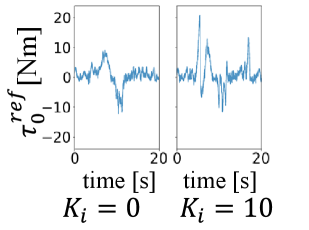
Researchers have developed a novel imitation learning framework that allows robots to learn complex manipulation skills by separating trajectory planning from real-time force control.
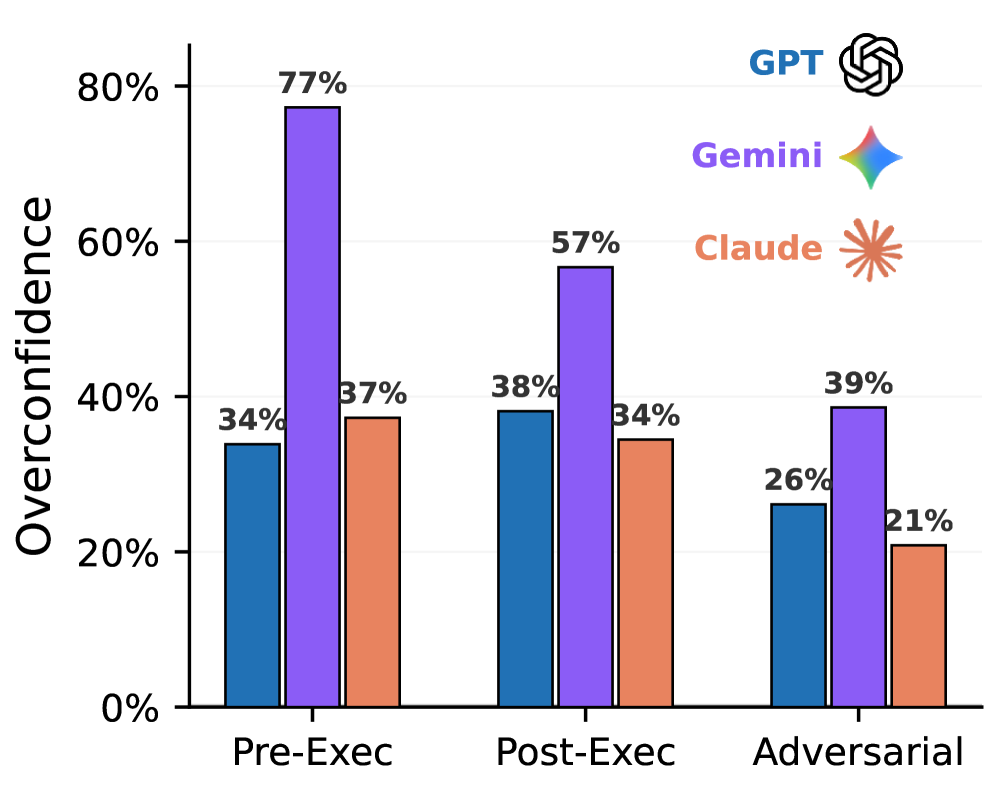
New research reveals that artificial intelligence agents consistently demonstrate overconfidence when predicting their success at coding tasks, raising critical questions about their reliability and safe deployment.
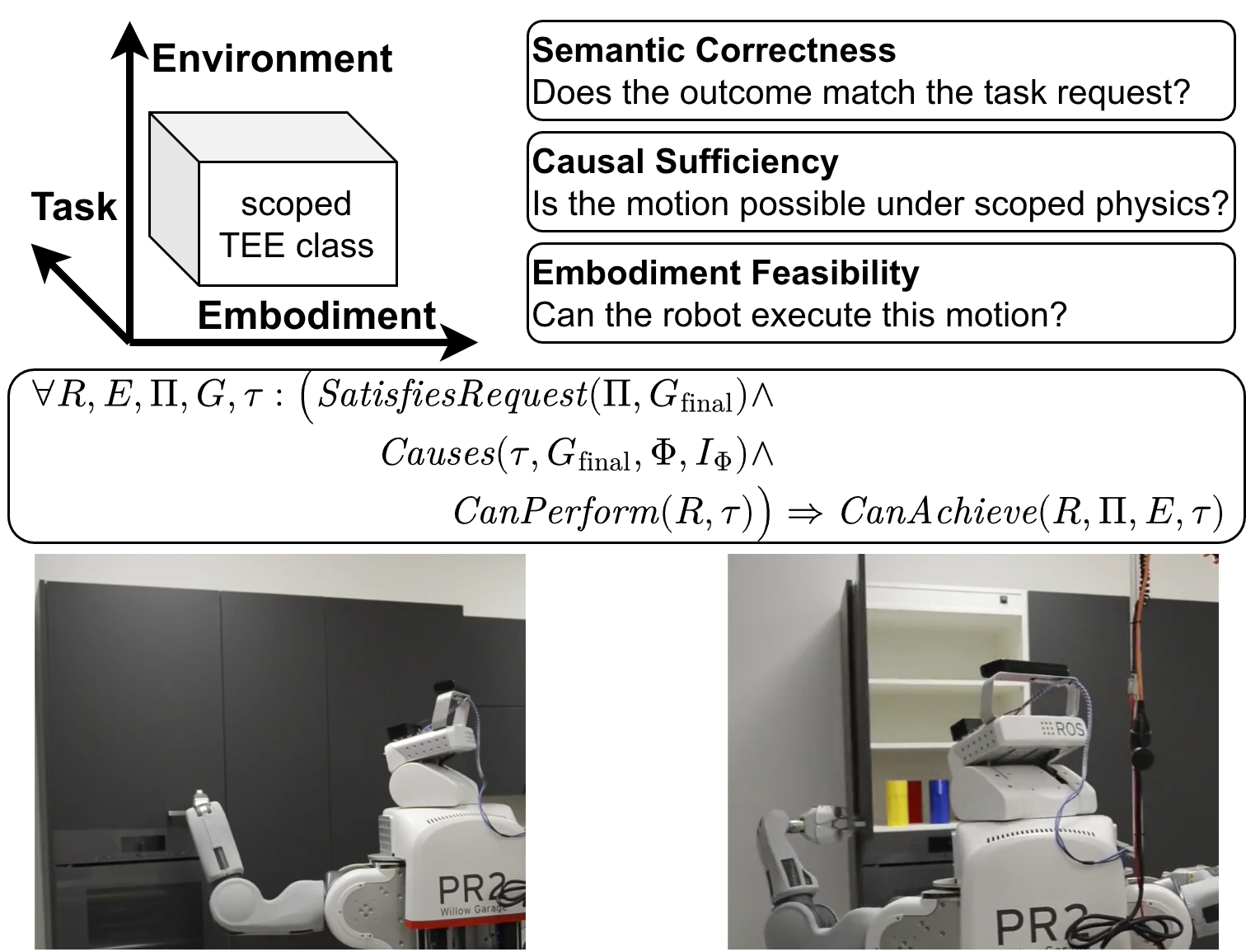
Researchers have developed a formal system for verifying the correctness of robot actions, ensuring reliable performance in complex tasks.
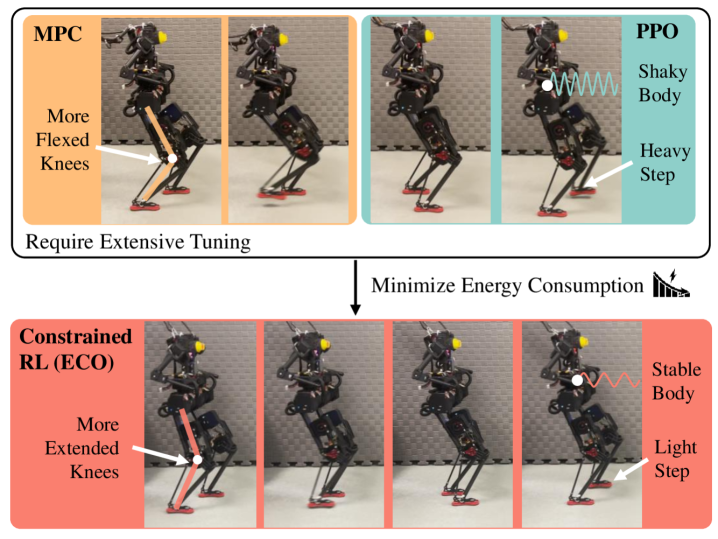
A new reinforcement learning approach tackles the critical challenge of energy efficiency in humanoid walking, paving the way for more sustainable and practical robots.
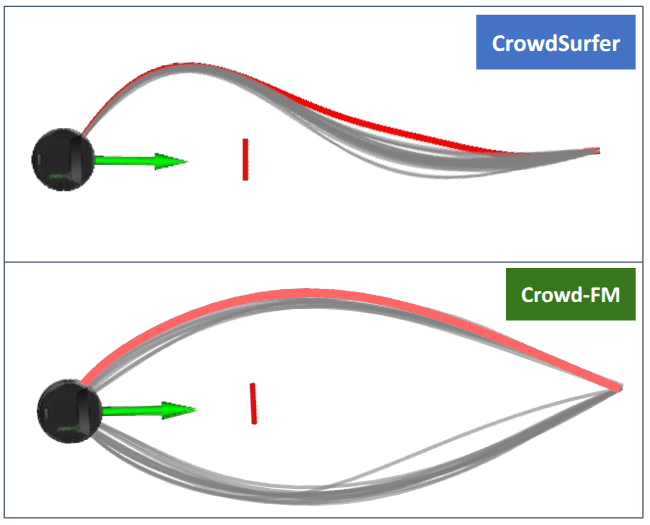
A new approach leverages generative models to predict likely human movements, allowing robots to plan efficient and natural-looking trajectories through crowded spaces.