From Data to Discovery: AI Agents Speed Up Social Science
![Iterative refinement of hypotheses-as demonstrated by exploration of the Congress dataset-not only identifies and rejects spurious correlations, such as the initially accepted but ultimately dataset-skewed phrase “I ask unanimous consent,” but also uncovers conditional sub-hypotheses-like the strengthened link between “Govt. accountability” and opposition party control-that significantly enhance predictive power, achieving a β of 0.48 and a p-value less than [latex]10^{-5}[/latex] for accepted hypotheses like those relating to “Civil rights mentions.”](https://arxiv.org/html/2602.07983v1/x6.png)
A new framework uses artificial intelligence to automate the process of forming and testing theories, promising faster and more reliable insights in the social sciences.
A new framework uses artificial intelligence to automate the process of forming and testing theories, promising faster and more reliable insights in the social sciences.
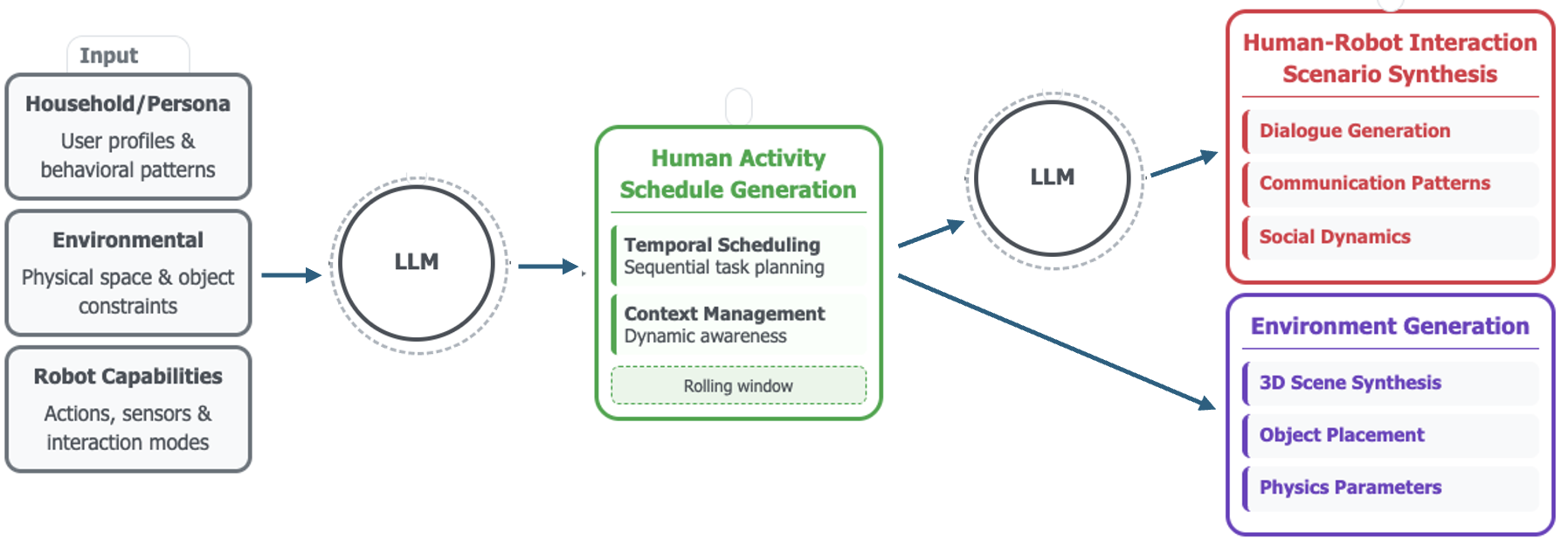
Researchers are tackling the data scarcity problem in home robotics with a new framework for generating comprehensive, behavior-driven synthetic household environments.
This review examines how artificial intelligence, combined with cutting-edge encryption methods, can bolster data security and promote equitable algorithmic decision-making within the growing field of environmental oversight.
New research explores how assigning distinct identities to different components of a single robot influences human perceptions of responsibility when things go wrong.
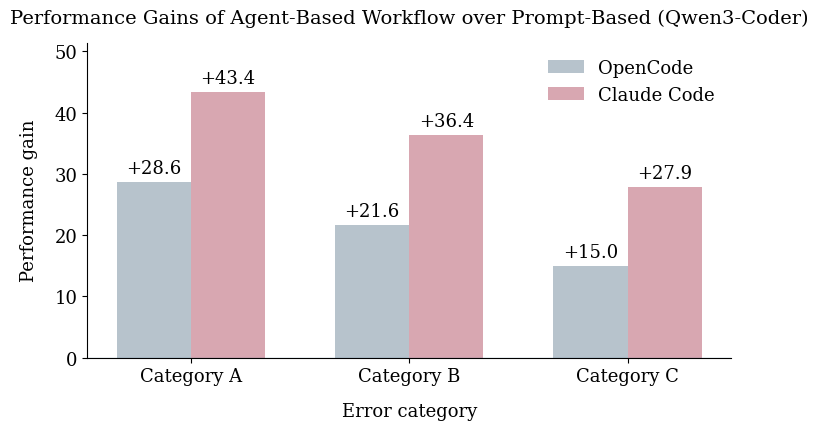
New research explores how artificial intelligence can automatically recreate and repair computational analyses in the social sciences, addressing a critical challenge to scientific validity.
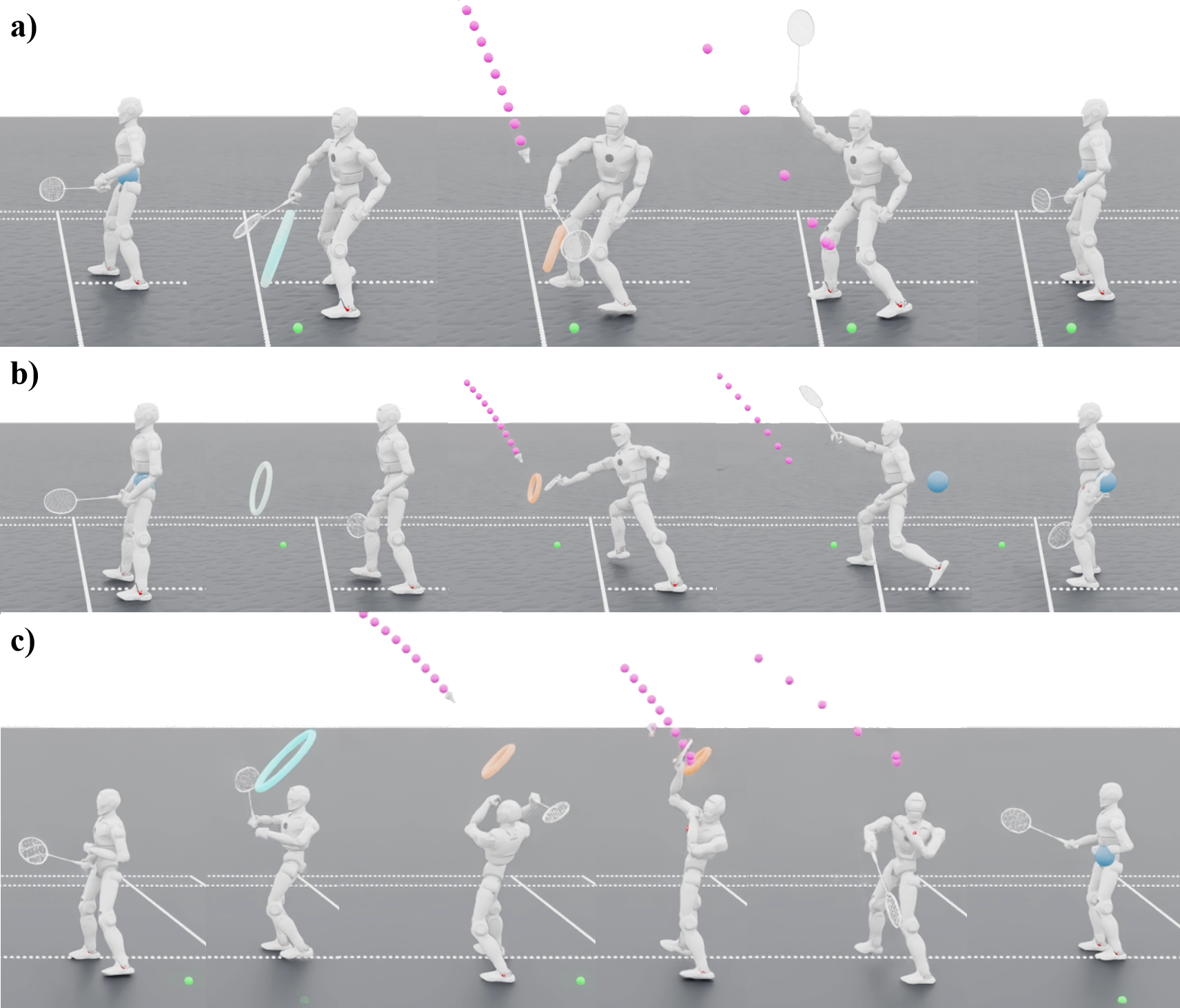
Researchers have developed a reinforcement learning system that allows a humanoid robot to master the complex motor skills required for playing badminton, bridging the gap between simulation and real-world performance.
This review examines how advanced artificial intelligence is poised to reshape toxicologic pathology and accelerate the development of safer therapeutics.
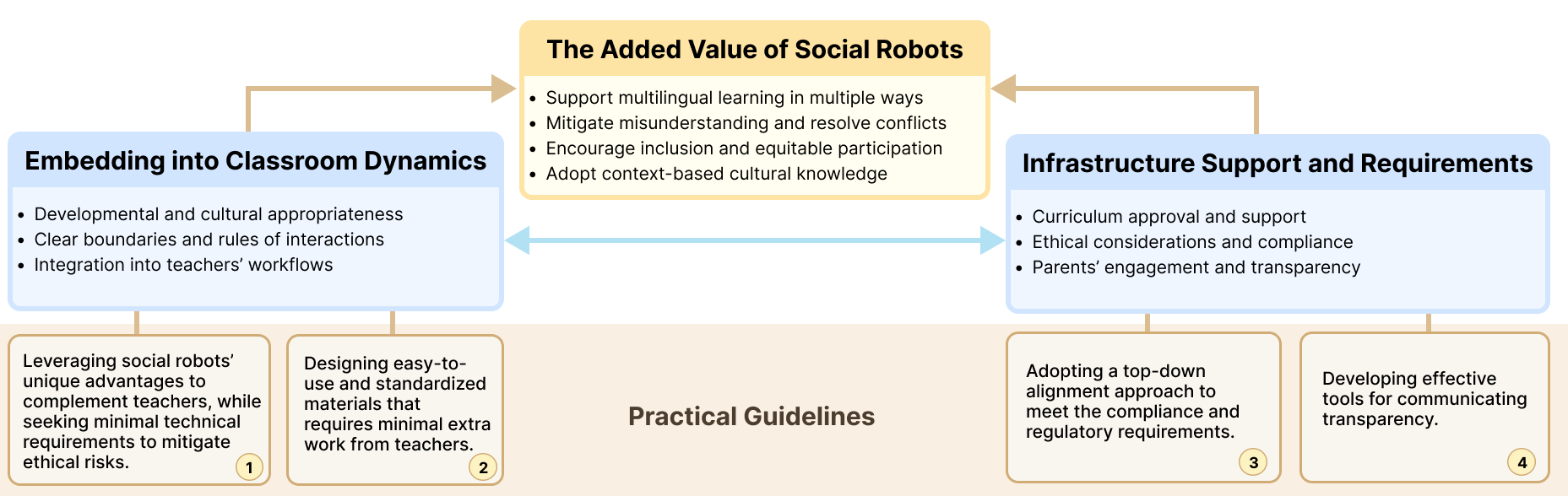
New research explores how social robots can be thoughtfully integrated into classrooms to foster students’ understanding and appreciation of different cultures.
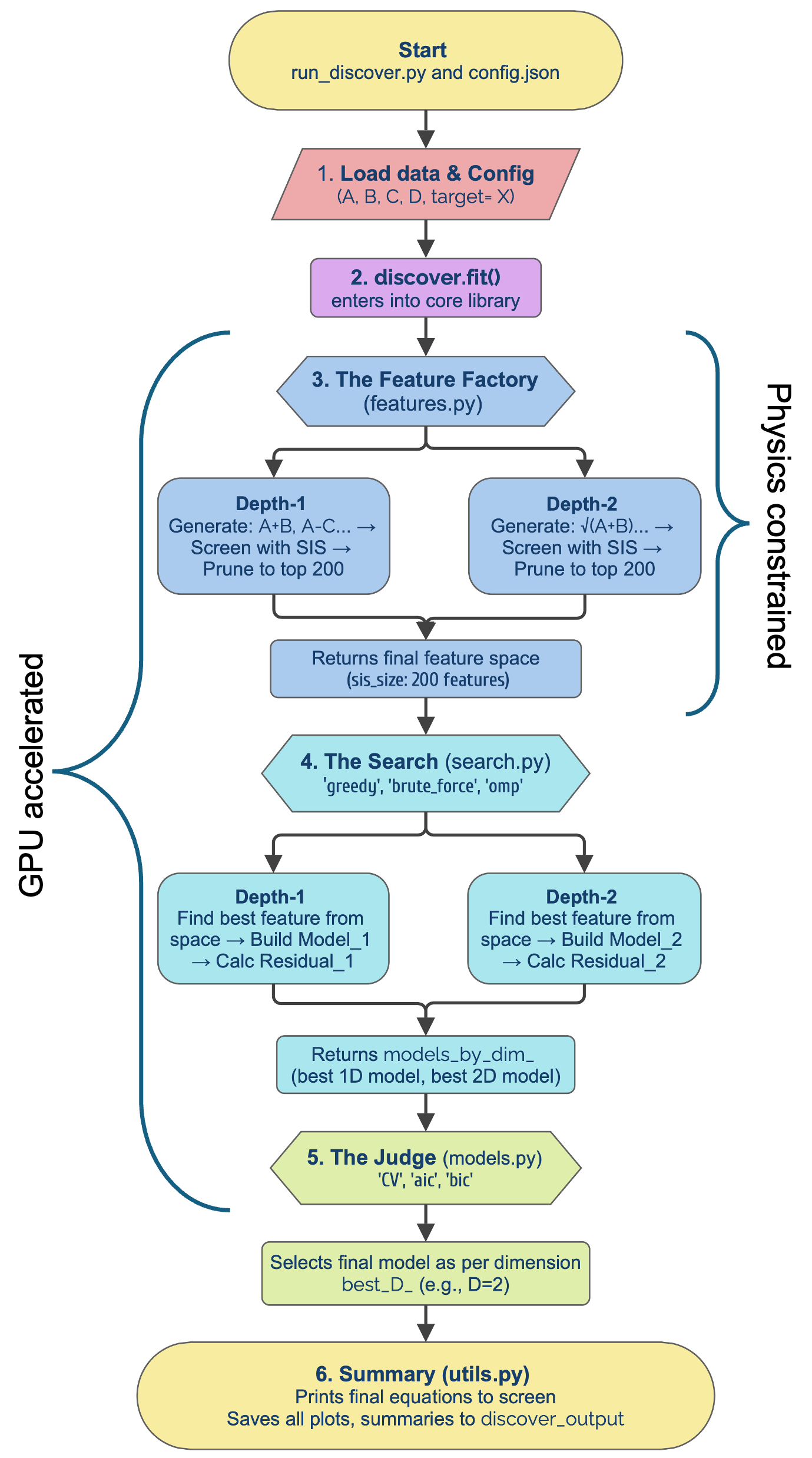
A new framework intelligently searches for mathematical equations governing scientific phenomena, leveraging the power of modern hardware.
New research suggests that interacting with robots exhibiting lifelike, biomimetic haptic feedback – such as breathing and heartbeat – can effectively support human emotion regulation.