Intelligent Networks: Orchestrating AI at the Edge
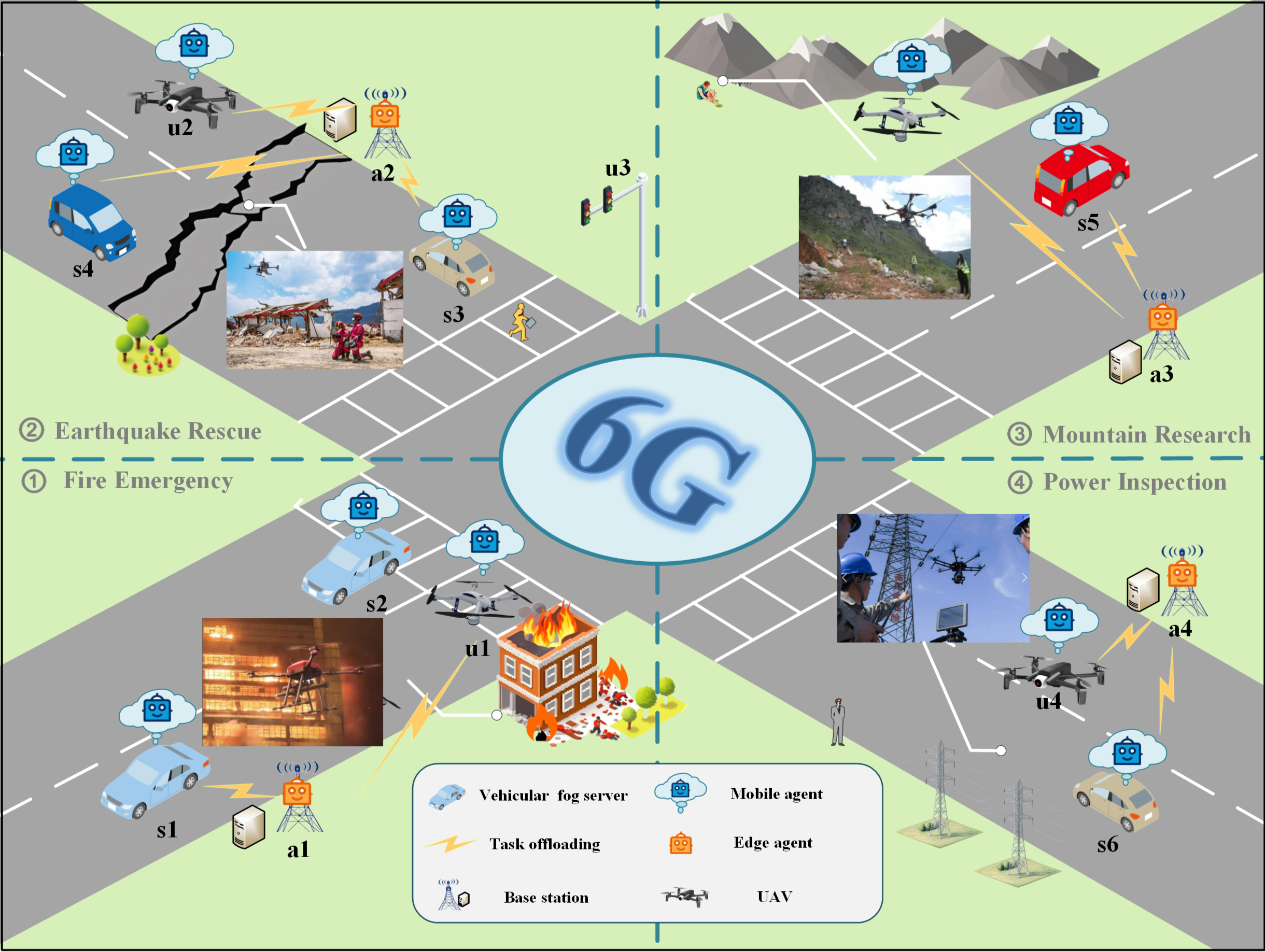
A new framework leverages the power of collaborative AI agents and next-generation 6G networks to deliver low-latency intelligence for critical applications.
A new framework leverages the power of collaborative AI agents and next-generation 6G networks to deliver low-latency intelligence for critical applications.
A new study examines how generative AI tools are changing the landscape of software development and impacting developer workflows.
![LingBot-VA constructs a predictive world model through pretraining on expansive video and robotic action data, achieving substantial performance gains on complex real-world manipulation tasks-including those involving deformable objects and precision control-and demonstrating emergent capabilities such as long-range temporal memory and few-shot adaptation beyond standard policy learning, effectively modeling visual dynamics and inferring inverse dynamics from robot videos-surpassing benchmarks like [latex]\pi_{0.5}[/latex].](https://arxiv.org/html/2601.21998v1/x1.png)
New research demonstrates a powerful framework for robots to anticipate outcomes and adapt their actions, leading to more robust and generalizable manipulation skills.
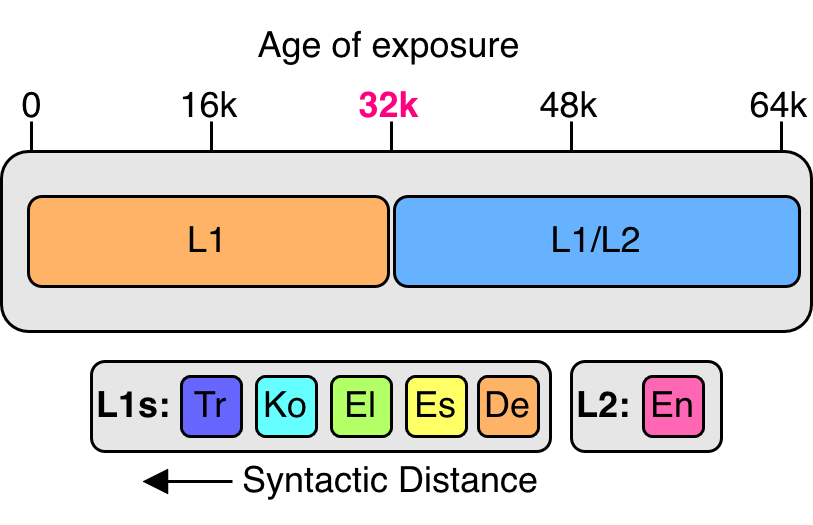
New research uses artificial intelligence to reveal the complex interplay between languages in the human mind.
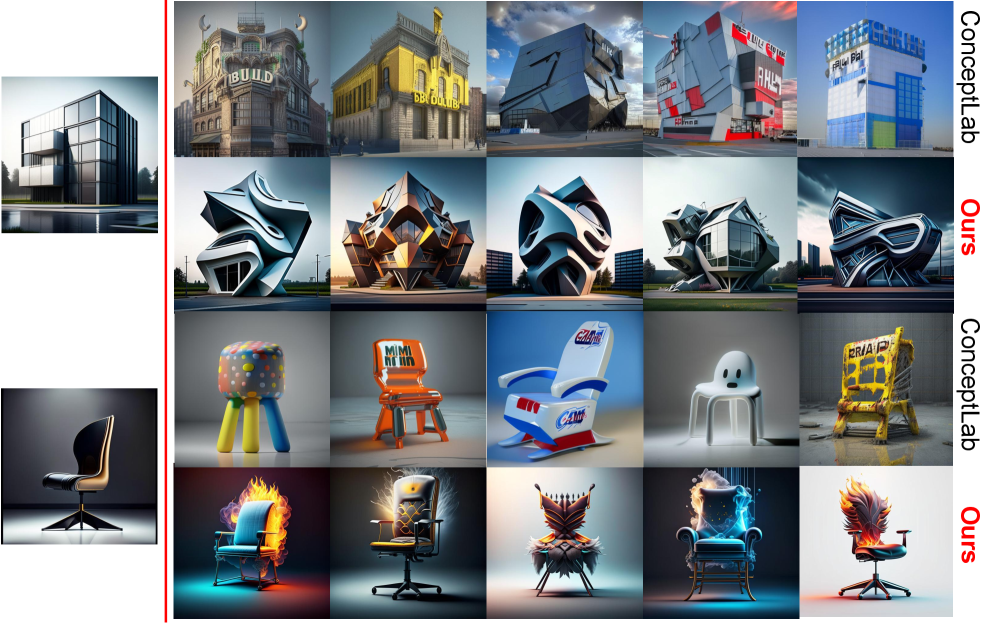
Researchers are exploring methods to guide diffusion models towards generating truly original images, moving beyond predictable outputs.
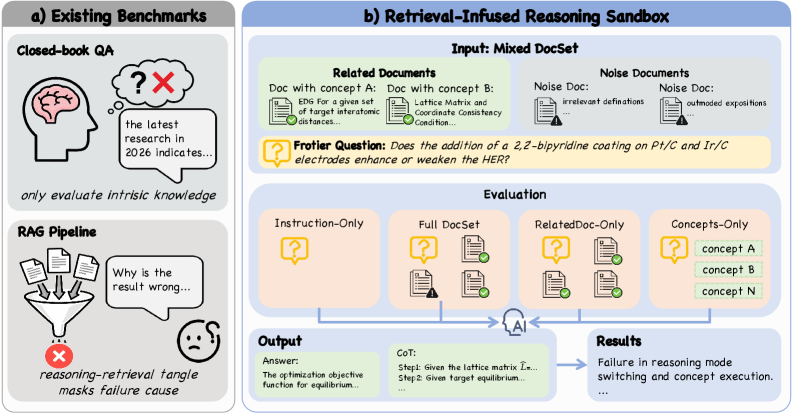
A new benchmark probes the ability of large language models to effectively integrate retrieved knowledge into complex scientific problem-solving.
![The system learns a state-adaptive policy through a Skill Mixture-of-Experts framework, where raw observations are encoded into state features and projected onto an orthogonal basis [latex]B(s)[/latex] generated via QR retraction, enabling action reconstruction through [latex]B(s)(g \odot z)[/latex]-a process refined by reconstruction, diffusion, gate regularization, and alignment losses-and, crucially, maintains consistent expert roles across changing states via sticky-gated weights.](https://arxiv.org/html/2601.21251v1/x2.png)
Researchers have developed a diffusion-based framework that enables robots to learn and reuse manipulation skills more efficiently, paving the way for more adaptable and versatile robotic systems.
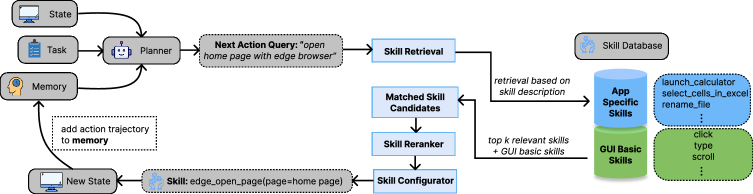
A new framework, CUA-Skill, aims to bridge the gap between large language models and practical desktop automation by encoding reusable skills derived from human computer interaction.
![The study demonstrates that an AI-augmented Distributed Two-Objective Coverage (D2OC) approach significantly improves coverage efficiency-as evidenced by the refined sample distribution-compared to a standard mission completion without AI, a performance gain achieved through an adaptive learning process monitored by the decreasing trajectory of the loss function [latex] L [/latex].](https://arxiv.org/html/2601.21126v1/figs/loss2.png)
A new decentralized control framework leverages artificial intelligence to enable multi-agent systems to efficiently map complex environments.
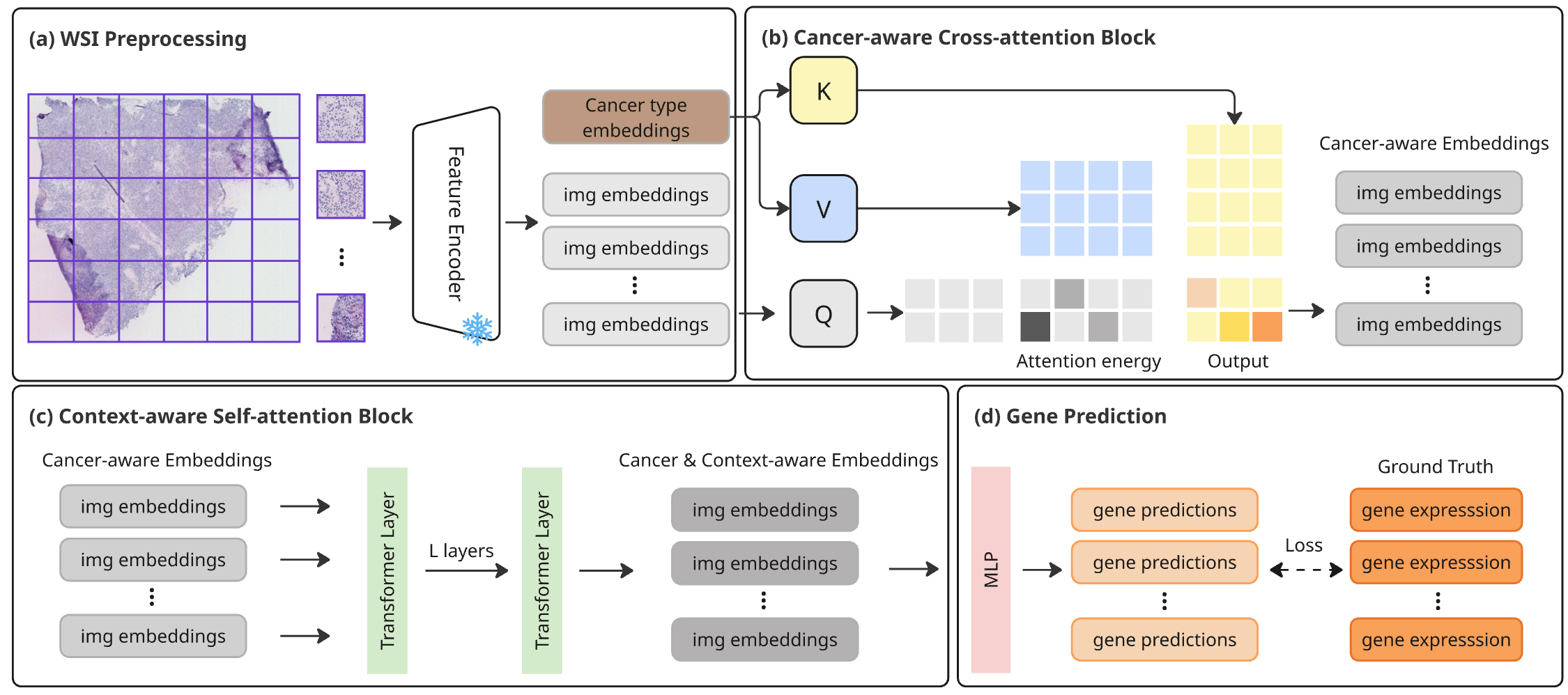
A new model accurately decodes biological activity from tissue images, offering a powerful way to analyze cancer pathways without relying on traditional genomic data.