Designing with Care: The Future of Healthcare Robots
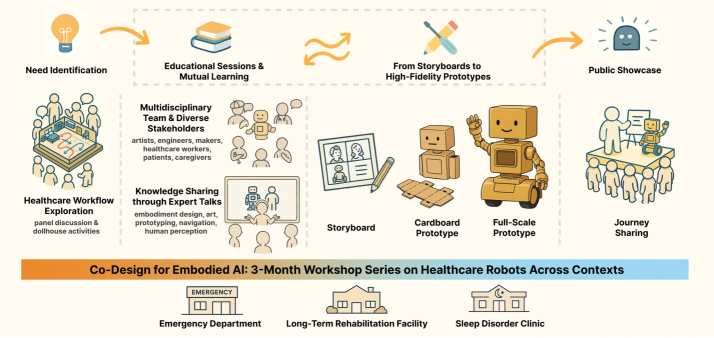
A new study details a collaborative approach to building robots for complex healthcare environments, prioritizing the needs of both patients and practitioners.
A new study details a collaborative approach to building robots for complex healthcare environments, prioritizing the needs of both patients and practitioners.
A new wave of research demonstrates that large language models, like Gemini, are moving beyond simple automation to actively collaborate with scientists on solving complex problems and generating novel insights.
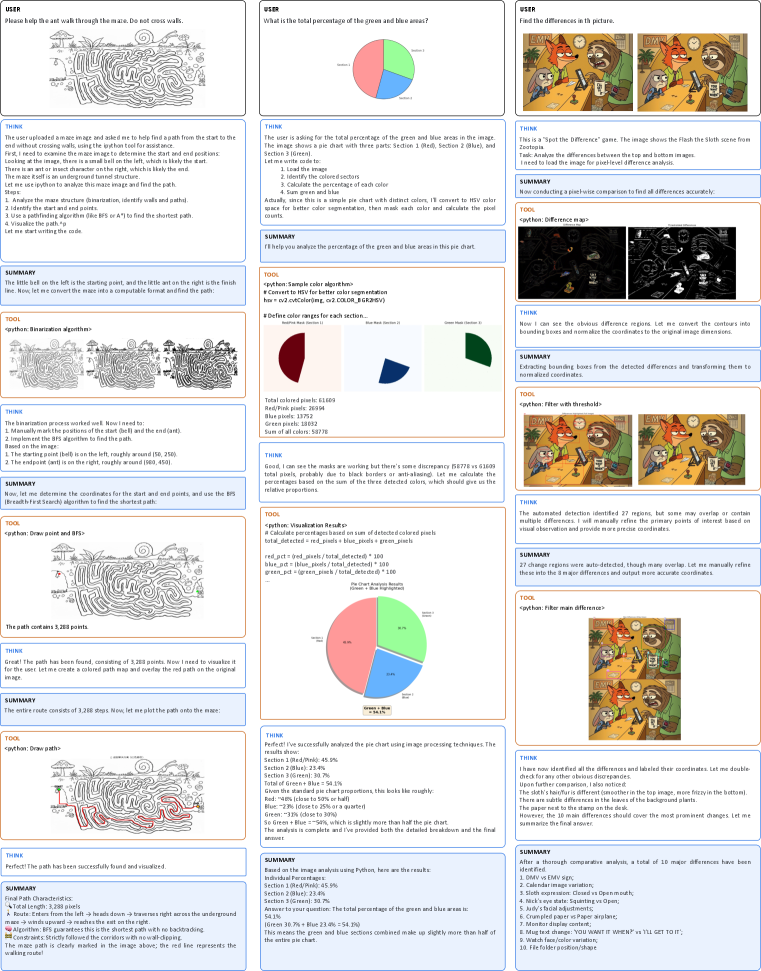
A new architecture, Kimi K2.5, is pushing the boundaries of artificial intelligence by enabling machines to learn from both text and vision, and coordinate complex tasks in parallel.
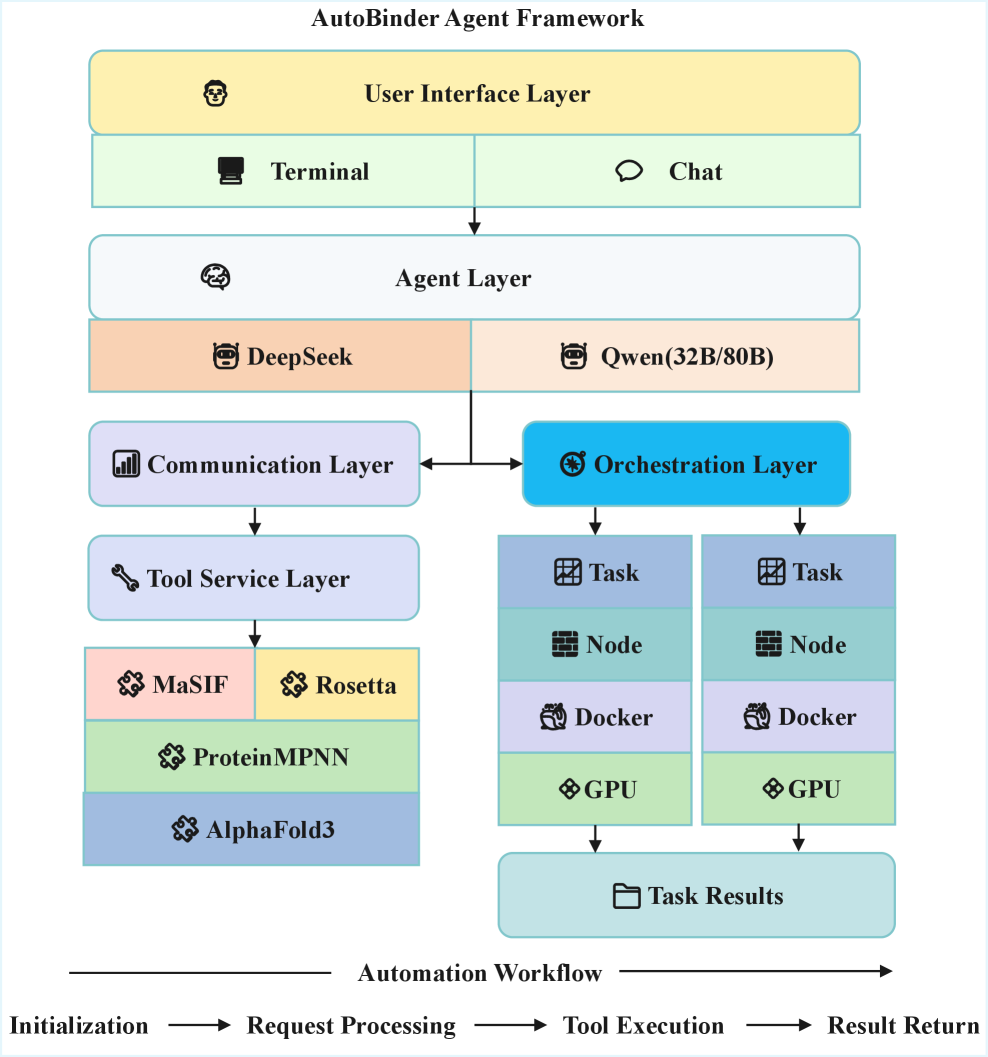
Researchers have developed an AI-powered system that streamlines the entire process of creating proteins designed to bind to specific targets, promising faster and more efficient drug discovery.
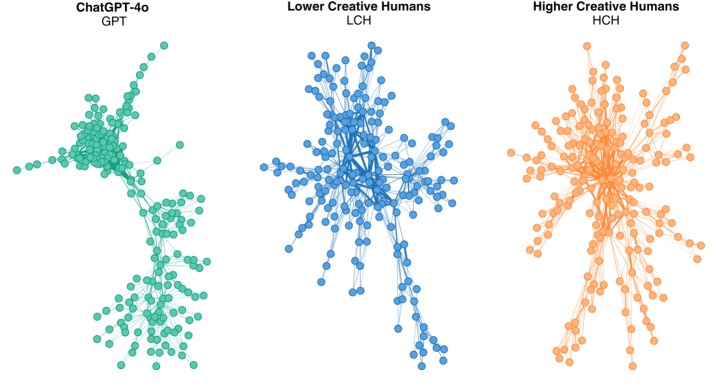
New research compares the cognitive structures underlying idea generation in humans and advanced AI, revealing key differences in how originality emerges.
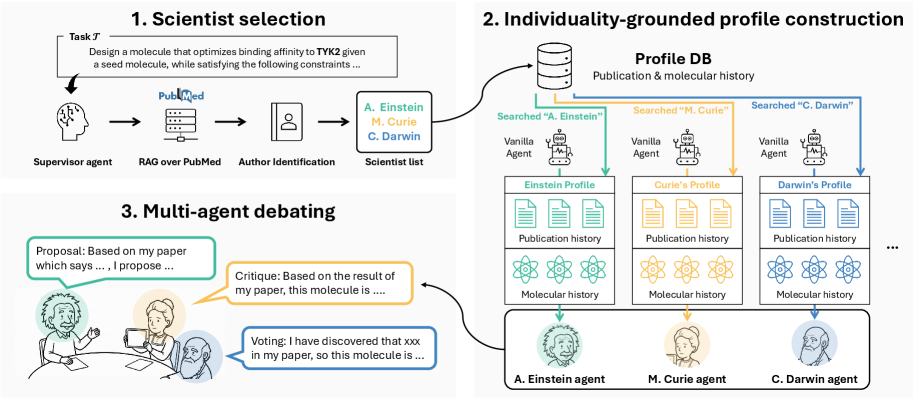
A new multi-agent system, Indibator, leverages unique research backgrounds to foster more diverse and factually grounded reasoning in the search for novel molecules.
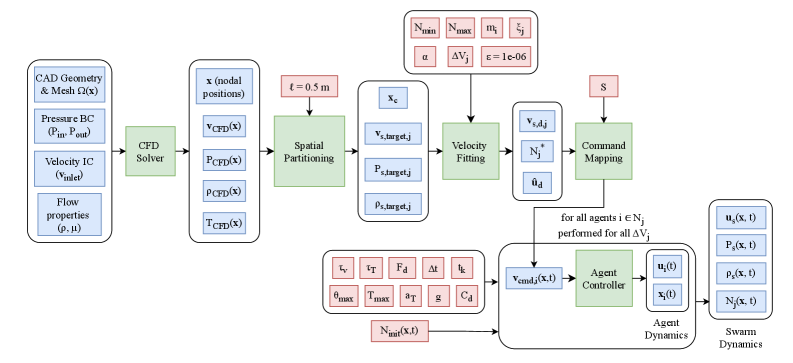
Researchers are leveraging principles from fluid dynamics to create more scalable and robust control systems for large robotic swarms.

New research reveals how AI-driven information influences the complex reasoning processes of clinicians, moving beyond simple automation to understand the nuanced interplay between human and artificial intelligence.
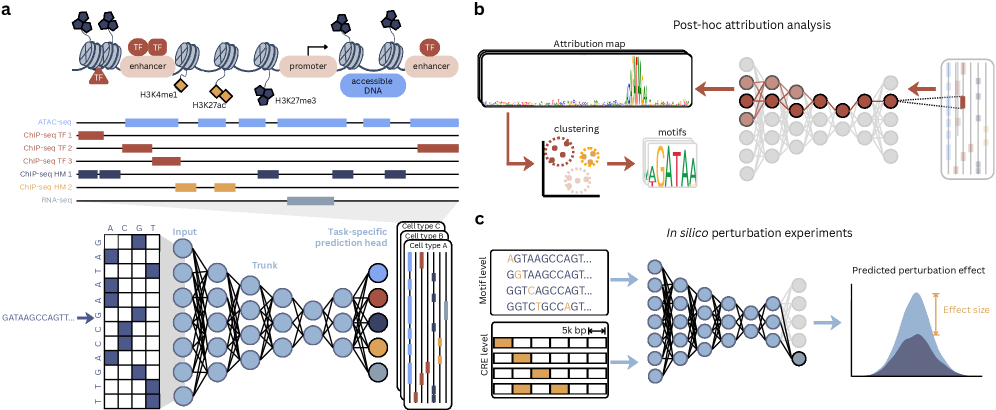
This review explores the evolving landscape of artificial intelligence in regulatory genomics, charting a path toward models that not only predict gene function but also reveal the underlying mechanisms.

Researchers have developed a new approach to enable robots to safely explore and learn in unpredictable environments, even when interacting with unfamiliar objects.