Beyond Labels: Reclaiming Stability in Image Analysis
![A system built upon stable structural criteria [latex]S=S_{C}(X)[/latex] maintains consistent object recognition across varied conditions-including shifts in contrast, appearance, and resolution-while a semantics-first approach, predicting labels directly from input [latex]X[/latex], proves vulnerable to these same perturbations, highlighting how a revisable interpretation mapping [latex]M_{i}:S\rightarrow\mathcal{O}_{i}[/latex] allows structural validation to persist even as ontological definitions drift.](https://arxiv.org/html/2602.15712v1/x2.png)
A new approach prioritizes extracting reproducible structural information from images, independent of evolving semantic interpretations.
A new approach prioritizes extracting reproducible structural information from images, independent of evolving semantic interpretations.
A new framework explores how artificial intelligence can augment – rather than replace – a student’s own cognitive processes for more effective learning outcomes.
Researchers are harnessing the power of ultrasonic lubrication to dynamically control friction, enabling robots to move with unprecedented efficiency and agility.
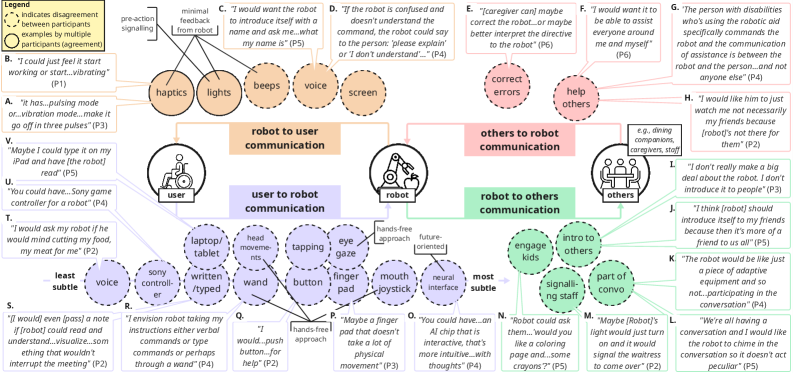
New research explores how robots can move beyond functional aid to create truly inclusive and personalized dining experiences for people with disabilities.
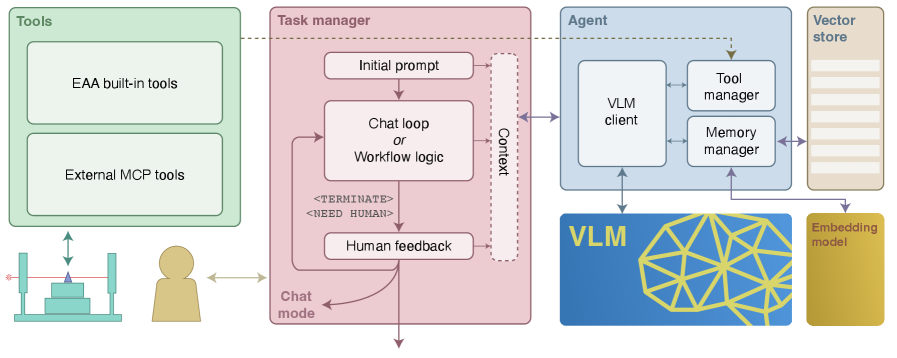
A new agentic system powered by vision and language models is automating complex tasks at synchrotron beamlines, accelerating materials characterization.
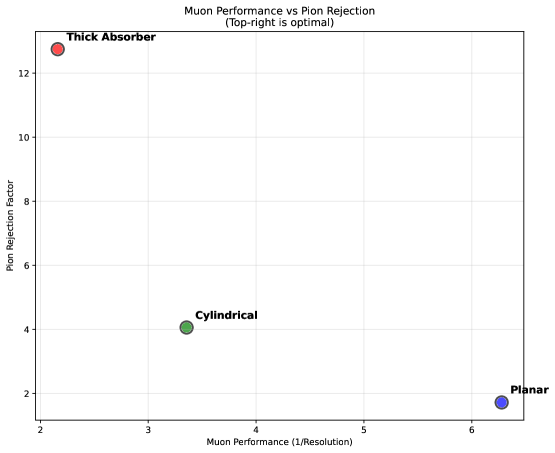
A new agentic AI framework, GRACE, is automating the complex process of designing and simulating physics experiments, promising to accelerate scientific discovery.
A new multi-agent system leverages the power of large language models to tackle complex robotic arm challenges with unprecedented accuracy.
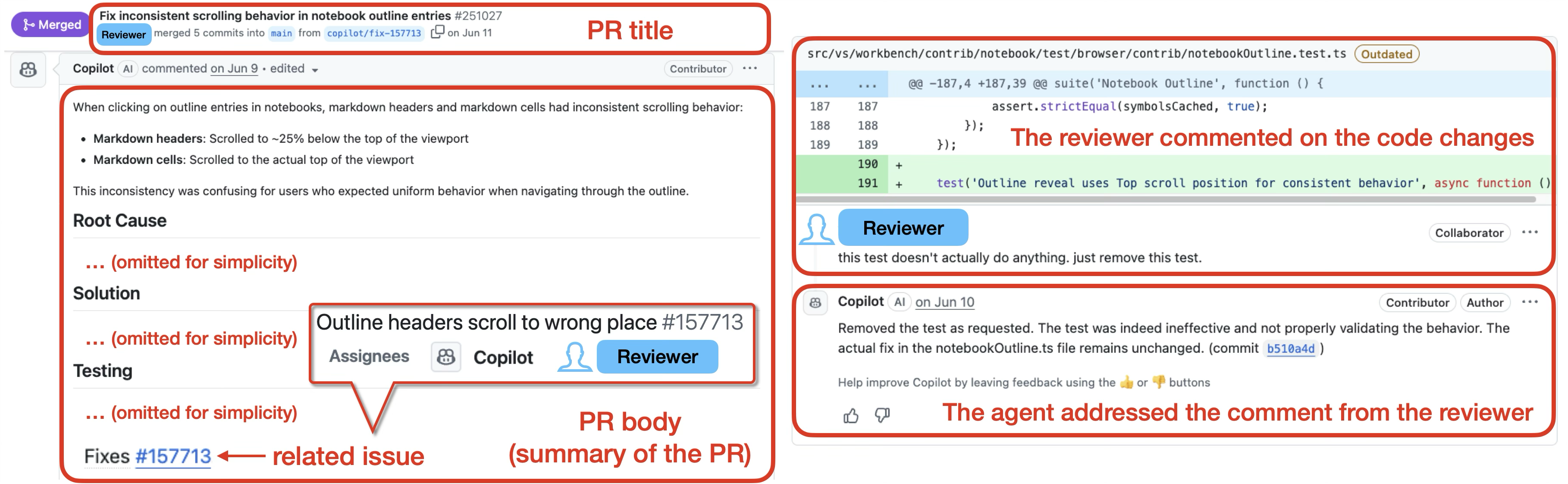
A new dataset offers researchers a unique window into how artificial intelligence agents are impacting the world of software development.
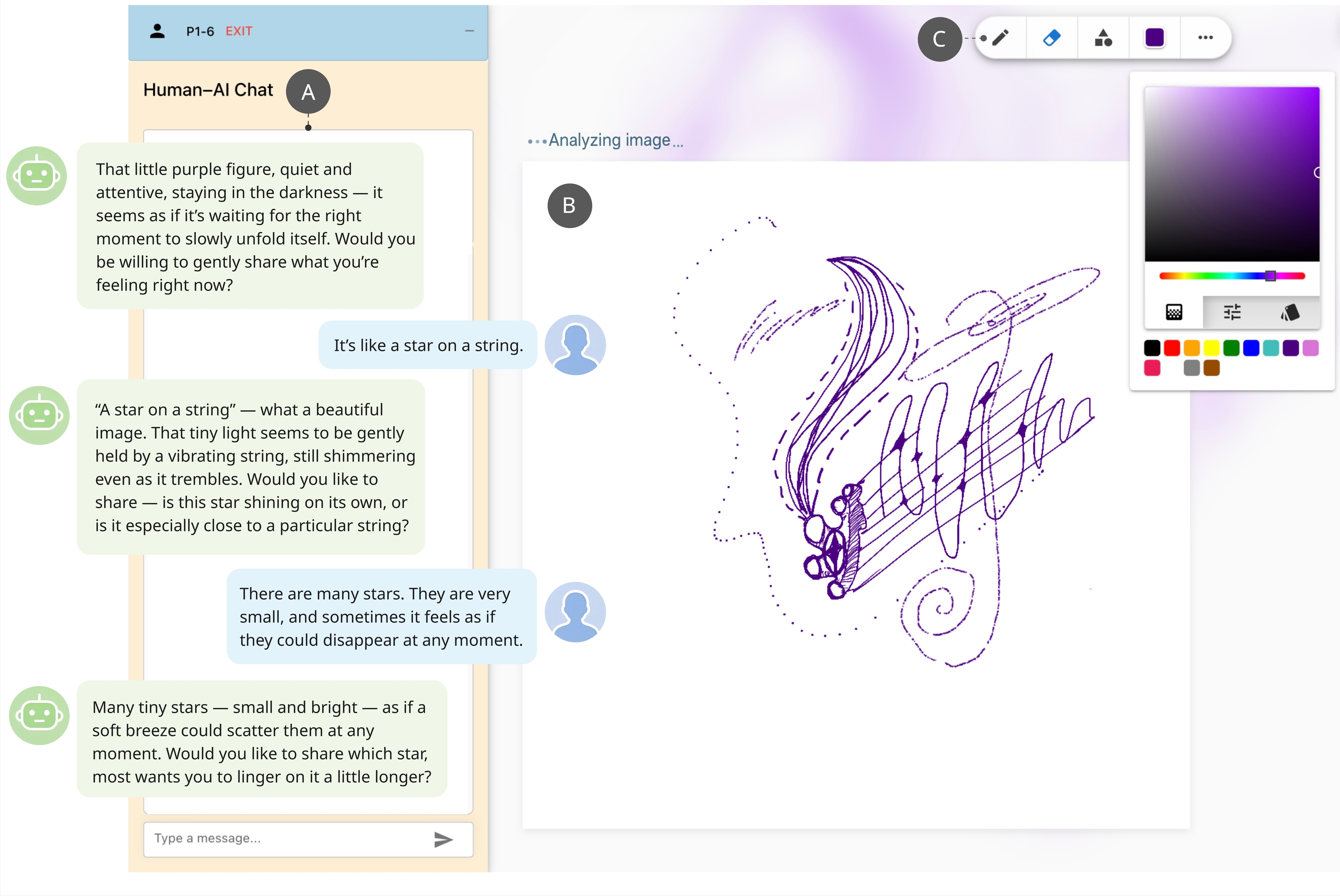
Researchers explore a new system using artificial intelligence to analyze user artwork and guide meaningful conversations, offering a novel approach to therapeutic art activities.
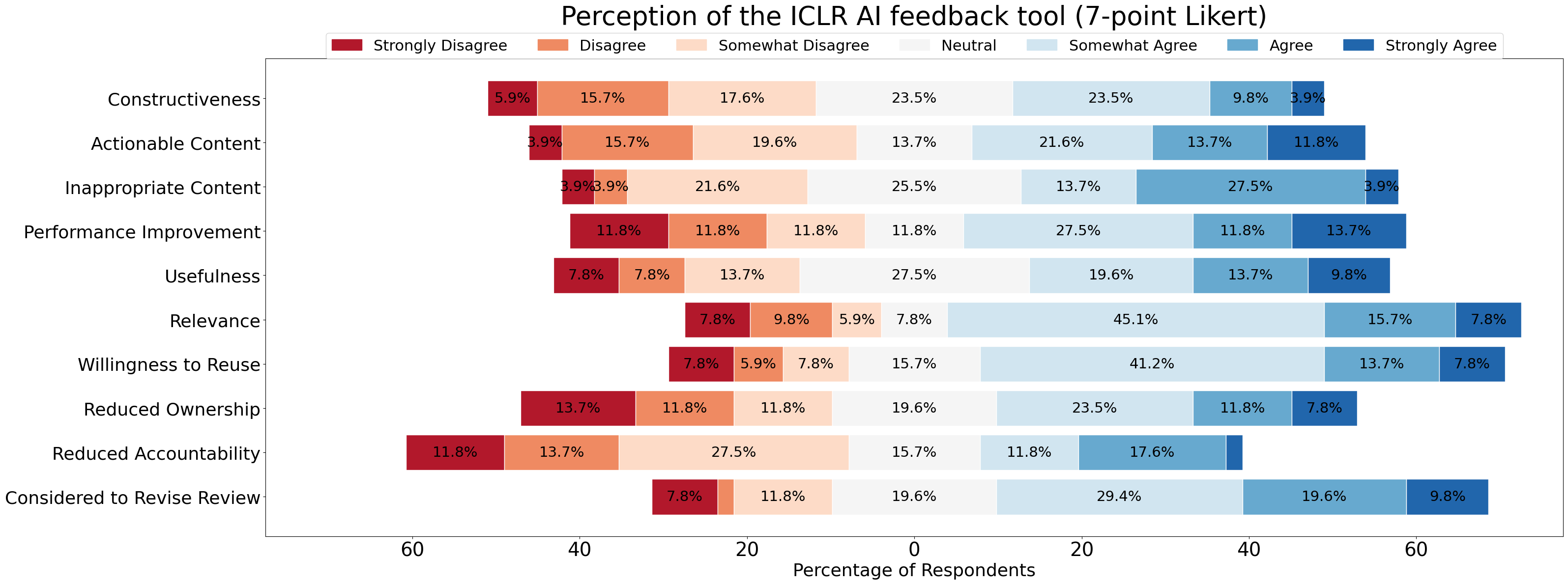
A new study investigates how providing reviewers with AI-generated suggestions affects their evaluation process and perceptions of intellectual contribution.