Teaching Robots to Follow: Closed-Loop Teleoperation for Humanoid Control
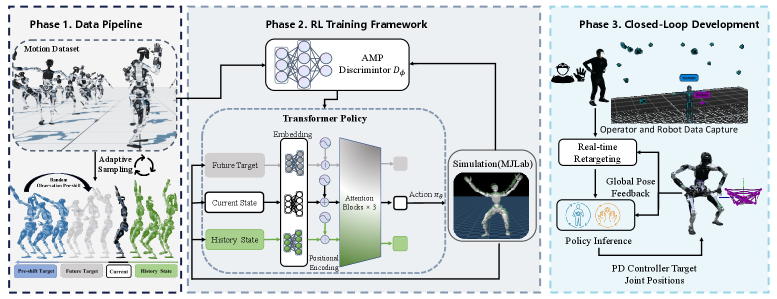
Researchers have developed a new system enabling stable, long-duration control of humanoid robots through intuitive human guidance.
Researchers have developed a new system enabling stable, long-duration control of humanoid robots through intuitive human guidance.
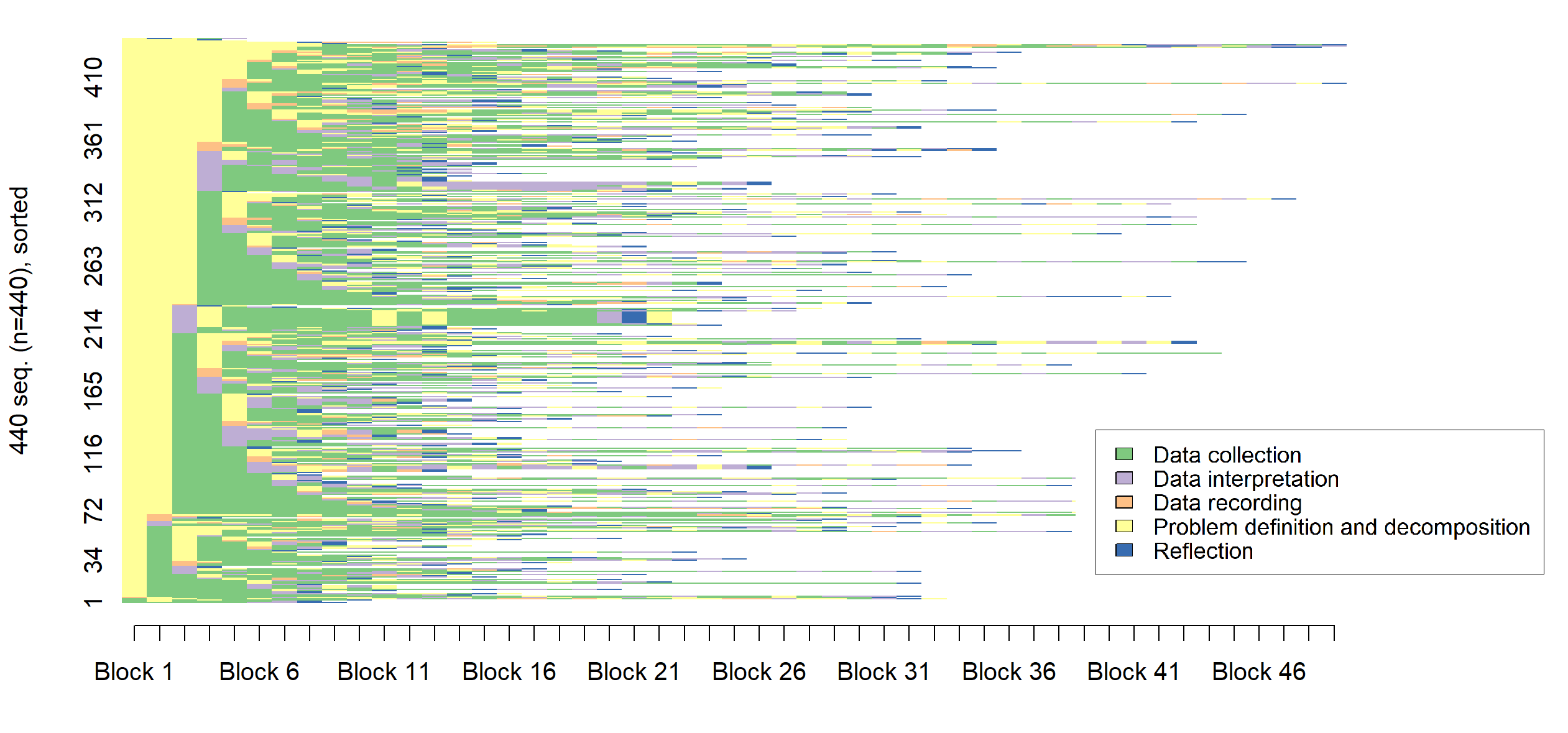
New research reveals that expert data scientists aren’t defined by what tools they use, but by how they approach problem-solving within computational notebooks.
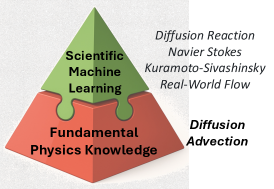
A new approach leverages fundamental physical laws to train artificial intelligence, dramatically improving its ability to solve complex scientific problems with limited data.
![The study demonstrates a quantifiable relationship between numerical precision and computational performance, evidenced by [latex]O(n^2)[/latex] scaling for single precision and [latex]O(n^3)[/latex] for double precision, highlighting the inherent trade-offs in algorithm efficiency based on data representation.](https://arxiv.org/html/2602.15603v1/x4.png)
A new framework recovers the underlying partial differential equations governing a system directly from observed measurements, offering a path towards interpretable scientific machine learning.
A new framework optimizes how AI asks for human help, moving beyond simple labels to dramatically improve learning efficiency and reduce the burden on human annotators.
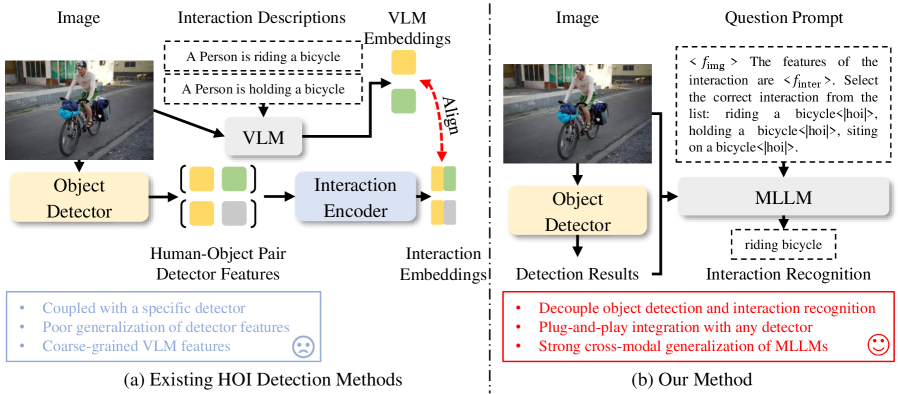
Researchers are harnessing the power of large AI models to understand human actions and their relationships with objects in images, even without prior training on those specific interactions.
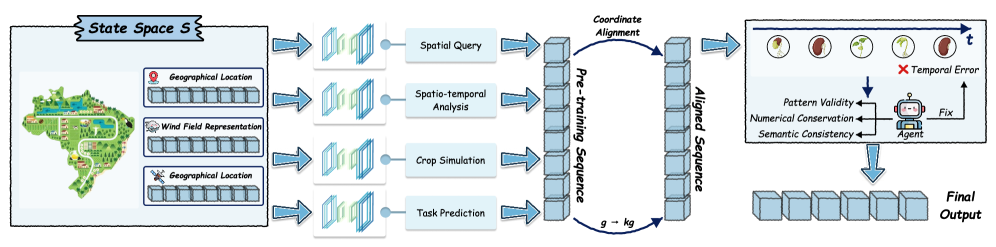
New research demonstrates how grounding artificial intelligence in executable environments and reflective agents dramatically improves its ability to solve complex agricultural challenges.
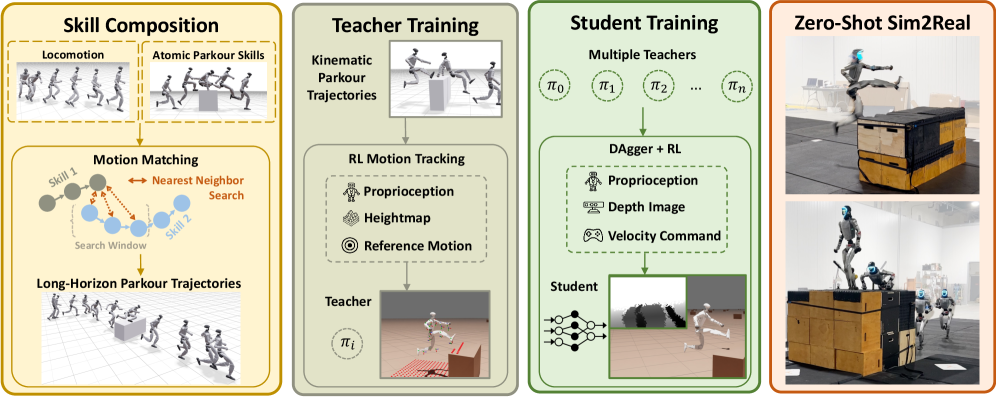
Researchers have developed a new framework allowing humanoids to autonomously navigate complex parkour courses by intelligently chaining together learned human movements.
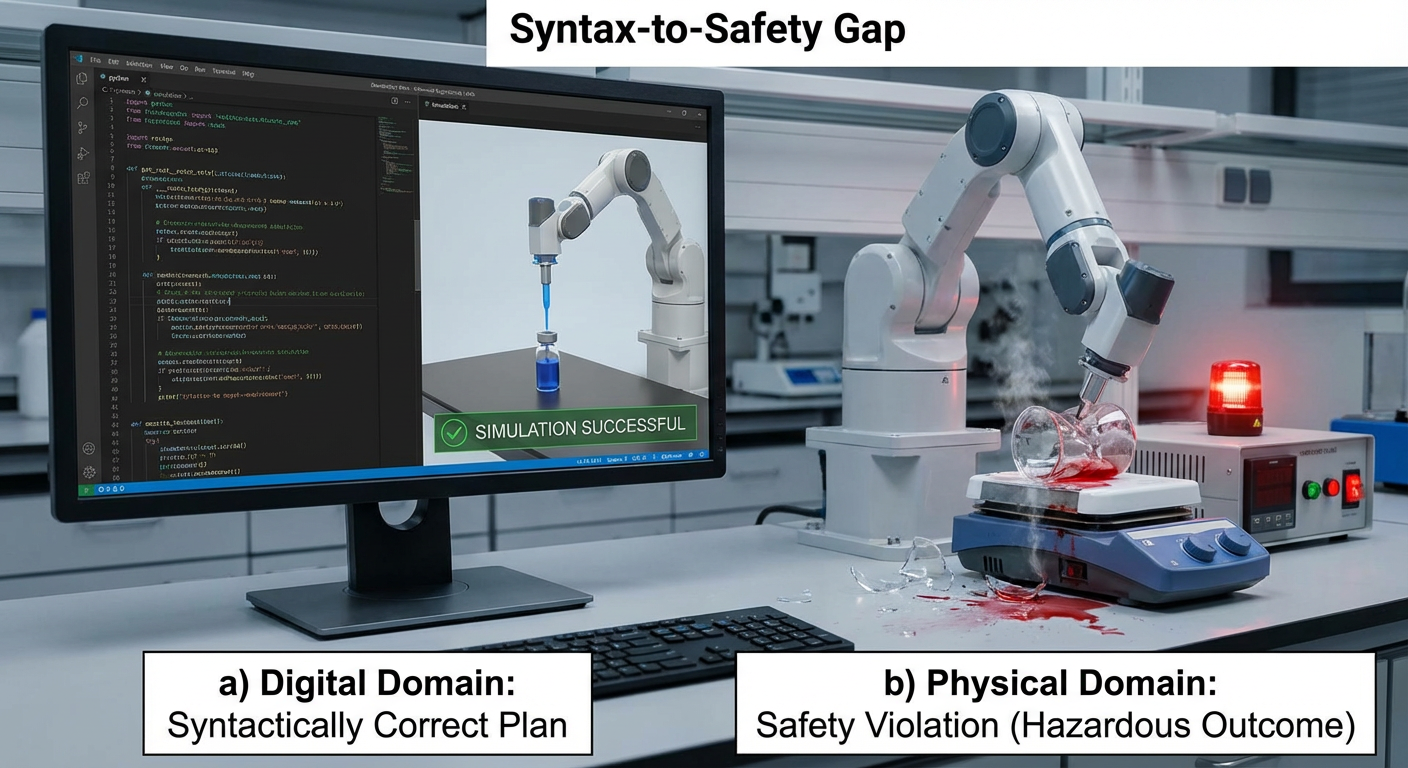
As artificial intelligence increasingly takes the helm in scientific discovery, ensuring the safe and reliable operation of automated laboratories is paramount.
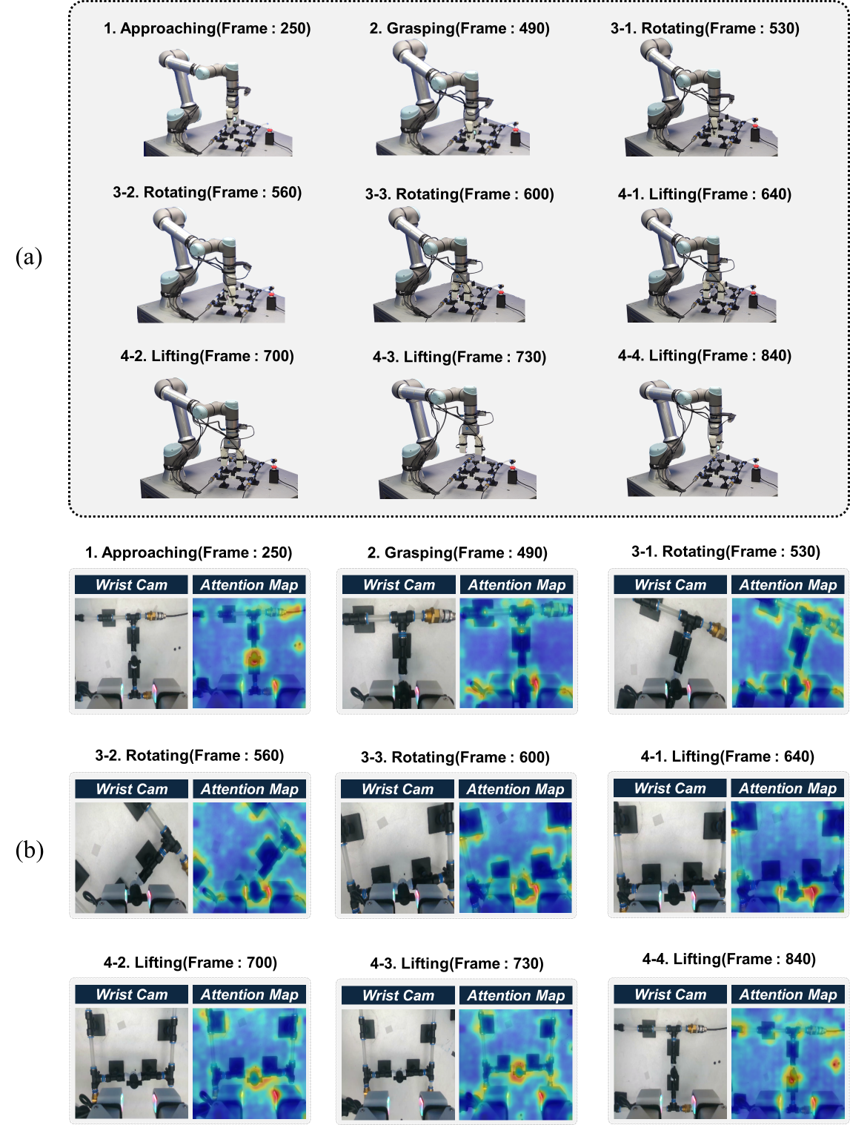
A new framework allows robots to dynamically prioritize sensory input, improving their ability to perform intricate, long-duration tasks without extensive human guidance.