Unlocking Knowledge: Automatically Defining Scientific Concepts
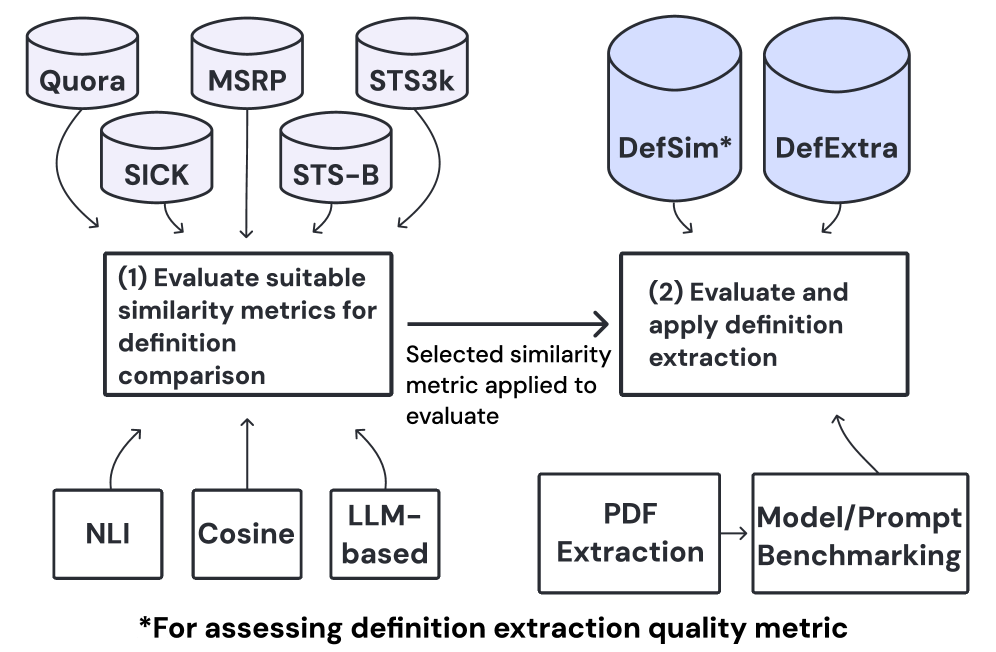
A new approach uses the power of large language models to systematically extract definitions from the vast body of academic literature.
A new approach uses the power of large language models to systematically extract definitions from the vast body of academic literature.
![Ontological concepts, while seemingly disparate across perspectives, ultimately converge upon a shared foundation of formalized relationships, demonstrable through the consistent application of [latex] \lambda x . \phi(x) [/latex] to define object properties and their interactions within a logically consistent framework.](https://arxiv.org/html/2602.05456v1/ontology_all_perspectives_new.png)
A novel methodology streamlines the development of robotic systems by translating high-level objectives into executable code with formal guarantees.
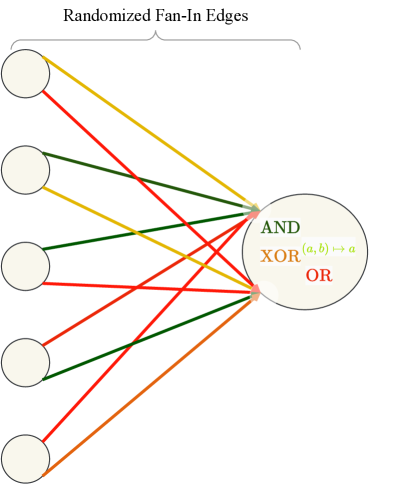
Researchers have developed a novel neural network architecture that bridges the gap between the reliability of formal logic and the adaptability of machine learning.
A new systematic review and meta-analysis suggests that patients often perceive AI-powered chatbots as displaying greater empathy in text-based interactions than their human healthcare providers.
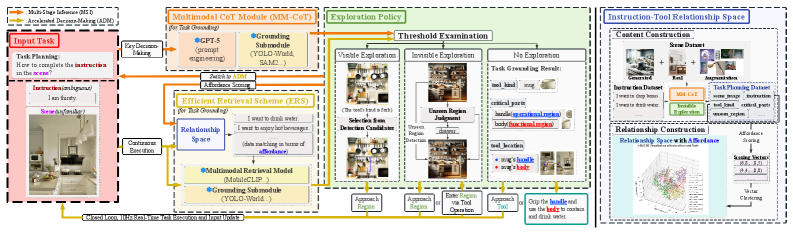
New research tackles the challenge of ambiguous instructions, enabling robots to interpret intent and successfully complete tasks in real-world settings.
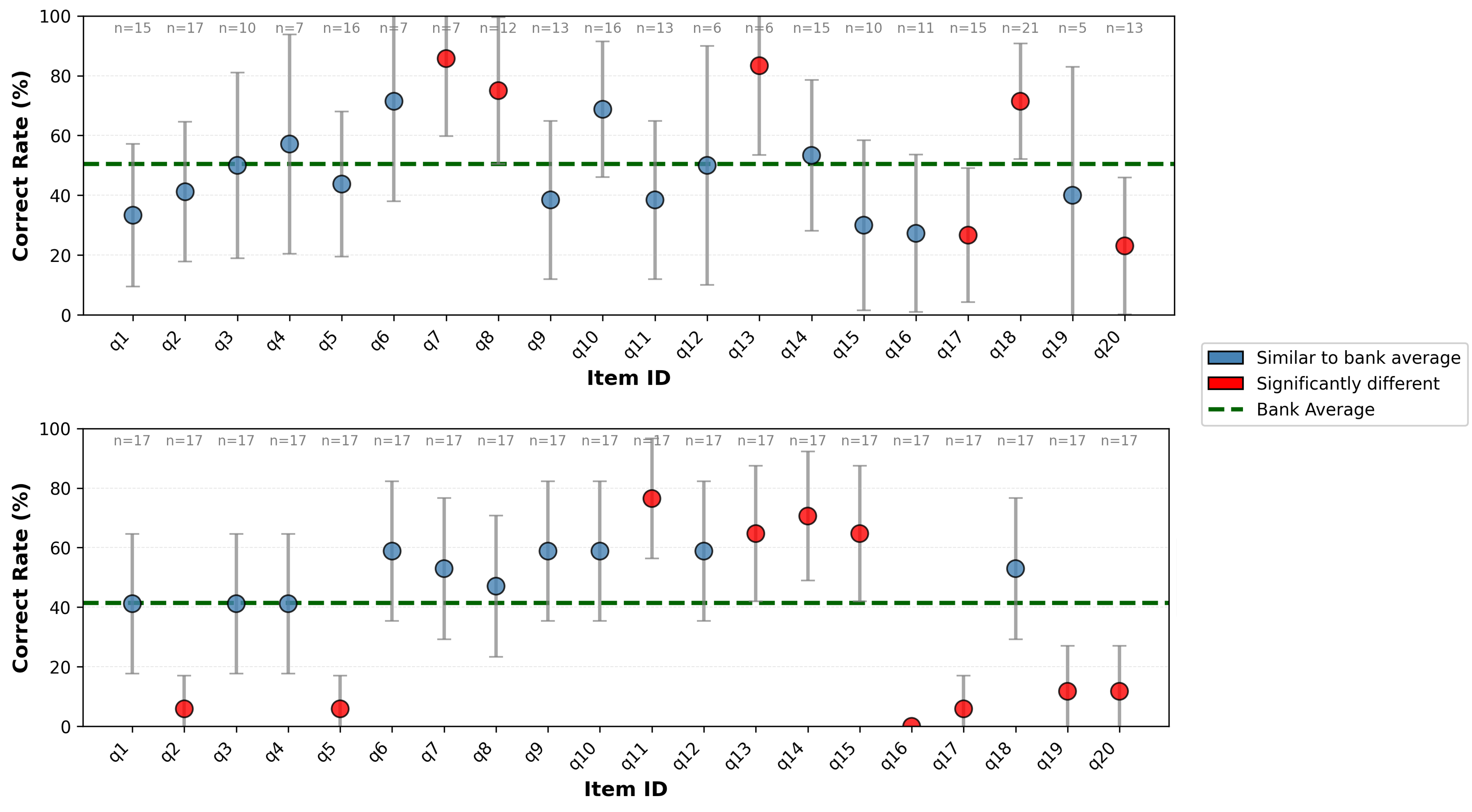
Researchers have developed a system leveraging artificial intelligence to automatically create and verify large numbers of physics problems, paving the way for more robust and scalable educational assessments.
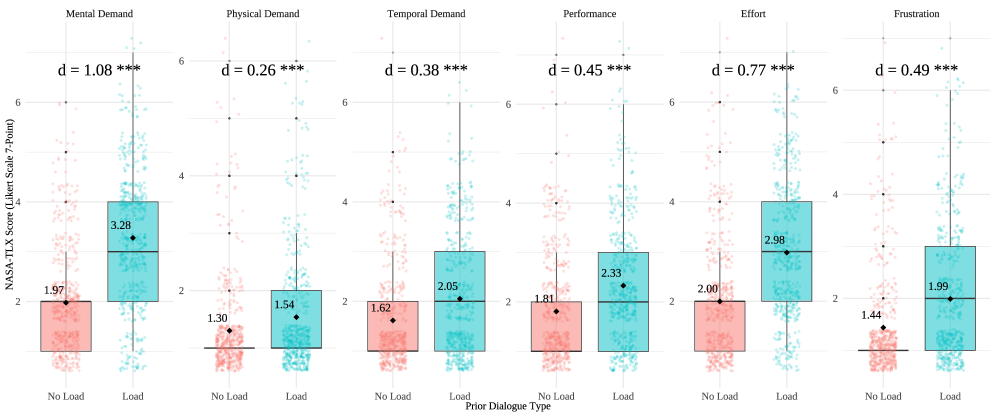
New research shows that conversational AI can surprisingly replicate the irrational decision-making patterns common in human beings.
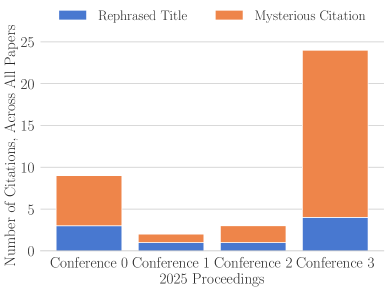
A new study reveals a troubling trend of AI-generated, nonexistent references appearing in published academic papers, threatening the foundations of scholarly integrity.
![Semantic understanding fuels robotic reward: extracted predicates, when applied to linguistic rules, yield confidence values that directly modulate safety and efficiency weighting-as formalized in [latex]Equation 12[/latex]-allowing the system to prioritize task goals based on environmental interpretation.](https://arxiv.org/html/2602.05079v1/Figures/calculate_reward.jpg)
New research combines advanced AI techniques to create more human-like autonomous braking systems for safer navigation in complex urban environments.
A new perspective argues that building strong theoretical frameworks is essential to bridge the gap between science education research and effective classroom practice.