Smarter Grading: How AI is Boosting Student Writing
![When teaching assistants are empowered to readily adopt and refine suggestions generated by an AI feedback system-FeedbackWriter-student revisions demonstrate a quality increase equivalent to moving a student from the 50th to the 70th percentile, attributable to the AI’s capacity to deliver actionable feedback that fosters independent learning-a benefit exceeding that of solely human-provided feedback [latex] (Cohen’s\ d = 0.50) [/latex].](https://arxiv.org/html/2602.16820v1/img/teaser3.png)
New research reveals that pairing teaching assistants with AI feedback tools significantly improves the quality of revisions students make to their work.
New research reveals that pairing teaching assistants with AI feedback tools significantly improves the quality of revisions students make to their work.
As systems become increasingly autonomous, static ethical guidelines are proving insufficient, demanding a new approach to runtime ethics and value alignment.

New research challenges the notion that hypergraphs offer a fundamentally richer framework for modeling complex systems than standard graphs.
New research reveals that large language models can effectively persuade people despite lacking a crucial human ability: understanding what others are thinking.
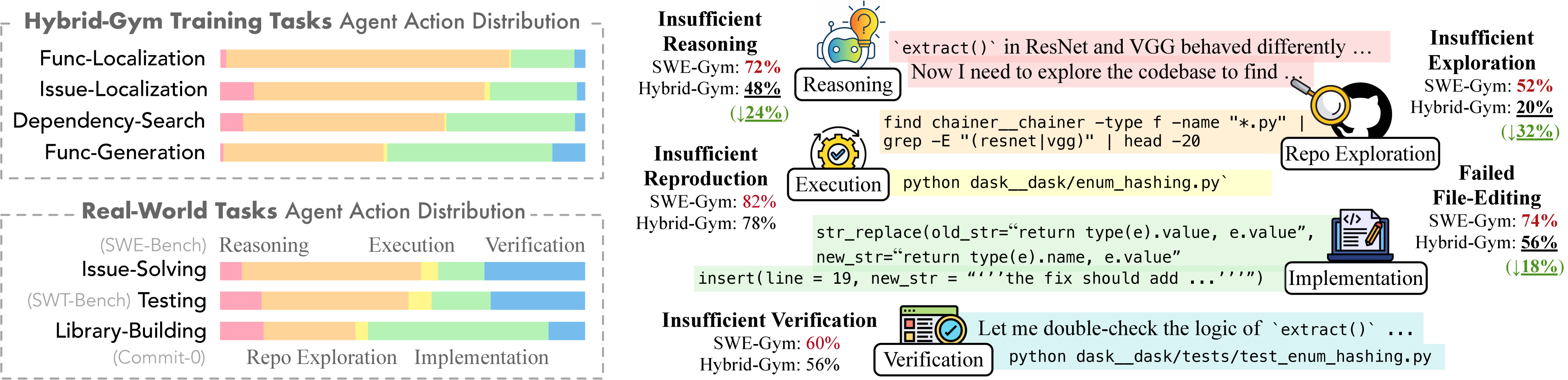
Researchers have created a challenging new environment to train artificial intelligence to write and understand code more effectively, pushing the boundaries of task transferability.
A new benchmark leveraging the complexity of human-designed games reveals the significant gap between current AI and human-level general intelligence.
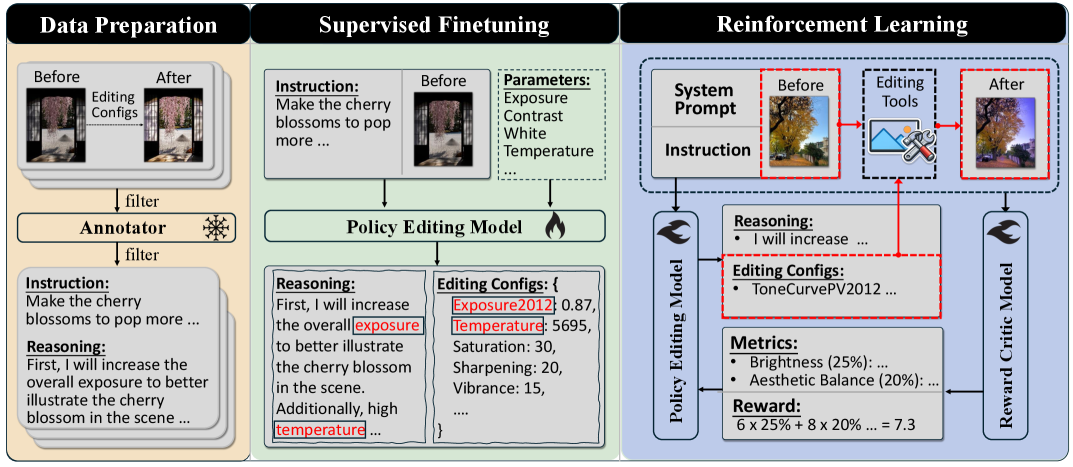
Researchers have developed an AI system capable of understanding and executing complex photo editing instructions, achieving professional-level results with remarkable consistency.
A new AI-powered workflow dramatically accelerates the analysis of single-crystal neutron diffraction data, promising faster materials discovery.
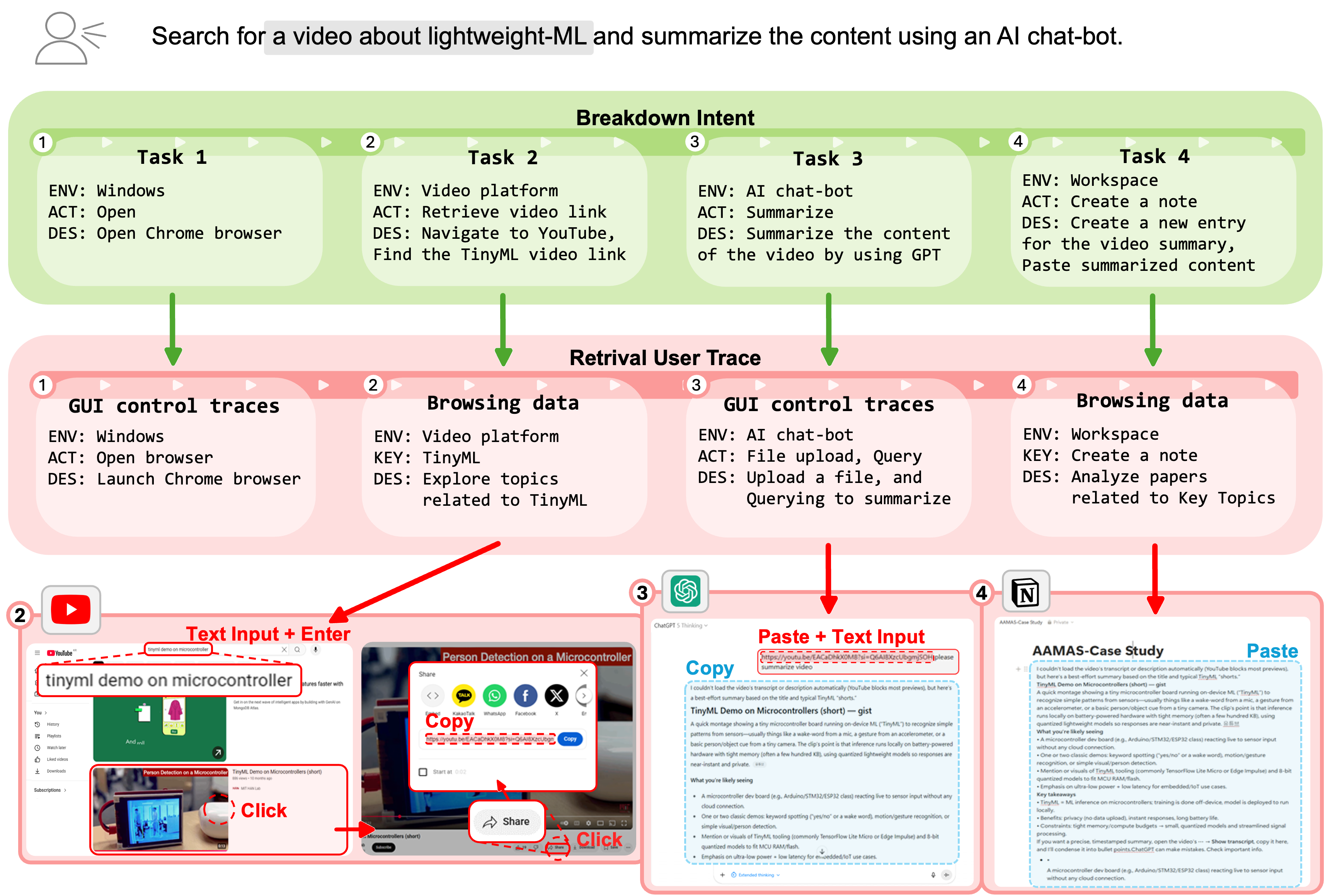
A new framework, IntentCUA, bridges the gap between raw user actions and high-level goals, enabling more robust and efficient automation of complex computer tasks.
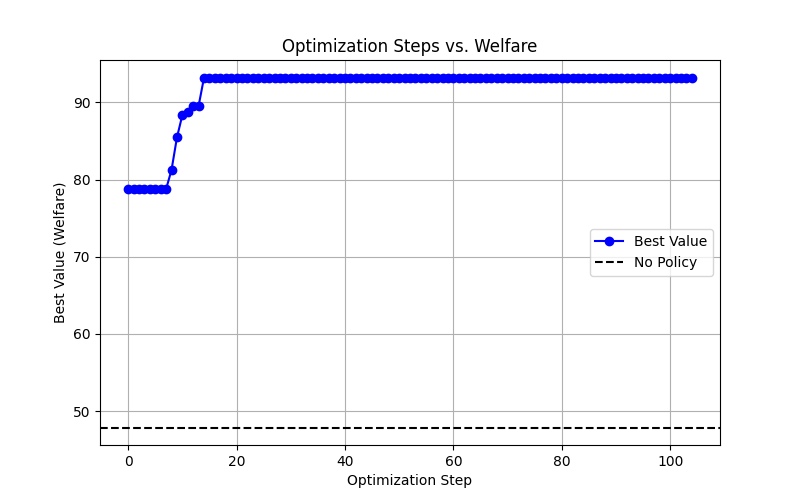
A new framework leverages Bayesian optimization to efficiently refine policies within complex simulations, offering a powerful tool for addressing real-world environmental issues.