The Human Spark in AI Collaboration
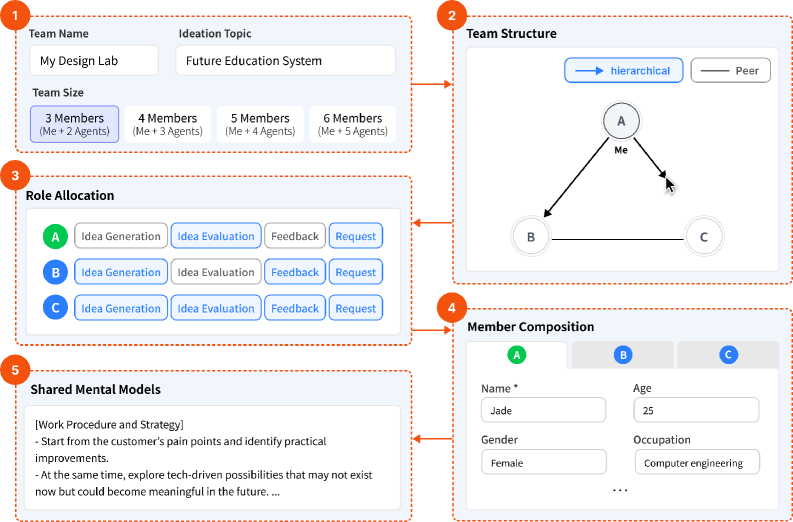
New research reveals that unlocking creative potential with artificial intelligence requires more than just assembling a team of agents – it demands human guidance and critical judgment.
New research reveals that unlocking creative potential with artificial intelligence requires more than just assembling a team of agents – it demands human guidance and critical judgment.
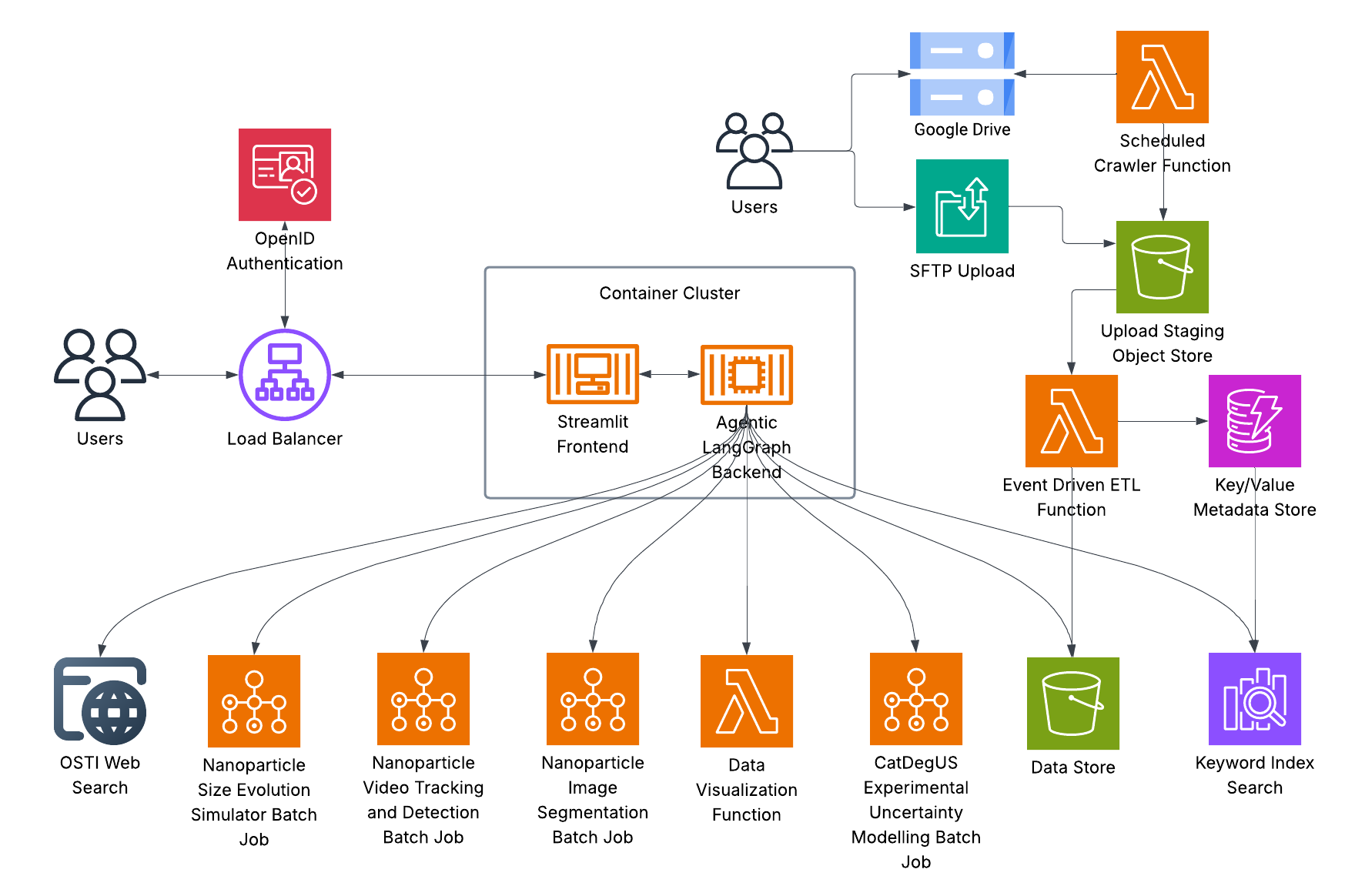
A new framework leverages the power of artificial intelligence to streamline scientific workflows and accelerate research in complex fields like catalysis.
New research reveals that a robot’s voice isn’t just heard, it’s experienced – and how we perceive it is heavily influenced by the surrounding environment and social cues.
Artificial intelligence is rapidly accelerating the discovery and design of new materials, transforming fields from energy to manufacturing.
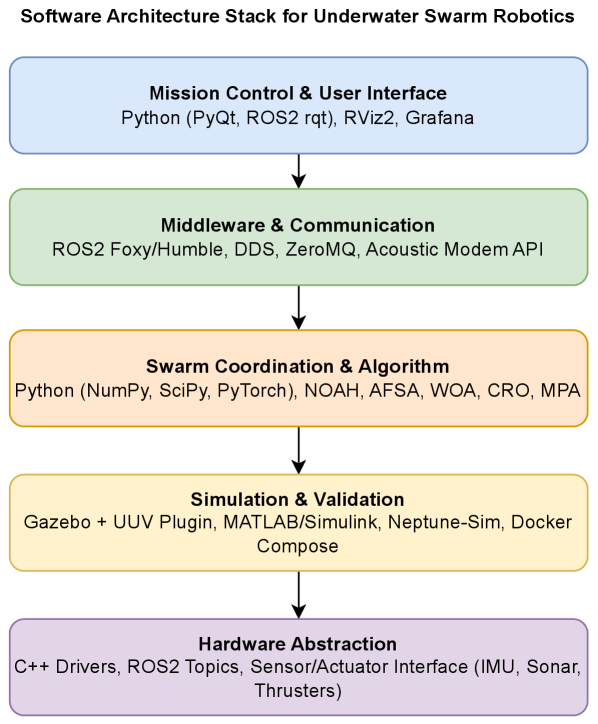
This review explores how biological systems inspire the design of coordinated, communicative, and scalable underwater robot teams.
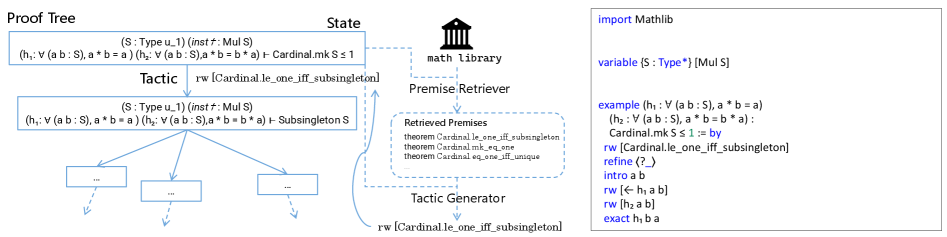
Artificial intelligence is rapidly changing the landscape of mathematical research, offering new tools for problem-solving and discovery.
A new wave of underwater robots, modeled after marine life, is poised to unlock the mysteries of the deep ocean.
A new approach to automated research leverages teams of AI agents to accelerate the pace of breakthroughs in fields like computational biology.