When Agents Doubt Themselves: Building Reliable AI Through Uncertainty
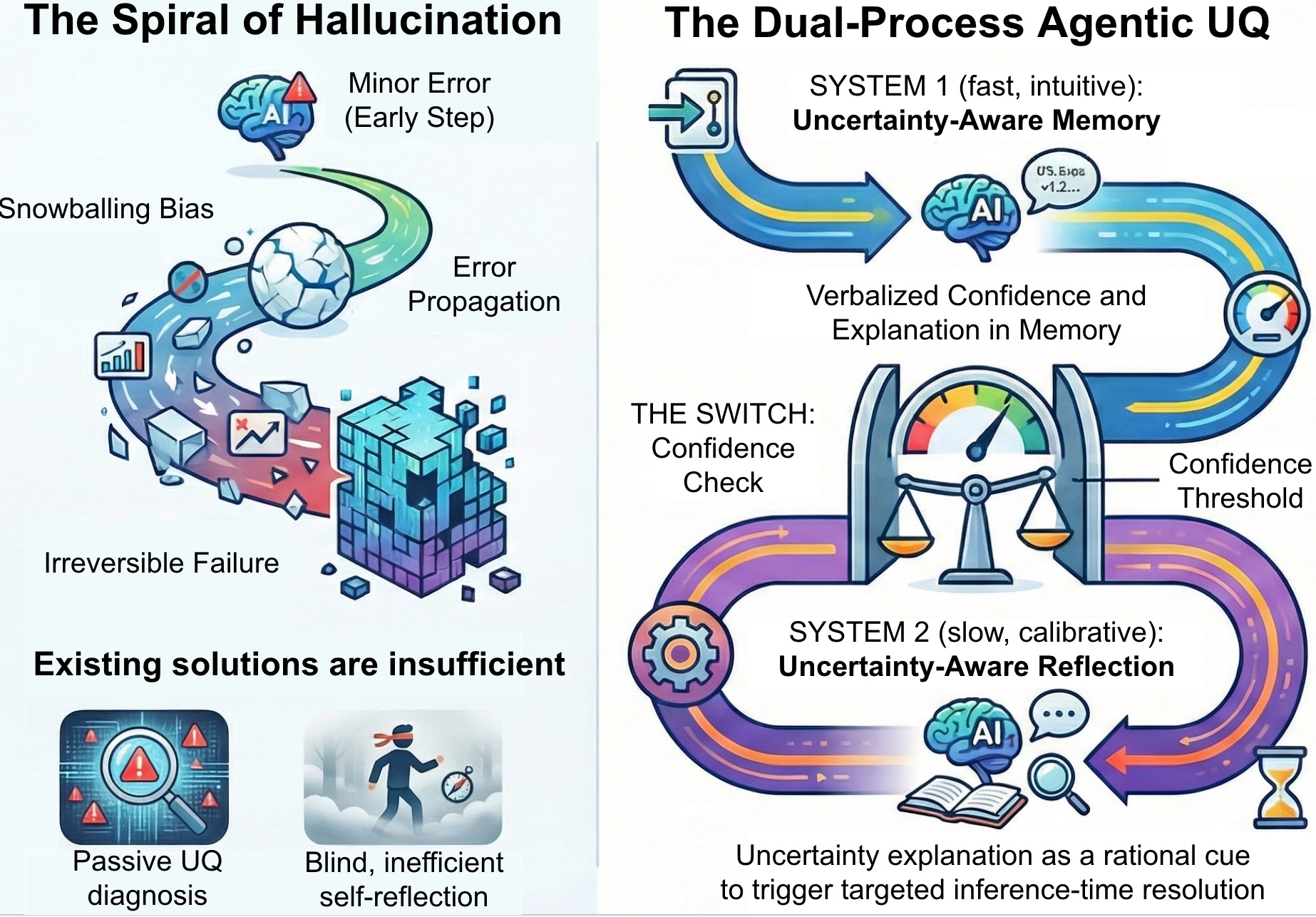
Long-horizon AI systems need to know what they don’t know, and this research introduces a framework for quantifying and acting upon that uncertainty to improve performance.
Long-horizon AI systems need to know what they don’t know, and this research introduces a framework for quantifying and acting upon that uncertainty to improve performance.
Researchers have developed a magnetically controlled, soft robotic device mimicking the elegant undulation of a cownose ray for precise underwater navigation.
A new mathematical framework moves beyond traditional distance-based models to provide a more flexible and nuanced representation of biological systems and their dynamic states.
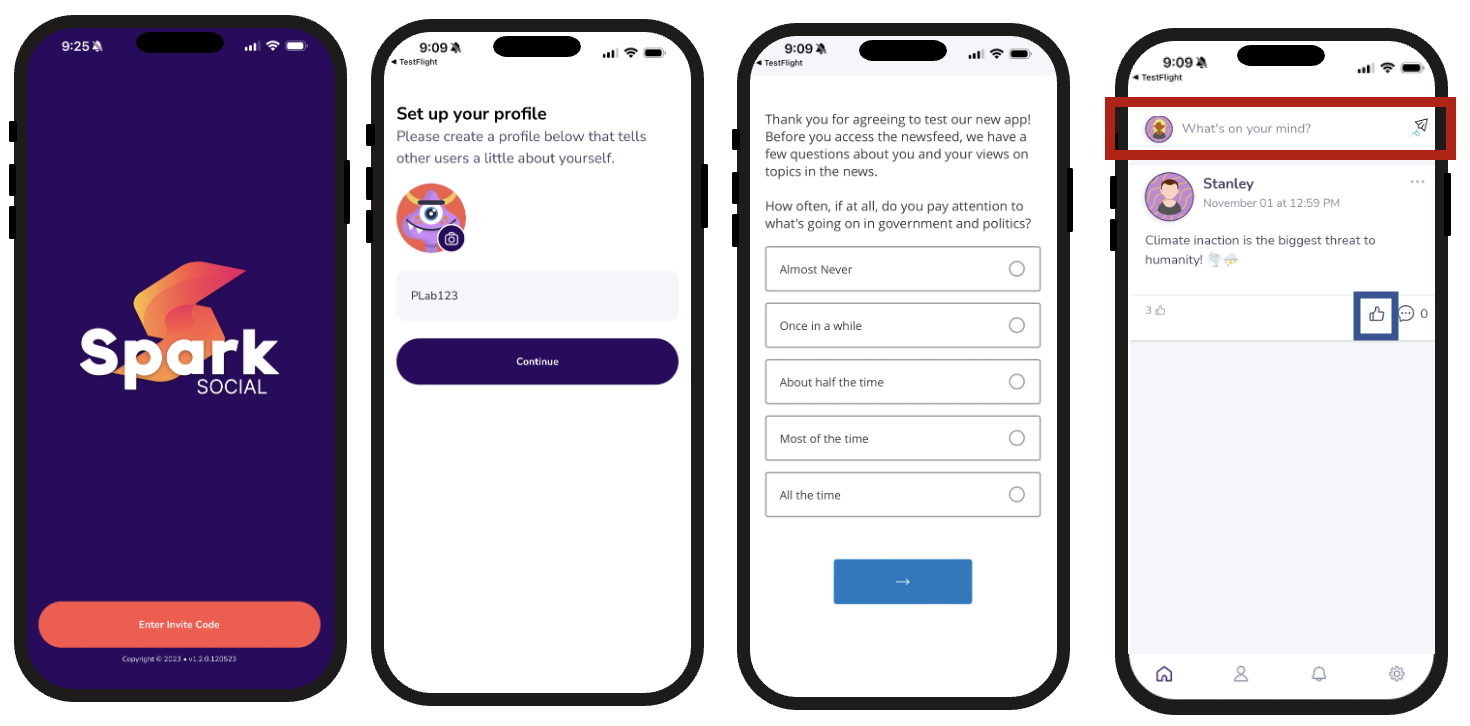
New research reveals how thoughtfully designed social media platforms can foster more inquisitive behavior and reduce negativity among users.
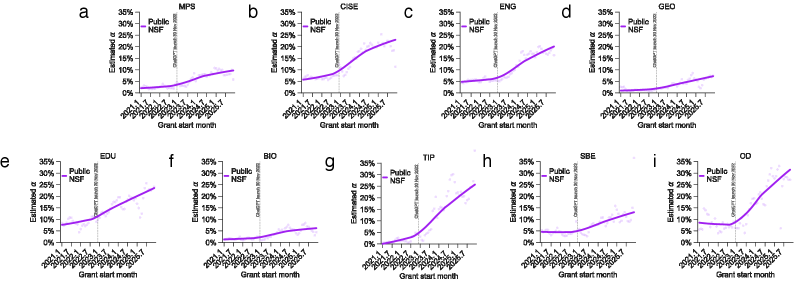
A new analysis reveals that the surge in artificial intelligence capabilities is demonstrably altering the landscape of federal research investment.
A new robotic system combines tactile sensing and reinforcement learning to autonomously locate and characterize embedded objects with greater precision than manual methods.
As artificial intelligence transforms healthcare, ensuring robust security and patient privacy is paramount to realizing its full potential.
![The architecture learns a unified latent representation of motion by decoupling a shared latent space into five body-segment subspaces - left arm, right arm, trunk, left leg, and right leg - and employing robot-specific embedding layers [latex]E_r[/latex] to project varying pose dimensionalities into a common feature space, subsequently reconstructed via inverse mappings [latex]D_r[/latex], thereby enabling cross-embodiment motion modeling across humans and diverse robotic platforms.](https://arxiv.org/html/2601.15419v1/figures/modeloverview.png)
Researchers have developed a new framework that allows robots with different physical forms to share a common understanding of movement, simplifying cross-embodiment control.
A new perspective challenges traditional notions of creativity, arguing that consistent output, not intentional agency, may be the key to unlocking AI’s artistic potential.
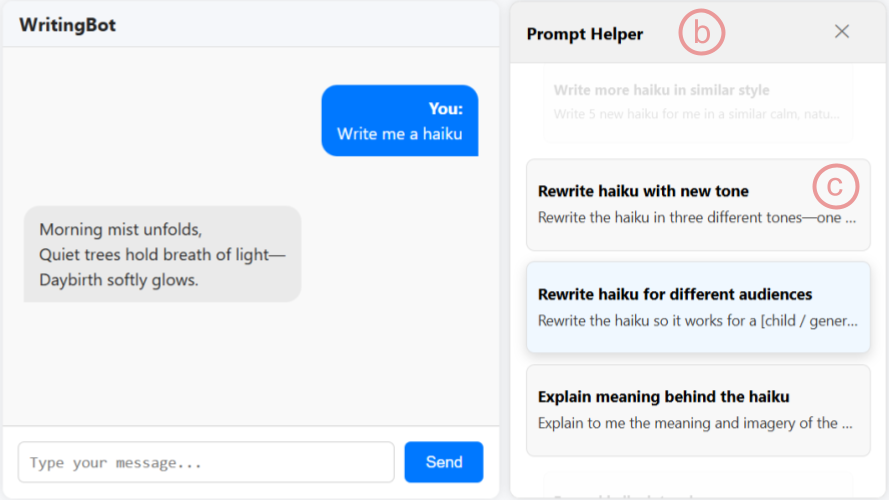
New research explores how intelligently suggesting follow-up questions can unlock more expressive and exploratory interactions with generative AI models.