Alibaba Throws $35M at MetaComp-Will Money Really Solve Everything?
It seems the world is quite enchanted by the notion of Web2.5 finance-a clever hybrid of venerable old banking and the flashy new realm of digital assets.
It seems the world is quite enchanted by the notion of Web2.5 finance-a clever hybrid of venerable old banking and the flashy new realm of digital assets.
The funding, a two-part saga spanning three months, saw Spark Venture and other institutional titans join Alibaba’s ranks, as if pooling their gold coins for a grander scheme.
The Income Tax Department has gone full Rambo on freelancers who thought they could hide their crypto earnings from overseas gigs. Turns out, the government’s got more eyes than a spider and a better sense of smell than a bloodhound. If you’re earning Bitcoin while sipping chai and pretending you’re not, they’ll find you. Probably via your grandma’s WhatsApp messages.
Stani Kulechov, the prophet of Aave Labs, recounted the tale with the solemnity of a priest at a funeral. The transaction, routed through CoW Swap’s infrastructure, was no ordinary dance. It was a leviathan of liquidity, a single order so gargantuan it could make a whale blush. The interface, bound by its sacred protocols, demanded explicit confirmation-a ritual Ivan performed on his mobile device, a modern-day grail in his trembling hands. Yet the gods of liquidity were not amused. In return for his $50 million offering, Ivan received a paltry 324 AAVE tokens, a joke scribbled in the margins of the blockchain’s ledger.
A Colombo court magistrate, Asanga S. Bodaragama, has issued a strong warning about the growing risk of financial crimes involving cryptocurrencies in Sri Lanka.
Imagine, if you will, a quiet monastery of banknotes, where the monks count, and the clergy of stablecoins chant in hushed verse. The capital is poured into the monastery like winter rain upon the matryoshka: an older Pre‑A batch whispered last autumn, followed swiftly by an even heavier round. This infusion grant MetaComp-and its merry band of associates-the firepower to scale their eerie, newfangled empire. It is a sort of moral rocket that soars over the rooftops of depository myths, like a giant’s shadow over Odessa streets, stirring speculation that the company is already breaking the ribs of market tradition in 2025. The number of payments bats through the night-billions, they claim-have already been sung in the cathedral choir of the digital ledger.
Well, well, well. BlackRock’s new staked ether (ETH) ETF had quite the debut on Friday, amassing over $15 million in trading volume on day one. Who says Wall Street can’t dabble in crypto yield? It seems that a sprinkle of Ethereum magic was just what the doctor ordered for investors seeking something with more bite than traditional, passive ETFs.
Thus begins Hong Kong’s first foray into the realm of stablecoins, a dance of paper and pixels under the shadow of the Stablecoin Ordinance, which arrived last August like a cold wind in the alleyways of finance.
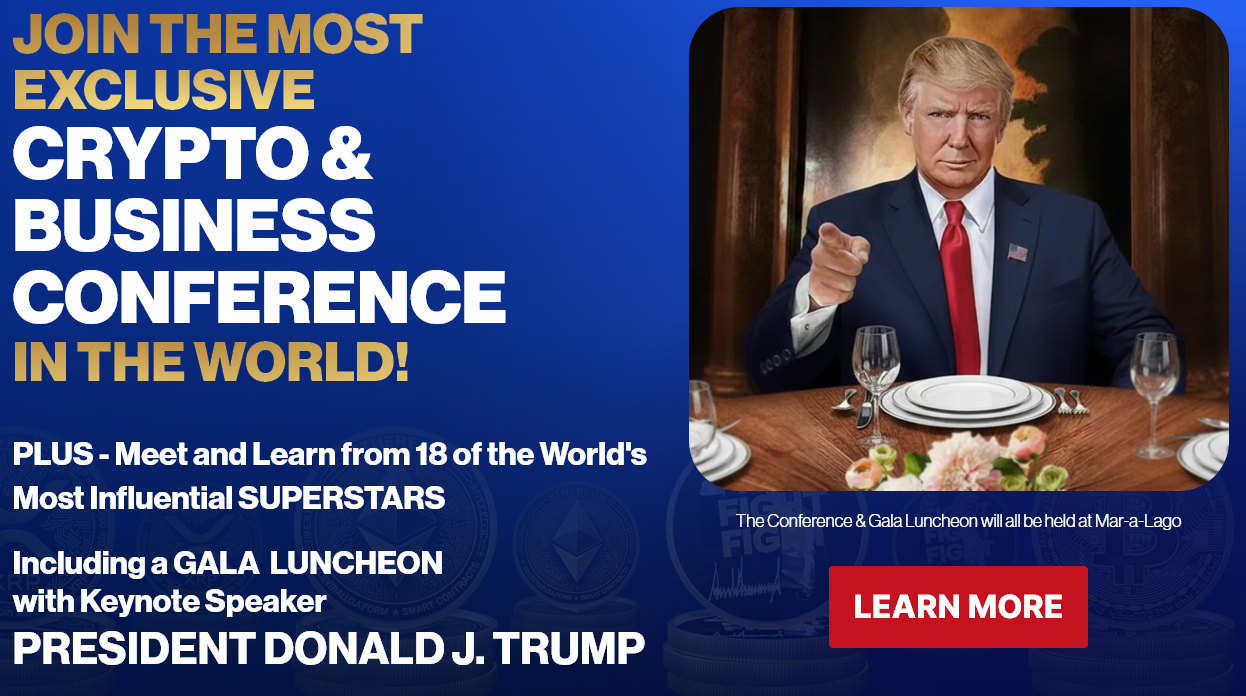
Attendance, of course, is limited to 297 chosen souls, selected not by merit but by the fickle whims of the TRUMP token leaderboard. A system as arbitrary as the casting of lots, yet far more profitable for those who hold the keys to the kingdom.

In the vast and merciless expanse of the DeFi cosmos, where fortunes are carved from code and hubris, a trader met their Waterloo-a $50.43 million gambit reduced to a paltry $36,297 by the cold calculus of a machine. One might call it irony, or perhaps divine retribution for daring to trust a screen over a ledger.