SIREN Crashed 56% in a Day: Here’s How the Charts Saw It Coming
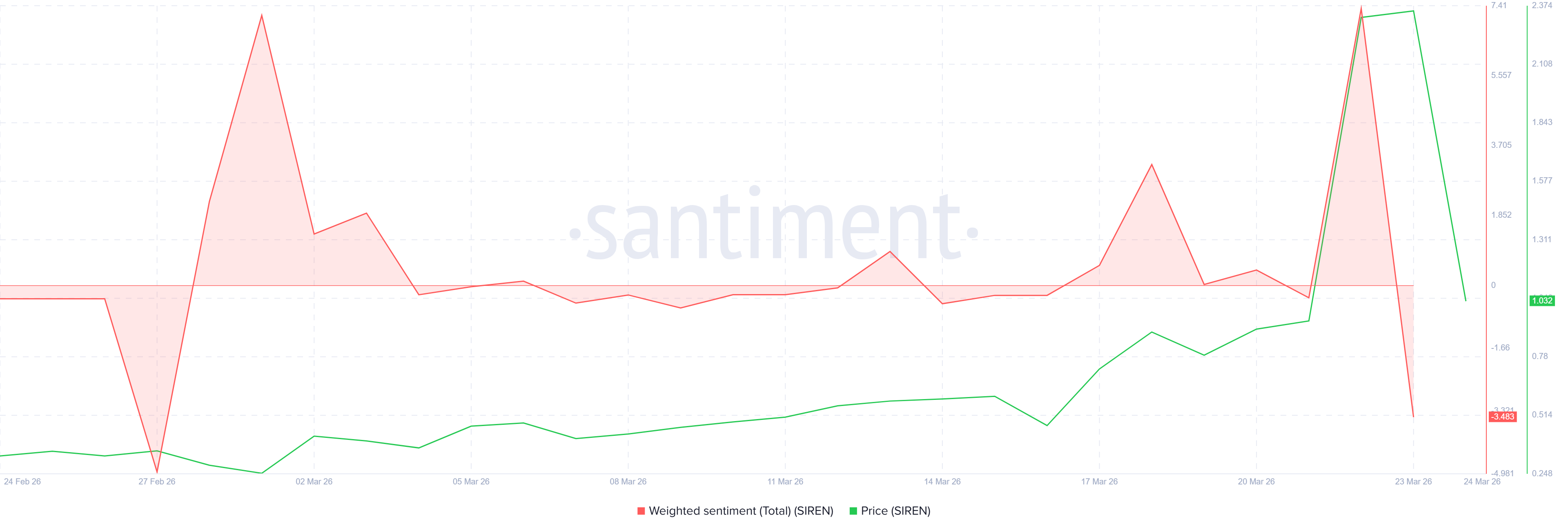
The price drop wasn’t sudden. For three days beforehand, a specific indicator, the Chaikin Money Flow, had been signaling a potential downturn.
The price drop wasn’t sudden. For three days beforehand, a specific indicator, the Chaikin Money Flow, had been signaling a potential downturn.
Meanwhile, the rebound, a sprightly jig, lifted the spirits of several major altcoins. Ether, Solana, Aptos, Fetch.ai, and Bittensor, those dashing dancers, posted gains so robust they might as well have been sipping from the fountain of youth. The wider crypto market, ever the eager spectator, added to its already bloated coffers.
On March 23, 2026, Moonpay launched the Open Wallet Standard (OWS), an open-source framework designed to solve fragmentation in the agent economy by allowing artificial intelligence (AI) agents to hold value and sign transactions without exposing private keys. The initiative arrives with backing from over 15 major organizations, including the Ethereum Foundation, Solana Foundation, and Paypal, and is currently available on Github, npm, and PyPI.
On a fateful Monday, a Snapshot vote revealed a staggering 645,000 votes in favor of V4’s Ethereum journey. Opposition? A solitary voice, lost in the chorus. Abstentions? None dared to sit this one out. Such is the drama of decentralized democracy.
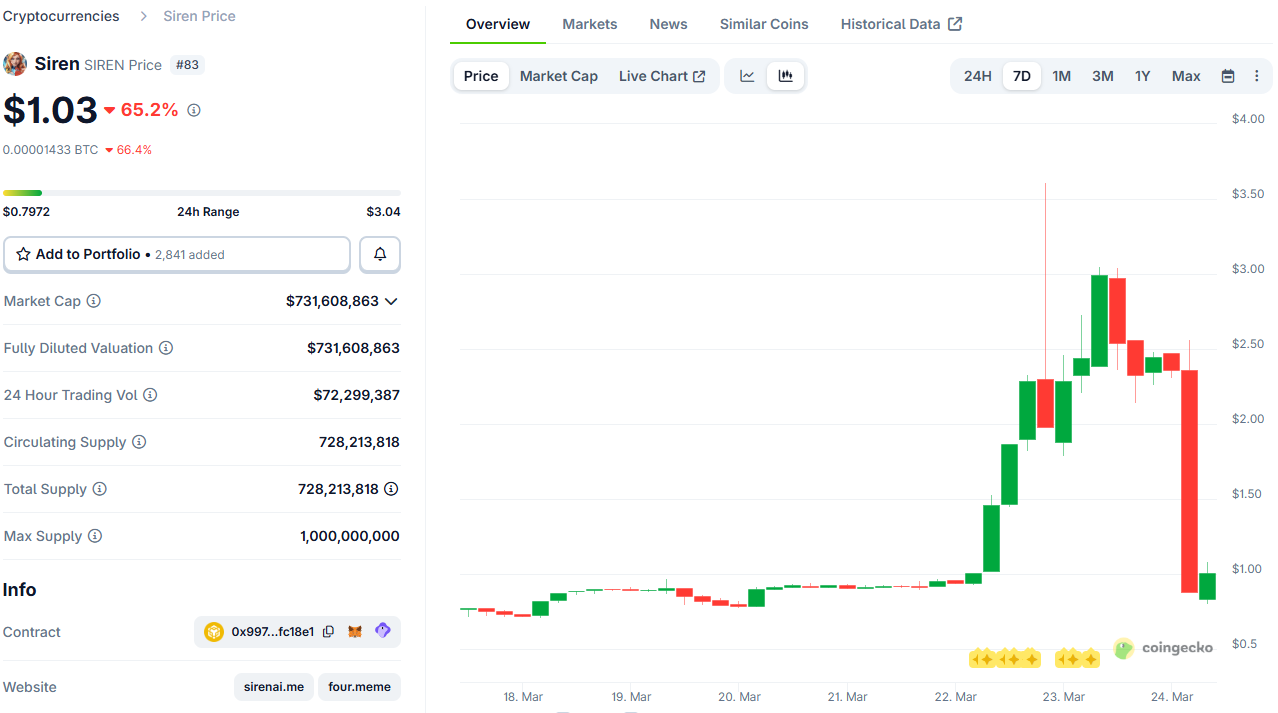
After a jolly good run of double- and even triple-digit gains, the sort of which one might expect from a particularly lucky punt at Ascot, SIREN has decided to take a nosedive. A 70% plunge since its March 22 pinnacle, no less. Dash it all, that’s enough to make even the most seasoned investor clutch his monocle in horror.
In his letter, Fink waxes poetic about blockchain-based assets, hailing them as the turning point for global markets. Ownership, trading, and access, he insists, shall be swept into the whirlwind of digital systems, faster than a Moscow sleigh ride in January. One can almost hear the clinking of champagne glasses in the boardrooms of Wall Street, though whether this is a toast to progress or a prelude to a hangover remains to be seen.
James Wynn, the crypto trader who’s more famous for his liquidations than his wins, is back-and he’s still shorting Bitcoin like it’s his job. (Wait, is it? Someone check his LinkedIn.)
The plan? To throw money at early-stage startups and acquisitions in areas like AI-driven payments, digital identity, tokenized assets, and financial software for autonomous systems. Because, you know, nothing says “future-proof” like betting on machines to handle your money while you nap.
According to a Bloomberg report, the fund is considering a model that would allow access through its Choiceplus option. Of course, this still needs regulatory approval and some serious design work, because nothing screams “ready for prime time” like a half-baked crypto plan.
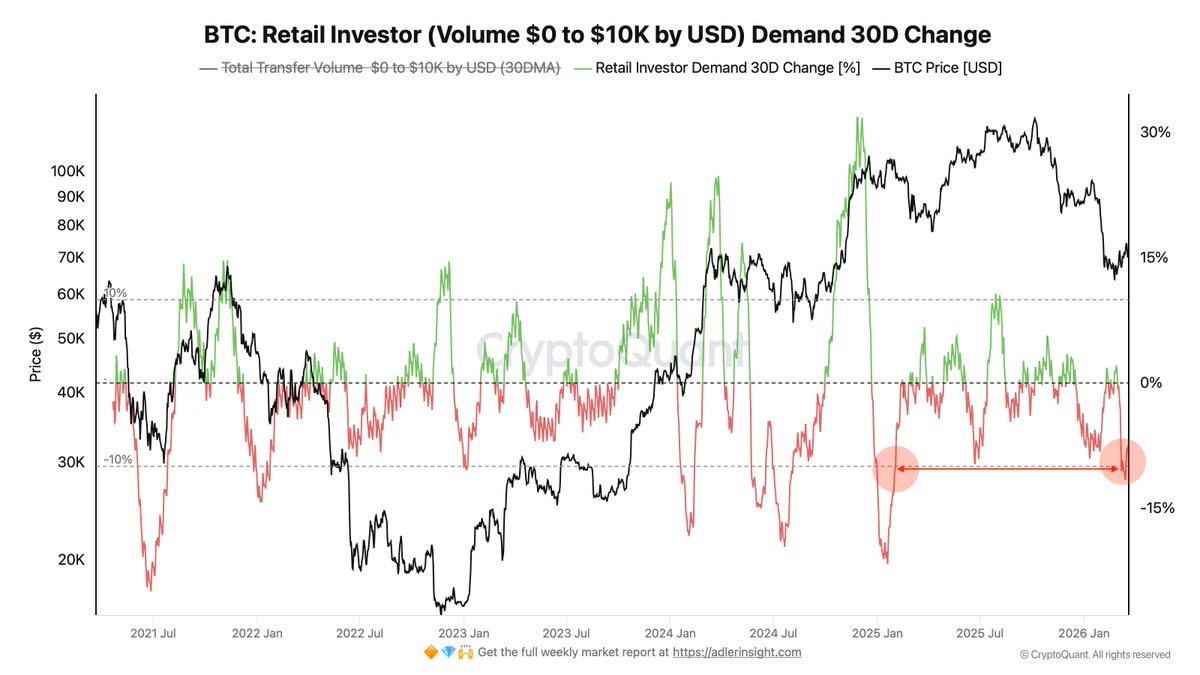
As I’ve been tracking the recent Bitcoin price drops, it seems like we’re seeing a decrease in available funds within the crypto market. My analysis of the data suggests that fewer individual, or ‘retail,’ investors are participating. In fact, a chart shared by Crypto Tice clearly shows a significant drop in retail investment since Bitcoin reached its peak price.