ETH’s $3,000 Dream: Will Whales Save the Day or Drown in Red?
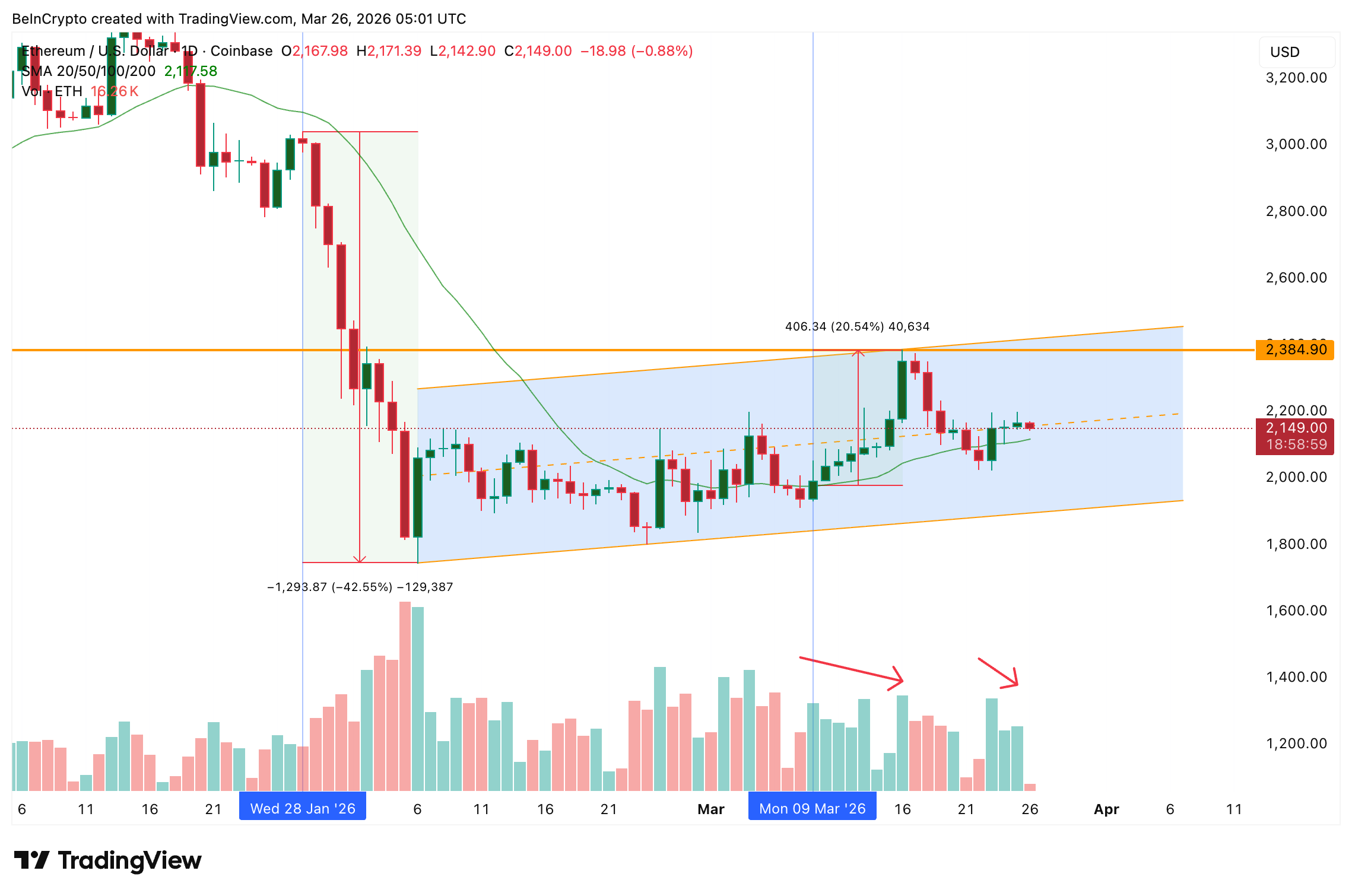
Sure, the charts look pretty, all ascending channels and technical levels, but beneath the surface, the waters are murky. Two on-chain signals whisper warnings, like an old man muttering about the weather. The question ain’t just who’s selling, but who’s got the nerve to hold on when the ride gets bumpy.
Ripple Rumbles: Will XRP Ever See the Light of $1.60 Again?

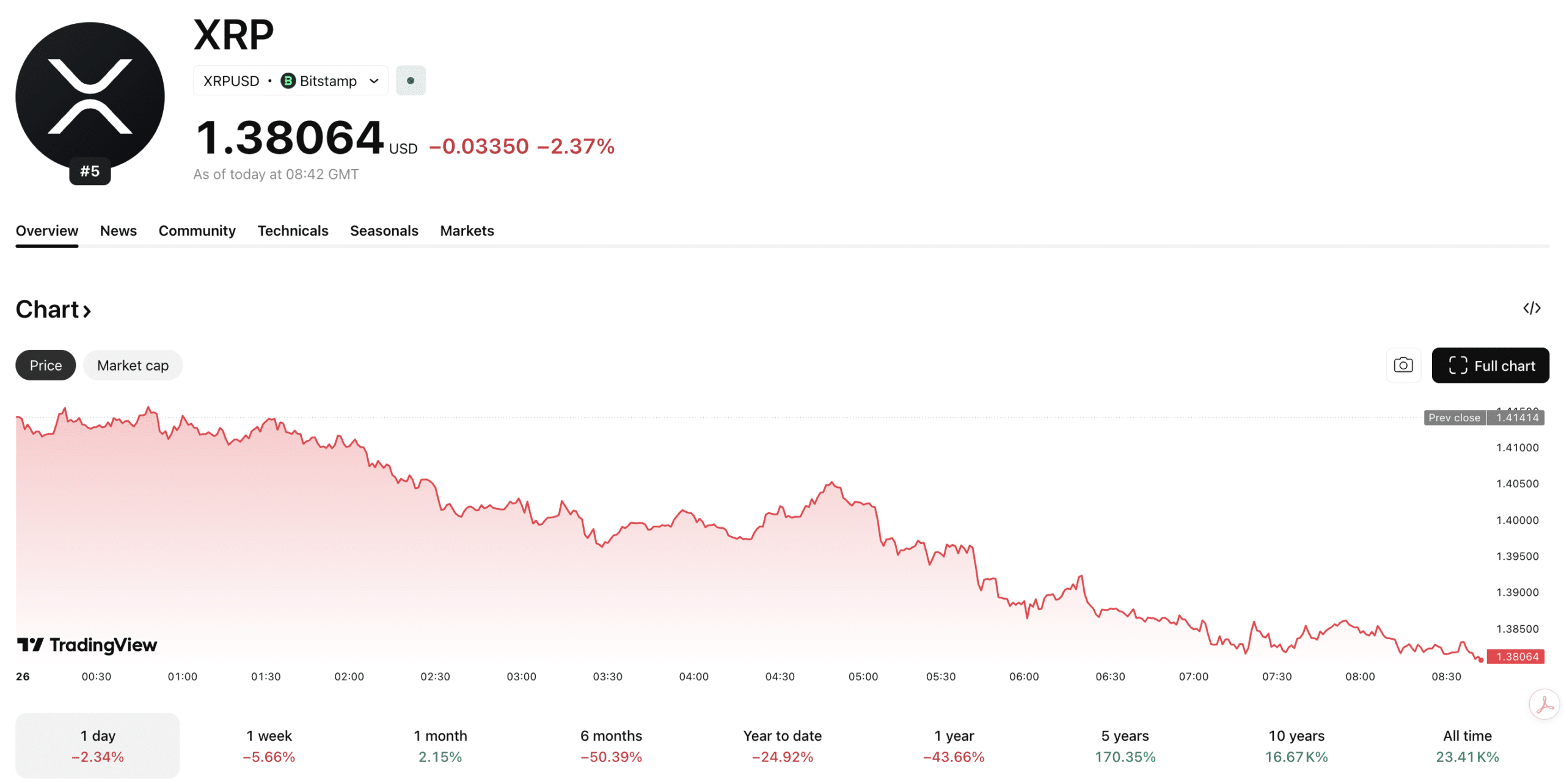
The broader canvas paints an even grimmer tableau. With an approximate 40% depreciation since its December 2025 zenith of $3.65, XRP seems to be engaged in a tragic comedy of errors. Despite this price malaise, the network itself revels in a frenzy of activity, boasting an astonishing 2.7 million daily transactions and 7.7 million active wallets, a veritable fiesta of growth amidst the price correction.

Bitcoin’s $14B Options Party: Will It Crash or Cash?

The crypto market’s in the spotlight again. Why? Because nearly $16.4 billion worth of Bitcoin and Ethereum options are expiring this Friday. Big whoop. Like we haven’t seen this circus before. Analysts are monitoring strike levels and positioning data. Because, you know, that’s what analysts do. Sit around, sip coffee, and pretend they know what’s gonna happen.

Bitcoin’s Recovery: A Comedy of Errors and Missing Ingredients!

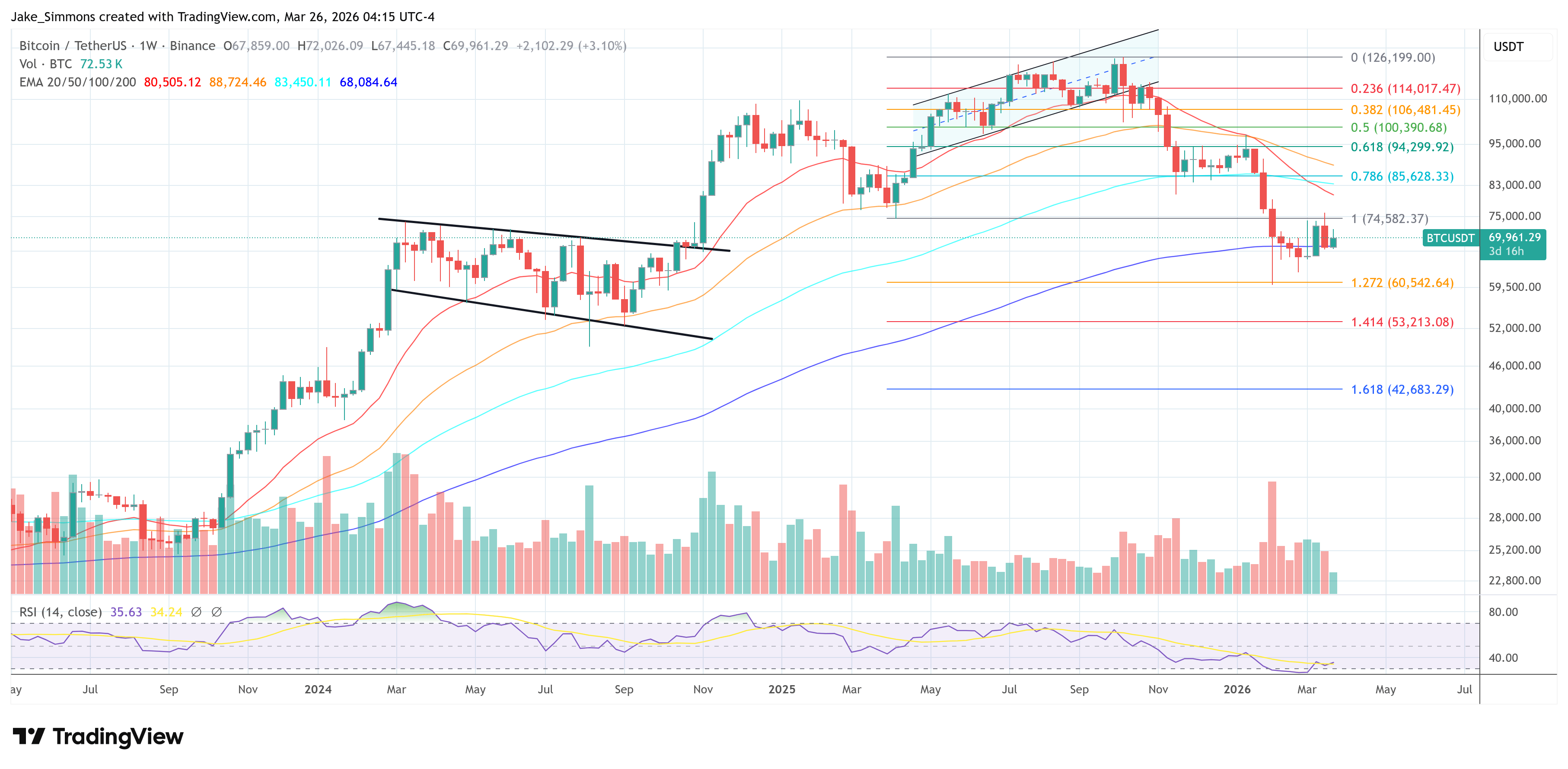
In their latest weekly report, cheekily titled Awaiting Liquidity, Glassnode opines that various pressure points have eased all at once, as if a divine hand had swept across the market, alleviating sell-side intensity and ETF outflows alike. Yet, alas! The spot volumes remain muted, leverage is as subdued as a Sunday afternoon, and an alarming concentration of overhead supply suggests we are far from entering a high-conviction breakout phase. It seems we are still in the land of cautious optimism-if there is such a place.

Bittensor Surges 160% in 2 Months: Nvidia CEO’s Endorsement Fuels Rally

As an analyst, I view Bittensor as fundamentally different from typical blockchains. It’s not focused on simply processing transactions or hosting DeFi applications. Instead, I see it as a decentralized marketplace *for* artificial intelligence. Here, AI models actively compete with each other, and the best performers are financially rewarded. The system is built around ‘subnets’ – essentially independent markets dedicated to specific AI jobs like training large language models, managing computing power, or making predictions. Each subnet operates on its own, but they’re all economically linked through the TAO token.