Grayscale’s Secret Dance with Crypto ETFs
Grayscale insiders and affiliated entities have adjusted their exposure to select altcoin exchange-traded products, their actions as enigmatic as a riddle posed by a sphinx.
Grayscale insiders and affiliated entities have adjusted their exposure to select altcoin exchange-traded products, their actions as enigmatic as a riddle posed by a sphinx.
In what can only be described as a masterclass in digital misfortune, Clawdbot-excuse me, Moltbot-found itself in hot water after its founder, Peter Steinberger, discovered that crypto scammers had hijacked his accounts like unwanted houseguests who refuse to leave.
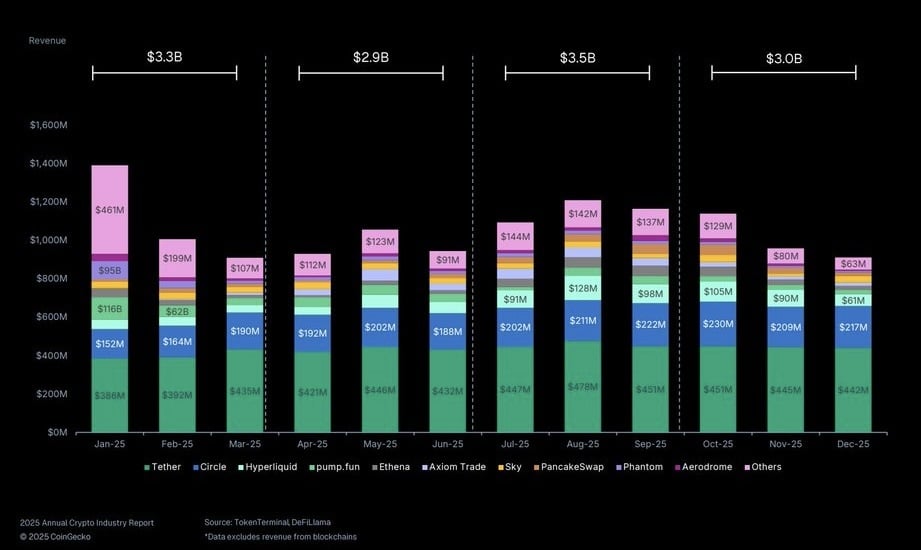
Once upon a not-so-distant future, a very research-y study by Coingecko waltzed into our lives. And guess who reigned supreme? Tether, of course! Sashaying through the crypto scene, Tether bagged $5.2 billion, which is basically the moon when you compare it to the rest of the revenue pool. Not bad for just stopping currencies from whizzing around like a manic squirrel with ADHD, huh?
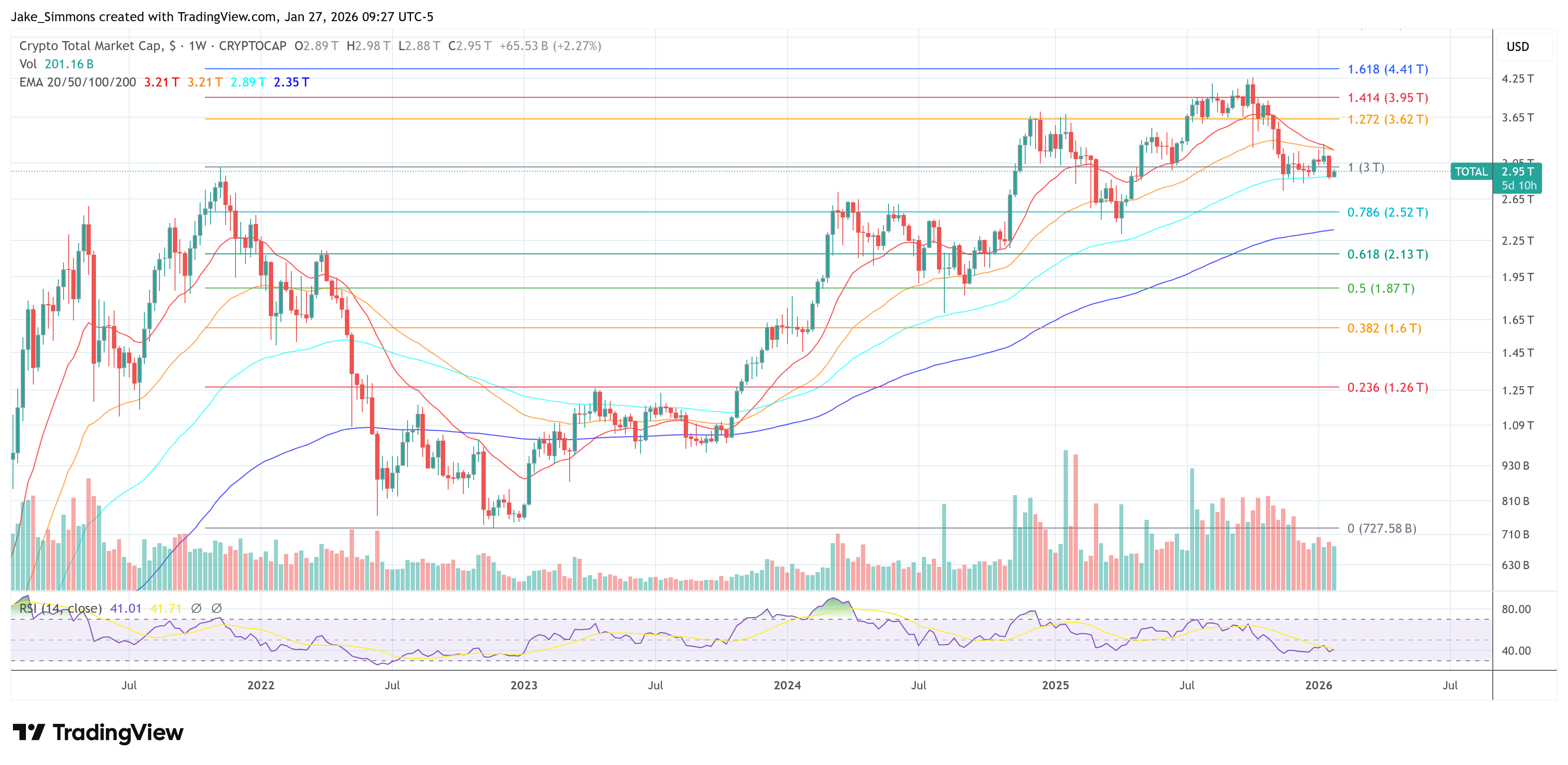
The usual method of stopping these things – central banks tightening their purse strings – is, according to Mattsby, being thwarted by a delightful mess of debt, fragmented financial systems, and a remarkable appetite for spending money on things that require a great deal of money. Data centers, he specifically mentions. One can almost smell the silicon burning through excess liquidity. It’s a terribly modern tragedy, isn’t it?
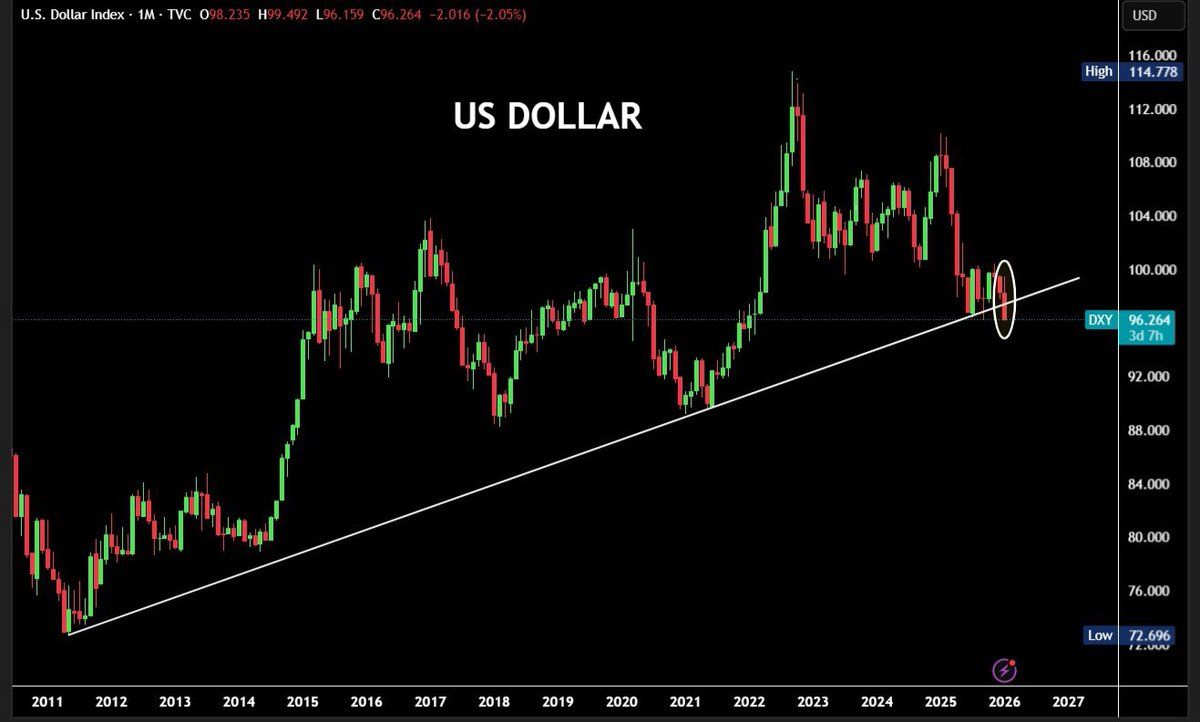
This ignoble descent, spurred by the whims of a certain orange-hued former president and the caprices of macroeconomic fate, has ignited whispers among the crypto faithful. For where the dollar falters, Bitcoin, that digital Prometheus, rises.
On that fateful January solstice, Representative Logan Manhart, ever the reminiscent impresario, spiritedly reintroduced his latest Bitcoin confection. Dressed as House Bill 1155, it bears a striking familial resemblance to a prior, lost waltz.
Tether, with an audacity that would not be amiss in a circulating library novel, has introduced USAT, a digital dollar designed to operate under the watchful eye of federal regulations. Issued by a bank duly chartered by the nation, this token ventures boldly into the very heart of American finance. Thus, Tether intends to cater to those U.S. individuals and institutions who desire a digital dollar, blessed by the authority of a federally chartered establishment.
At the heart of this drama lie Tether and Circle, whose combined might accounts for 87% of the global stablecoin supply. Tether’s USDT, with its 62% dominance, and Circle’s USDC, contributing a modest 25%, leave but a slender slice for all others. A pie, indeed, most unevenly divided.
You know, it all kicked off when Eric Balchunas-the senior ETF analyst over at Bloomberg-had this lightbulb moment on X. He pointed out something that was so bizarre, it could be the plot of a bad sitcom.
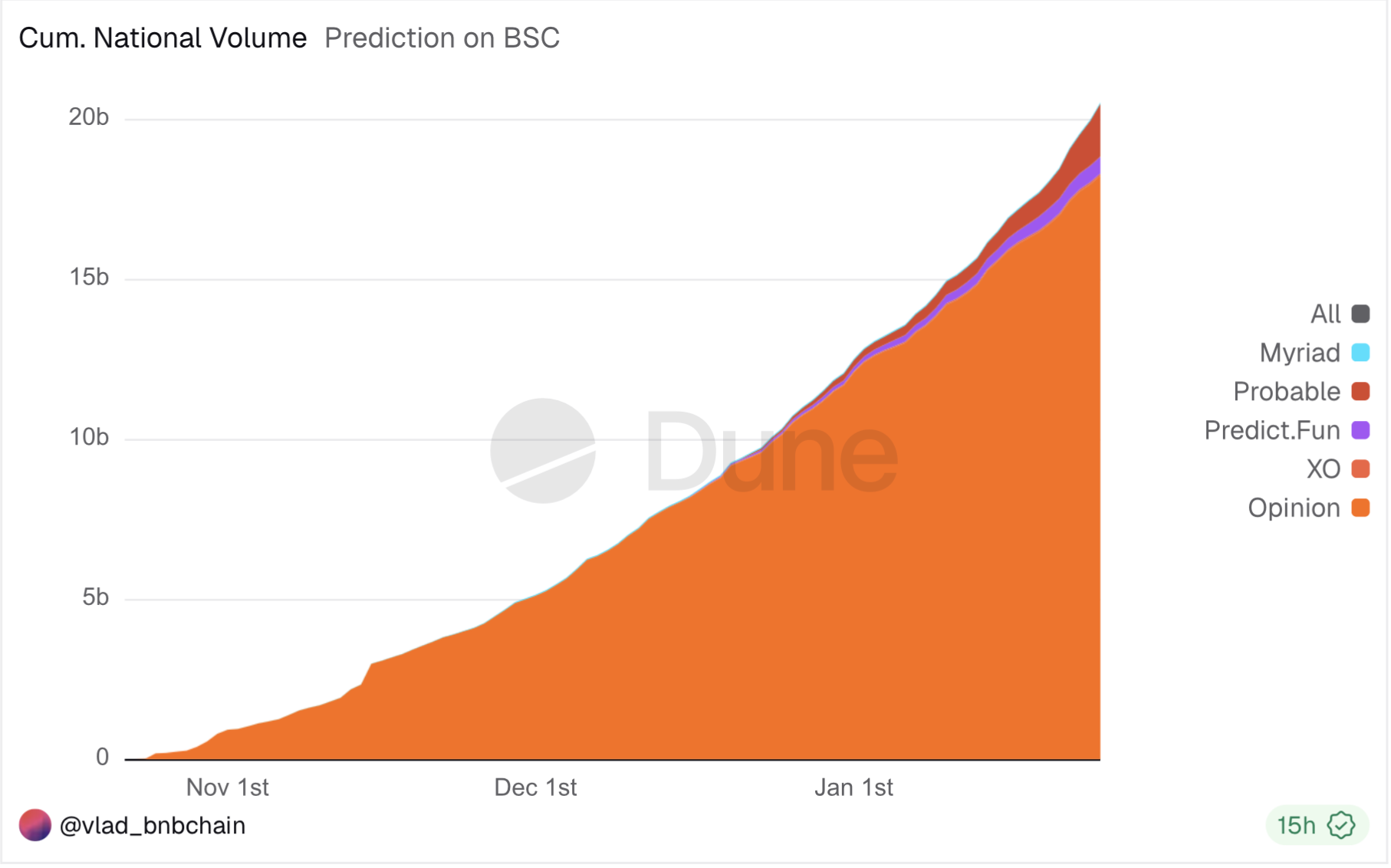
Just the other day on Monday, BNB Chain spilled the beans that their prediction markets hit a new high, topping a staggering $20.91 billion in cumulative trading over the weekend. I tell ya, that’s more dough than a baker sees on pie day!