Markets
What to know:
- Michael Kramer of Mott Capital Management has issued a warning that would make even a Vogon blush with boredom: upcoming U.S. Treasury operations are set to drain roughly $150 billion in liquidity from the financial system, potentially deepening Bitcoin’s current price meltdown into something far more dramatic.
- Kramer, who appears to have spent far too long observing the strange, lizard-brain relationship between liquidity and digital funny money, argues that Bitcoin acts as a far better leading liquidity indicator than most other instruments, and has already thrown a full-blown tantrum that broke key support near $75,000 amid an 11% pullback from its recent all-time highs.
One fund manager has issued a stark warning that feels like it was lifted straight from the Hitchhiker’s Guide to the Galaxy’s entry on ‘Things That Are Very Much Not Worth Panicking About, But Will Anyway’: Bitcoin’s ongoing selloff may deepen as upcoming U.S. Treasury operations are expected to drain roughly $150 billion in liquidity from the already-jittery financial system.
“In my experience, Bitcoin tends to be a better liquidity indicator than most other instruments, which is a fancy way of saying it throws a hissy fit far faster than any other asset class when someone moves a pile of cash out of the room,” said Michael Kramer, founder and CEO of Mott Capital Management, a registered investment advisory firm, in his latest market analysis note, which presumably also included a half-hearted disclaimer that past performance is no guarantee of future results, and also that Vogon poetry is not responsible for any losses incurred while reading market notes.
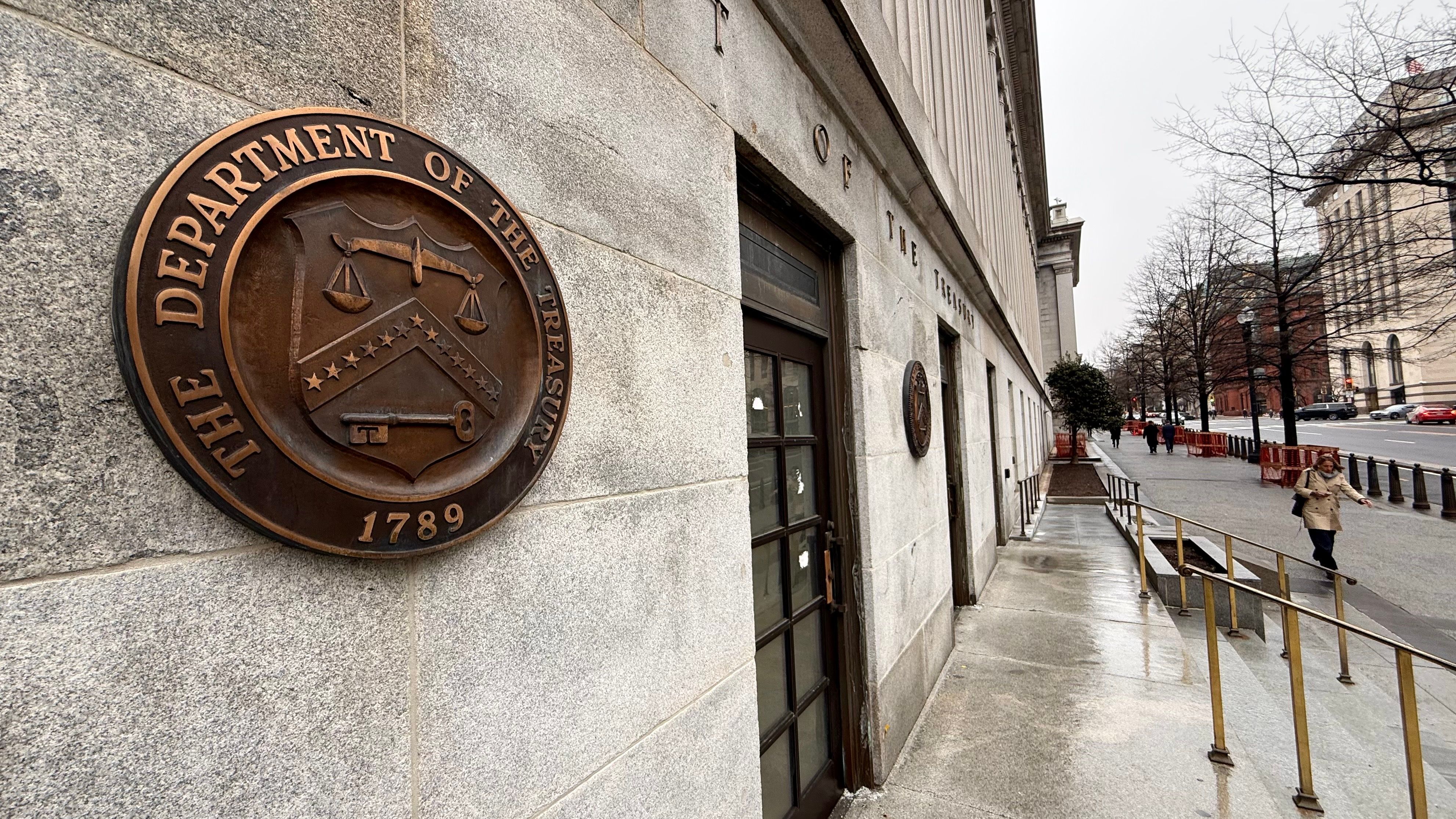
For those of you who have not spent the last decade staring at spreadsheets instead of reading about intergalactic bypass construction, the U.S. Treasury regularly issues bonds and bills to finance the entirely necessary task of keeping the lights on in Washington D.C. When the Treasury sells new securities, it receives cash from investors, which is then promptly moved into the Treasury’s account at the Federal Reserve, because nothing says ‘fiscal responsibility’ like hoarding cash in a government vault while the rest of the market wonders where their money went. All else equal, this process pulls liquidity out of the banking system and reduces the amount of cash available for other investments, including the highly volatile digital tokens that people buy with the express intention of yelling at their screens at 2 a.m. These periodic settlements can create temporary but meaningful liquidity drains, especially during heavy issuance periods, which is exactly the kind of boring bureaucratic farce that the universe seems to specialize in.
According to Kramer, Treasury operations from May 28 to June 5 could result in a roughly $150 billion liquidity drain, which is enough money to buy roughly 3.2 billion avocado toasts, or fund the Vogon construction of a new hyperspace bypass through the Alpha Centauri system (the plans for which have been on display in the lower proles of the Andromeda galaxy for 50 years, and no one has bothered to read them, much like most people ignore Treasury settlement calendars until their crypto portfolio starts bleeding). This includes:
- $15 billion in T-bills settling on Thursday, which is roughly the GDP of a small Caribbean island nation, if that nation’s entire economy was made of government debt and mild regret
- $47 billion in coupon settlements on Friday, which is enough money to buy every copy of the Hitchhiker’s Guide to the Galaxy ever printed, and still have enough left over to bribe a Vogon to not read you their poetry
- $68 billion on Monday, which is the exact amount of money you will lose if you panic-sell your Bitcoin at the worst possible moment, which is exactly what this entire situation is designed to make you do
- $16 billion in T-bill settlements on Tuesday, which is roughly the annual budget of a small European country’s public broadcasting service, if that service only aired 12 hours of Vogon poetry a year
- Another T-bill settlement on June 4 estimated between $5 billion and $15 billion, because nothing says ‘fiscal precision’ like a $10 billion margin of error on a government money shuffle
Markets, including crypto, tend to perform best when liquidity is abundant, which is a fancy way of saying everyone is drunk on cheap cash and willing to buy literally anything that sounds like it might make them rich without doing any work. When cash is pulled from the system, even temporarily, investors often turn more cautious, reducing appetite for risk assets like Bitcoin, which is essentially the financial equivalent of a party favor that everyone agrees is worth something when the music is loud, but is just a useless piece of plastic when the lights come on and everyone sobers up.
Early signs of this pressure are already visible, as if the universe is giving us a very subtle, very expensive warning sign that looks exactly like a falling stock chart. Bitcoin has dropped about 11% since hitting highs above $82,500 earlier this month, and was trading near $73,000 at press time, which is roughly the price of a very nice used car, if that car was made of code and people argued about its value on Twitter for 12 hours a day. Kramer notes that the recent breakdown of key support near $75,000 is a clear signal that liquidity conditions are tightening, which is the financial equivalent of the party’s host turning off the music, turning on the lights, and telling everyone to go home because the cops are coming and someone spilled beer on the carpet.
While this doesn’t guarantee a deeper decline (the universe is nothing if not delightfully unpredictable, as anyone who has ever tried to get a decent cup of tea in a British motorway service station can attest), it underscores an important point often overlooked in crypto circles, where people will argue for hours about the merits of different meme coins but ignore the fact that their entire ecosystem is propped up by the entirely unglamorous machinations of government borrowing and cash flow. Bitcoin does not trade in a vacuum, no matter how much its biggest fans might wish it did, and macro forces like government borrowing and the resulting cash flows can quietly exert significant influence on prices, much like how a Vogon poetry reading can quietly exert significant influence on your will to live.
For everyday investors, the key takeaway is simple: sometimes the biggest driver of Bitcoin’s price isn’t a crypto-specific headline about some new token that’s named after a dog or a piece of office equipment, it’s the boring, mind-numbing macro forces moving in the background, shuffling billions of dollars around like they’re dealing cards in a very high-stakes game of poker that no one actually wanted to play. Also, as the Hitchhiker’s Guide would remind you: don’t panic. Or at least, don’t panic more than you usually do when you look at your investment portfolio on a Tuesday morning.
2026-05-28 08:13