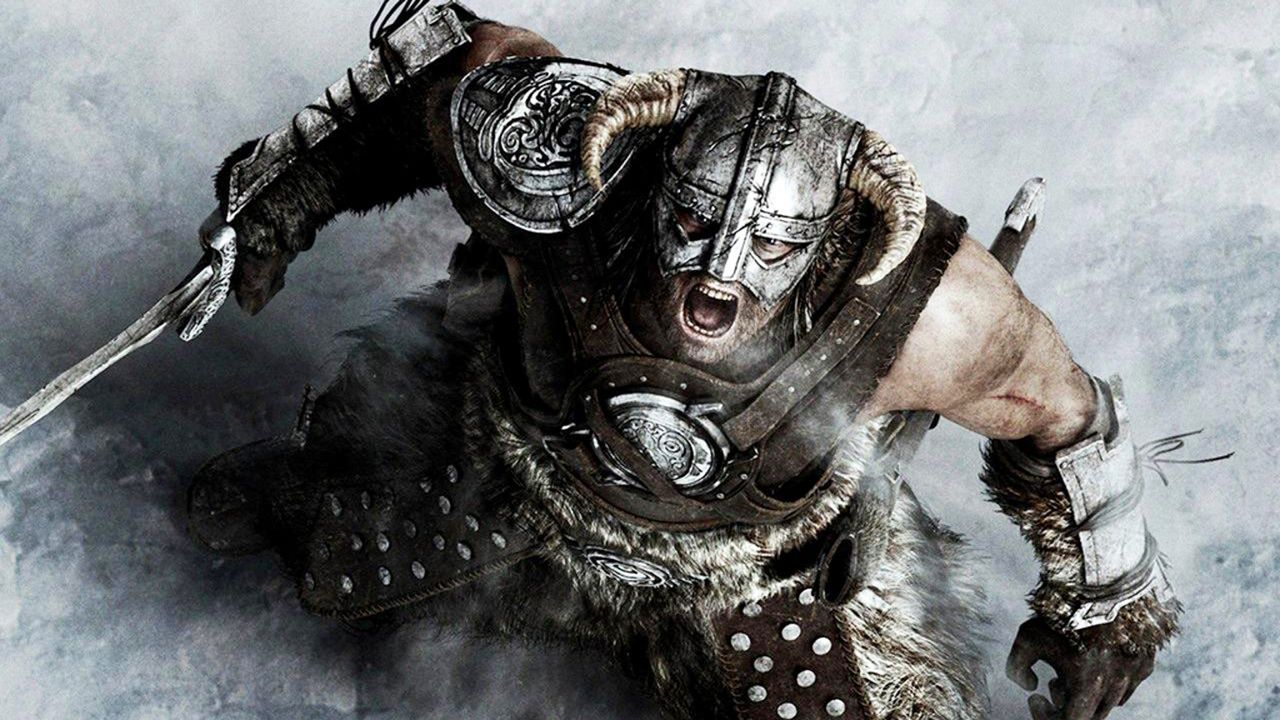
Kurt Kuhlmann, who spent over two decades as the expert on lore for The Elder Scrolls games at Bethesda, recently explained why he departed the company in 2023 – something he hadn’t done until now.
While it didn’t get widespread attention, Kurt Kuhlmann’s departure deeply affected those familiar with The Elder Scrolls series. Michael Kirkbride, a colleague of Kuhlmann’s on both Morrowind and Oblivion, stated at the time that Kuhlmann was the best writer the series had ever seen and that his leaving would negatively impact the creative direction of The Elder Scrolls 6.
“I definitely felt it was time for a fresh start,” says Kuhlmann, now with Lightspeed LA, a studio owned by Tencent. “There were long-standing issues that I wasn’t pleased about.”
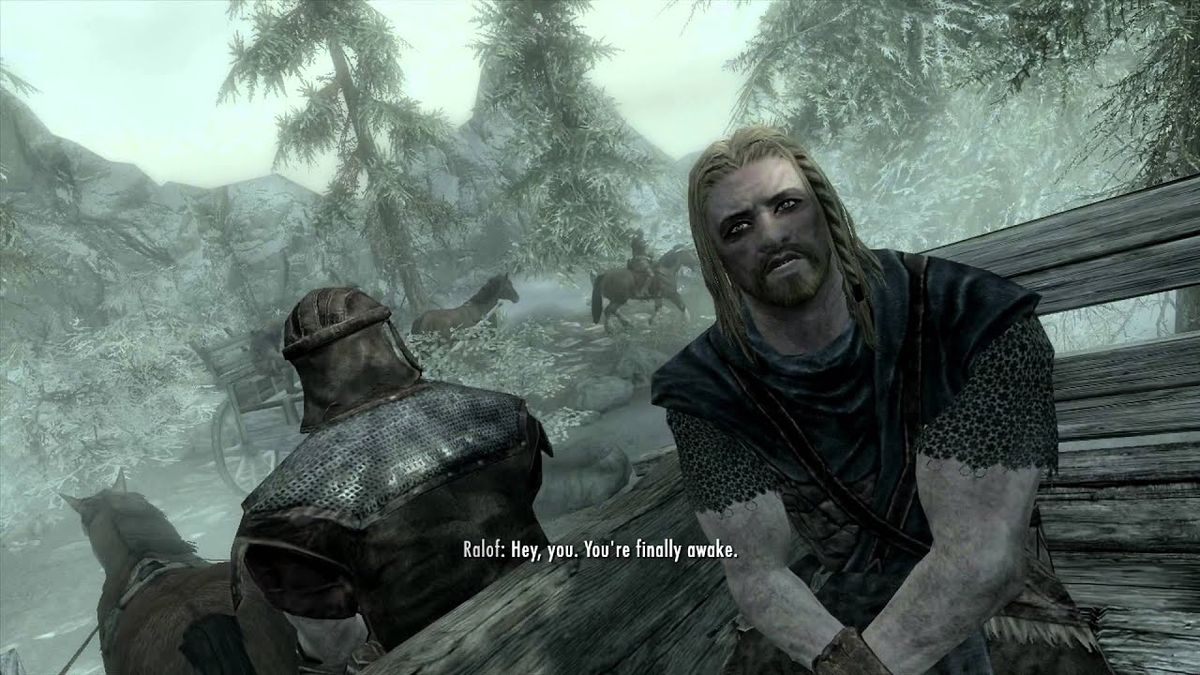
As Bethesda grew rapidly, some problems with Starfield’s development were unavoidable. With so many developers working across different teams, communication wasn’t always smooth, and some felt out of touch with company leaders, according to Kuhlmann.
There’s also another factor at play, and it relates to a commitment Todd Howard made regarding The Elder Scrolls 6.
A promise, he says, that was never fulfilled.
It was almost certainly time for a change.
Kurt Kuhlmann
Kurt Kuhlmann had two separate periods working at Bethesda. He started in 1996, contributing to games like The Elder Scrolls 2: Daggerfall and Redguard, and also did early work on Morrowind. He rejoined the company in 2003 and played a key role in every major Bethesda title since then, notably as a co-lead designer on Skyrim and lead systems designer for Starfield.
Kuhlmann became known as the expert on Elder Scrolls lore due to his long career at the studio and his significant contributions to the history of Tamriel. When ZeniMax Online Studios started developing The Elder Scrolls Online, he was the person responsible for answering questions about the game’s background and story.
According to him, Bethesda grew significantly over the past twenty years, and its internal culture shifted, especially after the release of Skyrim in 2011.

Bethesda started as a small team of developers, like Todd Howard, working closely together in a basement office, sharing meals and making decisions as a group. Over time, they expanded, opening new offices and incorporating other studios like BattleCry and Escalation Studios (both in 2018) under their parent company, ZeniMax Media. Then, in 2021, Microsoft acquired ZeniMax, bringing Bethesda under its umbrella.
When Starfield was released in 2023, it was the result of collaboration between four different development teams, as Kuhlmann explains.
Once a company grows to that scale, informal chats with leaders about design details become impossible. It’s no longer a situation where everyone can casually join the director for lunch. Managing a team of 400 people across four studios, as a major business, especially with Microsoft as a partner, requires a much more structured approach.
As the company grew, things became more complicated. Simple decisions that were once made quickly during in-person conversations now had to go through multiple layers of management. Kuhlmann explains that developers often didn’t even know who was responsible for making those decisions.
He explained that there were times during Starfield’s creation when communication fell apart, leading to confusion about tasks. Different teams sometimes received conflicting instructions – what one leader said didn’t always match what another said.
The snowball
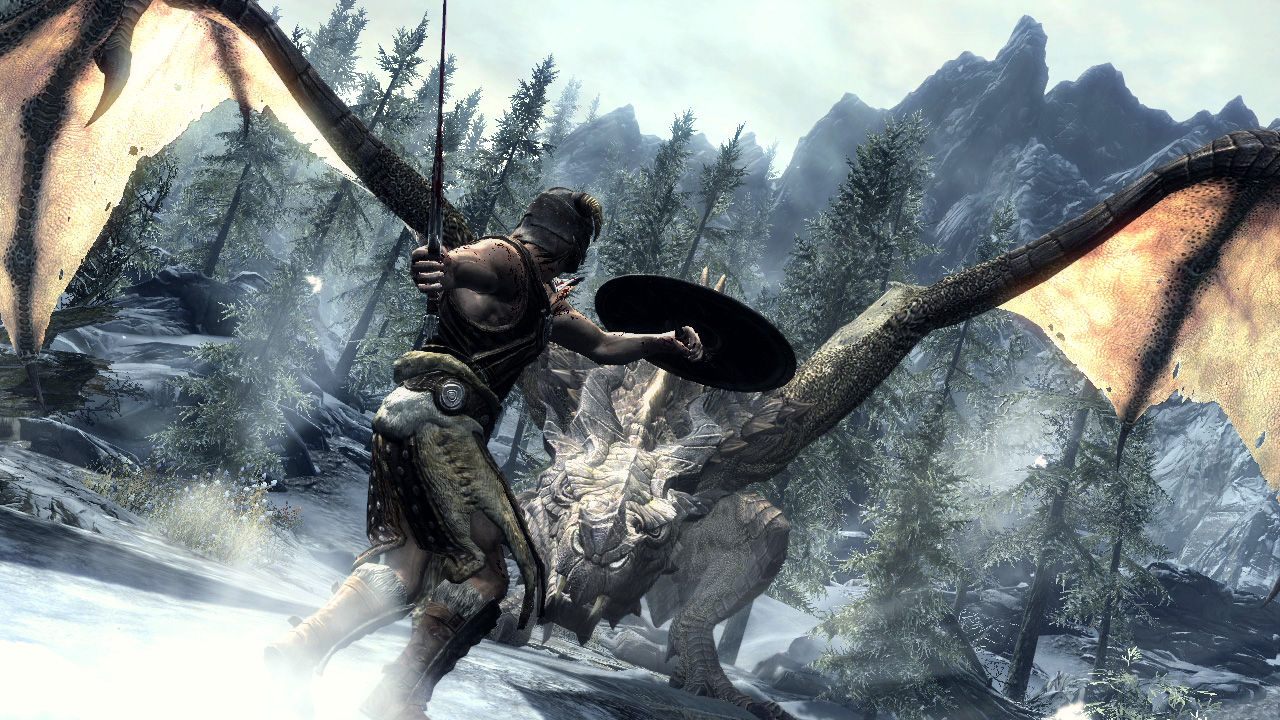
He explains that Bethesda’s increasing challenges developed gradually over time, before Microsoft even bought the company. These issues seem to be particularly clear when looking at how Todd Howard’s responsibilities changed.
Kuhlmann praises Todd as a strong project lead and believes he’s a designer first and foremost, pointing to his successful work on previous games. However, as the company grew and more teams requested his help, Todd was increasingly stretched thin and pulled away from design work.
According to Kuhlmann, Howard consistently made smart choices, and the quality of the games noticeably declined when he wasn’t present. Often, decisions made while he was away had to be reversed later on.
Kuhlmann faced more than just issues with the decision-making process. As Bethesda expanded, its most experienced developers shifted their focus from actually building the game to managing others, and became less involved in the hands-on work.
With Skyrim, key leaders like Kuhlmann were directly involved in creating the game – writing quests and building levels, for example. But by the time Starfield was in development, these leaders – overseen by Todd Howard – were in charge of entire studios. This created a more formal, bureaucratic process, as the expectation shifted. They were no longer expected to contribute to the game’s content directly, focusing instead on managing the overall project.
He doesn’t think the current situation is bad, and understands it’s a natural part of a studio’s growth. While he liked managing people, he ultimately preferred the creative work of game design. He explains, “I wanted to stay involved in actually making the games, but things had grown too large for me to enjoy working like that anymore.”
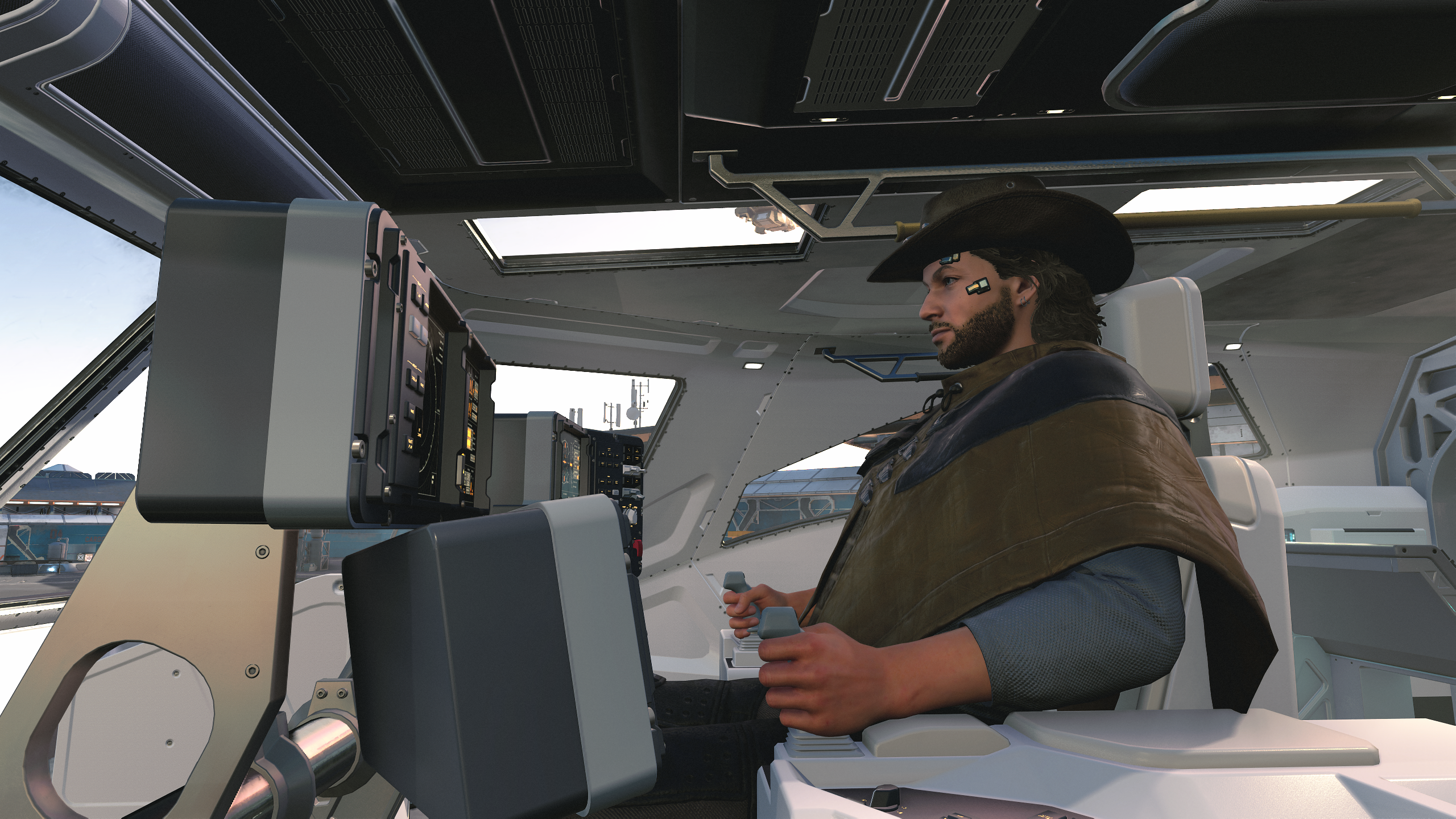
But what of Todd Howard’s promise?
According to Kuhlmann, Howard told him he would lead the design for The Elder Scrolls 6 (TES6) following the completion of Fallout 4.
I’ve been waiting 11 years to be the lead on TES6.
Kurt Kuhlmann
After Fallout 4, instead of starting The Elder Scrolls 6, we developed Fallout 76. And even after that, we didn’t begin work on TES6; we created Starfield, which turned into a much longer project than usual. So, personally, I’ve been waiting eleven years to lead the development of The Elder Scrolls 6, he explained.
Being one of the more experienced people on the team, especially after co-leading the successful game Skyrim with Bruce Nesmith, I naturally assumed I’d be considered to lead the next installment, TES6. It wasn’t just something I hoped for—I’d been led to believe it was the plan.
“And they made the decision, no, you’re not going to be the lead.”
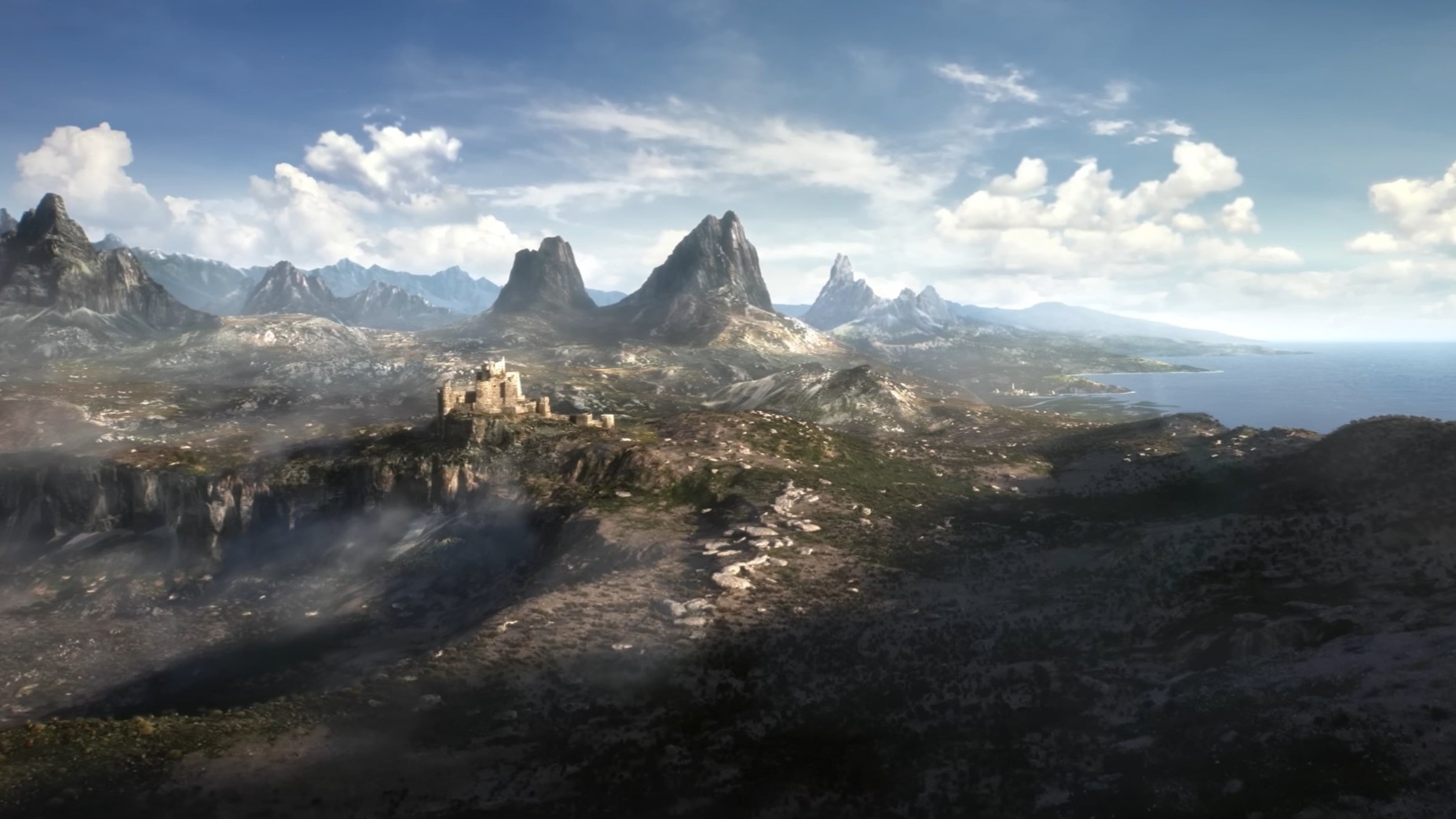
I remember that talk being really difficult. Bethesda’s bosses were hoping I’d be okay with taking on a different job, but it wasn’t what I was looking for. Todd told me they wanted me to have a key role on the project, but honestly, what he thought was important and what I wanted were just totally different at that point.
Bethesda didn’t offer a statement. Kuhlmann believes Howard wouldn’t admit to making the promise, or might simply say it was made a long time ago and circumstances have changed. He points out that this is true – the responsibilities of leading the development of The Elder Scrolls 6 are quite different from what they were for Skyrim.
Looking back, he realizes he probably wouldn’t have enjoyed the opportunity, and it seems like others were right to decide it wasn’t a good fit for him.
Leaving Tamriel
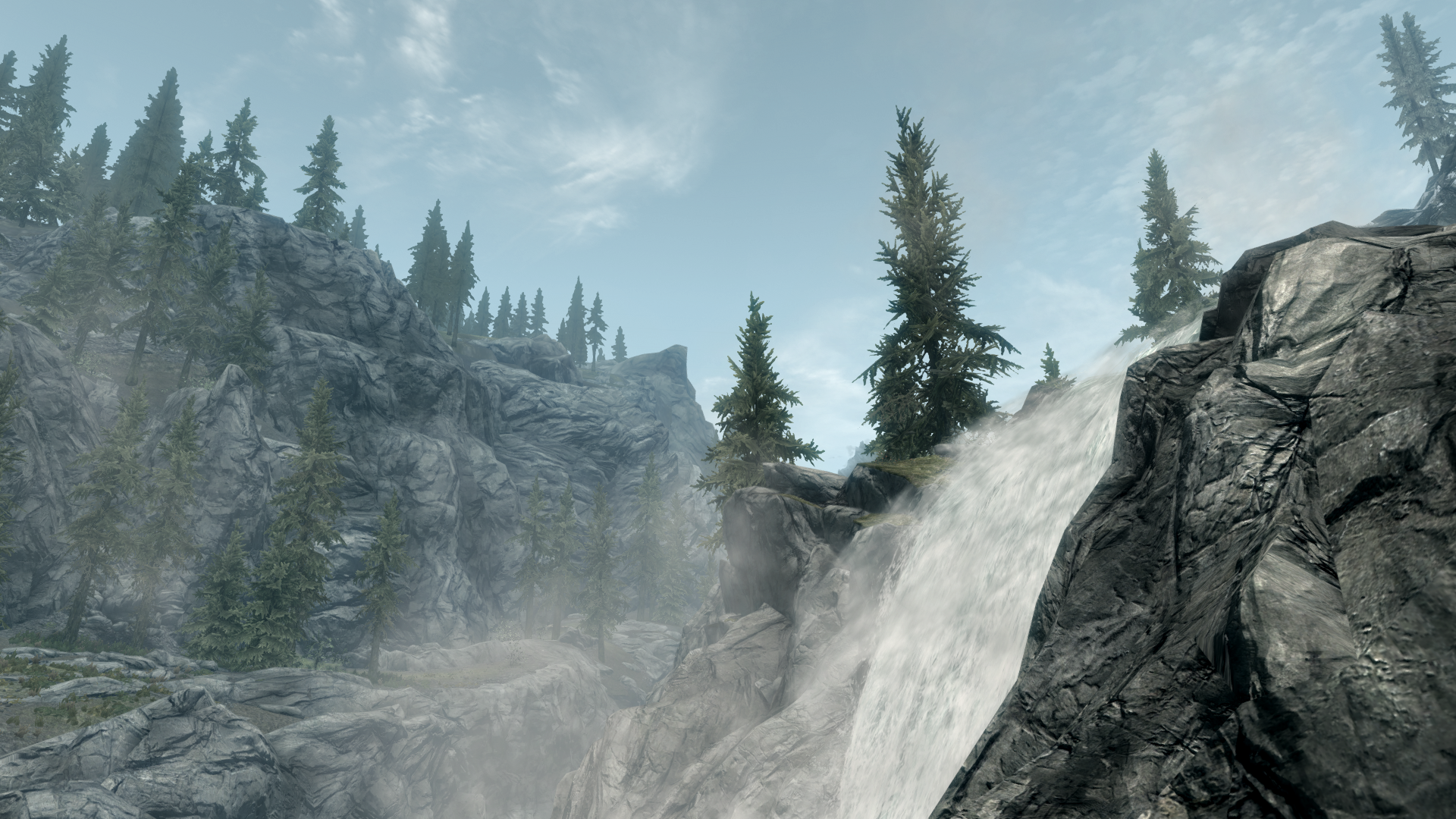
He decided to leave because he felt overlooked and was unhappy with how the studio had evolved, he explains.
He speaks about these experiences without any anger or resentment. It’s clear he still has a lot of affection for Bethesda and the Elder Scrolls series, and really enjoyed working with his teammates on those games. If Bethesda were still the smaller company it once was, he’d be thrilled to be developing The Elder Scrolls 6.
He had ideas for how the game’s story could have unfolded – or, more accurately, how he wished it had.
I had in my mind that TES6 was going to be like The Empire Strikes Back.
Kurt Kuhlmann
He envisioned The Elder Scrolls VI mirroring The Empire Strikes Back, with the Thalmor – the elves who sought to dominate Tamriel and were a looming threat in Skyrim – achieving victory. This would create a challenging setup for the story of The Elder Scrolls VII.
He appreciated seeing villains succeed, as it felt like a refreshing change from Bethesda’s tendency to focus on a single “chosen hero.” While the player might still achieve a quiet victory in TES6 – perhaps by safeguarding a future leader – the overall impression would be that the Thalmor are gaining power.
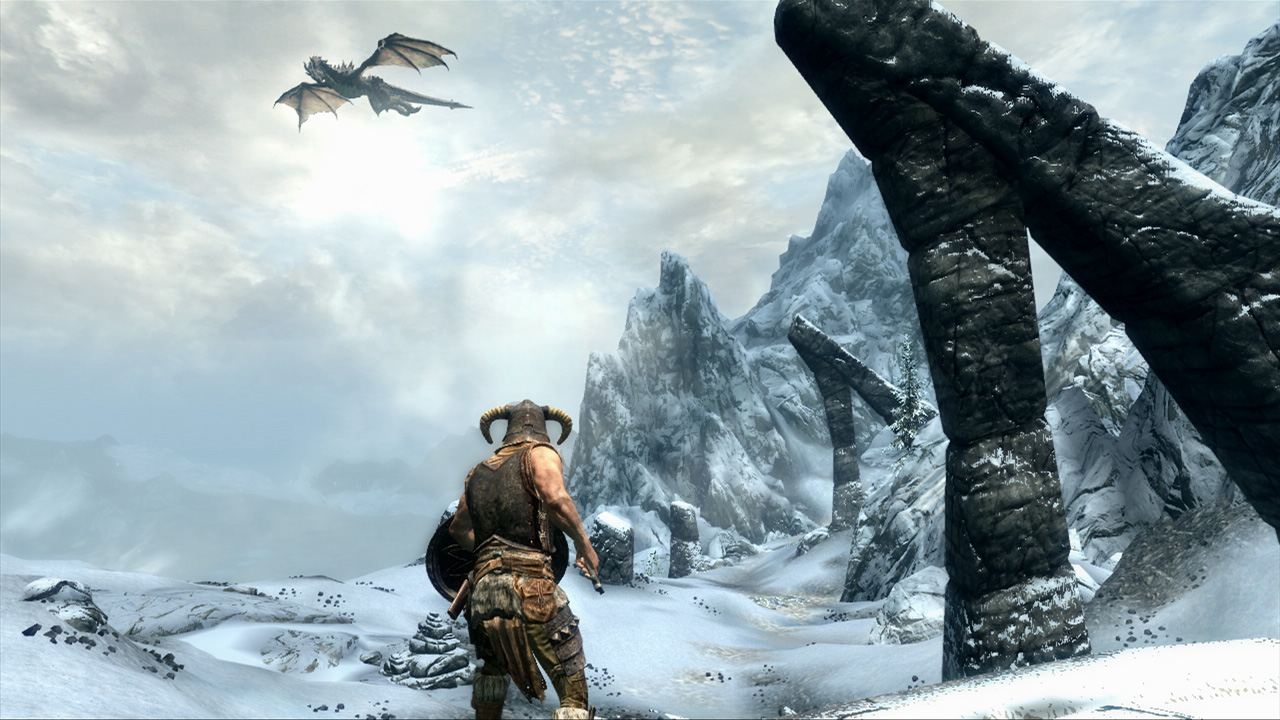
He believes Bethesda wouldn’t release an Elder Scrolls game with an unsatisfying conclusion. Given how long it takes them to make new games, a cliffhanger ending also doesn’t make sense. He explains that ending a game on a cliffhanger and then making players wait 10 to 15 years for a resolution wouldn’t be a good experience.
Fans are speculating that the next Elder Scrolls game will be set in Hammerfell or High Rock. However, Todd Kuhlmann, a former Bethesda employee, admits he doesn’t know the location and playfully notes that his colleagues still at the company are keeping details secret from him.
The series’ loremaster is now, like all of us, watching and waiting from the outside.
Read More
- Clash Royale Best Boss Bandit Champion decks
- Vampire’s Fall 2 redeem codes and how to use them (June 2025)
- How to find the Roaming Oak Tree in Heartopia
- World Eternal Online promo codes and how to use them (September 2025)
- Mobile Legends January 2026 Leaks: Upcoming new skins, heroes, events and more
- Best Arena 9 Decks in Clast Royale
- ATHENA: Blood Twins Hero Tier List
- Brawl Stars December 2025 Brawl Talk: Two New Brawlers, Buffie, Vault, New Skins, Game Modes, and more
- Clash Royale Furnace Evolution best decks guide
- What If Spider-Man Was a Pirate?
2026-01-15 20:53