This Morning’s Dr Philippa Kaye reveals she has undergone a hysterectomy after ‘cancer risk’

The 46-year-old doctor and writer is a frequent guest on daytime television and specializes in women’s, children’s, and sexual health.
 ebaster
The 46-year-old doctor and writer is a frequent guest on daytime television and specializes in women’s, children’s, and sexual health.

People who saw what happened at St. Paul’s School in Concord, New Hampshire, have provided new information about the strange situation. Allman was described as a disruptive and aggressive visitor who wasn’t welcome on the campus.
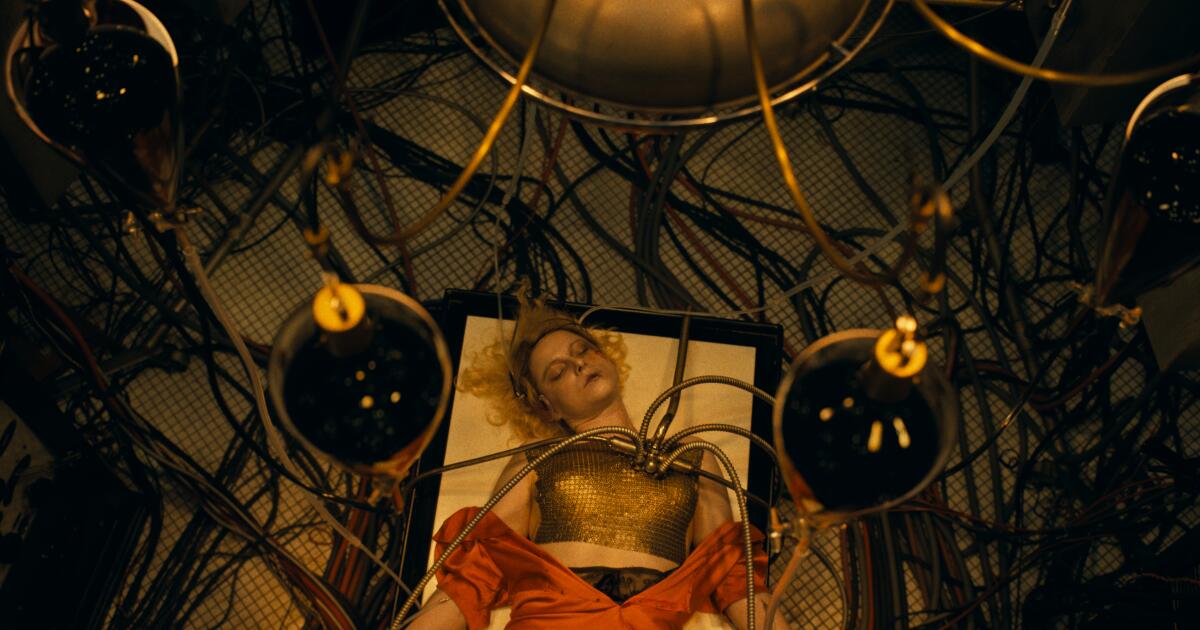
The monster’s mate is a character long anticipated, much like the elusive Godot. In Mary Shelley’s original novel, Dr. Frankenstein considers creating a companion for his creature but ultimately rejects the idea, fearing she would be even more dangerous. This debate played out in the 1935 film, “Bride of Frankenstein,” which finally introduced Elsa Lanchester as the Bride with only minutes left in the movie. She made an immediate, iconic impact before both she and the monster were destroyed. Boris Karloff, as the monster, sadly notes, “She hate me.” Notably, the Bride never speaks and likely doesn’t understand what’s happening to her.
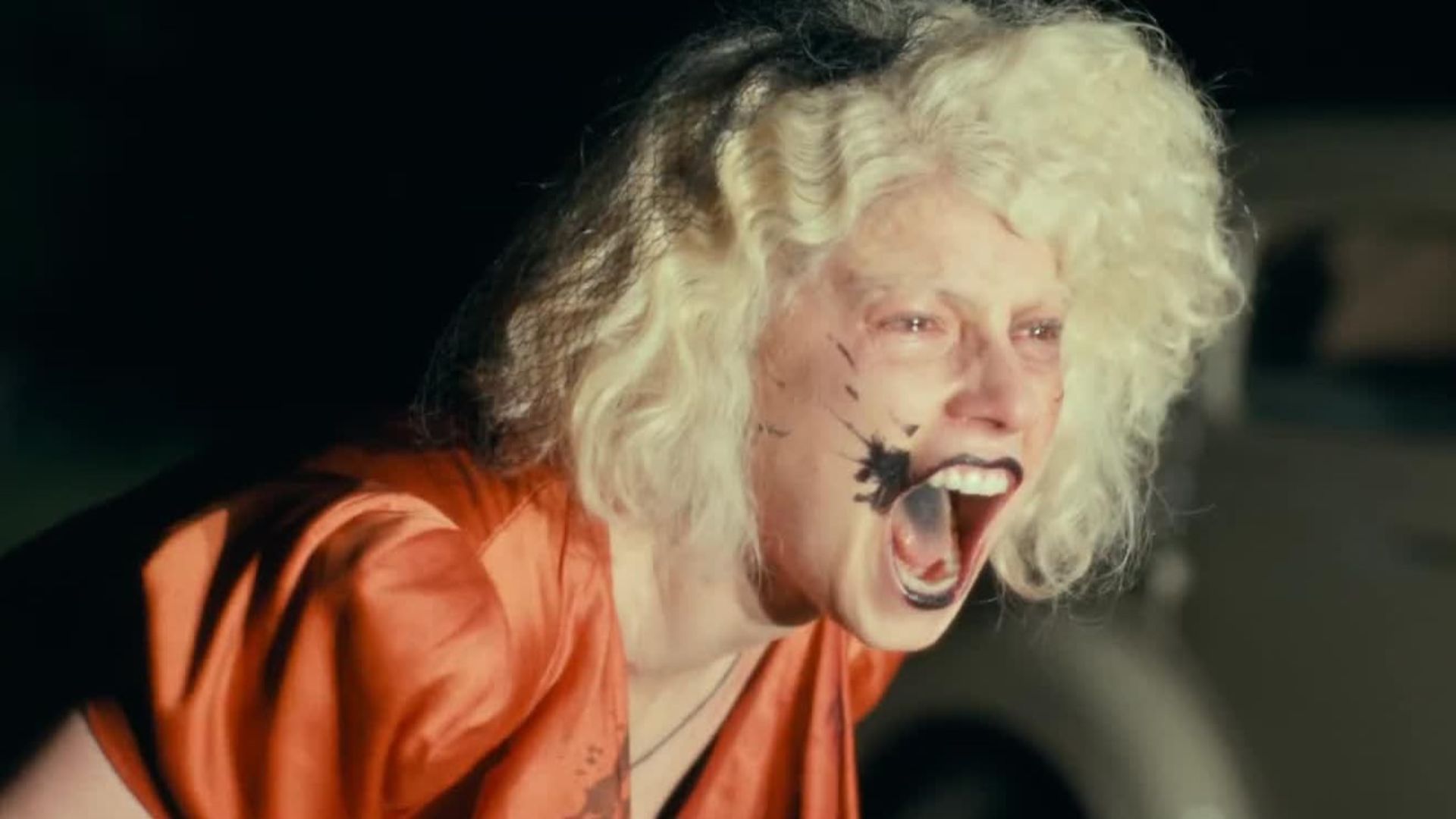
Maggie Gyllenhaal’s second film is a powerful and unsettling look at a society in turmoil. The Bride! is a passionate and urgent movie, drawing inspiration from classic stories like Hamlet, Romeo & Juliet, and Bonnie & Clyde to condemn the excesses of the wealthy, police inaction, violence against women, and the systems that allow them to continue. It delivers its message with both fierce anger and dark humor, but at its heart, The Bride! is a deeply romantic story about choosing life, even when facing inevitable death. It suggests that a life filled with love, however brief, is more meaningful than a lonely existence. This choice, the film argues, is one we all face today, almost a century after the events depicted in Gyllenhaal’s bold, beautiful, and exciting romance.

Oh my gosh, did you SEE her?! She’s 52 and still absolutely stunning! She arrived looking incredible, wearing this sheer, black polka dot top – and she wasn’t even wearing a bra! Seriously, she just completely took my breath away. She’s a goddess, I swear!
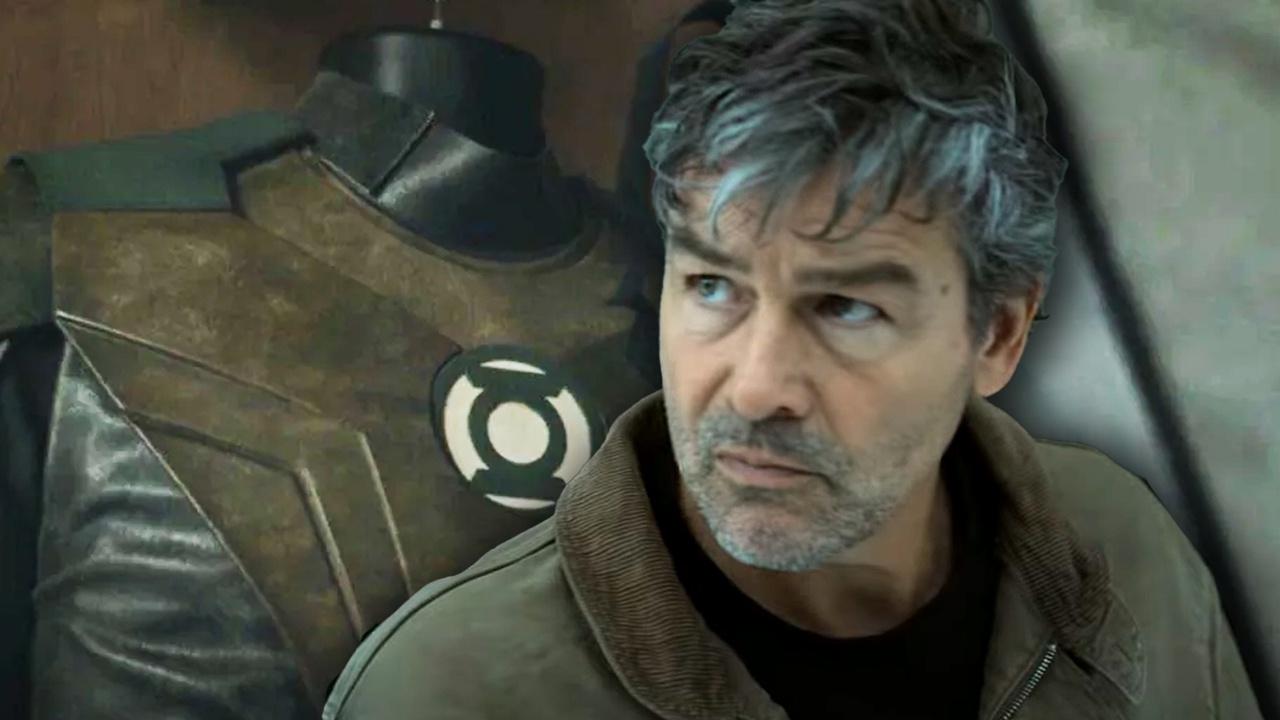
The first look at a new Green Lantern suit has finally arrived in the trailer for the upcoming Lanterns series, answering a long-held question for fans. While HBO’s choice to keep the Green Lantern costumes hidden for so long was unusual for DC TV, this new reveal is leading many to wonder if the secrecy was ultimately worthwhile.

Researchers have developed a modular, cable-driven soft robotic arm where material softness directly impacts its ability to both bend and carry loads.
This review examines the critical considerations for integrating artificial intelligence into K-16 STEM education to foster equitable career development and prepare students for the future of work.

After a decade-long break from releasing albums, former Disney star, 38, is back with her new record, Luck… or Something. Her last album, Breathe In. Breathe Out, came out in 2015.

A recent analysis, disseminated upon the platform X, paints a tableau of LINK/USDT’s multi-year decline, akin to the slow unraveling of a tragic hero’s fate. Should the macro breakout materialize-a veritable deus ex machina-the price is said to ascend to $25.52 and, in a flourish of optimism, $47.96. The chart, a labyrinth of decreasing wedge patterns, reveals fleeting upward movements, only to invert with the inevitability of a Turgenovian character’s misfortune.