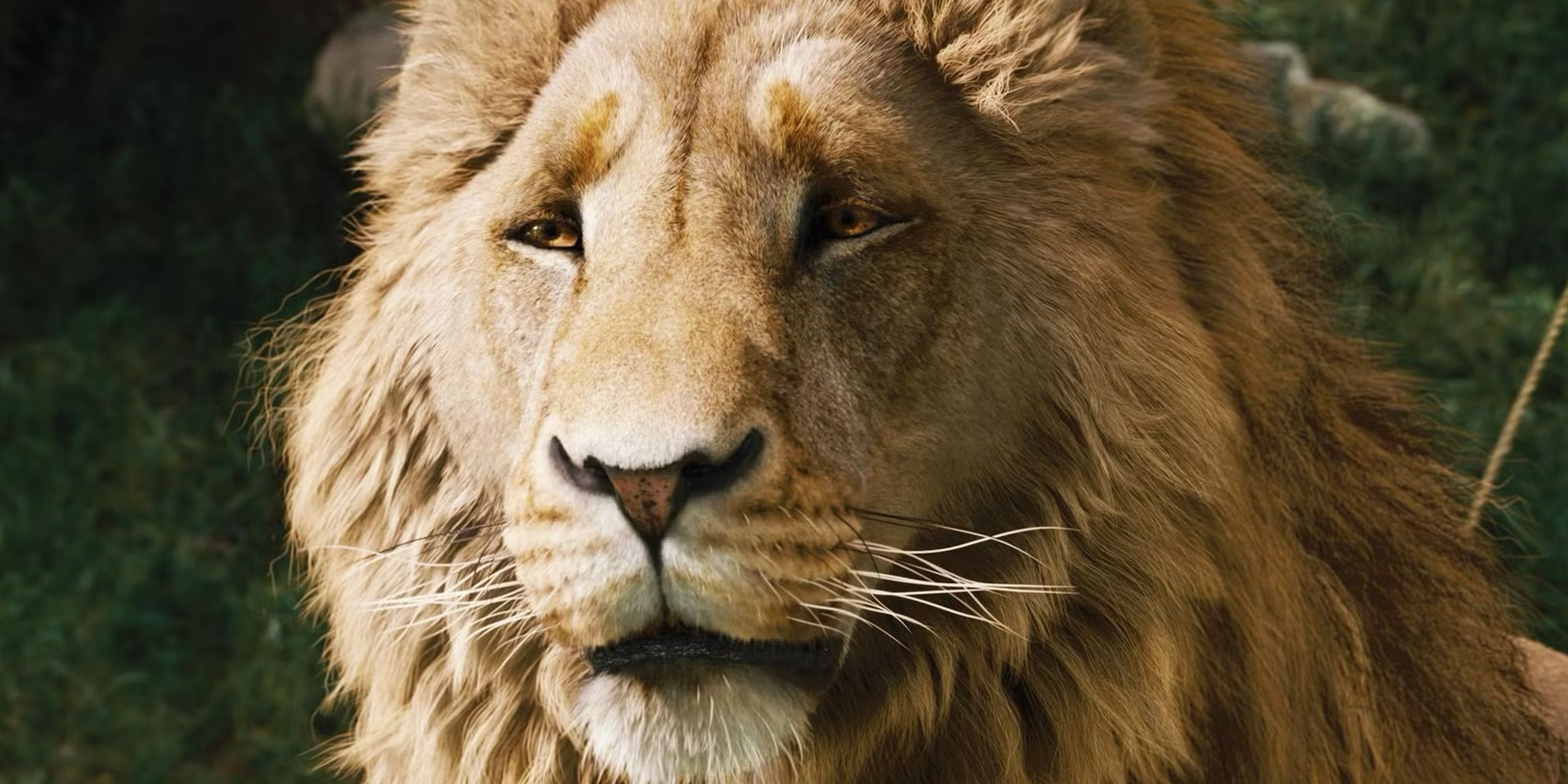
C.S. Lewis’s series of six fantasy books is widely considered a classic. Several film adaptations have been made, most notably the three movies released between 2005 and 2010 that followed the adventures of the Pevensie children: The Lion, the Witch, and the Wardrobe, Prince Caspian, and The Voyage of the Dawn Treader. Recently, in 2023, director Greta Gerwig announced she would be adapting the books, beginning with the first story in the overall timeline: The Magician’s Nephew.
The new film is scheduled for release in 2027, which raises the question of why previous movies weren’t released in a different order. While the filmmakers may have chosen to follow the books’ publication dates, many dedicated fans believe a chronological order—following the timeline of the story itself—would have been a better approach for both reading the books and adapting them into films.
The Magician’s Nephew Is an Origin Book That Was Almost Published Last
It’s interesting that the book explaining the origins of Narnia and introducing Aslan is often overlooked. Published near the end of the series, it’s frequently skipped by casual readers. While many prefer following the adventures of the Pevensie children, this book reveals how Narnia was created, the history of the White Witch, and the existence of other worlds.
As a huge Narnia fan, I’m really excited about seeing Digory Kirke as a central character in this story! For those who’ve read the books, you’ll remember him as Professor Kirke, the kind man who welcomed the Pevensie children and owned the famous wardrobe. But this story takes us back to his childhood, showing how he and his friend Polly stumble into Narnia while messing around with some magical rings. It’s a fantastic way to explore the origins of the world we all know and love!
The Lion, the Witch and the Wardrobe Leaves a Legacy
The book that launched the series, The Lion, the Witch, and the Wardrobe, remains the most beloved. It introduces the Pevensie children – Peter, Susan, Edmund, and Lucy – who are sent to the countryside during World War II. There, they discover a magical wardrobe that leads to the extraordinary world of Narnia. The siblings become kings and queens, fight to save Narnia, rule for a time, and eventually return through the wardrobe, once again just children.
This book immediately captivated young readers with its magical creatures, classic struggle between good and evil, and the promise of gifts from Santa Claus. The idea of ruling a fantastical kingdom populated by talking animals is certainly appealing! However, it’s the book’s deeper themes – particularly those of redemption and sacrifice – that truly make it special.
The Horse and His Boy Searches for Freedom
This story takes place during the height of Narnia’s glory, when the Pevensie siblings were kings and queens. Though they make appearances, the book primarily follows Shasta (who also goes by Cor), Aravis, and their talking horses, Bree and Hwin. It’s a self-contained adventure that doesn’t heavily rely on what happened in previous Narnia stories.
The story centers around escape and the pursuit of an elusive goal. The main characters are trying to avoid difficult futures and, after meeting, team up to flee Calormen. Their adventure introduces memorable characters – including Aslan – and involves preventing a war, all while leading them to self-discovery. Throughout the book, themes of identity and change are explored, and the narrative expands the world beyond Narnia.
Narnia’s Magic Must Be Revived in Prince Caspian: The Return to Narnia
This book follows the Pevensie siblings as they unexpectedly return to Narnia, only to discover that a year on Earth has translated to centuries in the magical land. Narnia is now fading, its magic nearly gone, and everything they once knew is destroyed. They join forces with Prince Caspian to restore his rightful place on the throne and revive the lost magic of Narnia.
While Prince Caspian: The Return to Narnia features the beloved character Reepicheep, it’s generally considered less exciting than other books in the series. Its slow pace and complex storyline, weighed down by extensive backstory, can be frustrating for both the characters and the reader, and it lacks some of the enchanting magic found in the first Narnia adventure. However, the book also feels less predictable than others, and its plot feels important for setting up future events.
The Voyage of the Dawn Treader Is Full of Adventure and Transformation
This story is filled with magic and features some of the most compelling character development in the entire series. Lucy and Edmund Pevensie are thrilled to return to Narnia, this time with their spoiled cousin, Eustace Scrubb. While the journey wasn’t planned, the Pevensie siblings are delighted, but Eustace feels like he’s been taken against his will. They soon meet Caspian, who is now king, and together they set out to find seven lords who were exiled years ago.
Many readers love this story because it brings back the beloved character Reepicheep and features exciting, magical adventures. It also offers a satisfying transformation for Eustace, a character initially disliked by many, turning him into someone fans can appreciate. The story’s theme of personal growth resonates with readers, even if the dragon transformation is a bit fantastical, and the inclusion of mermaids and falling stars adds to the classic fantasy feel.
A Side Character Takes Center Stage in The Silver Chair
In The Silver Chair, Eustace Scrubb, now a changed person, and his friend Jill are sent back to Narnia on a mission: to find the lost son of the aged King Caspian, Prince Rilian. Their journey is full of challenges and strange assignments, forcing them to learn to trust their gut feelings and depend on each other.
This book explores themes of faith and omens, centering on a battle between good and evil. The story features twists and turns designed to mislead the main characters. While the world-building becomes more detailed, many fans feel this book doesn’t get the recognition it deserves. Whether readers enjoy it may depend on their preference for its darker and more serious mood compared to other books in the series.
Narnia’s Very Existence Is at Stake in The Last Battle
This book is definitely the most debated in the series. While The Last Battle features exciting conflicts, familiar faces, and brings the story of Narnia to a close, many readers found the ending unsettling. Some felt the themes of death were handled strangely and that the Christian symbolism, always present in the books, was overly obvious, breaking the immersive fantasy experience and feeling disconnected from its source material.
This book sparks some fascinating theological debates, but discussions often center on why C.S. Lewis excluded Susan from the journey to the “true” Narnia. While readers recognize Lewis intended to portray her as someone who had lost faith, many find his reasoning – that she was too preoccupied with things like fashion and social events – to be unfairly critical of her as a woman.
2026-05-23 19:41