
Neil Diamond didn’t set out to be a performer.
In a 1985 interview with Barbara Walters, he recalled that at 16, the idea of becoming a songwriter seemed like a distant dream. He eventually pursued that dream, working as a professional songwriter in New York’s famous Brill Building, alongside artists like Carole King and Neil Sedaka.
Despite his humble beginnings in Brooklyn, Neil Diamond blossomed into a hugely popular performer. Starting in the mid-1960s, he became known for his energetic stage presence and ability to move audiences with songs that were both heartfelt and powerfully uplifting – almost like a spiritual experience, but without being religious.
You’ve likely seen it before, but take a look at the cover of his famous 1972 live album, “Hot August Night.”
Any questions?
Neil Diamond revealed in 2018 that he had Parkinson’s disease and would be ending his touring career. Despite this, the past few years have been successful for him. A Broadway musical about his life debuted, and the recent film “Song Sung Blue,” featuring Hugh Jackman and Kate Hudson as a couple in a Neil Diamond tribute band, became popular. Kate Hudson even received an Academy Award nomination for her acting in the film.
Neil Diamond, age 85, is releasing a new album called “Wild at Heart” this week. The album includes 10 songs he recorded with producer Rick Rubin during the sessions for his 2008 album, “Home Before Dark.” To celebrate this release—and possibly in response to being left off the New York Times’ recent list of the 30 greatest American songwriters—I’ve decided to rank all 55 of Diamond’s singles that have appeared on the Billboard Hot 100, from worst to best.
As the man himself once sang: Get on board — we’re gonna ride till there ain’t no more to go.
55. ‘Be’ (peaked at No. 34 in December 1973)
Let me tell you, Neil Diamond was on fire after “Hot August Night,” and it’s kind of wild proof of that when you consider he landed a Top 40 hit with a song from the soundtrack to a movie about… a seagull. Seriously! Critics at Rolling Stone dismissed the “Jonathan Livingston Seagull” album as overly sentimental ‘proto-new age mush,’ but get this – it actually earned Diamond his only competitive Grammy. It’s completely bonkers when you think about it.
54. ‘Turn Around’ (peaked at No. 62 in September 1984)
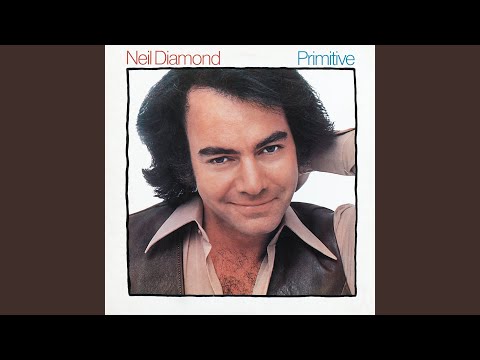 ×
× Neil Diamond reportedly wrote this sad song simply because his record label asked him to, and I think that’s exactly what happened.
53. ‘New Orleans’ (peaked at No. 51 in February 1968)
I have to admit, while it’s a fun song, Neil Diamond’s cover of ‘New Love’ by Gary U.S. Bonds feels a little extra. It’s one of the few songs he didn’t actually write himself, and it’s one of only five on the whole album that aren’t his originals.
52. ‘He Ain’t Heavy … He’s My Brother’ (peaked at No. 20 in December 1970)
Here’s another of those: a slower and drearier version of the Hollies hit.
51. ‘I’m Alive’ (peaked at No. 35 in February 1983)
“Every night on the streets of Hollywood / Pretty girls come to give you something good.”
50. ‘Be Mine Tonight’ (peaked at No. 35 in July 1982)
Listen to that string section go.
49. ‘Headed for the Future’ (peaked at No. 53 in June 1986)
Diamond’s last song to appear on the Hot 100 was an energetic, synth-driven rock track reminiscent of Huey Lewis, and it was dedicated to his four children. In a 1986 interview with The Times, he explained he wanted to offer them a hopeful message and some fatherly guidance about the importance of both seeking and offering support – something he admitted he personally struggled with learning.
48. ‘The Long Way Home’ (peaked at No. 91 in August 1973)
Sufficiently Beatlesque.
47. ‘The Good Lord Loves You’ (peaked at No. 67 in April 1980)
Dedicated to “the junkies and juicers” in “your prisons and jails.”
46. ‘Skybird’ (peaked at No. 75 in March 1974)
More talk of gulls.

Music
Before the second part of HBO’s ‘And So It Goes’ airs Friday night, here’s a list of Billy Joel’s most popular songs, ranked from biggest to smallest.
45. ‘Done Too Soon’ (peaked at No. 65 in June 1971)
“Done Too Soon,” a fast-paced listing of famous people that foreshadowed Billy Joel’s “We Didn’t Start the Fire,” originally appeared on Diamond’s album “Tap Root Manuscript” and later charted as the flip side of the single “I Am… I Said.”
44. ‘Front Page Story’ (peaked at No. 65 in May 1983)
It really hit me hard when Diamond pointed out that the worst feeling isn’t even the heartbreak itself, but the crushing realization that nobody really noticed, or cares, that you’re hurting. It’s a lonely feeling, to be honest, and it’s something I think a lot of us can relate to.
43. ‘Sunday Sun’ (peaked at No. 68 in November 1968)
A strummy little number about “feeling good and yet sad at the same time.”
42. ‘On the Way to the Sky’ (peaked at No. 27 in March 1982)
I’ve always loved this song. It’s a beautiful, slow waltz that Neil Diamond co-wrote with Carole Bayer Sager. Interestingly, she actually released her version first! While mine feels really melancholic and wistful, hers is much darker and almost unsettling. It’s fascinating how the same song can feel so different depending on who sings it.
41. ‘Do It’ (peaked at No. 36 in December 1970)
Words of encouragement from Uncle Neil.
40. ‘Say Maybe’ (peaked at No. 55 in June 1979)
A show tune in search of a show.
39. ‘If You Know What I Mean’ (peaked at No. 11 in August 1976)
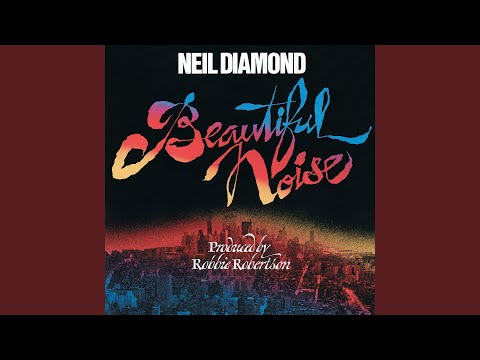 ×
× Honestly, when Neil Diamond’s “Beautiful Noise” came out in 1976, the critics weren’t kind. One guy, Robert Christgau, even called it a “monstrous record!” Rolling Stone thought it was a messy attempt to get Neil back in with rock fans. It’s funny, because the big hit from the album, that really emotional ballad about lost love, actually did move a lot of people. Neil himself admitted in an interview years later that it had a powerful moment on the album, though he wasn’t sure it was one of his all-time favorites. He said it wouldn’t make his top 10, but it was definitely in the next tier of songs he was proud of. It’s also cool to know that because of this album and his work with Robbie Robertson, he ended up performing at The Band’s famous Last Waltz concert that Thanksgiving – a truly legendary night!
38. ‘The Last Thing on My Mind’ (peaked at No. 56 in September 1973)
Suppler than Tom Paxton’s original; not as frisky as Porter Wagoner and Dolly Parton’s cover.
37. ‘Until It’s Time for You to Go’ (peaked at No. 53 in March 1970)
Moonier than Buffy Saint-Marie’s original; somehow almost as French as Claudine Longet’s cover.
36. ‘Walk on Water’ (peaked at No. 17 in December 1972)
Neil and Julio down by the schoolyard.
35. ‘I Got the Feelin’ (Oh No, No)’ (peaked at No. 16 in December 1966)
“I love you so much I could taste it / But, girl, your eyes tell me it’s wasted.”
34. ‘I’m a Believer’ (peaked at No. 51 in July 1971)
Neil Diamond’s initial recording of the Monkees’ hit closely resembles their original. However, his 1979 reggae version is significantly more interesting, though it wasn’t released as a single.
33. ‘Two-Bit Manchild’ (peaked at No. 66 in August 1968)
A himbo grows in Brooklyn.
32. ‘Don’t Think … Feel’ (peaked at No. 43 in October 1976)
This track, like others on “Beautiful Noise,” was edited by Robertson and features Dr. John on organ and Jerome Richardson playing the flute.

Music
At 85, the former Beatle has just released his second country album in less than a year and a half.
31. ‘Cherry Cherry’ [from ‘Hot August Night’] (peaked at No. 31 in May 1973)
Neil Diamond’s song was so popular it actually appeared on the charts twice: once as the original studio recording, and again as a faster, live version from his “Hot August Night” concert. Diamond described the performances at the Greek Theatre, which were recorded for the album with the famous cover art, as a completely unrestrained and all-out effort.
30. ‘Longfellow Serenade’ (peaked at No. 5 in November 1974)
Pure horndog poetry.
29. ‘Thank the Lord for the Night Time’ (peaked at No. 13 in August 1967)
As close as Diamond ever got to the Stooges.
28. ‘Red Red Wine’ (peaked at No. 62 in April 1968)
A credibly sloshed vocal performance — and the source of a No. 1 hit two decades later for UB40.
27. ‘Solitary Man’ (peaked at No. 21 in September 1970)
Diamond explained that when he wrote his first hit song, he wasn’t intentionally writing about his own life. He simply thought it would be a good idea to write about a lonely person. It wasn’t until much later, during therapy, that he realized the song was actually about himself.
26. ‘You Got to Me’ (peaked at No. 18 in March 1967)
Neil Diamond’s 115th dream.
25. ‘Soolaimón’ (peaked at No. 30 in May 1970)
Years ahead of artists like Peter Gabriel and Paul Simon, the song “Soolaimón,” part of the “Tap Root Manuscript”’s Side 2 collection known as the African Trilogy, explored a global sound incorporating diverse influences.
24. ‘Stones’ (peaked at No. 14 in December 1971)
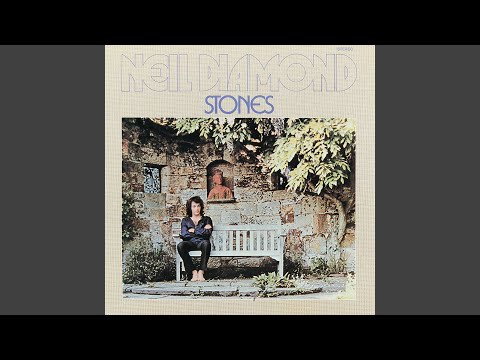 ×
× It’s ironic that Neil Diamond, known for his energetic stage presence, actually writes songs with surprisingly simple and down-to-earth themes and pictures.
23. ‘Brother Love’s Travelling Salvation Show’ (peaked at No. 22 in April 1969)
Pack up the babies and grab the old ladies.
22. ‘I’ve Been This Way Before’ (peaked at No. 34 in March 1975)
Neil Diamond explained to The Times that while many fans love the song, he’s always been a little disappointed in it. He originally wrote it for the film ‘Jonathan Livingston Seagull’ but wasn’t able to complete it in time to include it on the album – he had envisioned it as the final song. Fifty years later, Kate Hudson singing the song finally realized that original intention, as she performed it as the finale to ‘Song Sung Blue’.
21. ‘Desirée’ (peaked at No. 16 in February 1978)
Neil Diamond’s initial success, crafted with the help of Bob Gaudio from The Four Seasons, captures the excitement of a brief romance with an older woman, and the loneliness that follows when she’s gone.
20. ‘Hello Again’ (peaked at No. 6 in March 1981)
He just called to say he loves you.
19. ‘Shilo’ (peaked at No. 24 in April 1970)
Neil Diamond described “Shilo” as one of his earliest attempts to write a song based on his own life, specifically about an imaginary friend from childhood. He initially wanted to release it as a single, but the head of Bang Records, Bert Berns, wasn’t convinced. However, once Diamond found success with another record label, Berns suddenly became interested in releasing “Shilo,” recognizing its potential as a hit.
18. ‘Yesterday’s Songs’ (peaked at No. 11 in January 1982)
Following this smooth, though somewhat melancholic, song—which Neil Diamond wrote when he worried his earlier work would be forgotten—only one of his other singles nearly reached the top of the charts. However, “Yesterday’s Songs” stayed at number one on Billboard’s adult contemporary chart for six weeks, and Diamond continued to have hits in that genre through the early 1990s.
Music
We look back at Paul McCartney’s 50-year career after the Beatles, covering everything from his early independent work to his collaborations with Linda, his time with Wings, and his later partnerships with artists like Stevie Wonder, Michael Jackson, Rihanna, and Kanye West.
17. ‘Crunchy Granola Suite’ (peaked at No. 36 in January 1972)
After moving to Los Angeles, Neil Diamond was fascinated by the growing health food culture, which inspired him to write “Crunchy Granola Suite.” The song was originally released as the flip side to his single “Stones,” but he soon began performing it as the opening number in his concerts. Diamond later shared in the notes for his box set, “In My Lifetime,” that he genuinely hoped the song would encourage people to eat healthier!
16. ‘Brooklyn Roads’ (peaked at No. 58 in June 1968)
In 1992, Diamond explained he aimed to portray the experience of being raised in Brooklyn, resulting in a realistic and evocative depiction of everyday life – from the aromas of home cooking and disappointing school reports, to the comforting feeling of his father’s beard against his cheek.
15. ‘You Don’t Bring Me Flowers’ (peaked at No. 1 in December 1978)
Diamond and Barbra Streisand, who both went to Erasmus High in Brooklyn, teamed up for a hit duet after initially recording the song separately. Diamond wrote the lyrics with Alan and Marilyn Bergman, and the song poignantly describes a fading relationship with straightforward yet expressive language. Legend has it the collaboration came about because a radio DJ created a demo combining their solo recordings. “Flowers” sold over a million copies, but Paul Simon jokingly suggested its popularity with easy-listening audiences held up Diamond’s Rock Hall induction. Simon quipped in 2011, when Diamond was finally inducted (20 years after becoming eligible), that the Rock & Roll Hall of Fame simply didn’t accept music associated with Barbra Streisand.
14. ‘Cherry, Cherry’ (peaked at No. 6 in October 1966)
Neil Diamond achieved remarkable success with just a simple three-chord structure in his first major hit. Like all his early songs, “Cherry, Cherry” was sharply produced by Jeff Barry and Ellie Greenwich, and its catchy melody impressed music publisher Don Kirshner. Kirshner asked Diamond if he had any other songs suitable for the Monkees, and just two months later, the band topped the charts with Diamond’s “I’m a Believer.”
13. ‘Kentucky Woman’ (peaked at No. 22 in November 1967)
This upbeat, country-influenced pop song was reportedly written while driving in a limousine just outside Paducah, Kentucky, according to notes from the album “In My Lifetime.” Demonstrating Diamond’s rising popularity, “Kentucky Woman” was quickly covered by both Waylon Jennings and Deep Purple within a year of its release.
12. ‘Love on the Rocks’ (peaked at No. 2 in January 1981)
 ×
× “Pour me a drink and I’ll tell you some lies.”
11. ‘Heartlight’ (peaked at No. 5 in November 1982)
Neil Diamond’s final Top 10 hit supposedly required a $25,000 settlement with the studio behind the film “E.T.” They claimed his song borrowed elements from the story of the glowing-hearted alien and his young friend – a connection highlighted by a lyric about a “ride across the moon.” Despite the cost, many felt the song’s unique beauty justified the expense, demonstrating Diamond’s ability to find emotional depth in any subject matter.
10. ‘September Morn’ (peaked at No. 17 in March 1980)
This song is both delicate and powerful, showcasing the singer at their very best. Years after its initial success, the artist famously performed it for Princess Diana at a White House dinner during the 1980s.
9. ‘America’ (peaked at No. 8 in June 1981)
Neil Diamond explained in 2006 that the song is about the immigrant experience. He wrote it thinking of his grandparents and other immigrants who arrived in the late 1800s – particularly those of Irish, Jewish, and Italian descent – but also believes it resonates with today’s Latino immigrants.
8. ‘Girl, You’ll Be a Woman Soon’ (peaked at No. 10 in May 1967)
The song ‘Girl, You’ll Be a Woman Soon’ gained popularity with Gen X thanks to a memorable dance scene featuring Uma Thurman in the 1994 film ‘Pulp Fiction,’ followed by a dark turn of events. Neil Diamond, the song’s original artist, revealed he declined Quentin Tarantino’s request to use it in the movie because of its themes of drug use. Despite this, Tarantino later used another of Diamond’s songs, ‘Brother Love’s Travelling Salvation Show,’ in the trailer for his 2019 film, ‘Once Upon a Time… in Hollywood,’ suggesting there were no lasting disagreements.
7. ‘Sweet Caroline’ (peaked at No. 4 in August 1969)
Diamond’s biggest hit on Spotify is so incredibly popular and well-known that even if you’re not actively listening, it’s still part of the cultural conversation.
6. ‘Forever in Blue Jeans’ (peaked at No. 20 in March 1979)
Remember the scene in “Song Sung Blue” where Eddie Vedder from Pearl Jam unexpectedly joined in to sing “Forever in Blue Jeans”? That actually happened, and you can see it in the 2008 documentary that inspired the film. Vedder playfully called Neil Diamond’s song “the original grunge song.”

Music
The new box set, ‘We Gotta Groove,’ revisits the Beach Boys’ recordings made at Brother Studio in 1976 and 1977.
5. ‘Play Me’ (peaked at No. 11 in October 1972)
Neil Diamond shared with Rolling Stone that people occasionally ask him to tweak a line or two in his songs, like his use of ‘brang’ instead of ‘brought.’ He finds it remarkable how a single line can resonate with listeners, even if it doesn’t contribute to the song’s overall meaning, and still evoke emotion.
4. ‘Song Sung Blue’ (peaked at No. 1 in July 1972)
Neil Diamond’s “Song Sung Blue,” nominated for both Song and Record of the Year at the Grammys (but losing to Roberta Flack’s “The First Time Ever I Saw Your Face”), perfectly captures his laid-back style in just over three minutes. The song’s lyrics— “Me and you are subject to the blues now and then / But when you take the blues and make a song / You sing them out again”—suggest finding solace through music. Diamond himself told The Times he felt he conveyed more meaning with fewer words in this song than in any other he’d written.
3. ‘Holly Holy’ (peaked at No. 6 in December 1969)
From a sensual whisper to a sanctified roar.
2. ‘Cracklin’ Rosie’ (peaked at No. 1 in October 1970)
Just as Van Gogh was known for his sunflower paintings and Proust for the madeleine cookie that sparked his memories, Neil Diamond found inspiration in a simple bottle of inexpensive Canadian whiskey.
1. ‘I Am … I Said’ (peaked at No. 4 in May 1971)
Neil Diamond has given different accounts of writing his song “I Am… I Said.” Sometimes he claims it took four months of intense work, while other times he says it came to him quickly, almost spontaneously, like during a lunch break. The power of the song, written after he didn’t get a movie role playing Lenny Bruce, is that both stories seem believable. It’s a carefully crafted expression of sadness that explores different phrases and emotions, searching for a meaning that the singer knows is temporary—it will only feel real as long as he maintains his belief in it. Diamond sings, “I am lost, and I can’t even say why,” but in reality, he can explain it. He already has.
Read More
- Top 5 Best New Mobile Games to play in May 2026
- FC Mobile 26 TOTS (Team of the Season) event Guide and Tips
- The SATISFY x adidas Adizero Adios Pro 4 Debuts in Three Earthy Colorways
- These Cartoon Reboots Totally Missed the Point of the Originals (& Went Downhill Fast)
- Supercell’s “neo mo.co” update set for the Summer of 2026 and this might save the game
- Honor of Kings x Attack on Titan Collab Skins: All Skins, Price, and Availability
- Zenless Zone Zero version 2.8 ‘New: Eridan Sunset’ update will release on May 6, 2026
- Yummy Tteokbokki ASMR redeem codes and how to use them (May 2026)
- eFootball 2026 Starter Set Show Time Gabriel Martinelli pack: Review, Best Progression Builds, and Skills
- Honkai: Star Rail Silver Wolf Lv. 999 Build Guide: Best Relics, Light Cone, Team Comps, and more
2026-05-06 13:32