Ken Ogino, the author of the manga Lady Justice, isn’t widely known, and his superhero comic didn’t gain much traction, largely because it was cancelled early on. Now, over eleven years later, Ogino is finally sharing the story of what happened behind the scenes with this earlier work.
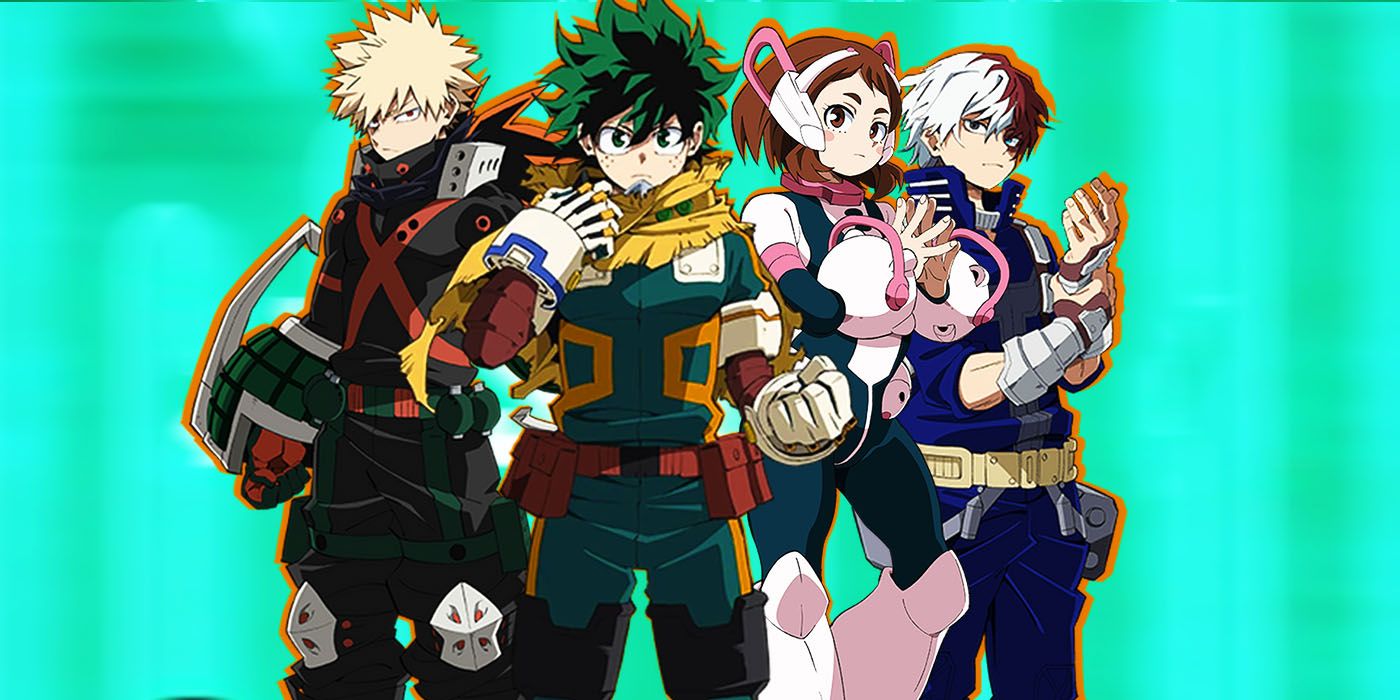
I was so excited when My Hero Academia started getting serialized back in 2015! Around the same time, another manga called Lady Justice popped up in Weekly Shonen Jump. It was really interesting because it also featured a female superhero lead, and some people thought it was a direct challenge to My Hero Academia. Sadly, Lady Justice didn’t last very long – it was cancelled after only 15 chapters. It’s a shame, but that’s just how things go sometimes!
A user on X, reflecting on the manga after 11 years, suggested the author may have only been interested in drawing explicit content, which turned readers off and caused the series to fail. The post became popular enough that the author responded, stating he wasn’t the one who decided to make the manga so heavily focused on erotic themes.
My Hero Academia’s Precursor Wasn’t Supposed to be Fanservice Heavy
Ogino explained on X (formerly Twitter) that the sensual elements in Lady Justice were meant to enhance the story, not be its main point. They originally envisioned the manga as a superhero tale focused on a strong, independent female protagonist.
Ogino explained that he started this project with the idea of creating a comic that looked like it was made in Japan but felt like an American one. He chose to make the main characters female, playing on the Japanese concept of ‘moe’ – a feeling of affection. While some might assume he focused on suggestive content, Ogino clarified that his primary goal was to create strong, determined female heroes, with any erotic elements being secondary and subtle.
I was really disappointed when I learned how Ogino’s manga was shaped. The editors wanted the story to focus on something different than what Ogino originally intended, and he had to change it, even though he wasn’t thrilled about it. Honestly, I think that’s why it didn’t really take off. Readers, and critics at the time, found the plot a bit thin and uninspired. A lot of people also said the fight scenes were pretty generic and felt like they’d seen it all before – just the usual shonen tropes. It’s a shame, because I think the original vision could have been something special.
Ogino expressed sincere admiration for how successful Weekly Shonen Jump is today, noting it can thrive without needing to depend on fanservice.
Lady Justice’s One Shot was Published Before My Hero Academia
Ogino explained that he never intended to compete with My Hero Academia. His first short story actually came out before My Hero Academia even started. When My Hero Academia unexpectedly launched while he was working on his own series, he and his editor were just worried about the unfortunate timing.
Lady Justice centers around Kenzaki Ameri, a high school student with incredible strength who fights crime as the hero Lustitia. The story begins when Enta Marufuji, a boy who has a strong crush on Ameri, is kidnapped. This event leads to the appearance of the enigmatic, masked heroine, who steps in to rescue him and deliver justice.
Throughout the story, Ameri is often humiliated because her costume rips during fights, revealing her body. This was a key element of the manga’s appeal to fans.
Although Ogino faced a significant challenge early in his career, he’s since become a successful illustrator, working on adaptations of popular web novels. His most recent project is the manga version of The Ossan Newbie Adventurer.
2026-05-22 01:12