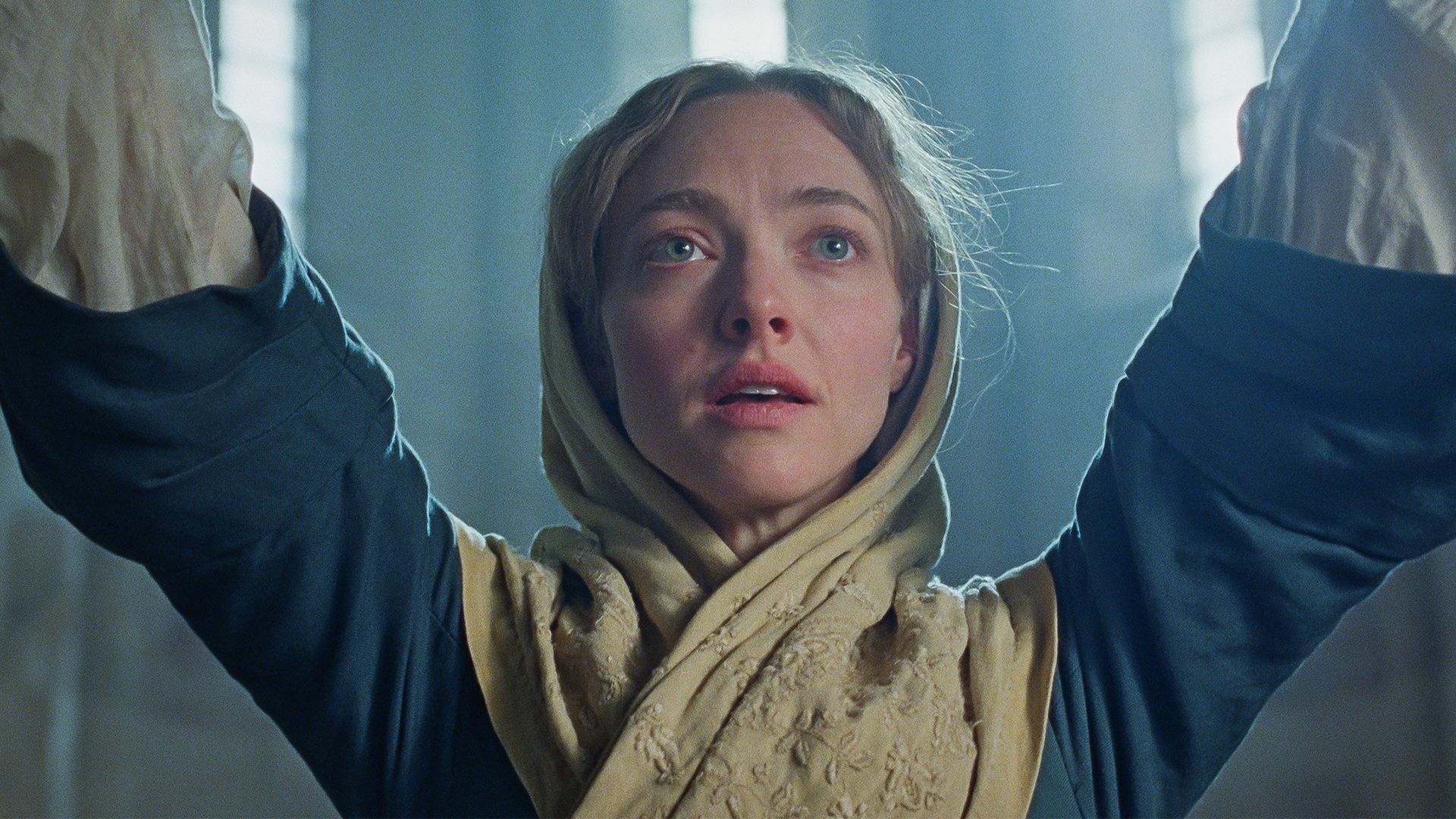
Mona Fastvold, the director of The World to Come and co-writer of the acclaimed The Brutalist, is known for creating compelling historical dramas. So, it felt natural for her to return to this genre with The Testament of Ann Lee. While she clearly understands how to make period pieces, the story of Ann Lee, the 18th-century leader of the Shaker movement, presented a unique challenge. However, speaking with Fastvold reveals that Ann Lee, much like her previous films, aims to do more than just tell a story set in the past; it explores how surprisingly little has changed in the world over the last few centuries.
I first stumbled upon the story of Ann Lee – you know, the one Amanda Seyfried played in the film – while I was doing research for The World to Come. But honestly, talking to MovieWeb, I realized why I just had to turn this incredible story into a movie. It really stuck with me, and I felt compelled to share it with everyone.
I quickly understood this wasn’t just a compelling story about a remarkable, overlooked woman, but also about the power of movement itself. The physicality and music within the story felt incredibly visual and energetic. It seemed like a significant creative challenge – a chance to explore the worlds of dance and movement, and to collaborate with my longtime friends, Celia Rowlson-Hall and Daniel Blumberg, utilizing my own background in those areas. I began writing with them specifically in mind, and that’s when I knew I wanted to turn this into a film.
The film takes an unusual approach, incorporating several song-and-dance numbers inspired by the ecstatic, physical worship style of the Shakers – the religious group known as the “Shaking Quakers.” Director Sarah Fastvold admitted this presented a major challenge, as she’d never made a musical before. She aimed to pay tribute to classic musicals she admired – like those from old Hollywood or The Umbrellas of Cherbourg, and even more recent works like Dancer in the Dark – but knew this story demanded a completely new approach. There were no existing films she could use as a template; the unique nature of Ann Lee’s life required a distinctive blend of music and movement to be told effectively.
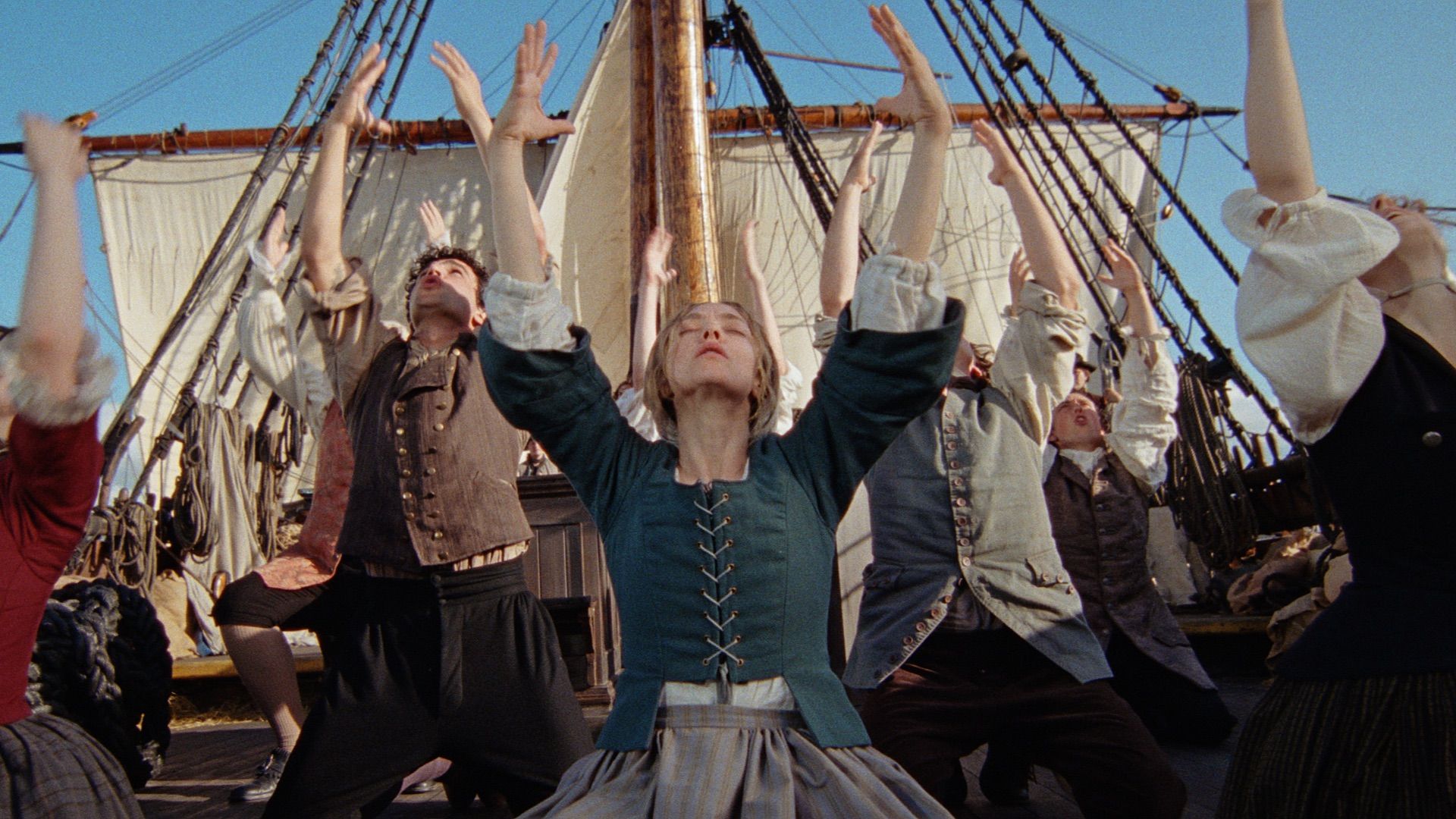
The music wasn’t just added later; it was a core part of the story from the very beginning, woven into the script as director Fastvold wrote it. Even with the music so integral to the film, Fastvold and her team still managed to find creative opportunities during the filmmaking process.
After really getting to know the characters of Daniel and Celia, I started fleshing out the script with all the physical action and where the music would go. We hadn’t nailed down which hymns yet, though. In that first draft, I just used temporary hymns and even some Shaker poetry as stand-ins. Then Daniel Blumberg and I really dove in – the Shakers wrote over a thousand hymns! We spent a long time exploring their music, finding the pieces that felt right for the film, and then went through a lengthy process of adapting them to fit the overall sound we were creating.
Many people haven’t heard of the Shakers, a religious group with a unique history. A central part of their beliefs involved remaining celibate, even within marriage. This practice led some members to leave, and ultimately meant the group couldn’t grow through births.
Fastvold’s film about the Shakers focused on their traditions of music, dance, and celibacy. She was also committed to historical accuracy, and even updated the end credits to reflect changes in the Shaker population. When the film first premiered, the credits stated only two Shakers were still alive, but that number increased to three before the film was widely released, prompting Fastvold to revise the credits.
Despite aiming for accuracy, Fastvold understood she needed to take some creative liberties with Ann Lee’s story to make the film engaging.
My priority is to do justice to her life story, but ultimately, I’m approaching it as an artist, not a historian or teacher. I’m focused on telling it in a way that feels most powerful to me. I hope that will inspire people to learn more about Ann Lee themselves and verify the details as they see fit – they’ll likely notice where I’ve taken creative license. I did a lot of research into her life, the time period, and the settings – particularly Manchester – to make the portrayal as informed as possible.
After that point, I relied on my instincts when writing. I’ve mentioned this before, but it’s worth repeating: when you’re writing about the past, you’re essentially having a conversation with it, and that’s how you connect it to the present. For me, the writing process has to be intuitive – especially after doing the necessary research. Ultimately, it’s up to the writer to fill in the gaps, because there were definitely parts of the story that needed development for the film.
Sharing Ann Lee’s story is both emotionally draining and deeply moving. Each viewer will likely interpret it in their own way – finding inspiration, or perhaps a warning about the price of conviction. Just as director Fastvold used the film to explore the past, she’s pleased it’s also sparked discussions about what the future might hold.
Subscribe for the newsletter: film, history & craft
Curious to go beyond the screen? Subscribe to the newsletter for deeper coverage of filmmaking craft, director interviews, music and movement in cinema, and historical context that illuminates stories like Ann Lee’s.
It’s been incredibly rewarding to discuss a different approach to leadership – what it truly means to lead, especially for women and mothers. We’ve explored leadership rooted in care and support, rather than fear and control, which is so prevalent globally. I’ve particularly enjoyed highlighting Ann Lee’s legacy – her leadership was remarkably selfless, focused solely on building a community where everyone could thrive equally through worship, work, and joyful expression. That vision was revolutionary in her time, and remains so today.
The Testament of Ann Lee is available on Digital now.
2026-03-10 23:49