As a huge film score fan, the Academy Award for Best Original Score is the ultimate recognition for composers. It’s amazing to think the award has been around since 1935! Over the years, the category has changed a lot – at times they even had separate Oscars for musicals or different types of movies. It’s been quite a journey for this prestigious award!
The Academy Award for Best Original Score hasn’t been divided into separate categories since 1999, and it’s unlikely to happen again. Film scores have become a respected art form, and many composers are now widely recognized. A truly great score can significantly enhance a movie, and those films often produce the most memorable Oscar wins.
As a movie music fan, I’ve always thought it’s important to remember there’s a difference between scores written specifically for musicals and those for regular films. The Oscars used to recognize that too, with a separate award for musicals. But since we don’t see as many musicals these days, everything’s kind of combined now. Still, when a film does win Best Original Score, it really stands out – those scores are just classics that hold up over time.
The Lord Of The Rings: The Fellowship Of The Ring (2001) – Howard Shore
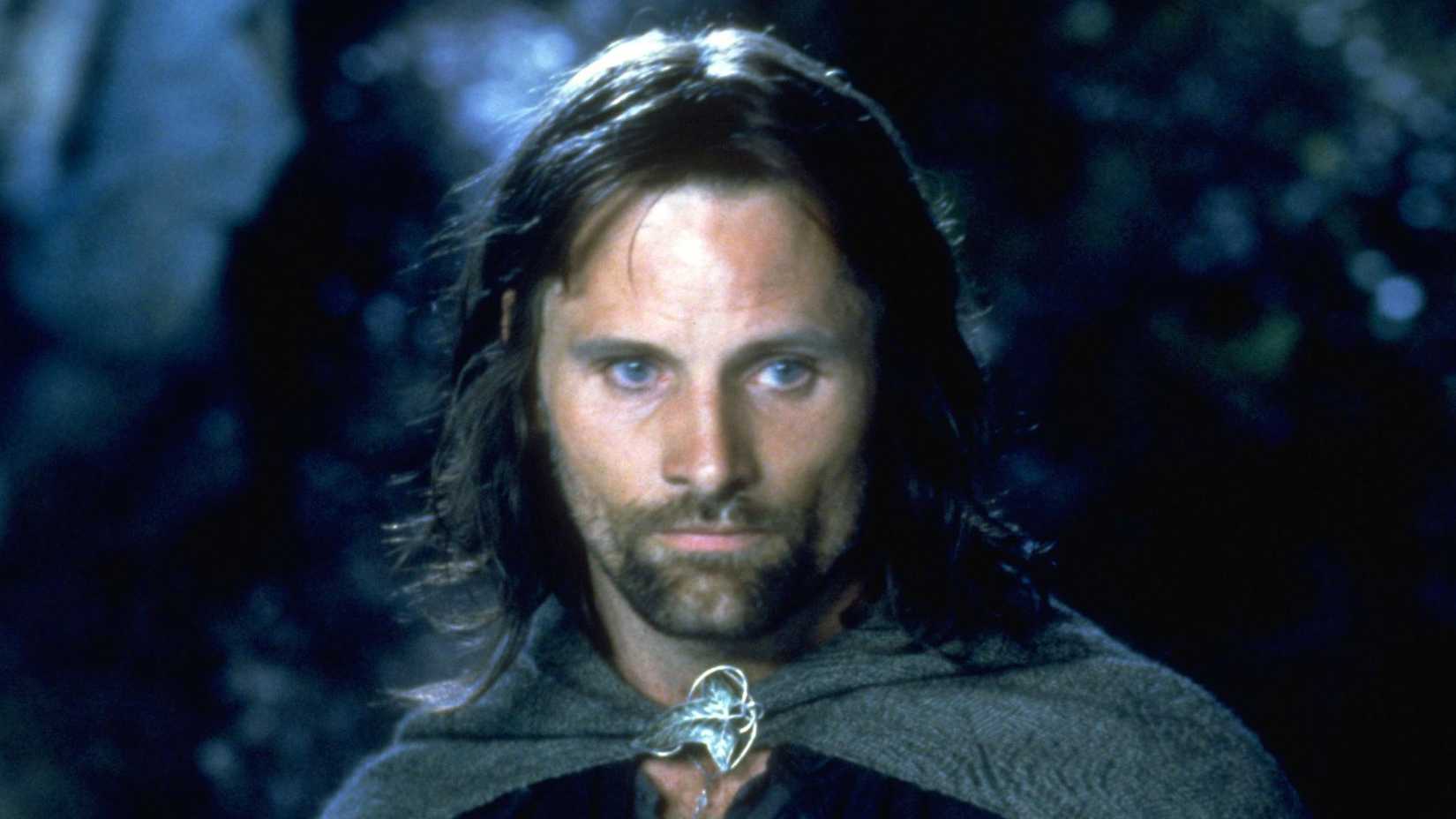 Credit: New Line Cinema via MovieStillsDB
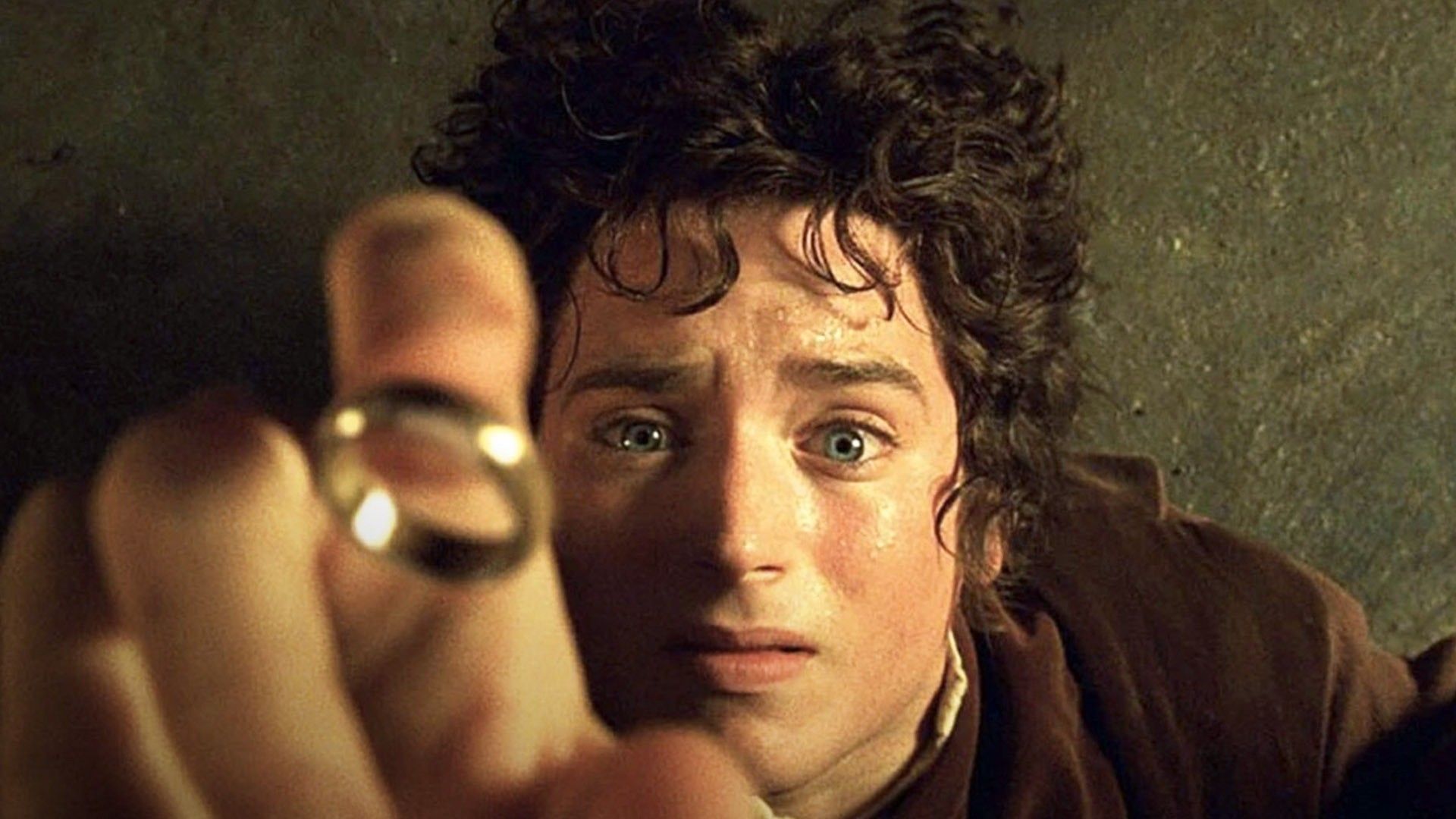
Howard Shore had an incredibly challenging job when he was asked to compose the music for The Lord of the Rings. But the talented composer didn’t just meet the challenge – he won an Academy Award for his efforts. His score for The Fellowship of the Ring is sweeping yet detailed, using imaginative musical themes to bring every part of Middle-earth to life.
Howard Shore won his first Oscar despite facing strong competition. While he triumphed over renowned composers like John Williams and Randy Newman, many felt he was the most deserving winner. The music he created for The Fellowship of the Rings wasn’t just for a single film; it became the sonic foundation for the entire Lord of the Rings franchise, which continues to expand even now.
Titanic (1997) – James Horner
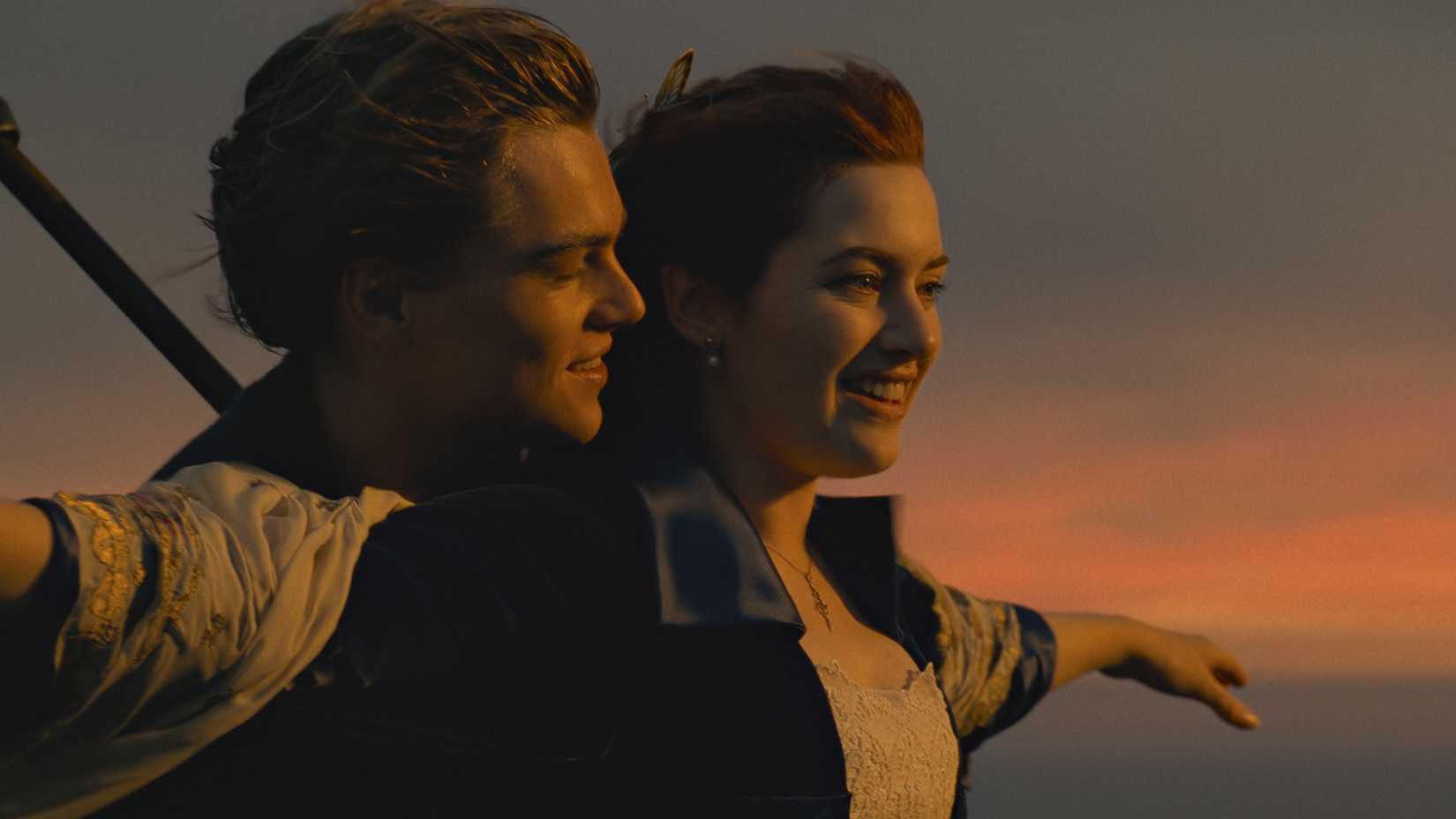
James Horner, a hugely talented composer, started his career working on various types of movies, so he might have seemed like an unexpected choice for James Cameron’s Titanic. The film was full of powerful and complex emotions, and Horner captured that perfectly in his music. The Titanic score is both thrilling and tender, perfectly reflecting the movie’s overall feeling.
James Horner won an award for the original dramatic score of Titanic – a separate award existed for musicals and comedies – and triumphed over many other acclaimed composers. While the song “My Heart Will Go On” is more famous, Horner’s instrumental score is actually crucial to the film’s emotional impact. Interestingly, Titanic is the only film from the 1997 nominees whose score is still widely appreciated today.
The Lion King (1994) – Hans Zimmer
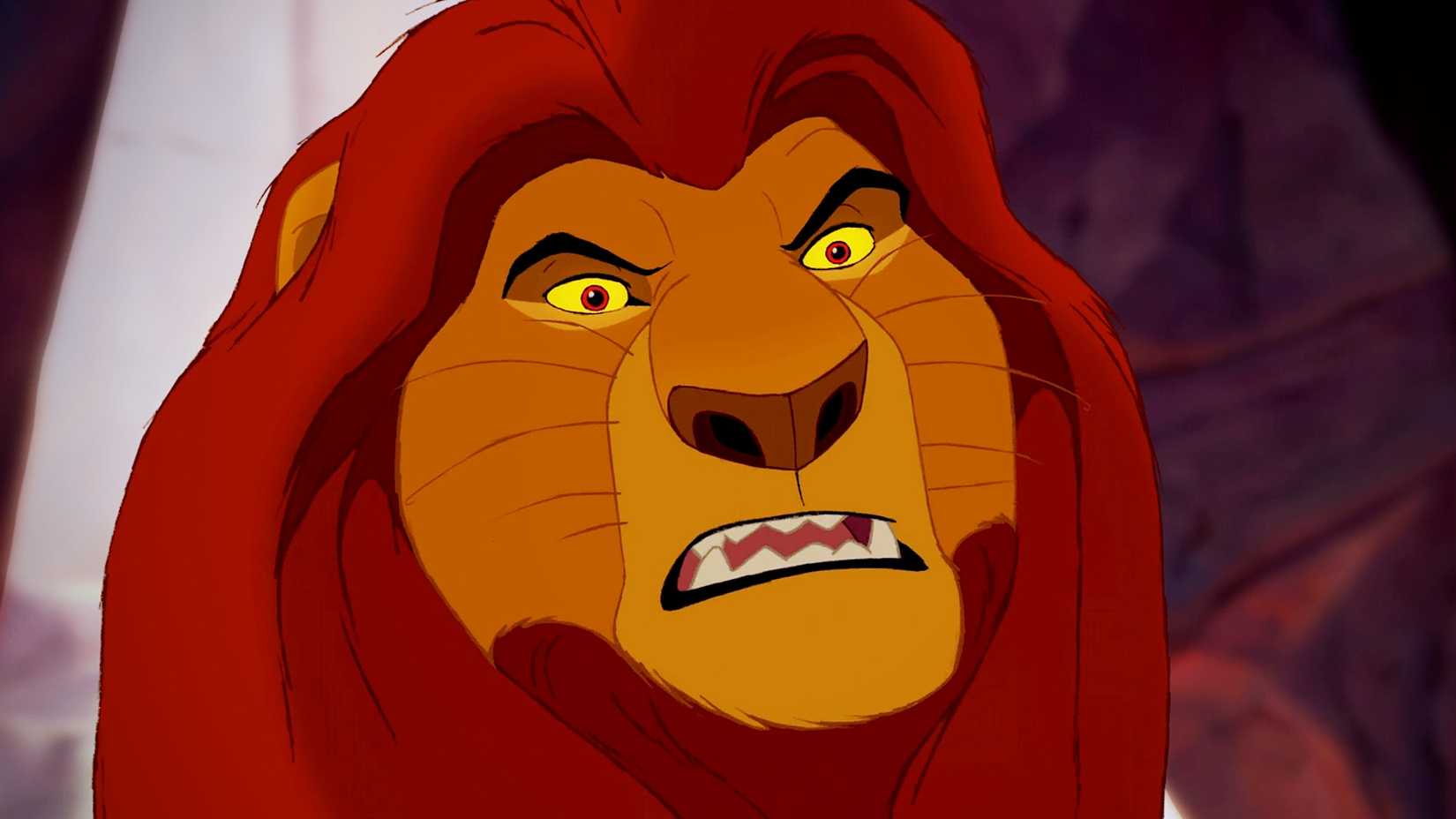
Let’s be honest, Disney pretty much owns the Best Animated Feature Oscar, and they consistently get nominated for their music too. When it comes to classics, The Lion King is right up there, and Hans Zimmer’s Oscar for the original score was absolutely deserved. What I really loved was how Zimmer’s music worked with those incredible songs by Elton John and Tim Rice – it wasn’t just background music, it felt like the very pulse of the movie.
As a huge film score fan, I always thought Hans Zimmer’s work on The Lion King really elevated the whole story – it just felt so epic, blending traditional orchestral sounds with amazing world music influences. It was up against some other great soundtracks that year, but honestly, I felt his score was in a league of its own. It’s interesting to note that the very next year, the Academy Awards actually split the score category into separate awards for dramatic and musical scores, perhaps recognizing how different these kinds of compositions can be.
E.T. The Extra-Terrestrial (1982) – John Williams
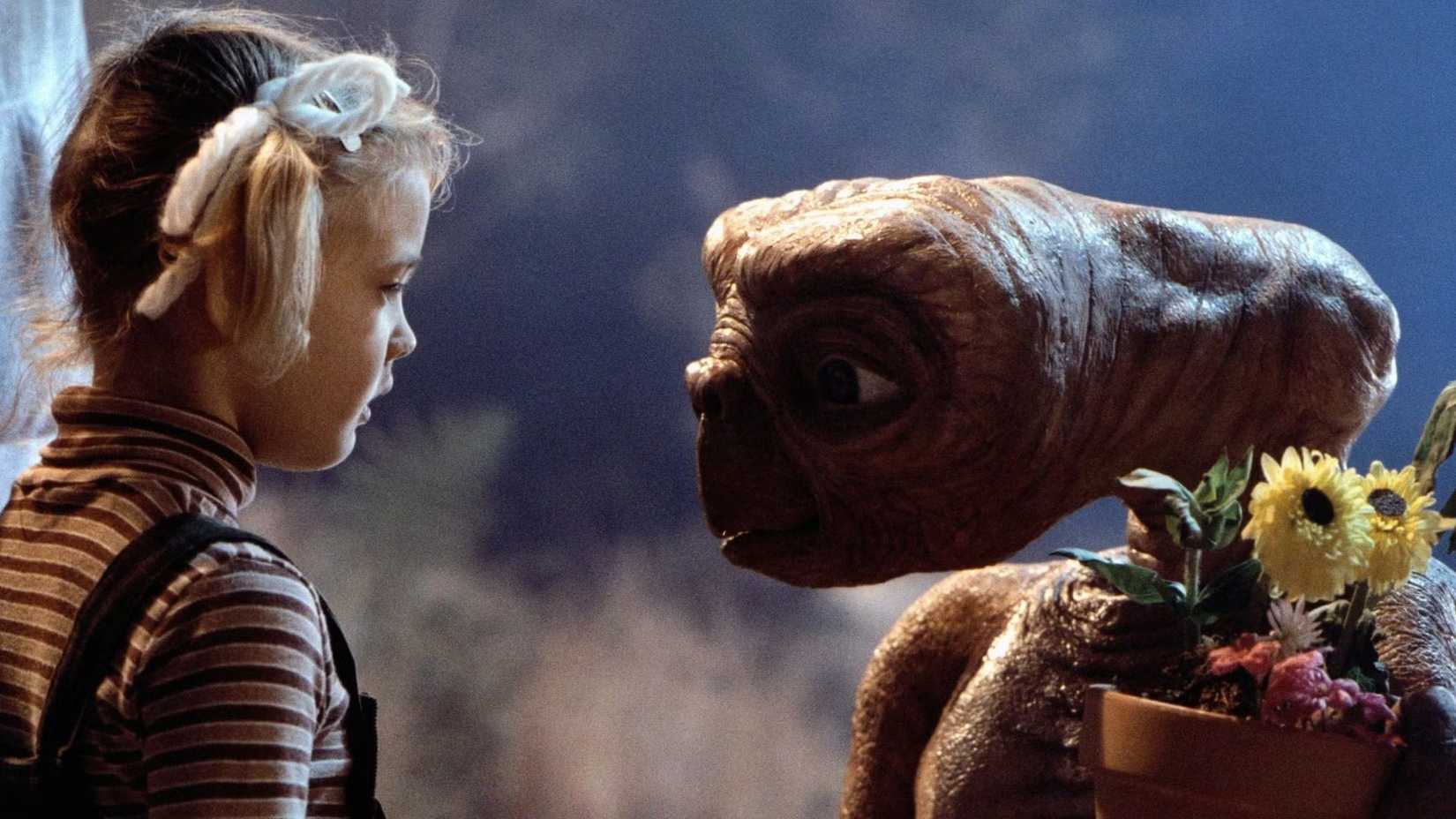
John Williams’ music for E.T. the Extra-Terrestrial is widely considered the most deserving winner of the Best Original Score Oscar in the 1980s, and remains a truly iconic soundtrack. Once again collaborating with director Steven Spielberg, Williams created music that perfectly enhances the wonder, tension, and intrigue of this cherished science fiction film.
The iconic main theme is now a permanent part of pop culture, and E.T. wouldn’t be the same without John Williams’ music. While other scores from 1982 were also very good, Williams’ composition was clearly superior. His win in 1983 continued a decade-long streak of success in this award category.
Star Wars (1977) – John Williams

John Williams created many of the most iconic movie soundtracks of the 1970s. His music was crucial to the success of the original Star Wars films, and those memorable themes are still used today. In fact, the music, starting with the powerful opening fanfare, is so central to the Star Wars experience that it truly is the heart of the franchise.
It wasn’t surprising that he easily won his third Oscar at the 1978 Academy Awards. In fact, his biggest competition that year came from his own performance, as he was nominated for both Star Wars and Close Encounters of the Third Kind. Looking back, his win for Star Wars remains well-deserved.
Jaws (1975) – John Williams
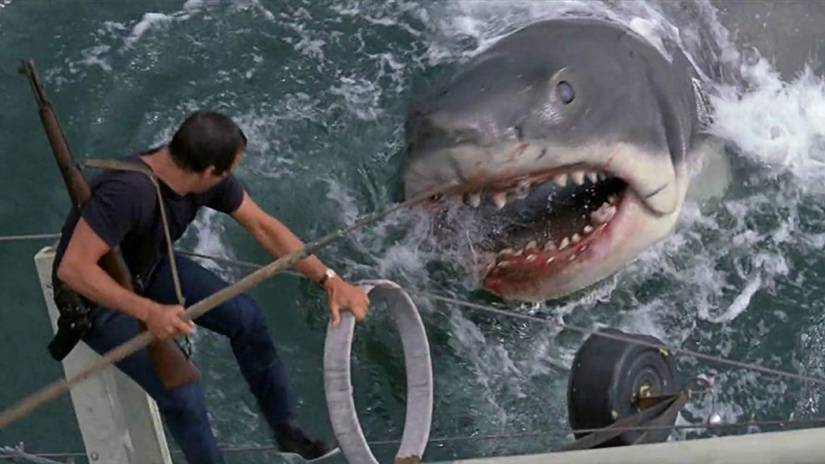
John Williams received an incredible 49 Academy Award nominations throughout his career, and for many years, he was the defining figure in the Best Original Score category. Although he’d won once before, his award for Jaws was particularly significant, marking a change for both the category and film music overall. In Jaws, Williams combined traditional scary movie music with his own rich, elaborate style, most notably with the film’s iconic and suspenseful theme.
The movie Jaws essentially created the modern summer blockbuster, and John Williams’ music defined the sound of those big hits. His score was groundbreaking because it was the first time horror movies were considered worthy of serious musical recognition, and his widely loved style shifted how people thought about film scores. Beyond being a timeless piece of music, Jaws’ Academy Award win is well-deserved and undeniable.
Butch Cassidy And The Sundance Kid (1969) – Burt Bacharach
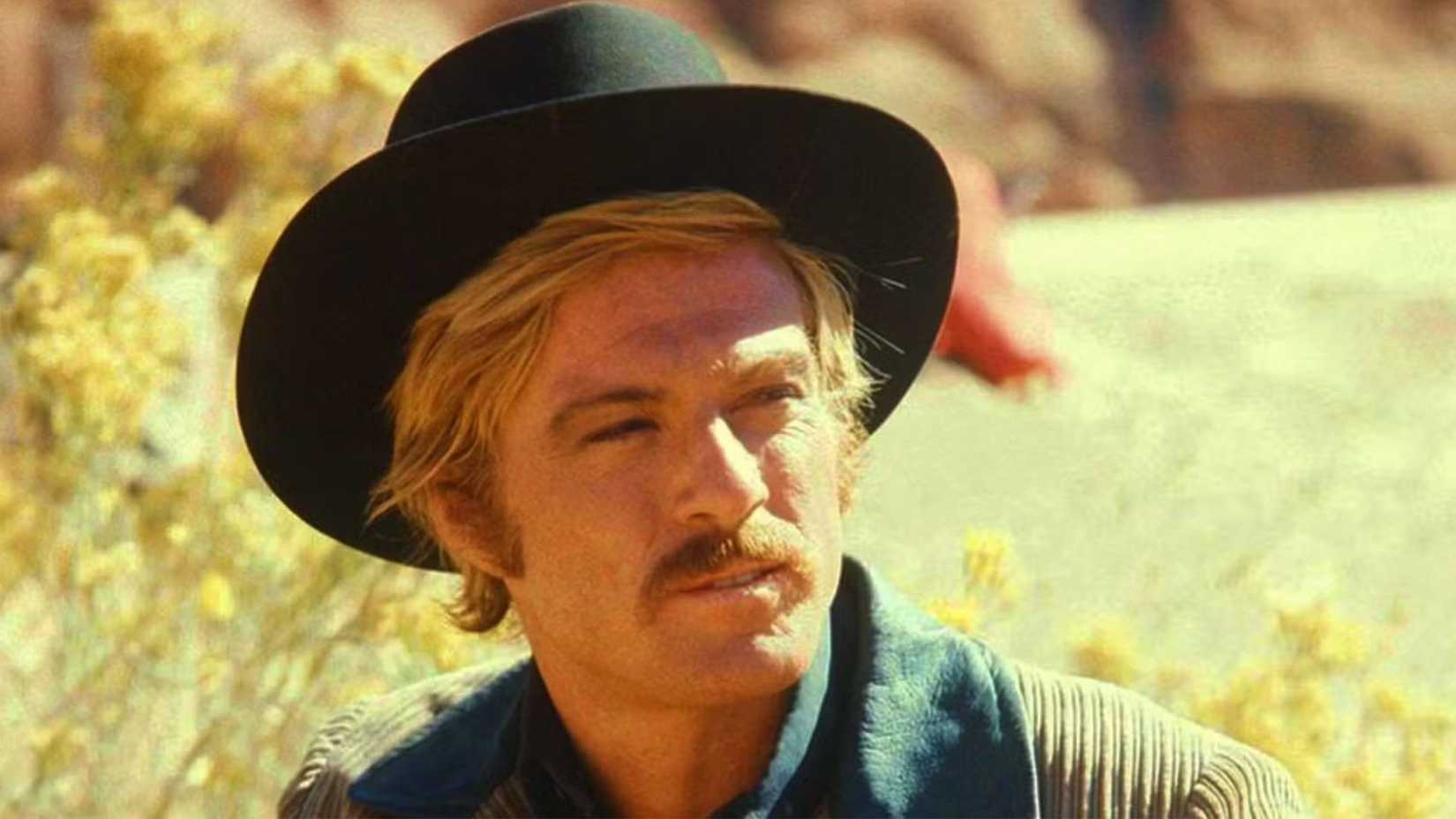
The film Butch Cassidy and the Sundance Kid broke with traditional Westerns, and its music was equally unique. Burt Bacharach’s upbeat score for the 1969 movie complements the film’s unusual and slightly out-of-time feel. While most remember the song “Raindrops Keep Falling on My Head,” the entire soundtrack is exceptional.
Rather than traditional orchestral arrangements, the music features modern instruments and a fresh, contemporary feel. The score is incredibly enjoyable because it successfully blends the qualities of a pop album with those of a film soundtrack. This win marked Burt Bacharach’s only Academy Award for Best Original Score, and it was richly deserved thanks to the music’s powerful and innovative nature.
Doctor Zhivago (1965) – Maurice Jarre
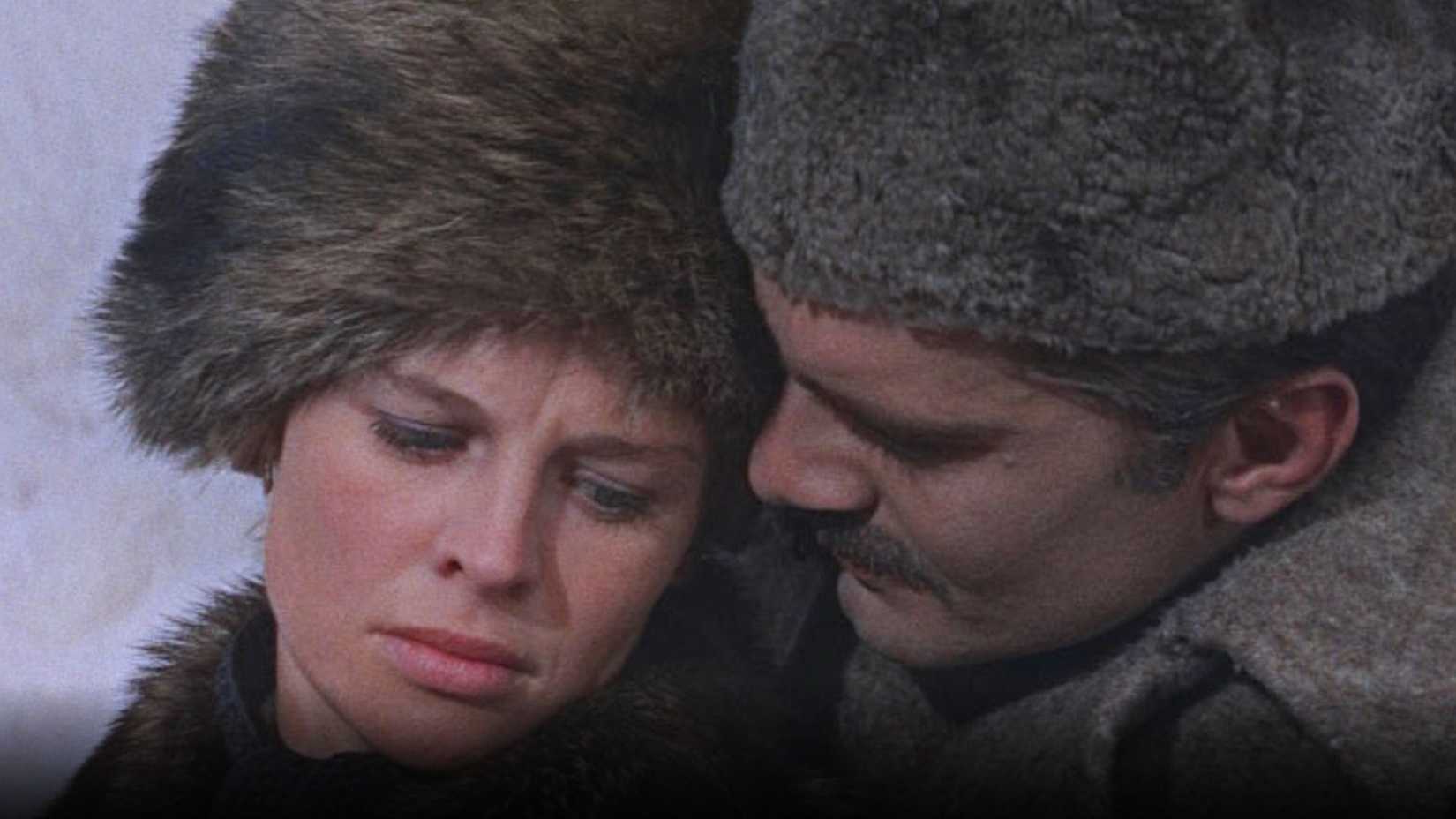
Maurice Jarre’s soundtrack for Doctor Zhivago is considered one of the best-selling albums of all time. Beyond any other awards it has received, it truly deserves its Oscar for Best Original Score. Fitting for the film’s sweeping romantic story, Jarre’s music is incredibly grand and beautifully composed.
Inspired by composers like Tchaikovsky, Jean-Michel Jarre creates a rich and expansive sound, using vocals and unique instruments. The music powerfully enhances the film’s emotional impact while also being strikingly memorable. Similar to the classical pieces that influenced it, several songs from this Academy Award-winning score have become timeless classics.
Ben-Hur (1959) – Miklós Rózsa
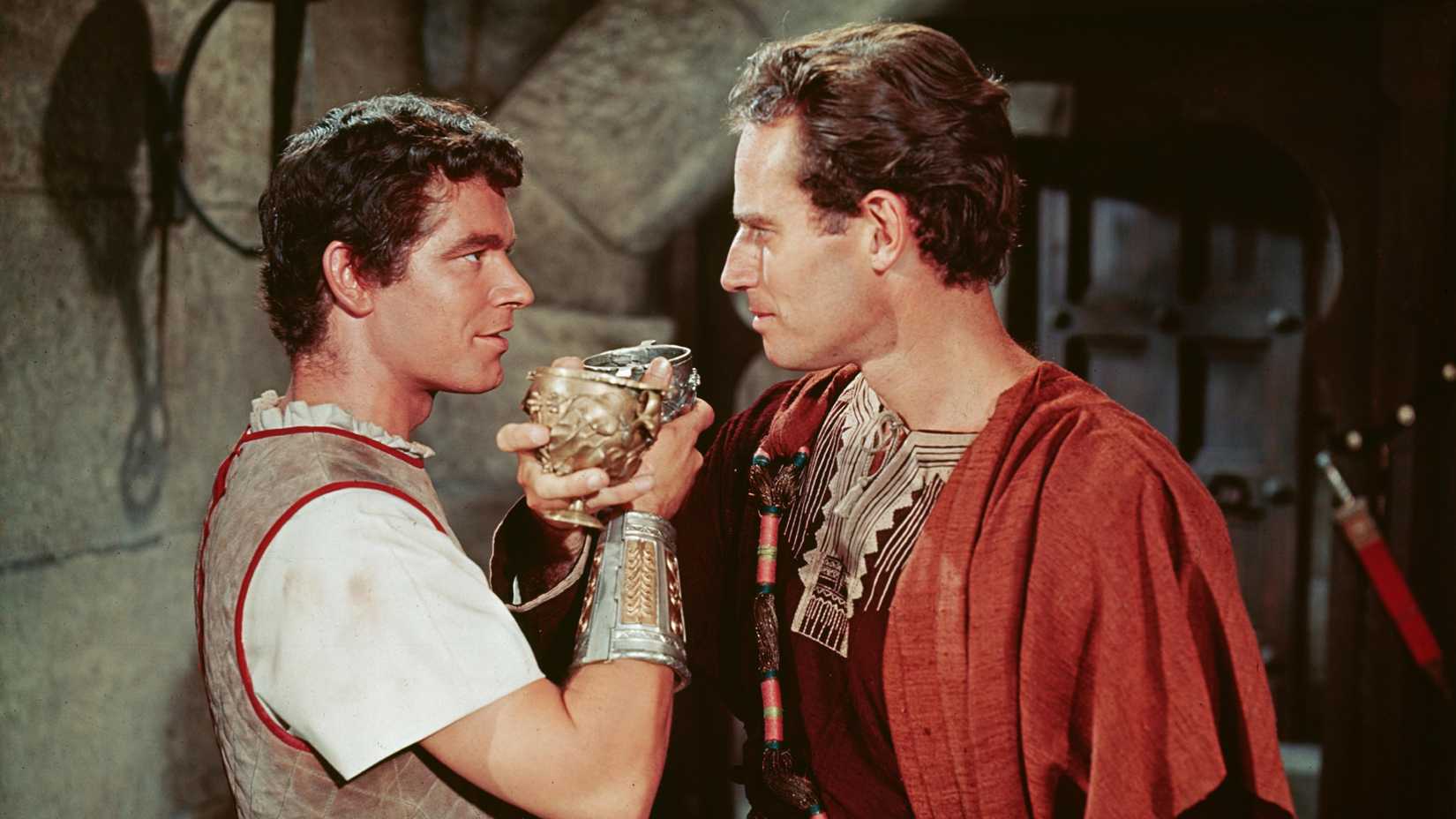 Image via Loew
Ben-Hur is the ultimate historical epic, excelling in every way a big-screen movie should. The music, composed by Miklós Rózsa, is as impressive as the film’s stunning images, and it’s a key reason why Ben-Hur became so popular. From the very beginning, the music is bold and dramatic, choosing impact over quietness.
Most movie scores from the 1950s haven’t aged well, but the music from Ben-Hur remains as powerful and grand as it was when first released. Miklós Rózsa easily won his third Academy Award for it, and this Oscar was particularly well-deserved. While other scores from that era are functional, the Ben-Hur soundtrack is exceptional, standing out as truly great music in its own right.
Sunset Boulevard (1950) – Franz Waxman

Franz Waxman was among the very first composers nominated for an award for original music, but he didn’t receive the recognition he deserved until 1950 with the film Sunset Boulevard. This classic noir film by Billy Wilder is a haunting look at old Hollywood, and Franz Waxman’s music perfectly matches its unsettling atmosphere. The score is full of suspenseful notes, yet remains enjoyable to listen to.
The flutes and other woodwinds playfully weave above the lush strings, and the music embraces every classic trope of Old Hollywood, but on a grander scale. Scores that win prestigious awards like the Academy Award need to be timeless and representative of their era. Ernest Waxman’s music wasn’t just a hit in 1950; it inspired countless composers for years to come.
2026-03-09 01:31