Movie adaptations are incredibly popular these days, and many people don’t realize that a lot of films are based on other works. Adapting books for the screen has been a long-standing tradition in cinema, and it’s always interesting to see how filmmakers put their own spin on a story for a new audience. While novels are the most frequent source material, movies can also be adapted from TV shows, comics, video games, plays, and even other films.
As a big fan of stories, I’ve noticed something really interesting about adaptations – they all handle the source material so differently! Sometimes, a movie or show isn’t a direct retelling at all, but more like a fresh take on the same idea, maybe moving it to a completely new place or telling it from a different character’s perspective. Other times, a film is only inspired by the original, mixing in new ideas to create something totally new. And honestly, there are even some movies I watched where I didn’t even realize they were based on something else! Either the original story wasn’t well-known, they changed the plot a lot, or the studio just didn’t bother to mention it.
‘Men in Black’ (1997)
Source Material: ‘The Men in Black’ Marvel Comics series by Lowell Cunningham (1990-1991)
Sony Pictures Releasing
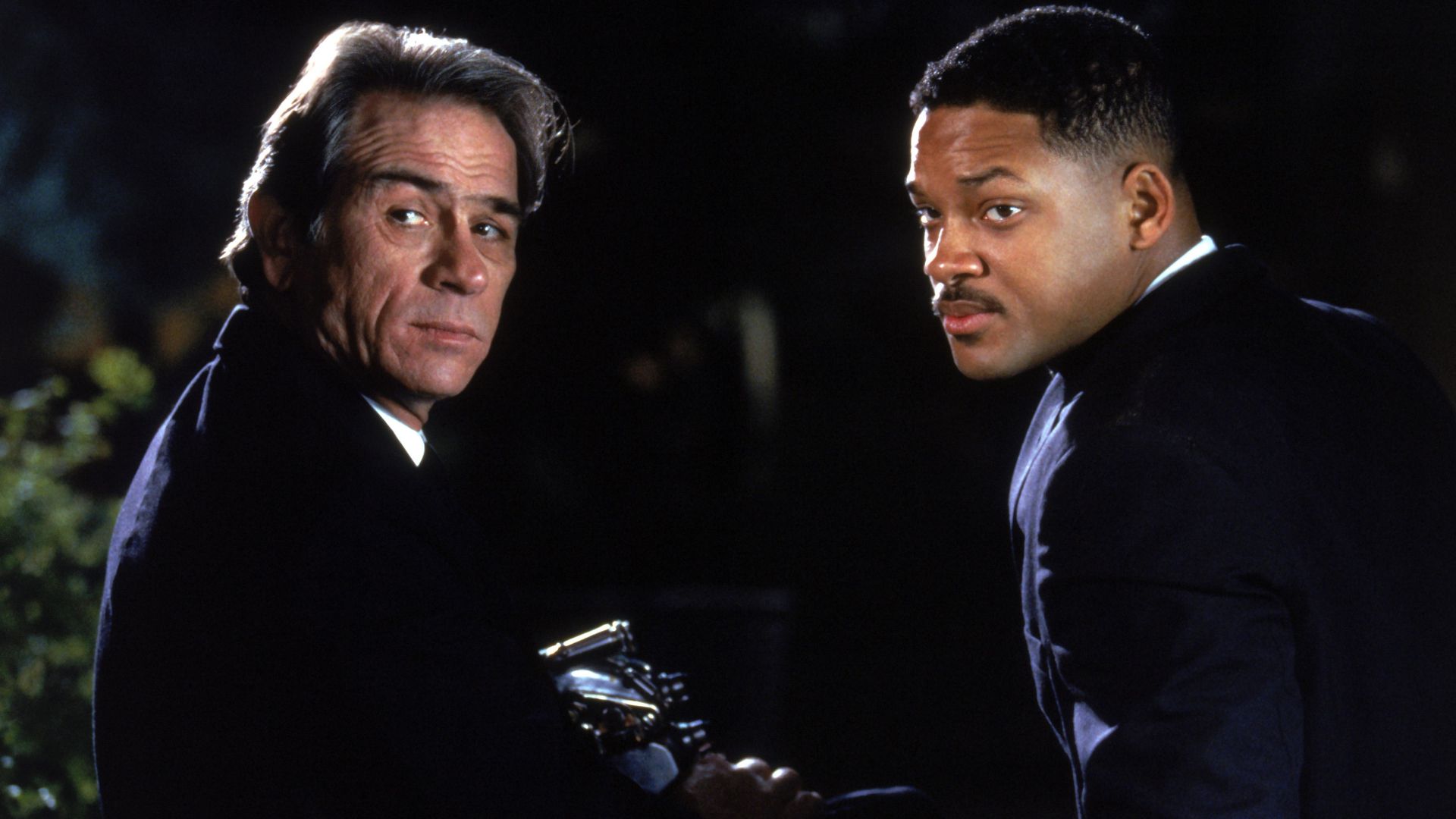
If you don’t read Marvel Comics, you might not realize the 1997 film Men in Black is based on a comic book. The Men in Black comic series, created by Lowell Cunningham, was published for a short time – from early 1990 to mid-1991. Though not a major hit, it was popular enough to inspire the famous ’90s movie starring Will Smith and Tommy Lee Jones.
The movie and the original comic book share a similar idea, but there are key differences. The comics are much grimmer and more violent – for instance, agents kill people who see alien activity instead of erasing their memories. Despite these changes, the Men in Black film series was so popular that it actually brought the comic books back to life, leading to new issues and a continuation of the story by Marvel Comics.
‘Mrs. Doubtfire’ (1993)
Source Material: ‘Madame Doubtfire’ by Anne Fine (1987)
20th Century Studios
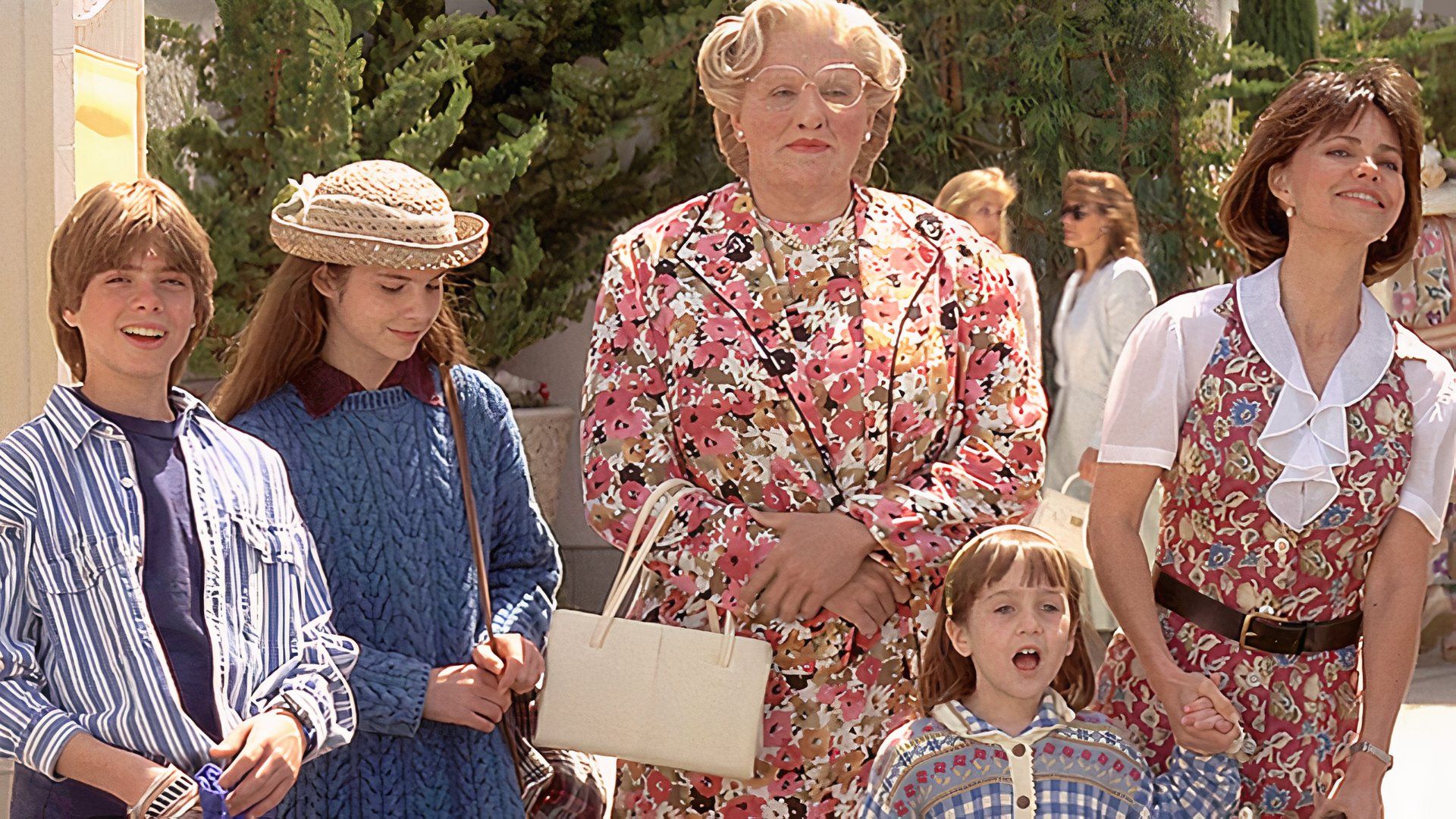
As a critic, I have to say Robin Williams is Mrs. Doubtfire, and it’s a performance that’s stayed with audiences for decades. What many don’t realize is this hilarious 1993 film actually started as a 1987 novel, Madame Doubtfire, by Anne Fine. While the movie does take some liberties – for instance, the kids figure out it’s their dad pretty quickly – it’s a surprisingly faithful adaptation. It really captures the spirit of the book, which is a huge win in my book.
Interestingly, the biggest change the movie makes from the book actually improves the story – which is rare for adaptations. In the book, Miranda offers Daniel a job as her gardener so he can stay in his children’s lives, instead of continuing as their nanny. But most people who have read the book and seen the movie agree that the movie’s ending is a stronger and more satisfying conclusion.
‘Die Hard’ (1988)
Source Material: ‘Nothing Lasts Forever’ by Roderick Thorp (1979)
20th Century Fox
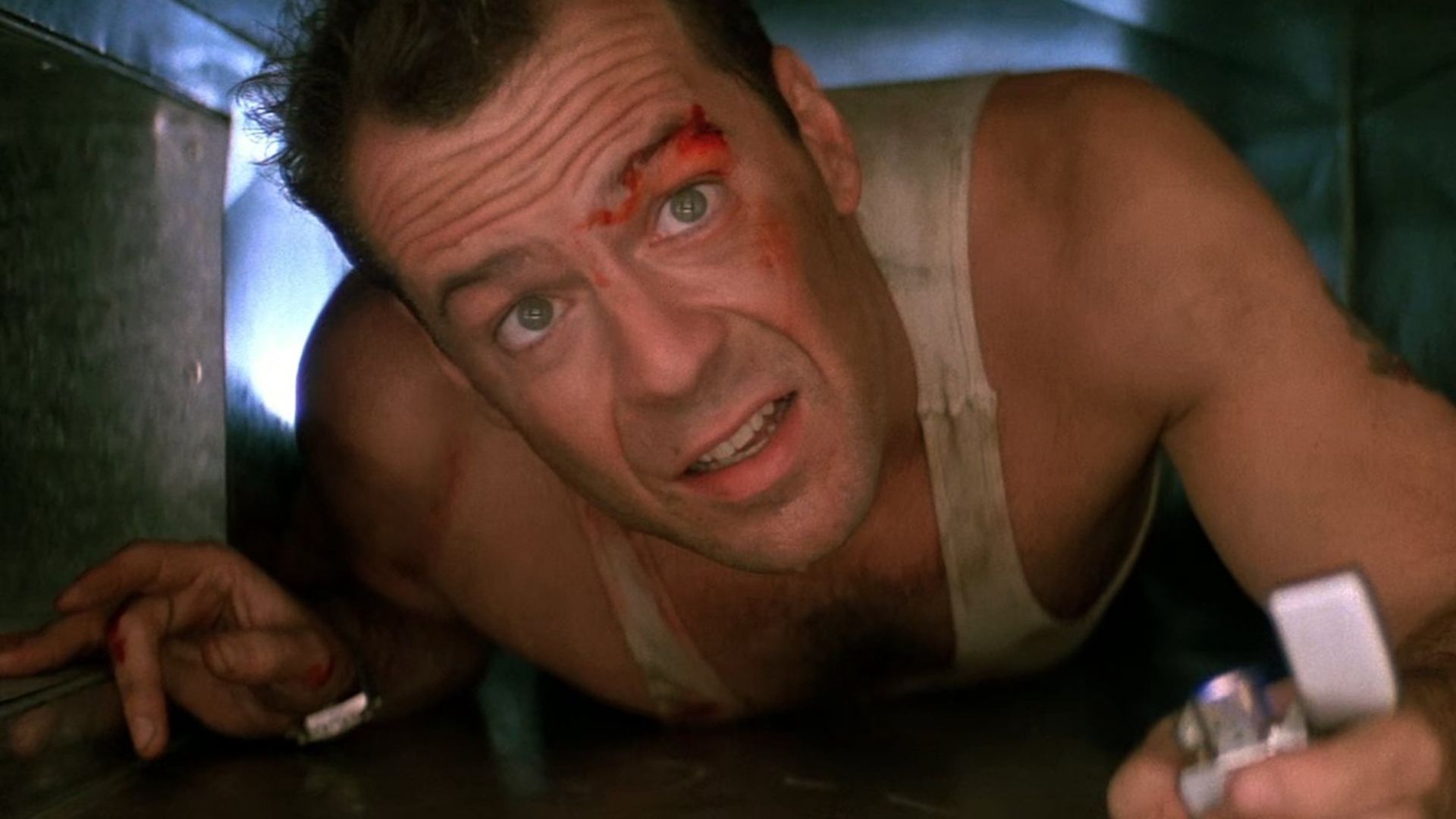
Many films are based on books that audiences don’t know about, but Die Hard is a particularly surprising example. Its title gives no hint that it’s based on Roderick Thorp’s 1979 novel Nothing Lasts Forever, which itself was a sequel to his earlier book, The Detective (1966). It’s unusual for a movie to be made from the second book in a series before the first one is adapted.
As a big movie fan, I always find it interesting learning about how films connect. I recently discovered that Frank Sinatra originally played the lead in a movie called The Detective back in 1968. But when he wasn’t interested in doing a sequel, the script for that sequel ended up being completely rewritten and became the Die Hard we all know and love! It’s amazing how things change in Hollywood.
Because of changes made during filming, Die Hard isn’t a direct adaptation of its source material, but rather takes inspiration from it. Still, Die Hard borrowed many memorable scenes, lines, and characters from the novel Nothing Lasts Forever. Key differences include the protagonist’s name change, the shift in ownership of the building from an American to a Japanese company, and a change in the hostage – the hero’s daughter in the book became his wife, Holly, in the film.
’10 Things I Hate About You’ (1999)
Source Material: ‘The Taming of the Shrew’ by William Shakespeare (1590-1592)
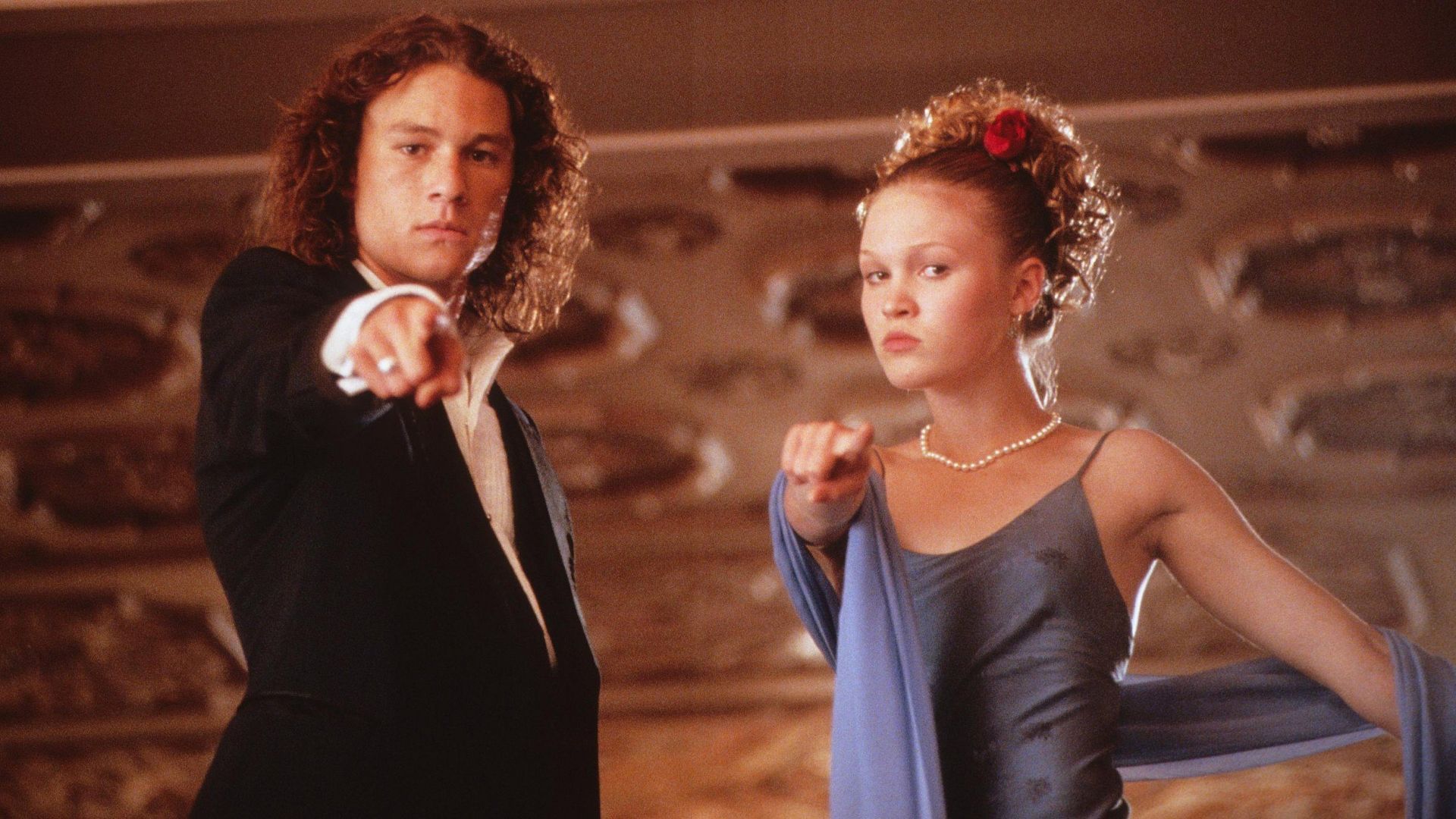
Buena Vista Pictures Distribution
10 Things I Hate About You is a modern take on Shakespeare’s play, The Taming of the Shrew. Instead of taking place in Italy, the movie is set in a late 1990s American high school. The story centers around Cameron James, who tries to win over Bianca Stratford, but her strict father won’t let her date anyone unless her older sister does too. Cameron enlists the help of Patrick Verona to try and make that happen.
Adapting Shakespeare can be tricky, which is why modern retellings are so effective. 10 Things I Hate About You is a beloved ’90s teen comedy that works even for those unfamiliar with the Shakespeare play it’s based on. The movie keeps the core story but updates it for a modern audience, exploring themes like social status and gender roles.
‘Shrek’ (2001)
Source Material: ‘Shrek!’ by William Steig (1990)
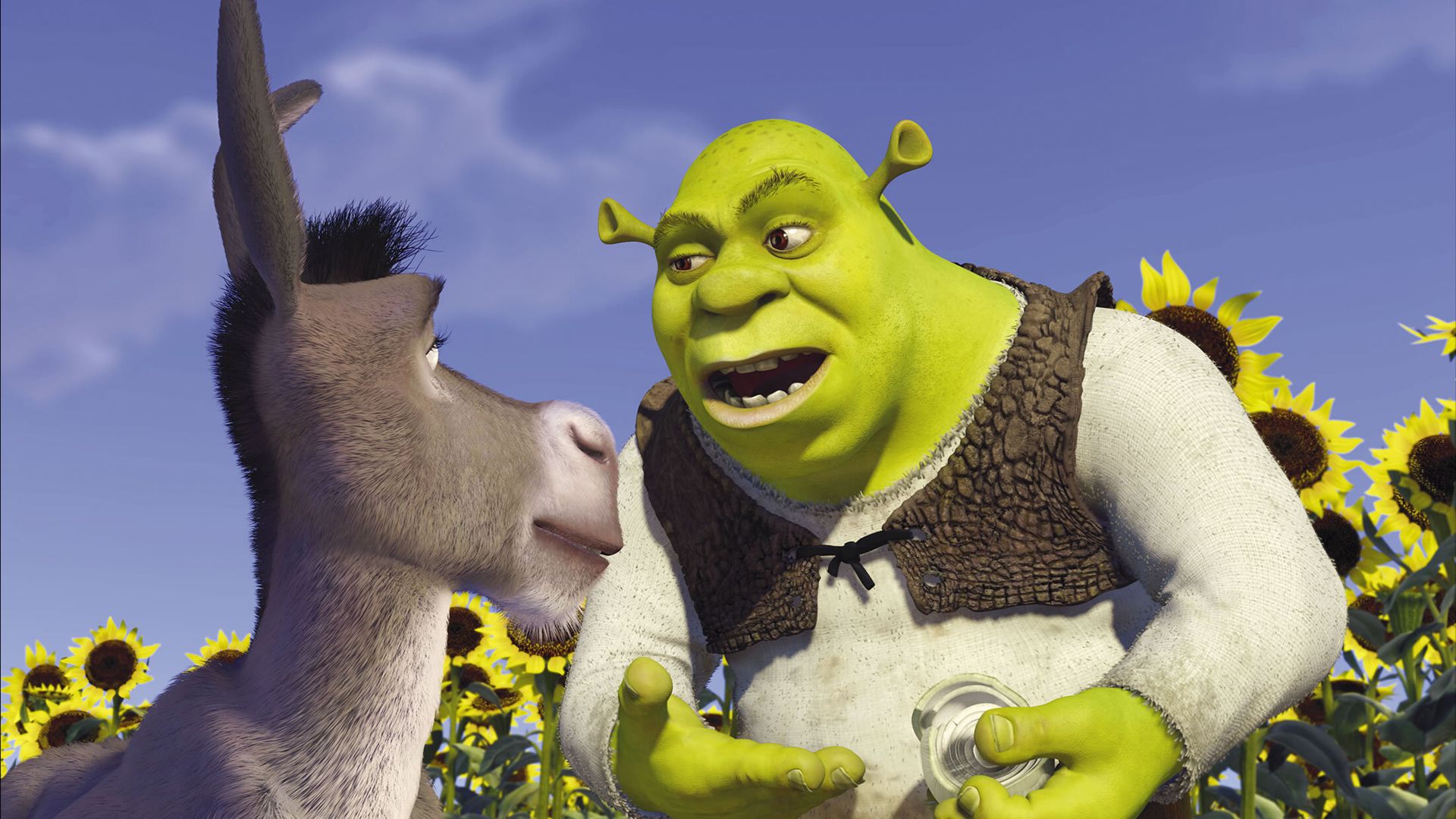
DreamWorks Pictures
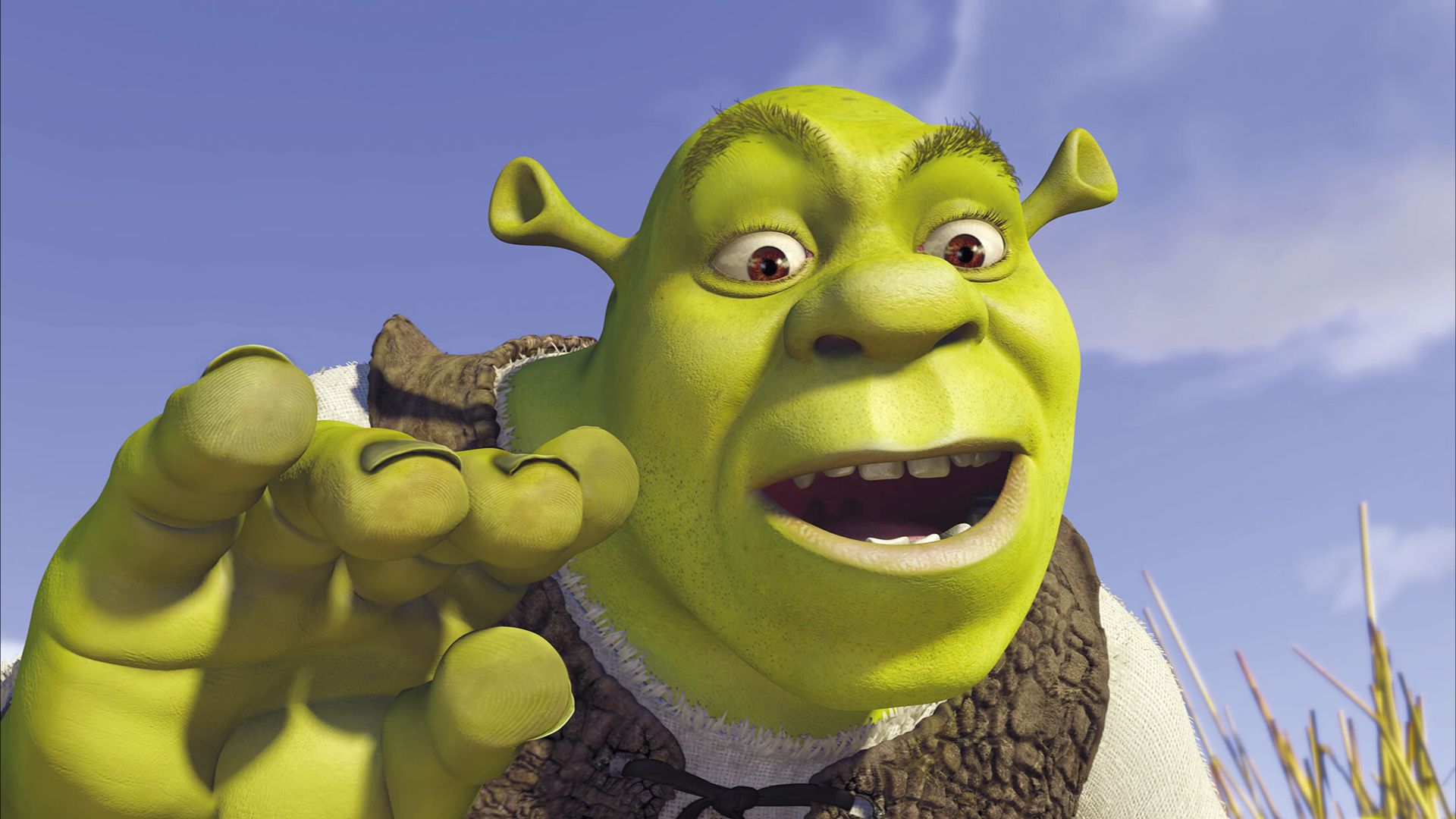
The first Shrek movie came out in 2001, and the story has since become hugely popular with audiences of all ages. However, many people don’t realize Shrek actually began as a children’s book, Shrek!, written by William Steig in 1990. The book tells the story of an ogre who marries a princess who is just as unusual-looking as he is.
Similar to the movie, the book Shrek! shows us that even unlikely heroes can be worth supporting, and that we shouldn’t judge things based on how they look. While the book is aimed at children and doesn’t follow its source material closely – there wasn’t much to work with originally – it’s remarkable how many Shrek movies and spin-offs it has inspired.
‘The Parent Trap’ (1998)
Source Material: ‘Lisa and Lottie’ by Erich Kästner (1949)
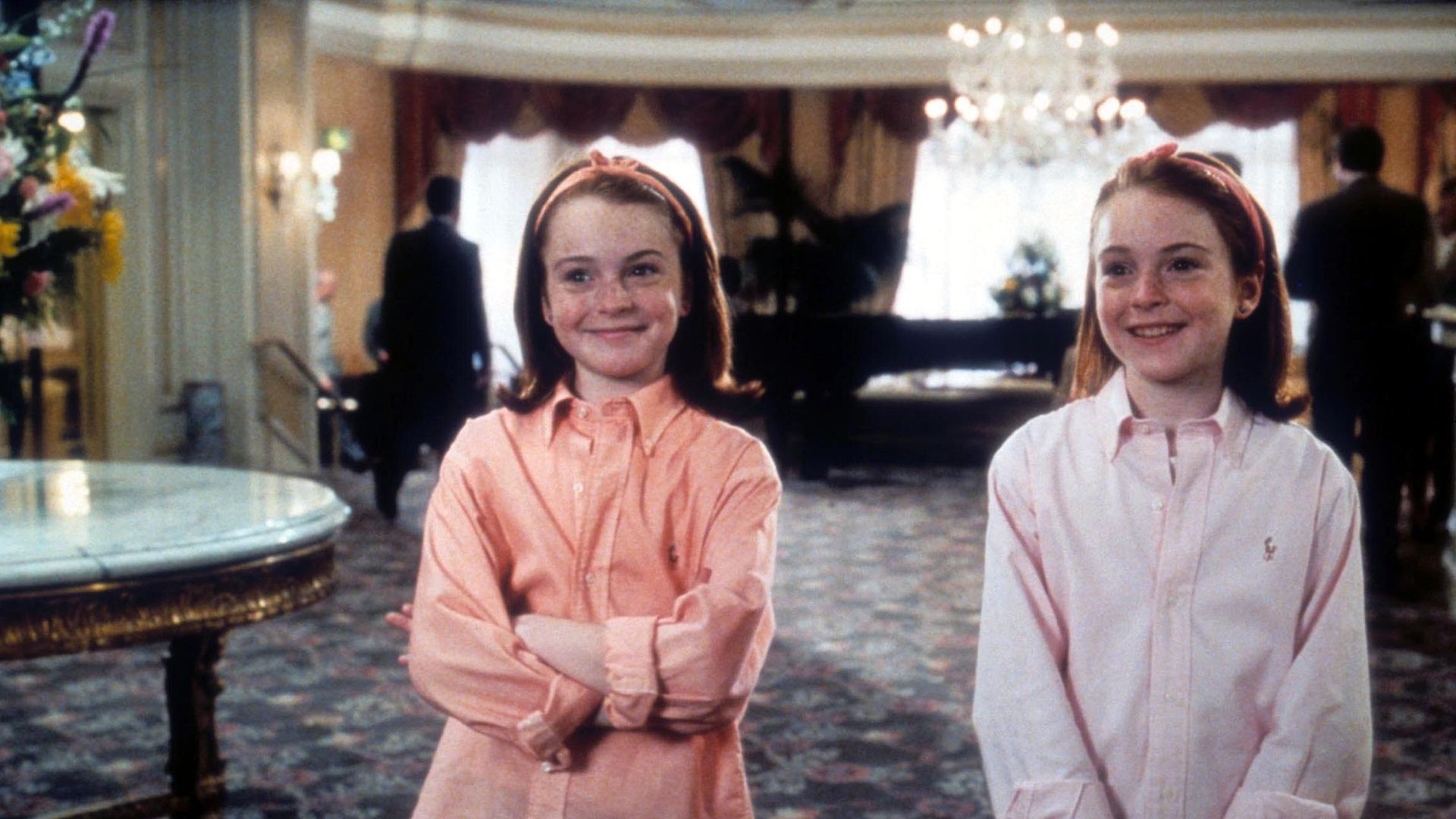
Walt Disney Pictures
The 1998 film The Parent Trap, starring Lindsay Lohan, is a unique case because it’s been adapted from a story multiple times. It’s based on the 1949 children’s book Lisa and Lottie by Erich Kästner, and it’s also a remake of the 1961 movie with the same title. Interestingly, Kästner originally developed Lisa and Lottie as a film during World War II, but it was never made. In total, this story has been adapted for the screen 17 times around the world.
Subscribe for surprising movie-adaptation insights
Unearth surprising source stories by subscribing to the newsletter—get thoughtful, contextual deep dives into film adaptations, from obscure books and comics to reimagined classics, so you spot the origins behind the movies you love.
Both The Parent Trap and Lisa and Lottie share a similar storyline, though there are some distinctions. In The Parent Trap, the character of Meredith Blake isn’t clearly a villain, but her equivalent, Irene Gerlach, in Lisa and Lottie is much more obviously the antagonist. Despite Lisa and Lottie being adapted into many versions, people often don’t realize it’s a remake, possibly because Lindsay Lohan’s performance in The Parent Trap was so captivating at a young age.
‘Easy A’ (2010)
Source Material: ‘The Scarlet Letter’ by Nathaniel Hawthorne (1850)
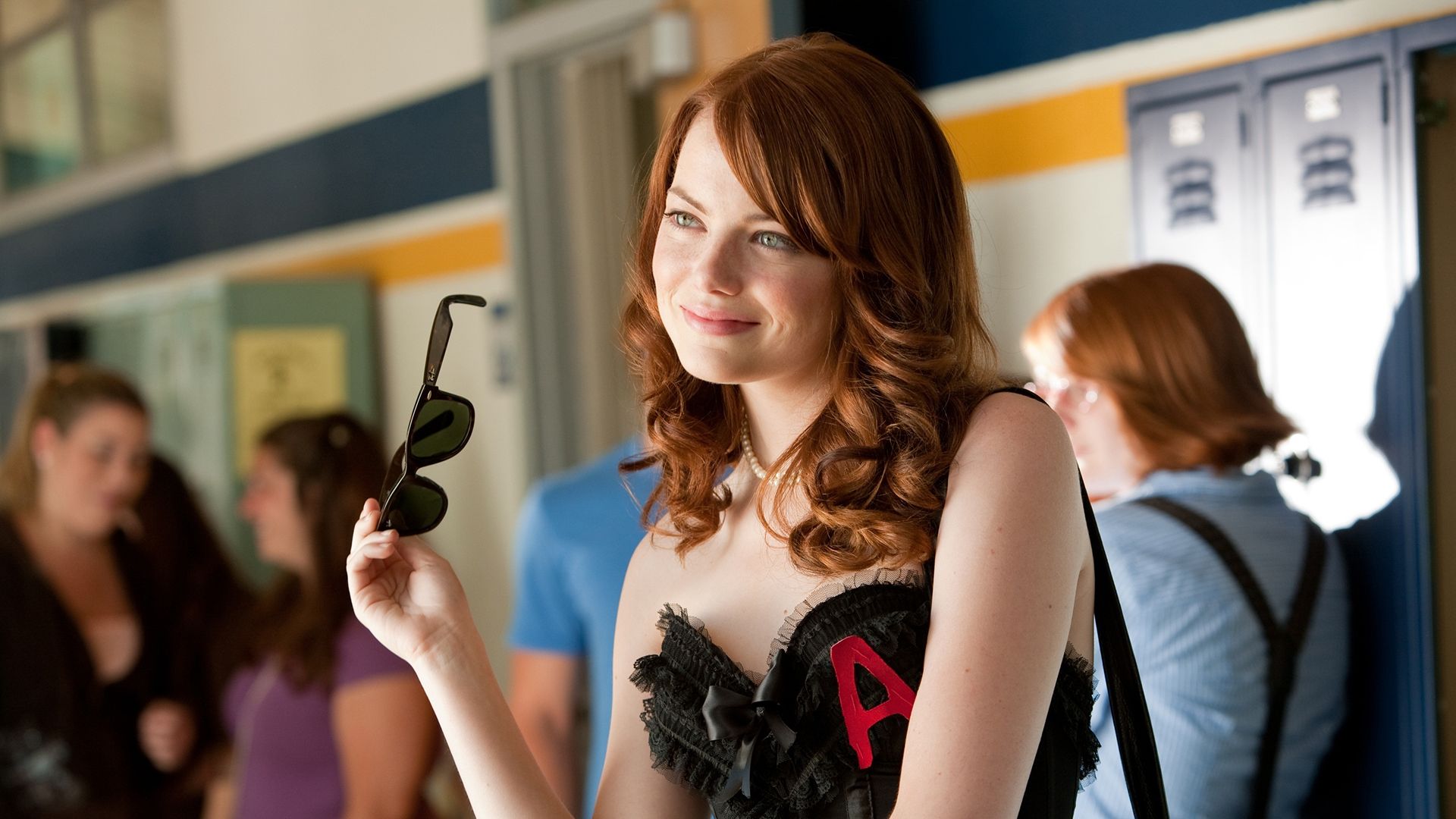
Sony Pictures Releasing
The movie Easy A cleverly disguises the fact that it’s based on a classic novel. While the source material is central to the plot, many viewers don’t realize it’s an adaptation. Easy A, considered one of Emma Stone’s best films, draws inspiration from Nathaniel Hawthorne’s The Scarlet Letter. In the movie, the main character, Olive Penderghast, actually studies the 1850 novel and sees parallels to her own life. Just like Hester Prynne in The Scarlet Letter, Olive faces judgment and shame from her classmates due to rumors, even though the truth is different.
The movie Easy A can be seen as a modern take on The Scarlet Letter. Like Hester Prynne, the main character Olive faces judgment, but in a society where she actively challenges the gossip and takes control of her narrative. She intentionally uses a red ‘A’ to reclaim her reputation and refuses to correct false rumors, all to highlight the unfair way people are treating her. While it’s not a strict adaptation, Easy A offers a clever and insightful reimagining of the classic story.
2026-03-07 23:13