
As a sports fan following Japan, it’s amazing how quickly training is evolving! It feels like by 2025, things will look totally different compared to just ten years ago. I’ve noticed coaches are really focusing on things like how athletes move, how much stress their muscles are under, and their reaction times – almost more than the overall game plan. People are comparing it to how data drives decisions in business and other fields, but really, it’s about athletes getting a deeper understanding of their bodies and making sure they train without getting hurt. Because of all this, training in Japan right now seems way more organized, carefully monitored, and effective than ever before.
How Technology Became a Regular Part of Training
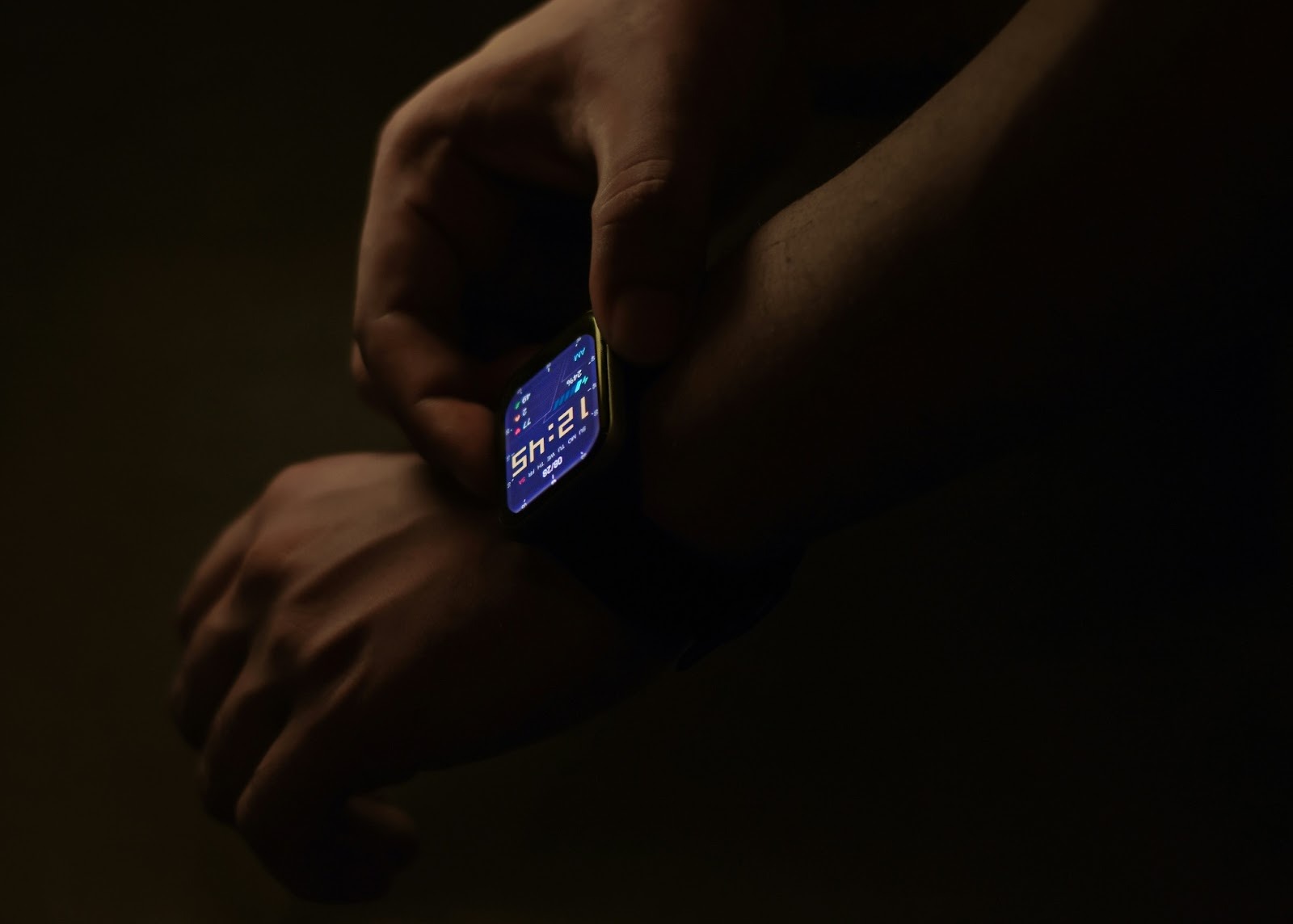
By the beginning of 2024, all leading Japanese sports clubs were consistently using data tracking technologies – both camera systems and wearable devices. While some have compared the growing use of these sports tracking systems to the practice of betting (specifically referencing ‘ميل بت’), the purpose is entirely different. These technologies monitor key athletic metrics like running speed, agility, jump height, heart rate, and sleep patterns. This allows coaches to quickly assess an athlete’s performance – instead of spending hours reviewing game footage, they can use a simple dashboard on their tablets to see data from the previous day’s training and pinpoint areas where technique might need refinement.
Key Technologies Used in Sport 2025
The table below shows a few devices that Japanese sports organisations use most often:
| Technology | What It Tracks | Typical Use |
| Wearable Sensors | Heart rate, speed, fatigue | Football, tennis |
| Motion Cameras | Jump angle, footwork, body posture | Basketball, volleyball |
| AI Dashboards | Summary of daily load | All major clubs |
| Recovery Pods | Muscle stress and rest | MMA, track and field |
Why Real-Time Data Matters for Coaches
Starting in 2025, athletic and coaching staff will see a major improvement in how quickly they receive data. Updates will happen incredibly fast – almost instantaneously – providing information in short, frequent bursts. Previously, coaches had to wait until the next morning to get data needed for training. Now, information that used to take 24 to 48 hours to arrive is available on-screen during workouts.
This technology helps coaches react instantly to what’s happening with their players. For instance, if a player on defense seems tired, the coach can immediately lower their workload during practice. Similarly, if a basketball player’s shooting starts to falter, the coach can spot it and offer corrections after just a few shots.
This AI analyzes motion much faster than conventional techniques. Connected devices will share data in real-time, sending it straight to where it’s needed. This enables instant, accurate responses instead of waiting hours to make corrections.
Recovery and Injury Prevention Methods in Sport 2025
Competition is increasing in sports, making recovery crucial for athletes. In Japan, they’re using methods like ice baths, compression clothing, massage tools, and sleep tracking to improve rest and prevent injuries.
Sports scientists in Japan usually follow three main steps:
- Check signs of inflammation after hard sessions.
- Look at movement patterns to catch early warning signs.
- Balance intensity and rest, so the body does not break down.
This method significantly lowers the chance of lasting injuries. Football teams find it particularly helpful, as many injuries happen from overexertion, not direct impact. Gyms for volleyball, tennis, and mixed martial arts use comparable strategies to safeguard shoulders, knees, and backs.
Why Sport 2025 Is a Turning Point for Japanese Sports
Japan’s approach to sports in 2025 is noteworthy because technology is now fully integrated into an athlete’s training, rather than being an extra addition. From young players to professionals, everyone uses the same tools, which will lead to more reliable and consistent performance data.
The following are the major reasons why Sport 2025 is a turning point:
- Technology has become affordable enough for smaller clubs to purchase wearable technologies.
- AI systems can process data almost instantly.
- Ideas and philosophies behind training techniques are beginning to cross over between different sports.
- Coaches are trusting technology more than they ever have before.
Thanks to new advancements, athletic training in Japan is becoming more effective. It’s shifting away from relying on how athletes feel and towards using measurable data. Instead of just resting when they feel tired, athletes now have concrete numbers that show how their bodies are responding and what changes need to be made.
Japan’s sports training is set to evolve significantly. We’re already seeing innovations like “smart shoes” in soccer academies that monitor foot pressure, automated shooting machines in basketball gyms offering analysis without a coach, and MMA teams using sensors to track grip strength during training.
2026-03-05 17:35