The following article contains spoilers for Episode 7, “1:00 P.M.,” of “The Pitt” Season 2.
Medical care begins right away. After a sexual assault, a doctor from “The Pitt,” Dr. Robby (Noah Wyle), asks Dr. Al-Hashimi (Sepideh Moafi) to help the charge nurse, Dana Evans (Katherine LaNasa), with the patient’s initial assessment.
“We can call for a SANE,” another nurse suggests when Dana says she’ll be occupied.
“If you’re hoping to leave for the day, it could be a while,” Dana, a seasoned professional, replies as the afternoon of the Fourth of July begins. “We can’t leave this patient waiting, and frankly, I’m the only one here using good judgment…”
What exactly is happening in this scene? It introduces the core subject of the episode: a forensic exam performed after a sexual assault, often called a rape kit exam. The show provides a remarkably detailed and accurate portrayal of this confidential medical procedure, which involves collecting crucial DNA and other evidence.
Before the cameras enter the room with the patient, Dana explains the role of a SANE nurse to Emma, a new nursing school graduate, and to viewers. SANE nurses specialize in sexual assault cases. They conduct thorough medical exams, gather evidence, and, if the patient chooses, turn that evidence over to law enforcement. They also offer support, resources, and may be called to testify in court.

Television
R. Scott Gemmill, who created and oversees HBO Max’s “The Pitt,” discussed the show’s surprising popularity, his plans for the next season, and the reason he chose to set it around the Fourth of July.
According to Kirsten Pierre-Geyfman, who co-wrote the episode with the show’s creator, R. Scott Gemmill, the story aimed to shine a light on the vital work of Sexual Assault Nurse Examiners (SANEs), particularly within a police department setting. She also explained that the episode wanted to portray the courage it takes for a survivor to report an assault and undergo a forensic exam, emphasizing that it’s a difficult choice and process.
To make the depiction of the exam process as accurate and respectful as possible, the creators of “The Pitt” consulted with experts from the UCLA Health Rape Treatment Center and Pittsburgh Action Against Rape (PAAR), as well as the actors themselves.
Dr. Kathleen Sekula, a forensic nurse at Duquesne University in Pittsburgh and a consultant for the show, explained she wanted viewers to fully grasp the complexity of the exam, as she believes many people misunderstand it.
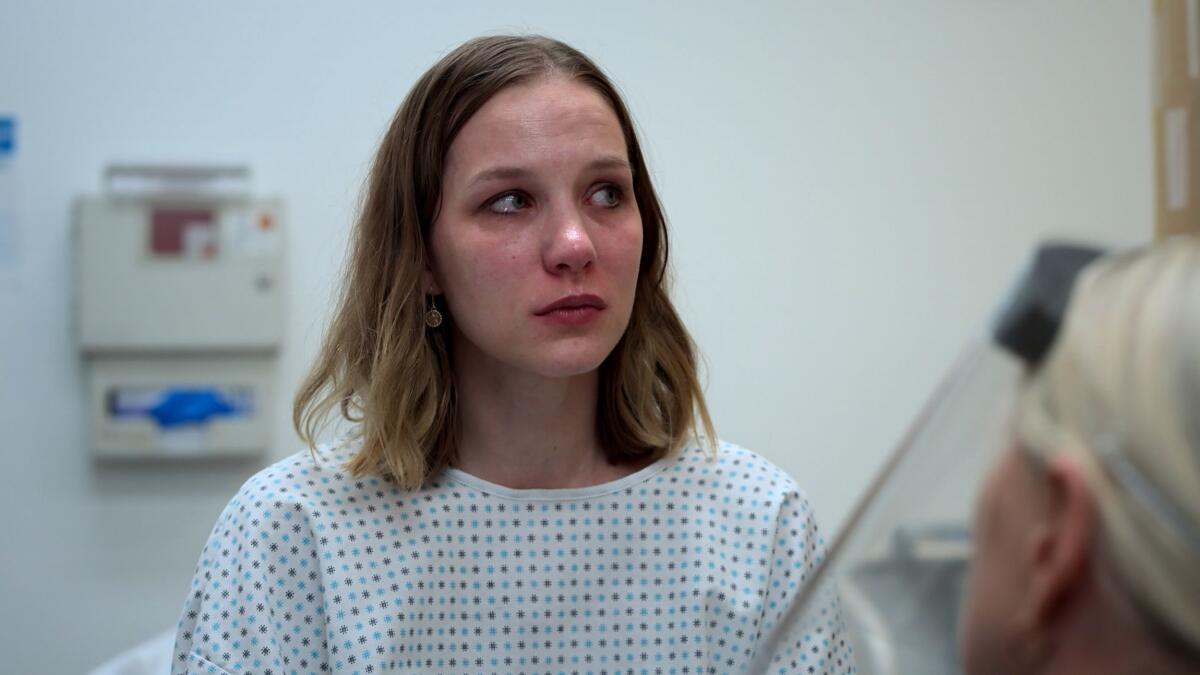
In the seventh episode, “1:00 P.M.,” Tina Ivlev plays Ilana, a young woman who is clearly distressed. The writers decided to focus on the aftermath of the event, rather than the traumatic experience itself, explains Pierre-Geyfman. As a result, details about what happened to Ilana are limited: she was attacked by a male friend while at a barbecue with others.
What really stood out to me was how this show handles difficult moments,” Ivlev explained. “Unlike other shows that might explore what happened in detail, this one immediately moves away when the character starts to talk about it. There’s a lot going on beneath the surface, and I wanted to portray that realistically. When someone experiences trauma, they often fixate on specific details while other things become blurry. The character’s mind is racing, and she’s clearly in shock.”
Like many cases on “The Pitt,” this story helps develop the emotional journey of the show’s medical staff, specifically Dana. She’s the certified SANE nurse who assists with the entire exam. Last season, she was violently attacked by a patient, leaving her shaken and considering leaving her job. Though she took some time off, she returned to work, but the attack continues to affect her, making her more guarded.

Television
This week on Screen Gab, Sepideh Moafi from “The Pitt” talks about becoming part of the show, and we’ve got some recommendations for what to stream this weekend.
Dana has become more guarded this season, especially after her own difficult experience last season. She’s intentionally creating boundaries with her patients and focusing on protecting her fellow nurses. We see her wrestling with this as she wants to provide the best care possible, even when it’s challenging.
The medical assessment starts with Dr. Al-Hashimi quickly checking Ilana for injuries and asking about any medications she takes or allergies she has. To protect her privacy in the busy emergency room, Dana and Emma use two separate rooms to gather evidence, carefully explaining the process to Ilana. Once Dana opens the evidence collection kit, Ilana needs to stay in the room, though she can take breaks if she needs them.
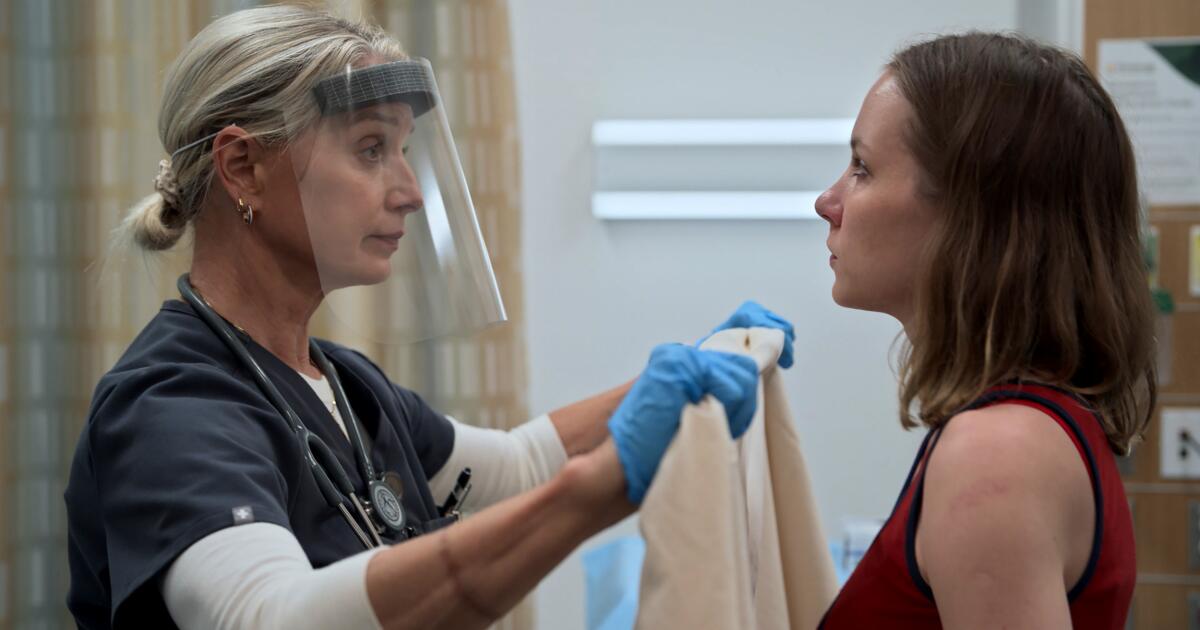
To prevent anything from being contaminated, Dana puts on a face shield and opens the evidence kit – a rectangular box filled with things like bags for storing items and swabs for collecting samples. First, Ilana needs to change clothes. Dana lays down pads on the floor for her to undress onto, so each piece of clothing can be carefully bagged and saved as evidence. Dana assures Ilana she’ll get a fresh set of clothes and uses a large cloth to give her privacy while changing.
Dr. Al-Hashimi examined Ilana again, checking for injuries and deciding if she needed any scans or X-rays. She found two bruises and asked Dana to photograph them as evidence. Dana then carefully sealed the photos’ memory card. Next, Dana used a black light in a darkened room to check Ilana’s skin for any hidden marks, explaining she’d swab any glowing areas. She also swabbed the inside of Ilana’s mouth and fingernails. Throughout the process, Dana was mindful of Ilana’s distress and repeatedly reassured her, emphasizing that the examination wouldn’t define her, as the procedure was taking a long time.

At one point, a representative from Pittsburgh Action Against Rape (PAAR) arrived to explain the support and resources they offer, which are available even if the patient chooses not to complete the sexual assault exam. Ilana was repeatedly told she could still complete the exam even if she wasn’t sure about reporting to the police – she could make that decision later, and it wouldn’t be part of her regular medical records. However, Ilana became overwhelmed when the exam moved to collecting samples from both inside and outside her vagina, and she was asked to put her feet in stirrups. Dana then suggested they take a break.
“I’m not looking for a pause in things, I want this to end,” Ilana said. “He’s a friend, and he knows everyone I hang out with. What happened was just a silly mistake—he’d been drinking. It wasn’t intentional, and it didn’t signify anything serious.”
Okay, so this episode definitely slows things down, and I get the feeling that pace will continue into the next one. The show is trying to illustrate just how massive this medical exam is, but in doing so, it bends reality a bit when it comes to how quickly it all happens. According to medical professional Sekula, these things rarely wrap up in under three or four hours, and it definitely felt rushed here.
Becoming a Sexual Assault Nurse Examiner (SANE) requires specific training, and the exact requirements differ from state to state, explains Sekula. It’s a demanding job that needs careful attention to detail because SANEs work with both medical and legal aspects of a case. Hollard, while researching the topic, was impressed by how precise the procedures are and the level of support available to these nurses.

Awards
As a huge fan of the show, I recently read a fascinating breakdown of the pilot episode, ‘7 a.m.’ Noah Wyle, along with writer R. Scott Gemmill and director John Wells, went through the episode scene by scene, really digging into what makes each character tick. It was amazing to hear their insights!
Hollard explained that the process is incredibly detailed and precise. It involves numerous components and careful handling – for example, swabs can’t come into contact with each other. Furthermore, the legal requirements vary by location. The way the kit is being used mirrors procedures in Pittsburgh, but differs from those in California and other states.
Though “The Pitt” is well-known for its incredibly realistic medical scenes, director Uta Briesewitz aimed to film the examination with sensitivity and respect. She avoided intrusive shots and didn’t focus unnecessarily on Ilana’s body. For instance, when Ilana undresses, the camera focuses on Dana giving her privacy, with a brief, blurred view of Ilana’s back only appearing as Emma processes the emotional weight of the situation. Later, when a blue light scans Ilana’s body, her gown is carefully positioned to protect her privacy. The production also included both a medical consultant specializing in SANE procedures and an intimacy coordinator to ensure everyone felt comfortable during filming.

Briesewitz explained that the scene was handled with extreme care to avoid re-traumatizing viewers, particularly when depicting Dana’s search for evidence with a black light. A key concern was balancing the need to show Dana thoroughly examining the scene with ensuring the victim felt safe and protected. Having a Sexual Assault Nurse Examiner (SANE) advisor on set was invaluable. The advisor demonstrated the proper technique – carefully exposing areas while maintaining the victim’s dignity – saying, ‘One arm comes out of the sleeve, then I hold up her gown this way, and I would do it like that…’
LaNasa felt her training at the UCLA Health Rape Treatment Center was essential for portraying her character’s confidence and empathy. She returned for a second training session specifically to become familiar with the evidence collection kit, wanting to appear experienced and comfortable using it.
Looking back on the storyline as a reflection of her character’s development, LaNasa noted that Dana chose not to press charges against Doug Driscoll, despite being assaulted by him.
LaNasa explained that this situation is unique. She highlighted the valuable information revealed: a person can obtain a rape kit and preserve evidence without immediately deciding whether to pursue charges, offering a crucial option when someone is traumatized. LaNasa believes Dana’s current state of heightened anxiety stems from a lack of justice in her past. She feels Dana is struggling this season because she hasn’t prioritized self-care, still deeply affected by what happened. While Dana doesn’t want to pressure Tina’s character, she hopes Tina will utilize this option for herself, allowing her the freedom to change her mind later.
Later in the season, Dana will mention this process again while defending a sexual assault victim, and it’s clearly something she thinks about a lot, given her experience with it.
2026-02-20 06:32