Martial arts stories are now widely popular on TV, reaching a much bigger audience than martial arts films alone ever could. These shows have always attracted viewers with exciting fight scenes, thoughtful ideas about strength and self-control, and characters who feel like true heroes. Whether based on real history or filled with fantasy, they all share beautifully crafted combat sequences.
It’s easy to pick out truly outstanding martial arts shows right now, simply because there aren’t many on TV yet. However, the ones that do exist have been widely praised by critics and have gained large, dedicated fan bases worldwide. It won’t be long before television starts producing a much larger amount of this type of content.
The Brothers Sun Captures the Spirit of Asian Cinema
Created by Byron Wu and Brad Falchuk for Netflix, The Brothers Sun skillfully blends humor and intense action. While it initially appears to be a story about a criminal family, the show quickly becomes a loving tribute to classic Asian martial arts films. The series immerses viewers in a world where family drama and the dangerous world of Triads coexist, driving the characters’ growth with a fast-paced, thrilling narrative.
The fight scenes aren’t just inspired by action stars like Donnie Yen, Jackie Chan, and Jet Li – they’re also really fun. This turns ordinary places, such as spas, lounges, kitchens, and even birthday parties, into exciting settings for the action. The team behind the incredible fights in Everything Everywhere All at Once heavily influenced the style of combat in The Brothers Sun, especially when it came to the character ‘Mama Sun’.
While exciting action is important, it wouldn’t have been enough to make The Brothers Sun work without a strong connection between the characters. The contrast between Charles’s calm and collected demeanor and Bruce’s worried, everyday personality creates a fun sibling relationship that grounds the story. The show proves that martial arts series can be both thrilling and genuinely heartwarming – it never mistakes violence for depth.
Cobra Kai Transformed Nostalgia Into Modern Greatness
The popular Karate Kid movies paved the way for Cobra Kai, a series that quickly became more than just a nostalgic revisit. Instead of simple good versus evil, the show explores different ideas about how to build character – things like discipline, self-assurance, trust, integrity, family, and becoming a better person. This attracted a new wave of fans while also bringing back those who loved the original movies, creating a unique blend of familiar appeal and fresh storytelling.
The heartwarming friendship between Daniel LaRusso and Johnny Lawrence is widely considered the highlight of the show’s six seasons – a surprising twist that fans quickly embraced. But before they finally connect, these former enemies have to overcome challenges with understanding and forgiveness. Interestingly, their students often offer valuable lessons in return, helping them grow just as much as the mentors guide them.
As a lifelong fan of The Karate Kid, I’ve always been fascinated by how each dojo – Cobra Kai and Miyagi-do – has such a distinct style. Cobra Kai is all about aggressive attacks, while Miyagi-do focuses on defense, patience, and finding your center. What’s really cool in the later seasons is how those lines start to get blurred, especially when we see even bigger dojos emerge. It feels like the show is subtly pointing out that true wisdom isn’t tied to any one particular style of karate. And honestly, it’s proven what a lot of us hoped – martial arts can absolutely work on TV! It’s more than just revisiting old favorites; it’s a genuinely strong series.
Wu Assassins Proved That Fantasy and Fighting Belong Together
For decades, East Asian entertainment has frequently blended myths of the supernatural with martial arts action, from countless lesser-known shows to high-quality productions like Netflix’s Wu Assassins. The series centers on Kai Jin, an ordinary chef in San Francisco, who unexpectedly gains the powers of the last Wu Assassin. He’s then thrust into a battle against five powerful warlords, tasked with protecting the balance between the human world and ancient magic.
The action series Wu Assassins stands out thanks to its realistic fight choreography, brilliantly showcased by Iko Uwais, a renowned martial artist. Uwais’s skills in Pencak Silat are on full display. Beyond the action, the show is unique for its diverse setting, seamlessly blending elements of folklore, the immigrant experience, crime, family ties, and spiritual beliefs.
Though Wu Assassins didn’t become a huge hit like some other Netflix shows, it gained a dedicated following among martial arts fans and those who appreciate well-crafted action. The series is remarkable because its fantastical elements actually enhance the realism of the fight choreography, making it a truly captivating drama.
Bloodhounds Made Every Punch Carry Emotional Significance
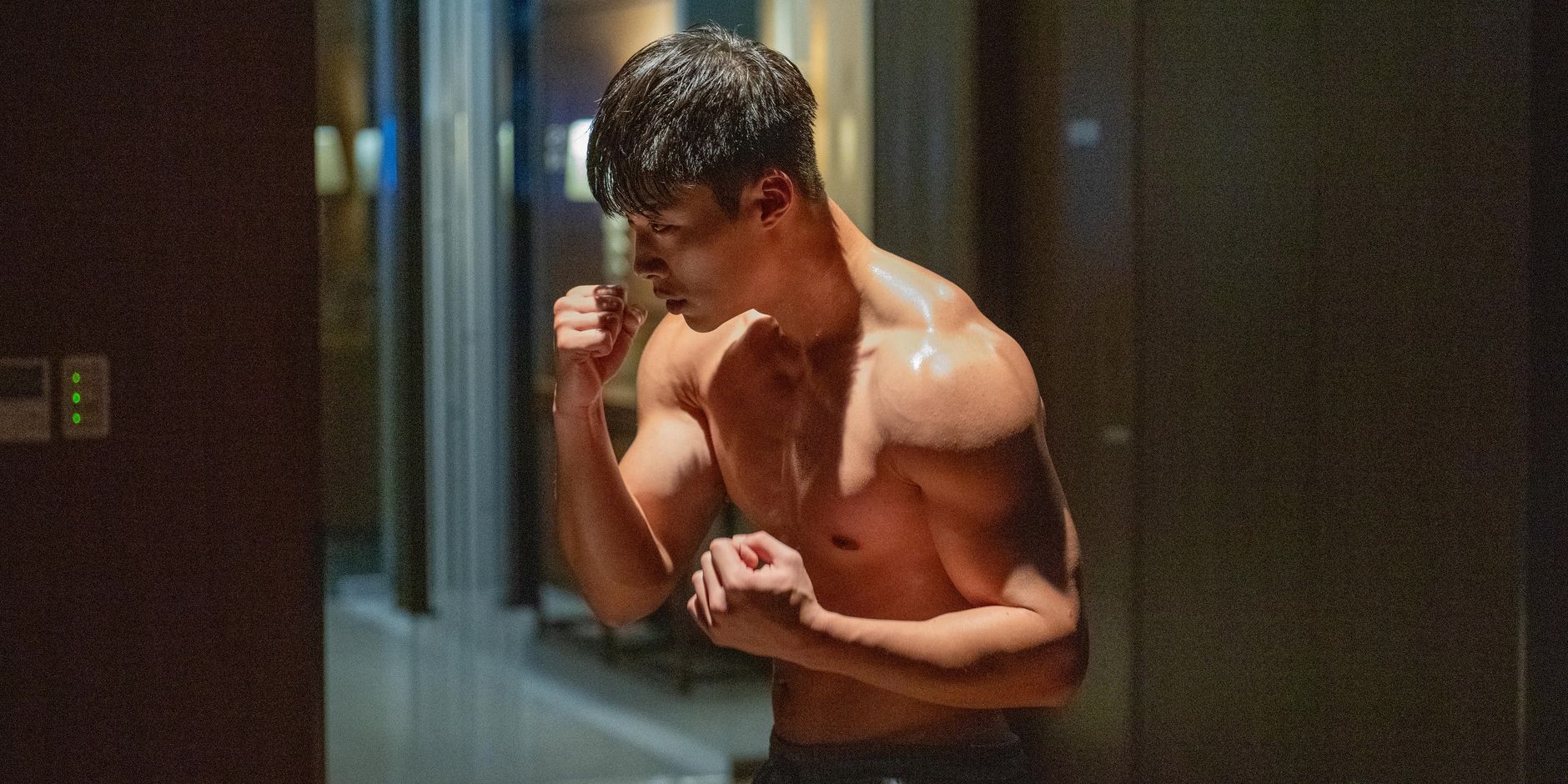
While several recent Korean dramas like Squid Game and Kingdom have become huge hits, Bloodhounds is definitely one to watch alongside them. Based on a popular webtoon by Jeong Chan, the show centers around two boxers with strong principles who find themselves fighting against ruthless loan sharks who target vulnerable people.
The fight scenes are built on realistic boxing techniques, giving the show a unique feel different from typical action movies filled with weapons or flashy acrobatics. Instead of exaggerated moves, the combat focuses on raw power and believable fighting combinations developed through competitive training.
At its heart, Bloodhounds is a story about the strong friendship between Gun-woo and Woo-jin, built on genuine respect. This connection provides a hopeful contrast to the dark and corrupt criminal world they navigate. The show deliberately avoids being cynical, instead offering a refreshing sense of innocence that stands out against the villains’ lack of morals.
Warrior Finally Realized Bruce Lee’s Vision for TV
I’m really fascinated by the story behind Warrior. It’s about Bruce Lee’s original idea for a show – a Chinese martial artist trying to survive in America back in the 1870s, facing racism and brutal street fights. Can you believe Hollywood turned it down? But finally, over forty years later, his vision came to life! What’s amazing is that it wasn’t just action; Bruce Lee’s daughter, Shannon, produced a series that really digs into issues like the struggles of workers, racial prejudice, how messed up things were with power structures, and what it was like being an immigrant. It all mixes together to create this incredibly intense show filled with awesome fight scenes and real drama.
When Ah Sahm comes to Chinatown searching for his sister, he gets caught up in a complex web of relationships and conflicts that reveal deep problems within the community. Unlike many historical action shows where the setting is just background scenery, Warrior demonstrates how history itself drives the story more than any single character’s decisions.
The action series Warrior blends kickboxing, wrestling, kung fu, street fighting, and the principles of Bruce Lee’s Jeet Kune Do to create incredibly dynamic fight choreography emphasizing awareness of space. Unlike Bloodhounds, which focuses on moral characters, Warrior thrives by showing deeply flawed people operating in a violent world where ruthlessness is favored.
Avatar: The Last Airbender Has Redefined Television Itself
No other TV show, whether animated or live-action, has used martial arts as central to its storytelling quite like Avatar: The Last Airbender. Creators Bryan Konietzko and Michael Dante DiMartino built the show’s unique ‘bending’ system based on real East Asian martial arts traditions and history. This means each of the four nations – Fire, Water, Air, and Earth – expresses its culture and beliefs through how people move and fight.
Each of the bending styles in the show is inspired by real-world martial arts: Firebending uses techniques from Northern Shaolin, Waterbending reflects the flowing movements of Tai Chi, Earthbending emphasizes the solid stance of Hung Gar, and Airbending incorporates the quick, evasive footwork of Baguazhang. This level of detail is largely due to Sifu Kisu, a martial arts consultant who helped the animators create realistic and believable bending styles that felt like a natural part of the show’s world.
Beyond its amazing action scenes, Avatar: The Last Airbender excels in almost every way – with a compelling story, well-developed characters, moments of genuine humor, and thought-provoking themes. It’s expertly paced and even explores deeper philosophical questions, all wrapped up in stunning visuals. Ultimately, ATLA is a strong contender for one of the greatest TV shows ever created, and the incredible fight choreography is just one example of its overall brilliance.
2026-07-27 18:09