Goldman Sachs CEO David Solomon recently voiced his support for the updated CLARITY Act, a bill aiming to clarify rules for digital assets, in an interview with Politico. This puts him at odds with most other banks, and immediately drew criticism from seven Senate Democrats, who argue the latest version is a purely Republican effort that doesn’t adequately protect consumers or address ethical concerns.
This isn’t just one CEO sharing their views on upcoming laws. It marks the first sign of disagreement among top banking executives, who have always been united in opposing clear rules for crypto markets. This shift could significantly impact whether or not the bill passes before lawmakers leave for their summer break in August.
Goldman Sachs CEO David Solomon told Sam Sutton he strongly supports the Clarity Act, putting him at odds with most other Wall Street leaders and banking industry groups in Washington D.C.
— Jasper Goodman (@Jasper_Goodman) July 23, 2026
DISCOVER: Best Meme Coins to Buy in 2026
CLARITY Act News: Solomon vs. Dimon and the Wall Street Divide
Representative Solomon told Politico he still wants to pass the CLARITY Act, even though he admits it’s not flawless. He believes the bill’s main benefit is creating fair rules for the digital asset market, which will help it grow steadily and responsibly. He supports moving the bill forward to establish these rules and encourage innovation.
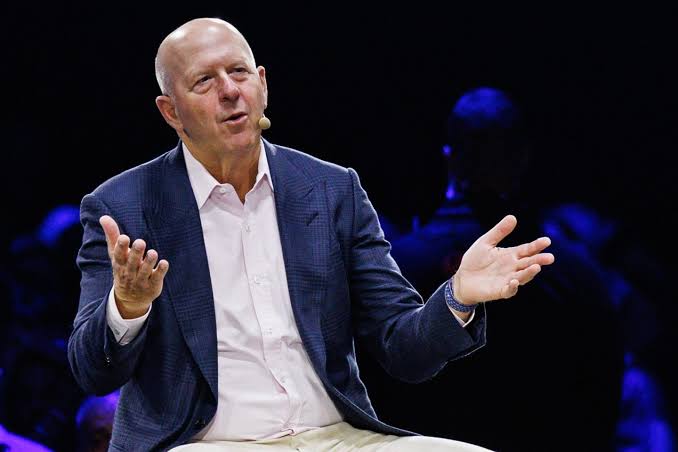
JPMorgan CEO Jamie Dimon has publicly voiced strong opposition to the bill. In May, he told Fox Business that it would let crypto companies offer interest on deposits without following the same safety rules as banks, predicting it would ultimately fail and stating he wanted no part of it.
On Wednesday, banking industry groups reiterated their concerns, stating that the newest version of the proposal could still harm local lending by how it handles rewards programs that use cryptocurrency.
We believe Solomon’s analysis highlights that Goldman Sachs operates more like a traditional investment firm in the digital asset space, unlike banks that rely on customer deposits. These two types of financial institutions face very different challenges when it comes to regulation of digital assets by the CFTC.
DISCOVER: The Three Core Disputes Blocking the CLARITY Act in the Senate
Senate Democrats Draw the Line: Ethics, Enforcement, and the Warren Factor
According to Politico, seven Democratic senators – Angela Alsobrooks, Cory Booker, Catherine Cortez Masto, Ruben Gallego, John Hickenlooper, Mark Warner, and Raphael Warnock – released a statement on Wednesday criticizing a revised draft, saying it doesn’t adequately address concerns about ethics, consumer safety, illegal financial activity, potential conflicts of interest, and the overall fairness of the market.
Senator Booker described the proposed bill as a Republican-written document and stated that the only way to move forward is through cooperation between both parties.
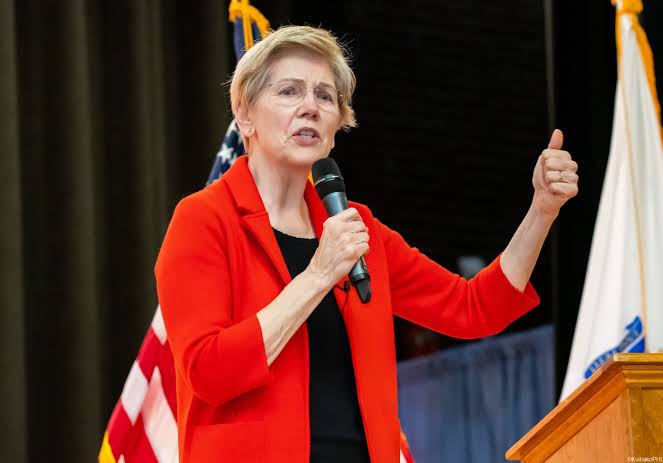
Senator Elizabeth Warren strongly criticized the bill, declaring it will fail and won’t stop Donald Trump from potentially benefiting from cryptocurrency. Democrats are insisting that state attorneys general, in addition to the Department of Justice, should be able to enforce the bill’s ethical guidelines, but the current version doesn’t allow for this.
The key to the bill’s success lies with Senator Kirsten Gillibrand of New York, a major negotiator who didn’t support the Democratic group’s statement, potentially allowing for bipartisan backing as Senator Booker believes is needed. Senator Cynthia Lummis countered Democratic concerns, asserting the bill is valid and that Trump has already agreed to ethics rules preventing federal officials – including himself – from specific cryptocurrency activities.
EXPLORE: Best Meme Coins to Buy for August
2026-07-27 15:13