Hirokazu Kore-eda is a well-known Japanese filmmaker who creates heartwarming movies focusing on the subtle cracks that appear within families. His best work, like the Oscar-nominated “Shoplifters” from 2018, unfolds naturally and realistically, gradually revealing deeper truths about how we connect with each other – and what can drive us apart.
When Hirokazu Kore-eda’s films truly connect, they’re incredibly subtle and moving. However, his latest, “Sheep in the Box,” doesn’t quite reach that level, and its delicate touch feels lost. While the film’s exploration of AI and grief – offering a way for parents to reconnect with deceased children – feels particularly relevant today, the story quickly becomes predictable. Despite being set in the future, the film’s themes and ideas don’t feel particularly new or insightful; it struggles to offer a fresh perspective.
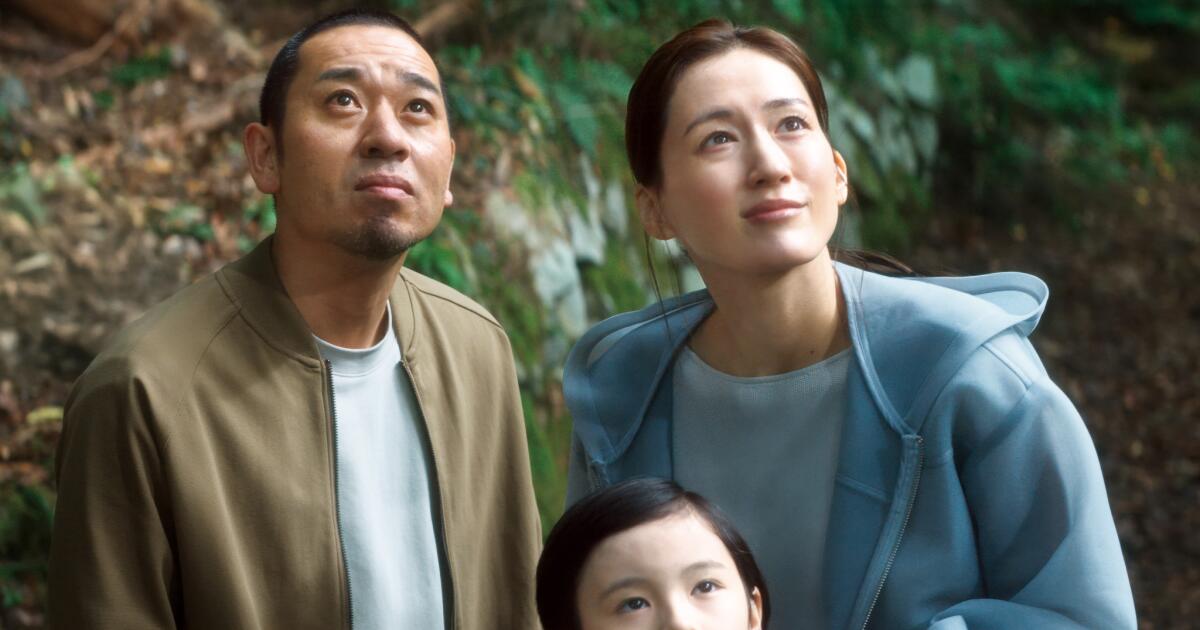
Haruka Ayase, known for her role in the film “Our Little Sister,” plays Otone, an architect grieving the loss of her son, Kakeru, who died two years prior. She receives a mysterious invitation from a company called REbirth, which offers to create lifelike androids of people who have passed away. Her husband, Kensuke (Daigo Yamamoto), is strongly against the idea, believing the company is exploiting people’s grief. However, Otone decides to move forward, and soon, an android that looks just like her son Kakeru (played by newcomer Rimu Kuwaki) is delivered to their home.
As a movie fan, I’ve always been fascinated by films that explore artificial life – from classics like “Pinocchio” to more recent ones like “A.I.” and even the darkly funny “M3GAN” and “Companion.” They all play with that unsettling idea of what’s real. Kore-eda’s new film, “Sheep in the Box,” feels like it fits right into that conversation, but it also seems like a chance for him to revisit a theme he’s explored before: how grief stays with us. It reminds me a lot of his earlier film, “Air Doll,” which was a really thought-provoking story about a doll who starts to become aware of herself.

Movies
The films of Hirokazu Kore-eda, a celebrated Japanese writer and director known for heartfelt family stories like “Like Father, Like Son” (2014) and “After the Storm” (2017), beautifully blend sadness and happiness. He shows that these emotions are often deeply connected.
Despite a promising start, the film doesn’t quite live up to its potential. The characters feel a bit one-dimensional. Initially, the parents, Otone and Kensuke, clash over whether to bring a robotic version of their deceased son, Kakeru, into their lives – he’s skeptical, she’s deeply moved by the company’s presentation. However, this disagreement doesn’t last long, as they both quickly accept the robot, who only remembers what they tell him. The film eventually focuses on the father’s search for the truth about Kakeru’s death – referred to vaguely as “the accident” – as a way to cope with his own feelings of guilt.
The film’s revelations aren’t particularly moving, and it doesn’t evoke the emotional response Kore-eda usually achieves. This subdued feeling mirrors the film’s detached perspective on our technology-filled lives. The movie opens with a peaceful ocean scene, immediately disrupted by delivery drones. While the REbirth offices are modern, they feel lifeless. This future isn’t filled with amazement or fear—just a sense of resignation that nothing is truly special, even with all the advanced technology. Unlike other AI characters in film, Kakeru doesn’t question his own existence or wonder if he has a soul. When life feels empty, does it even matter if it’s “real”?
Yuta Bandoh’s beautiful music effectively conveys the sadness felt by Otone and Kensuke, even after their son Kakeru returns. However, the film’s weak script lacks emotional resonance, so director Kore-eda relies too heavily on the score to create a sense of poignancy that doesn’t quite connect with viewers. While Kore-eda often explores characters who are less content than they appear, ‘Sheep in the Box’ implies these old hurts could resurface soon. Ultimately, though, the movie feels somewhat artificial and fails to capture the full depth and complexity of real life, creating a disconnect between the drama and genuine emotion.
2026-07-24 20:01