Tether, the company behind the stablecoin USDT, is under pressure to comply with the GENIUS Act to ensure its continued availability on cryptocurrency platforms in the U.S. A deadline for compliance is approaching.
Summary
- Tether could face restrictions on USDT in the United States if it does not meet GENIUS Act requirements before the 2028 compliance deadline.
- Legal experts say foreign stablecoin issuers still have time to comply, though some obligations may begin once the law takes effect.
- Tether has continued expanding USAT, enterprise payments and Latin American investments while U.S. stablecoin rules are still being finalized.
A recent CoinDesk article highlights that it’s been one year since the GENIUS Act was passed, and focus is once again on how Tether – still the biggest stablecoin company – will comply with regulations. U.S. officials are still developing the rules needed to put the law into full effect.
A year ago, President Trump signed into law the GENIUS Act, which sets rules for U.S. stablecoins. While the law allows companies three years to meet the new requirements, it’s still unclear how those deadlines will affect stablecoins issued outside the U.S., like Tether’s USDT.
Circle, a U.S. company, is working to follow the new regulations, but Tether hasn’t said how it will ensure its USDT stablecoin complies. Tether also didn’t respond to requests for comment before this report was published.
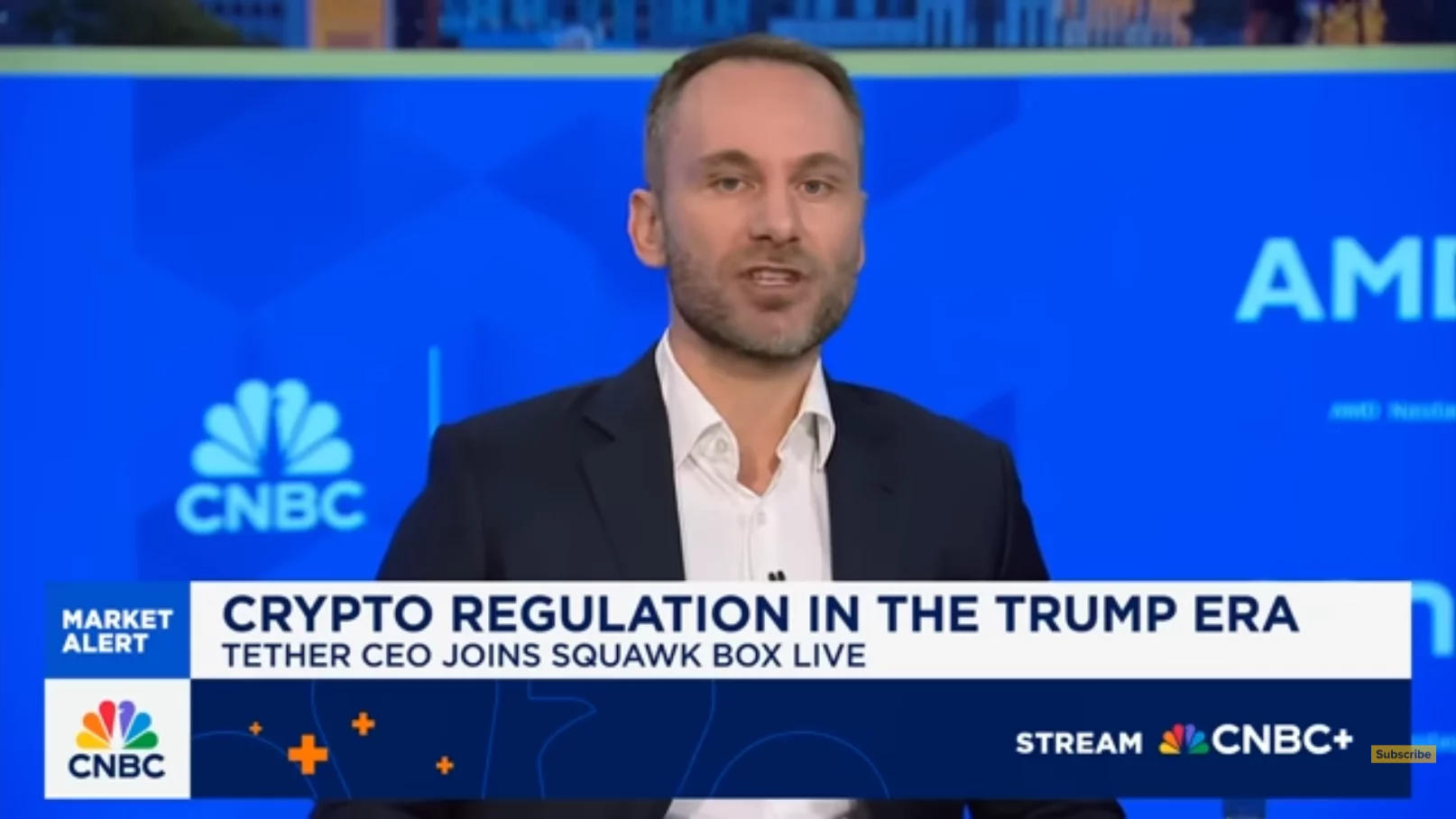
In July, Paolo Ardoino, CEO of Tether, stated the company would follow the requirements of the GENIUS Act. Following the bill’s signing at the White House, Ardoino told CoinDesk that Tether would adhere to the new law. They also plan to release a new token specifically for the U.S. market, and will ensure their existing USDT token meets the law’s rules for companies based outside the U.S.
I was thrilled and thankful to witness President Biden sign the Genius Act today. Tether has already made over 160 billion USDT accessible to more than 500 million people globally. With President Trump having paved the way for the U.S. to adopt digital assets, we are confident that we can…
— Paolo Ardoino 🤖 (@paoloardoino) July 18, 2025
Questions remain over compliance timeline
Even though the current rules aren’t set to fully change until July 2028, legal experts are still discussing whether foreign companies will have the same amount of time to adjust as those based domestically.
According to Justin Levine, a Davis Polk lawyer specializing in stablecoin rules, companies issuing stablecoins from outside the U.S. will have to start following the new law right away once it takes effect—likely around January. This initial compliance will focus on allowing authorities to freeze and seize assets involved in illegal activities. However, Levine expects that stricter rules for keeping stablecoins listed on U.S. exchanges will be rolled out over a longer period.
According to Levine, once the GENIUS Act goes into effect, foreign cryptocurrency businesses will have to promptly follow legal orders to seize and freeze digital coins connected to illegal activity. However, they’ll have about two years to get ready for more detailed rules if they want their coins to be listed on major U.S. crypto exchanges.
He also mentioned that complying with future requirements – like registering with the Office of the Comptroller of the Currency – will probably be a major effort.
“So they do have time, as long as they comply with seize and freeze orders,” Levine said.
As a researcher following the crypto space, I’m advising anyone who wants their coins to remain available on major U.S. exchanges to prepare now, even if delisting isn’t happening immediately. Maintaining access to that level of trading volume is important, so it’s worth considering proactive steps.
CoinDesk noted that a previous legal opinion from Paul Hastings indicated foreign companies might have had different deadlines for compliance. After CoinDesk asked about this, the report stated the opinion was taken down from the law firm’s website, and representatives haven’t yet responded to requests for further information.
The Office of the Comptroller of the Currency has issued guidelines that are still open to different understandings. According to CoinDesk, a recent OCC proposal suggests that while most rules will be fully enforced by 2028, some obligations for companies based outside the U.S. start immediately when the law is enacted. These initial requirements seem to focus on assisting with legal requests like freezing and seizing assets, with more comprehensive regulations coming into effect at a later date.
In addition to these first steps, companies from other countries must meet further requirements. These include registering with the OCC, keeping funds at banks in the U.S., and following rules in their home country that the U.S. Treasury considers similar to U.S. regulations.
Reserve structure draws attention
CoinDesk highlighted Tether’s recent reports on its reserves, noting that around 25% of the funds backing USDT wouldn’t meet the requirements of a proposed law called the GENIUS Act. This includes investments in things like Bitcoin, gold, and loans.
Instead, the new law states that stablecoins must be fully backed by easily convertible assets like cash and short-term U.S. Treasury bonds.
Despite ongoing regulatory uncertainty, Tether has launched USAT, a stablecoin designed for the U.S. market. It’s issued in partnership with Anchorage Digital and built to meet American compliance requirements, but so far, it hasn’t been adopted as widely as Tether’s USDT.
Kevin Wysocki, policy lead at Anchorage Digital, said the company believes institutions will start using digital assets before they are legally required to do so, according to CoinDesk.
According to Wysocki, U.S. financial institutions won’t be able to use stablecoins that don’t meet regulations once a protective period ends in 2028. However, Anchorage anticipates these institutions will switch to officially approved, bank-backed digital dollars much sooner than that date.
Expansion continues as regulation develops
While talks about regulation are still happening in the U.S., Tether is growing its investments and expanding how businesses can use its services in multiple countries.
Earlier this month, Tether invested $7 million in Pact Labs to bring its USAT technology into payroll systems. This aims to let employers pay their employees using blockchain technology, offering an alternative to traditional banking methods, within the U.S. payroll market which handles over $11 trillion each year.
In addition to its regular payroll activities, Tether is expanding into corporate treasury services. Recently, Hyundai Motor America and Hyundai Motor Mexico successfully tested a cross-border payment using USDT on the Avalanche blockchain. The $20,000 transfer was completed in around seven minutes with infrastructure from Axiym, while Hyundai Card handled compliance and operations for the transaction.
I’ve been watching Latin America closely, and it seems like Tether is too. They’re putting some serious money into growing the crypto space down there – recently investing $20 million each in Mercado Bitcoin, a Brazilian exchange, and Ualá, an Argentinian digital bank. Plus, they already led a $14 million investment in another Argentinian platform called Belo, all with the goal of making it easier to pay with and access financial services using crypto throughout the region. It’s encouraging to see this kind of commitment to expanding crypto adoption in Latin America.
Bolivia is considering allowing the use of USDT, alongside its national currency (the boliviano) and the U.S. dollar, for some payments. Two banks, Banco Unión and Banco FIE, are already offering services that involve USDT, but the government hasn’t yet finalized the official rules for using it.
Even with companies trying to expand globally, U.S. regulations for stablecoins are still being developed. Federal agencies haven’t finished writing the rules needed under the GENIUS Act, meaning stablecoin issuers lack a clear set of guidelines as deadlines for following regulations get closer.
According to Trevor Tanifum, a managing principal at FS Vector, some cryptocurrency trading platforms that are more cautious about risk might remove stablecoins that don’t meet new requirements quickly. However, bigger exchanges with more legal expertise could wait for clear instructions from regulators before taking action.
From my perspective, what we’re seeing now is typical of major challenges in the crypto space. These platforms heavily rely on transaction volume and liquidity, particularly from international sources. I don’t believe they’ll willingly sacrifice that revenue, so I expect them to push back against anything that threatens it.
Currently, a lot of attention in the crypto world is focused on the CLARITY Act, which is being discussed by Congress. If passed, this law could change existing regulations – known as the GENIUS framework – and create more uncertainty for companies like Tether and Circle as they prepare for increased federal oversight in the coming months.
2026-07-20 12:07